



























































oil and gas development
The impact of Trump’s offshore leasing plans
The Administration’s leasing proposals are not likely to produce an offshore oil and gas boom unless other factors change
This post is the last in a three-part series examining the implications and context of the Trump Administration’s announcement of a proposal to dramatically expand offshore oil and gas development in the United States. The first post focused on the legal context; the second one on the political context. This last post synthesizes the law …
Continue reading “The impact of Trump’s offshore leasing plans”
CONTINUE READINGThe politics of Trump’s offshore leasing proposal
Widespread political opposition at the state level poses major obstacles to federal plans
This post is the second in a three-part series looking at the Trump Administration’s announcement of plans to vastly increase offshore oil and gas drilling. The first post, here, focused on the legal context for those announcements. In this post, I’ll discuss the political context. In my last post, I’ll conclude with an analysis of …
Continue reading “The politics of Trump’s offshore leasing proposal”
CONTINUE READINGThe Administration’s offshore oil and gas leasing proposal
Offshore leasing system requires long, complex legal process before drilling can occur
A few weeks ago the Trump Administration announced a new proposed plan to drastically increase the amount of offshore areas available for leasing for oil and gas development – essentially opening up almost all of the waters off of the lower 48 states. The announcement at the time attracted a lot of media attention, but …
Continue reading “The Administration’s offshore oil and gas leasing proposal”
CONTINUE READINGPublic Lands Watch: ANWR and Monuments Updates
Updates on the Arctic National Wildlife Refuge and National Monuments
Two updates on issues that we have been following. First, the Senate passed a tax bill that opens up the Arctic National Wildlife Refuge to oil and gas development – though an initial version of that provision which would have relaxed environmental review of development in the refuge was stripped out. The bill likely will …
Continue reading “Public Lands Watch: ANWR and Monuments Updates”
CONTINUE READING200 Days and Counting: Public Lands
The potential impact of a Trump Administration on our federal public lands.
The federal government owns almost one-third of the land in the United States, primarily concentrated in the Western states. In addition, the federal government is the primary manager of the oceans off the coast of the United States (with the exception of oceans within three miles of the coastline, which are primarily under state authority). …
Continue reading “200 Days and Counting: Public Lands”
CONTINUE READINGEnding Corporate Welfare for Oil
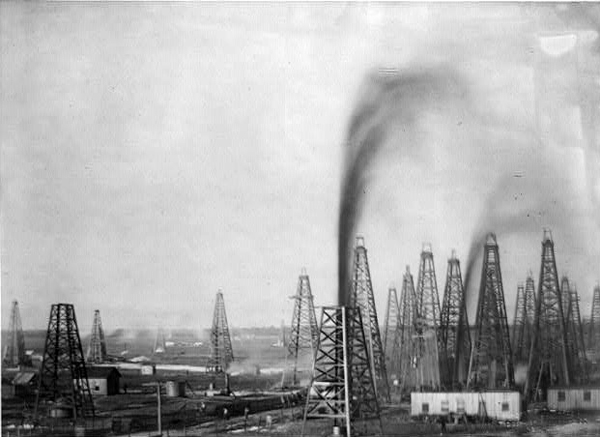
“There Will Be Blood” was the title of 2007 movie about an old-time oilman. If you were doing a similar movie about the situation today, you might call it, “There Will Be Tax Write-Offs.” The taxpayers have been generous to the industry. Oil companies get about $5 billion per year in favored tax treatment. Mostly, …
Continue reading “Ending Corporate Welfare for Oil”
CONTINUE READINGIs Romney Building Sand Castles Based on Fantasy Oil and Gas Production?
Romney plan relies heavily on a report from Citigroup. Even the Wall Street Journal was unsure about that report and said, “Whether the report proves prescient or just another starry-eyed fantasy remains to be seen.”
CONTINUE READINGRomney Calls for a Fossil Fuel Feeding Frenzy
The Washington Post reports that Mitt Romney will announce a new energy plan centering on explosive increases in oil and gas development, combined with greater use of coal. I’ve read the staff briefing paper, and the Post’s account is an accurate summary: Mitt Romney on Thursday will outline a plan that he projects would achieve …
Continue reading “Romney Calls for a Fossil Fuel Feeding Frenzy”
CONTINUE READINGThe BP Oil Spill and the Disappearing Louisiana Coast
The fact is that even before the BP Oil Spill, the Gulf Coast and the Gulf of Mexico itself were under siege from damage to wetlands, a poorly regulated oil and gas industry, rising seas, an immense marine “dead zone,” invasive species, and damaged ecosystems.
CONTINUE READINGJoin Our Mailing List
Climate policy is changing rapidly. Stay in the loop with expert analysis via email Monday - Friday.