

























































Toxic Substances
The Supreme Court Rules in Favor of Bayer
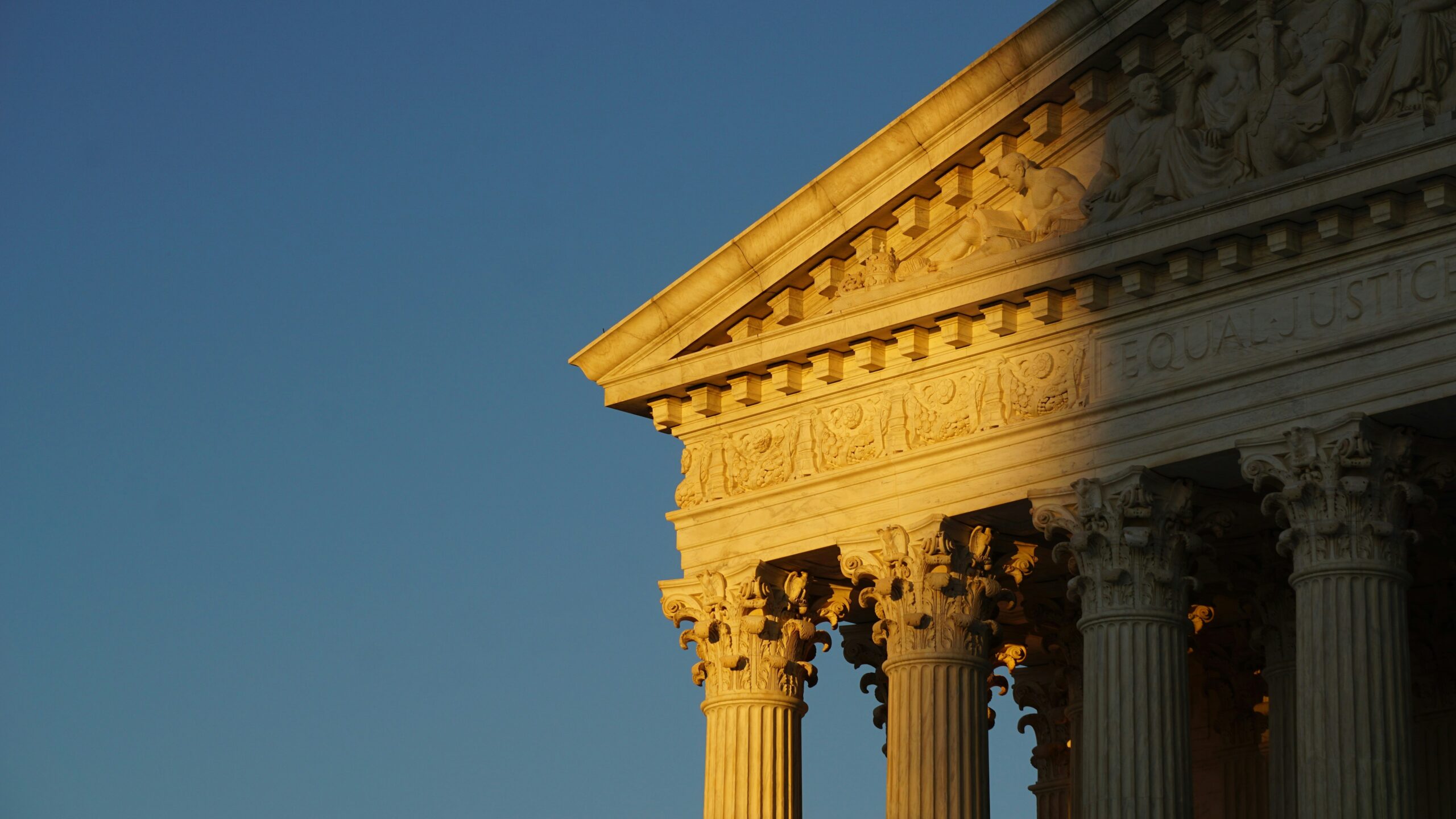
Bayer gets the litigation relief it was looking for in the Monsanto Roundup case.
The Supreme Court has ruled in favor of Monsanto in its ongoing effort to contain its vast and growing litigation exposure stemming from its best-selling product, Roundup—the most popular weed killer in the world. In a decision by Justice Kavanaugh (joined by six other justices), the Court held that FIFRA expressly preempts the state law …
Continue reading “The Supreme Court Rules in Favor of Bayer”
CONTINUE READINGA Compendium of Good News

Hey, it’s not all gloom and doom out there.
We don’t lack for bad news these days. Still, there are also good things happening. I’ve been putting together a list of things that are good news for the environment. EVs, battery storage, and solar are growing around the world. So put on your happy face!
CONTINUE READINGCalifornia Permits Pesticides the EU Has Banned

Guest contributor Julie Binot writes that farmworkers are paying the price of California’s weaker pesticide standards.
Guest contributor Julie Binot is an LL.M. graduate (’26) from UC Berkeley. Controversies in France over the reintroduction of acetamiprid, a pesticide, led me to look at California’s own protections. In France, the push to reinstate the neonicotinoid insecticide, banned since 2018 over risks to bees and human health, was ultimately blocked by the Constitutional …
Continue reading “California Permits Pesticides the EU Has Banned”
CONTINUE READINGBuilding Bridges Over Troubled Waters

There are environmental issues that span the partisan divide, even today.
It turns out that the solar industry has two allies in unlikely places: Trump stalwarts Kellyanne Conway and Katie Miller (the wife of Stephen Miller). This is a reminder that, even in an era of hyper-partisanship, it is sometimes possible to create alliances across the ideological gulf.Despite polarization, there are some environmental issues that can bridge the partisan gap. T Some issues, like climate change, have become deeply polarizing. We shouldn’t give up on those, but we should also pay attention to issues that have greater potential for reaching out to Trump supporters.
Roundup at the Supreme Court
Bayer and its allies in the Trump Administration got their day in court.
Today, the Supreme Court heard arguments in Monsanto v. Durnell. As discussed in a previous blog post, the broader context of the case is significant even though the question before the Court was a narrow one: “Whether the Federal Insecticide, Fungicide, and Rodenticide Act preempts a label-based failure-to-warn claim where EPA has not required the …
Continue reading “Roundup at the Supreme Court”
CONTINUE READINGMore Pesticides Please!
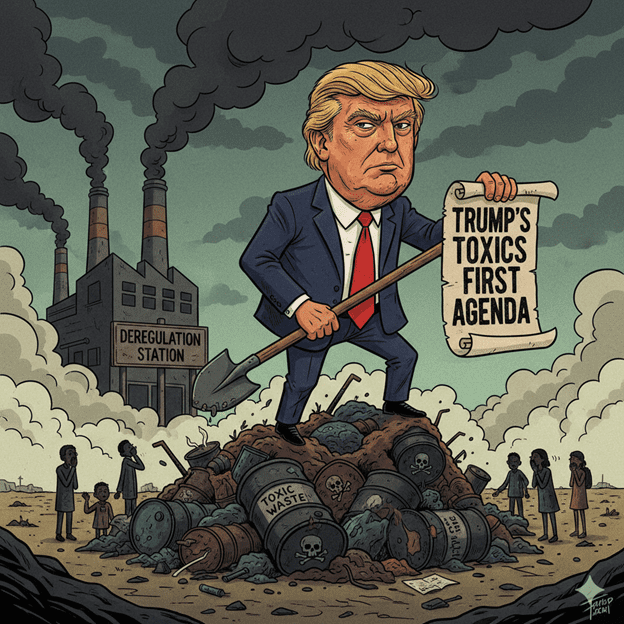
Trump’s ‘Toxics First’ Agenda continues with a new executive order mandating the production of glyphosate . . . as a matter of national security!
Late last Wednesday, sandwiched between all of the news about the repeal of the endangerment finding and the Supreme Court’s ruling on the Trump tariffs, the White House issued a new Executive Order invoking a Korean War era statute, the Defense Production Act of 1950, to ensure that chemical companies can continue to manufacture a …
Continue reading “More Pesticides Please!”
CONTINUE READINGPesticides, Cancer, and Failure-to-Warn at the Supreme Court

The pro-business Roberts Court considers whether to preempt state law failure-to-warn claims. Will corporate and agency malfeasance on glyphosate matter?
Two weeks ago, the Supreme Court granted cert in an important case involving a preemption question under the Federal Insecticide, Fungicide, and Rodenticide Act (aka FIFRA). The question presented: “Whether the Federal Insecticide, Fungicide, and Rodenticide Act preempts a label-based failure-to-warn claim where EPA has not required the warning?” The case involves glyphosate, which is …
Continue reading “Pesticides, Cancer, and Failure-to-Warn at the Supreme Court”
CONTINUE READINGIs This the End of Cost-Benefit Analysis?
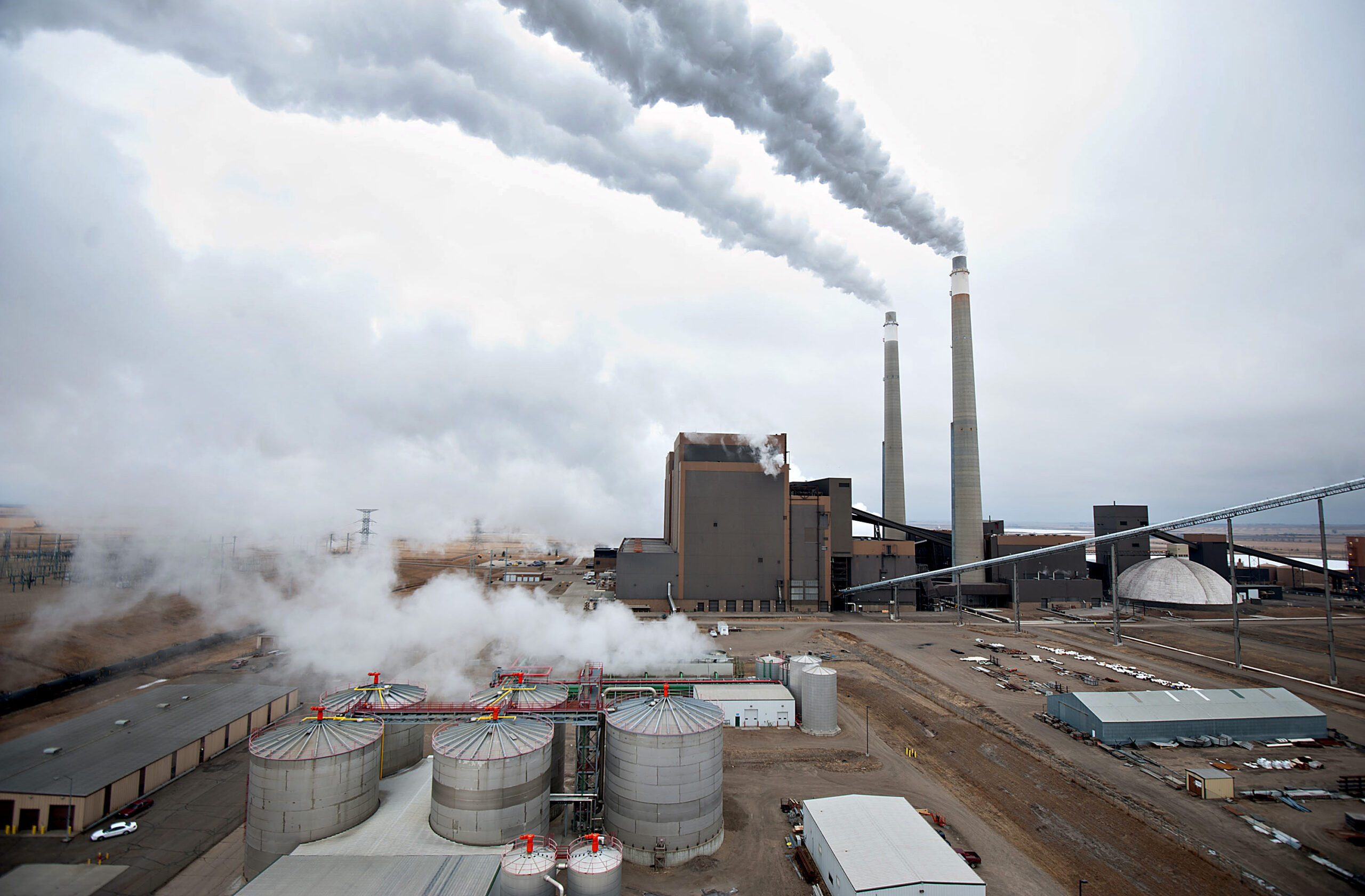
Trump’s EPA is effectively abandoning economic analysis
Maybe the Administration means to keep cost-benefit analysis in place for some other kinds of regulations at EPA or elsewhere. But if the courts uphold the EPA’s refusal to quantify the enormous harms caused by air pollution, it’s hard to see an argument for quantifying many other regulatory benefits. In other settings, environmentalists might applaud the repeal of cost-benefit analysis. In the current setting, however, the purpose is all too plain: to make it easier for the Administration to ignore the ways it is endangering human life and health.
CONTINUE READINGFrom Sivuqaq’s Shores in Alaska to the UN: The Fight for Military Cleanup & Indigenous Rights
Per- and polyfluoroalkyl substances (PFAS), also known as ‘forever chemicals’ are intoxicating the Sivuqaq people
“It was so beautiful. Little did we know it was so toxic”, declared Karen (Pungowiyi) Nguyen, a former Indigenous resident of Sivuqaq Island (more commonly known as St. Lawrence Island) in the Northern Bering Sea, when we interviewed her in Alaska in early 2024. She recalled how, as children at the Northeast Cape on Sivuqaq, …
CONTINUE READINGRollin’ Coal!

One year in on Trump’s ‘Toxic First’ Agenda and the MAGA assault on environmental law.
They call it Rollin’ Coal — when you retrofit your diesel truck (and they are always trucks) to emit more pollution. A lot more. You may have seen the pictures: big dark clouds of fine particulates and a bounty of air toxics — a big f*#ck you to Prius drivers, environmentalists, and, well, all of …
Continue reading “Rollin’ Coal!”
CONTINUE READINGJoin Our Mailing List
Climate policy is changing rapidly. Stay in the loop with expert analysis via email Monday - Friday.

The Drain is a roundup of climate and environmental news from Legal Planet delivered to your Inbox once a week.