

























































Disaster Law
Insurance Law and Wildfire
Providing a federal backstop for wildfire insurance in return for state and local reforms
This blog post was co-authored with Dave Owen, at UC Law SF. The draft article this blog post series is based is here. This is the sixth in a series of blog posts on our proposal to reform wildfire law in the United States. The first post is here. The second post is here. The …
Continue reading “Insurance Law and Wildfire”
CONTINUE READINGTroubled Waters
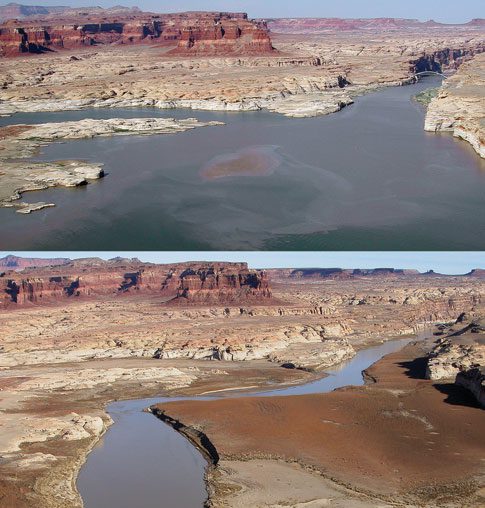
We’re seeing increasing signs of a malfunctioning US water system.
Water problems are popping up all over. Literally so, in at least one case. In the Permian basin, geysers of toxic wastewater are erupting. The water was pumped underground as part of the basin’s massive fracking operations. Fracking produces five or six barrels of wastewater for every barrel of oil. High pressure underground is pushing wastewater into oil and gas basins as well as threatening drinking water aquifers. We’ve been taking our ability to obtain water and manage discharges for granted, just as we tend to take plumbing for granted except when it starts leaking or breaking down. It appears that our neglect is beginning to catch up with us.
CONTINUE READINGCanada in Flames

What’s causing the fires? What harm do they do? What should we do?
One of the world’s great disasters is unfolding, as fires have covered millions of acres in Canada, destroying pristine ecosystems and poisoning the air for millions of people. Something like seven million acres have already burned. The U.S. government’s response is to threaten Canada with tariffs, apparently as punishment for allegedly having poorly managed its forests. Instead, we should be partnering with Canada on forest management, and we should cut the greenhouse gas emissions that are ramping up the fire risk.
CONTINUE READINGOMB’s New Grant Regulations: A Deeper Dive
A close look at OMB’s proposed rule only heightens concerns.
Is OMB’s proposed rewrite of federal grant regulations as bad as it sounds? Sadly, the answer is yes. Below, this posts takes a close look at some key provisions in the regulations. Some raise constitutional problems. Others are merely bad policy, undermining merit review, deterring valuable research, and skewing research toward the politics of the moment.
CONTINUE READINGTrump’s FEMA Review
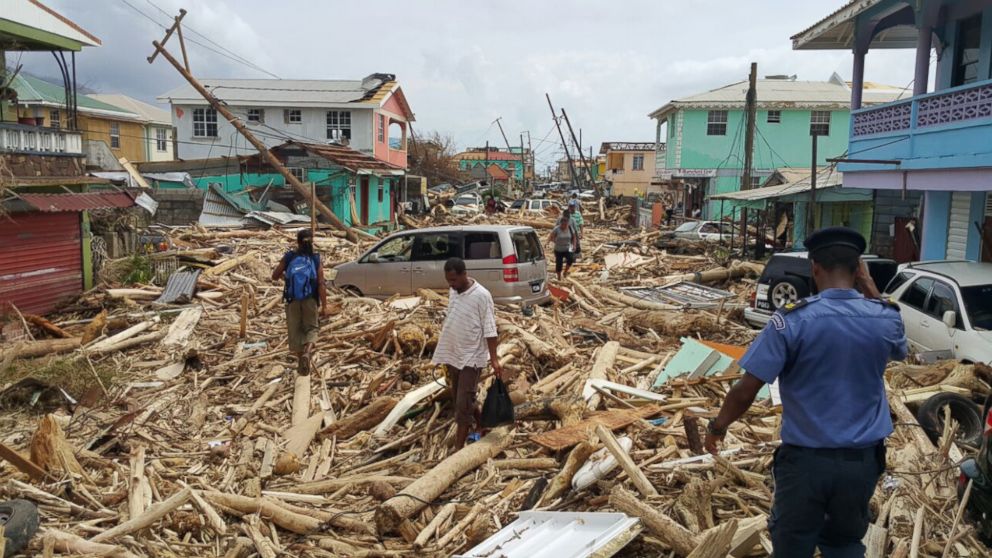
Trump’s FEMA Council has reported back. Its basic strategy is flawed.
After much delay, Trump’s FEMA Council has reported back. While the report has some good ideas, much of it resolves around the same strategy: move current problems from the federal government to the states rather than fixing them. Moving responsibilities around doesn’t make them go away. And the reality is that many states will be unable to manage these tasks efficiently. They also lack the federal government’s capacity and economies of scale. And while the federal government will do less itself, it will become more intrusive on state operations, so there’s no clear gain in terms of federalism.
CONTINUE READINGBending Under Pressure
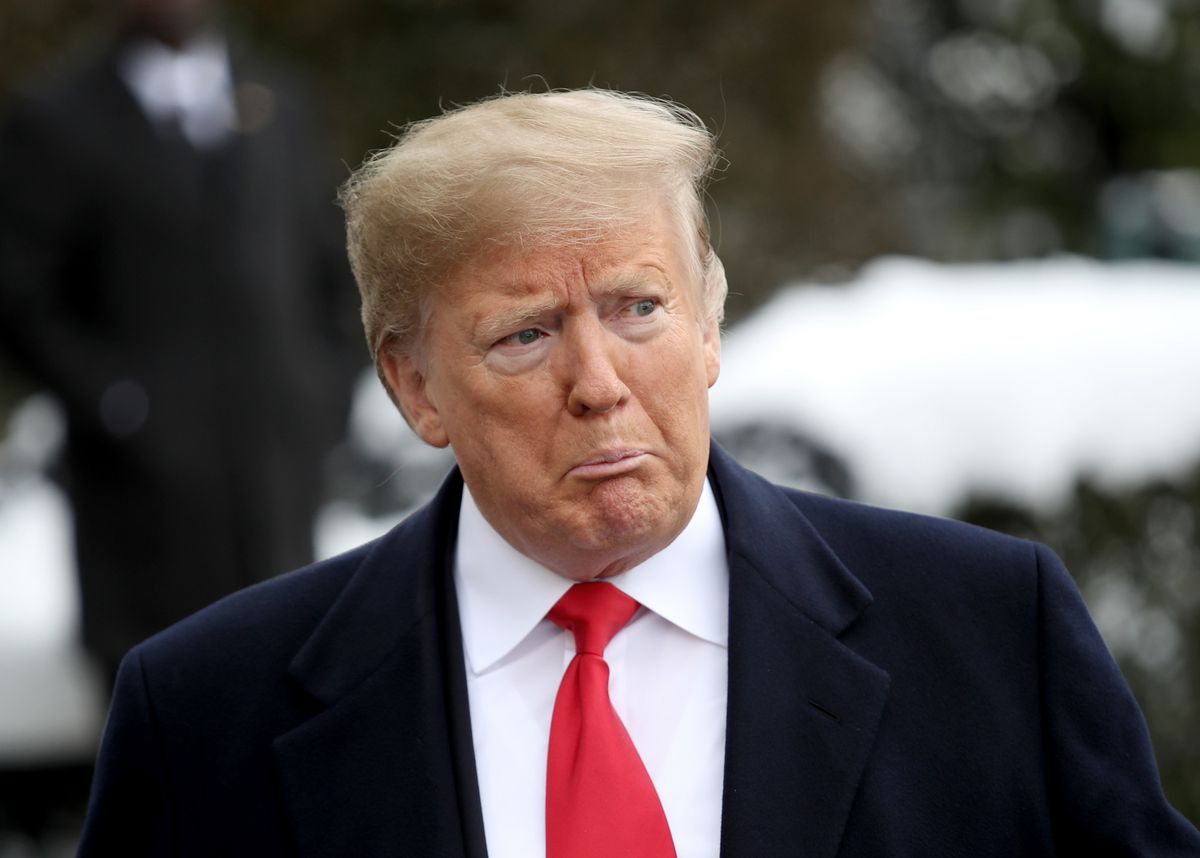
Every now and then, the Trump Administration shows signs of reluctantly giving in to reality.
The Trump Administration’s basic stance has been to pursue ideological purity all costs, beginning with the “shock and awe” campaign of the first year. Don’t expect miracles, but there are at least a few signs that the Administration is tempering that strategy. It’s a bit comforting to see indications that reality is slowly sinking in. It’s also evidence that resistance to Trump policies isn’t futile.
Any trend toward saner policies is likely to be very limited. For instance, Trump and his supporters are too invested in climate denial to ever admit that climate change is a serious problem. The best we might hope for is that they ease up just a little on their war against clean energy. There are at least some hints that this may be starting to happen.
CONTINUE READINGYes, Secretary Noem, We Really Do Need FEMA

An advisory committee suggests upgrading FEMA, but Noem still hopes to gut it.
The Washington Post reported yesterday that a special advisory council has recommended that FEMA be strengthened and taken out of DHS. Secretary Noem is unconvinced and seems to be trying to bury the recommendations. She’s wrong. FEMA really is needed, and the reasons tell us a lot about what kinds of reforms make sense. First responders are usually state and local – they’re already nearby – and much of the work of reconstruction is also overseen locally. So why do we need FEMA? Let me count the ways.
CONTINUE READINGLighting Candles in Dark Times: Environmental Law Centers in the Trump Era

These law school centers show it’s possible find ways to make a difference.
Environmental law have become vibrant parts of the law and policy ecosystem. At a time when despondency seems all too common, the work of these law school centers offers beacons of hope for the future of environmental protection. Some of that work is playing defense — pushing back against deregulatory efforts — while other work plays offense by identifying innovative directions for environmental policy. A comprehensive survey isn’t practical, but I’ll provide examples from several different centers.
CONTINUE READINGMayor NIMBY

Karen Bass’ blocking of duplexes in devastated communities is a nasty piece of plutocracy.
Los Angeles Mayor Karen Bass gets a lot of unfair grief from the media and from Angelenos. Many criticized her for being out of the country when the Palisades Fire struck: but she was abroad in Africa representing President Biden (when in Congress one of her areas of expertise was Africa), and mayors do this …
Continue reading “Mayor NIMBY”
CONTINUE READINGListing Trump’s Environment and Energy Executive Orders
I’m counting 35 so far. But I wouldn’t be shocked to learn that I’d missed something.
I’ve put together a list of all the Trump 2.0 executive orders that I could identify dealing with environment or energy. Just to keep you reading, I should tell you that the most important ones are near the end. Whatever you might say about Trump, no one can question his zeal for eliminating environmental protections.
CONTINUE READINGJoin Our Mailing List
Climate policy is changing rapidly. Stay in the loop with expert analysis via email Monday - Friday.

The Drain is a roundup of climate and environmental news from Legal Planet delivered to your Inbox once a week.