

























































Inflation Reduction Act
What We Know About Trump’s Impact on Clean Energy

U.S. clean energy has taken a major hit but not a fatal one.
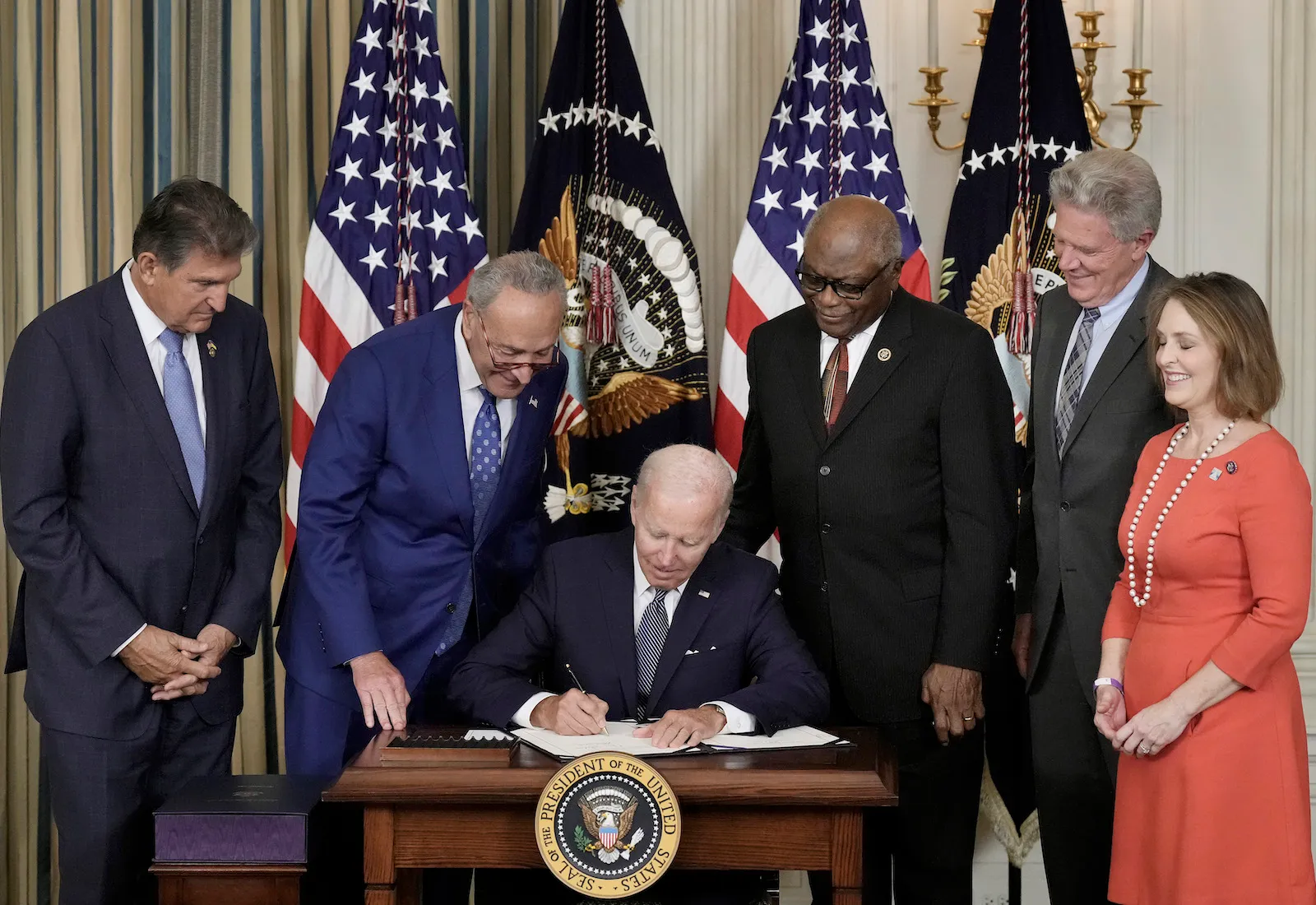
Biden’s climate legacy has taken serious hits but more has survived then we feared. There’s a general impression that Trump has wiped out Biden’s ambitious climate statute and with it brought the energy transition to a halt. It’s become clear that the situation is a lot more complicated than that. Politico has unearthed new evidence about funding under Biden’s Inflation Reduction Act. That new evidence complements some of the other pieces of the puzzle. Here’s what we know at this point.
CONTINUE READINGConsumer Clean-Energy Sovereignty
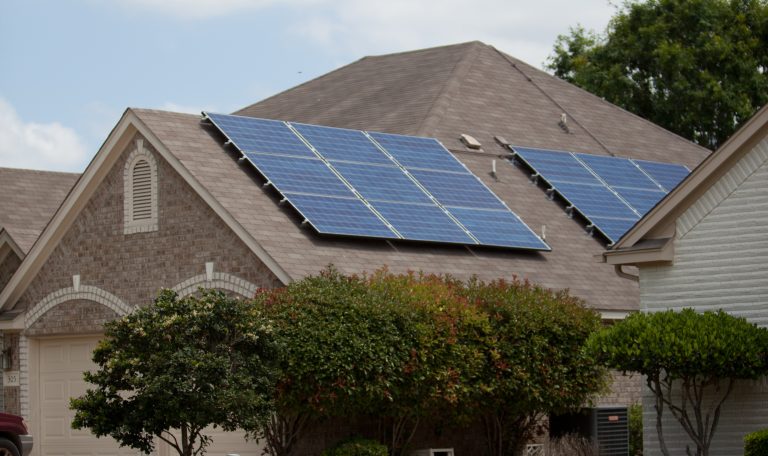
Consumers seem to be voting with their wallets for clean energy.
In the second quarter (Q2) of 2026, “clean energy and transportation investment in the United States totaled $75 billion, a 22% increase from Q1 2026 and a 4% jump from Q2 2025.” Considering Trump’s effort to summon all the power of the federal government to destroy clean energy, that’s not bad. One surprise: consumer spending accounted for more than half the total.
CONTINUE READINGStrategies for the 2030s
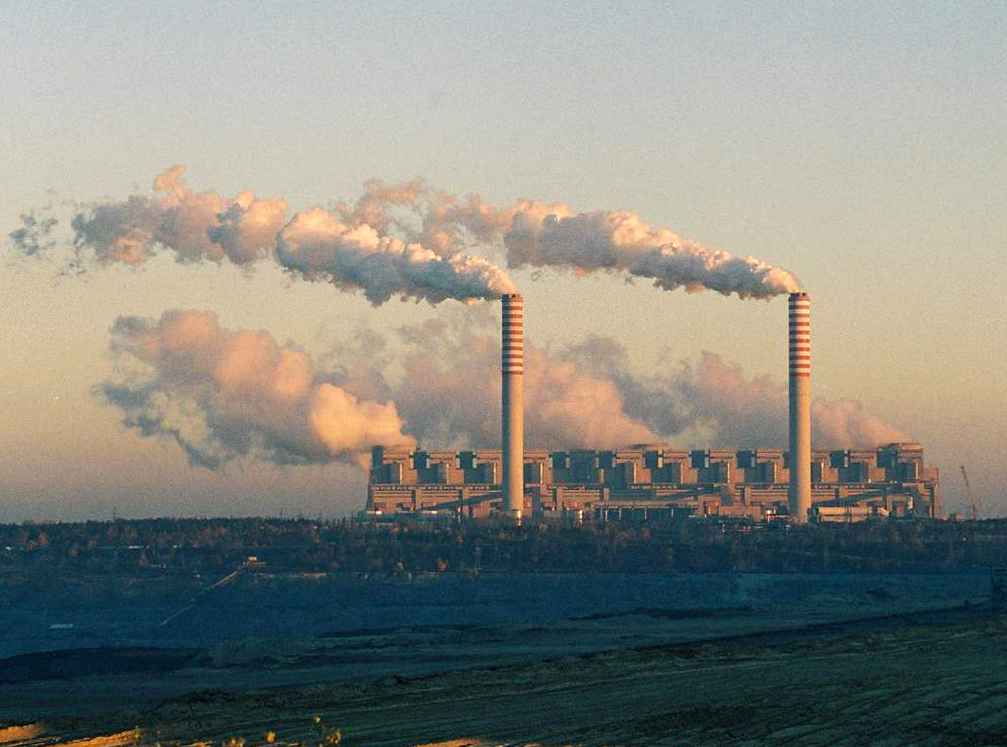
We lost the Battle of 2025. But we haven’t last the fight for sustainability.
Two recent models have some welcome news: Trump’s rollbacks and assault on the Inflation Reduction Act have not been as cataclysmic as feared. At least not yet. The models come from different sources — an MIT researcher and the Rhodium firm — using different methodologies. The models also have implications about the next steps in climate policy. Both models highlight the critical need to rip down barriers to clean energy and transmission build out.
CONTINUE READINGPondering the Effects of Biden’s Climate Policies
A new report has some unexpected implications.
A new report from an MIT researcher says that the “glass is half full” in terms of prospects for renewables in the U.S. This was interpreted by some to mean that Biden’s climate policies were proving successful despite repeal of key parts of the Inflation Reduction Act. That’s a bit of a misreading. It also misses some key takeaways from the report. Those include skepticism about tax credits for wind and solar, an emphasis on removing obstacles to new projects, and a call for supporting the development of “firm” power sources like geotherma
CONTINUE READINGStatutory Language? Who Cares About Statutory Language?

A new DOE guidance seems flatly contrary to the statute it’s acting under.
The Department of Energy has issued new guidance that cuts off rebates for people who replace a gas furnace with a heat pump. Under the new guidance, the rebate will be allowed only if the heat pump replaces an electric furnace. Unless I’m missing something, the statute creating the program says the exact opposite. I suppose maybe at this stage I should find this blithe lack of concern for legality unsurprising. Maybe I haven’t adjusted to the Trump era as much as I’d thought. The rebate program specifically covers “any “project that includes [among other things] … the purchase or installation … of an electric heat pump … to replace a nonelectric appliance.”
The Compelling Case for Clean Energy Subsidies

There’s a solid economic case for government support
Tax credits and direct subsidies sound like handouts. That’s not true in the case of renewable energy and electric vehicles. No should feel bashful in advocating for these subsidies. They provide very real benefits to society, not just to the shareholders in a few firms. Tax credits and subsidies. like those that were contained in the Inflation Reduction Act, will help us avoid many billions of dollars a year of harm to our environment and health. They will also make America competitive in what are clearly the industries of the future, rather than abandoning the field to China.
CONTINUE READINGTrump Tried to Kill Renewables. He Failed.

Despite assaults by Trump and his Congress, renewables are still growing.
Trump has done everything within his power to bless the US with more air pollution and carbon emissions from fossil fuels. Congress did its part, rolling back billions in spending and set accelerated phaseouts for tax credits. Yet renewable energy hasn’t died. It hasn’t even slowed down all that much.
Here are the numbers. Solar alone accounted for almost three-fourths of new generation capacity in Trump’s first ten months, and wind added another 13%, for 87% total. And this year should also be strong.
CONTINUE READINGNightmare on Penn Ave (Part 2)
After a year of Trump 2.0, here’s how things stand.
Eight years ago almost to the day, I wrote a post titled, “One Year and Counting.” I was writing at the end of Trump’s first year in office. And here we are again, one year into a second Trump Administration. Trump’s basically deregulatory strategy has remained largely unchanged. But there are some notable differences in the situations then and now. I closed my 2017 post with this: “One characteristic of the Trump Administration is a ceaseless stream of controversies and dramas. But generally speaking, the amount of actual legal change has been much more limited, because the system is designed to provide checks on administrative and legislative action.” It remains to be seen how well those checks will function this time around.
CONTINUE READINGQuiet Climate Policy
Just because climate change isn’t salient for most voters doesn’t mean policy isn’t important
This Substack post from Matthew Yglesias on climate policy gets, I think two things right and one thing wrong. And getting those three components of climate policy correct is, I believe, important to long term, politically sustainable success in addressing climate change. First, as Yglesias correctly notes, climate change is not a priority for most …
Continue reading “Quiet Climate Policy”
CONTINUE READINGState Agencies Respond to Trump’s EV Threats
A solid list of proposals – are they enough?
The Trump Administration and Congress have spent much of the year attacking vehicle electrification efforts–everything from executive orders threatening electric vehicle policies and incentives (in the name of promoting “true consumer choice”) and the repeal of vehicle emission standards (backed by false claims of consumer savings) to the elimination of EV tax credits and manufacturing …
Continue reading “State Agencies Respond to Trump’s EV Threats”
CONTINUE READINGJoin Our Mailing List
Climate policy is changing rapidly. Stay in the loop with expert analysis via email Monday - Friday.

The Drain is a roundup of climate and environmental news from Legal Planet delivered to your Inbox once a week.