



















































Land Use
By Our Powers Combined, We Are Captain Planet
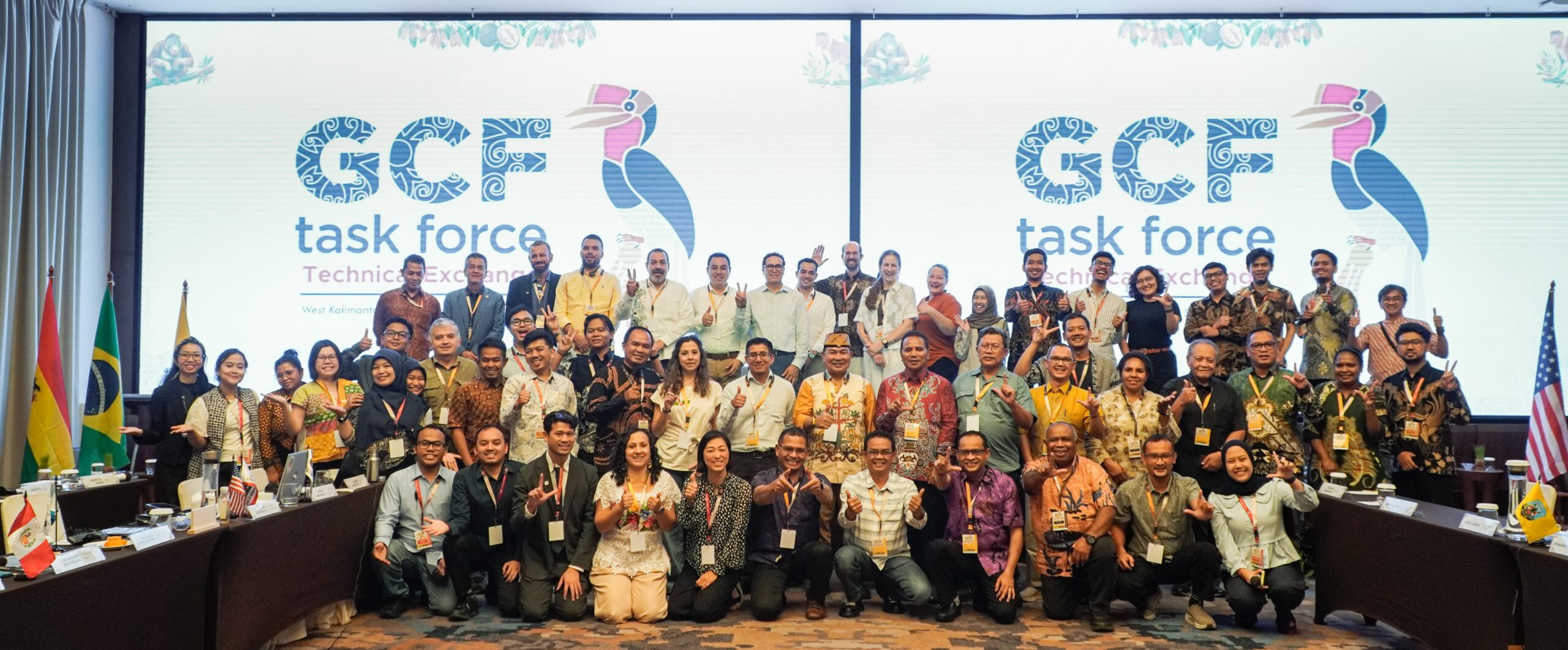
Facing climate disasters, the GCF Task Force is putting the network theory of governance into practice.
I don’t need to tell you that the last several months have seen an increasing number of climate-related disasters, including severe heatwaves throughout Europe and droughts that are impacting water supply and reducing ship passages through the Panama Canal. This year’s super El Niño has exacerbated the ongoing fires across Indonesian Borneo. It is projected …
Continue reading “By Our Powers Combined, We Are Captain Planet”
CONTINUE READINGA summary of BACA
An overview of my analyses of Proposition 45
I’ve written a lot on the Cal Chamber sponsored initiative to dramatically change CEQA, BACA, which is Proposition 45 on this year’s ballot. Here are some key takeaways from what I’ve written, as well as links to the relevant blog posts. First, BACA will not just apply to CEQA. It broadly expands vested rights and …
Continue reading “A summary of BACA”
CONTINUE READINGA Warning to Local Planners in California
If Proposition 45 is passed, you may get blindsided by projects you cannot stop. You may want to prepare yourself.
A lot of the debates over BACA, the Cal Chamber supported initiative to fundamentally change CEQA (Proposition 45 on the ballot) focus on the initiative’s impacts on CEQA. But from a local government and planning perspective, I would argue that far more important are the sweeping vested rights provisions in the initiative. As I noted …
Continue reading “A Warning to Local Planners in California”
CONTINUE READINGInsurance Law and Wildfire
Providing a federal backstop for wildfire insurance in return for state and local reforms
This blog post was co-authored with Dave Owen, at UC Law SF. The draft article this blog post series is based is here. This is the sixth in a series of blog posts on our proposal to reform wildfire law in the United States. The first post is here. The second post is here. The …
Continue reading “Insurance Law and Wildfire”
CONTINUE READINGLand-Use Law and Wildfire
Creating incentives for local and state governments to manage development in high-risk areas
This blog post was co-authored with Dave Owen, at UC Law SF. The draft article this blog post series is based is here. This is the fifth in a series of blog posts on our proposal to reform wildfire law in the United States. The first post is here. The second post is here. The …
Continue reading “Land-Use Law and Wildfire”
CONTINUE READINGA Mile High Solution To Housing Affordability?

Want to expand the availability of deed-restricted affordable units? Build market-rate ones!
One of the most dispiriting debates in housing policy and land use concerns the relative merits of deed-restricted affordable versus market-rate housing. YIMBY advocates argue building more market-rate units will eventual filter down and expand affordability; many on the Left argue that market-rate housing reduces the availability of land for deed-restricted affordable units. Eunisses Hernandez …
Continue reading “A Mile High Solution To Housing Affordability?”
CONTINUE READINGThe Challenges of Wildfire
Why wildfire management is so difficult to reform
This blog post was co-authored with Dave Owen, at UC Law SF. The draft article this blog post series is based is here. This is the second in a series of blog posts on our proposal to reform wildfire law in the United States. The first post is here. Why is fire such a hard …
Continue reading “The Challenges of Wildfire”
CONTINUE READINGFixing Wildfire Law
The urgent challenge of reforming how we manage wildfire
This blog post was co-authored with Dave Owen, at UC Law SF. The draft article this blog post series is based is here. Every year brings another reminder of why fire is at the top of environmental and natural resource issues for the United States, and how our legal system struggles to adjust to fire. …
Continue reading “Fixing Wildfire Law”
CONTINUE READINGDear 2026 1L
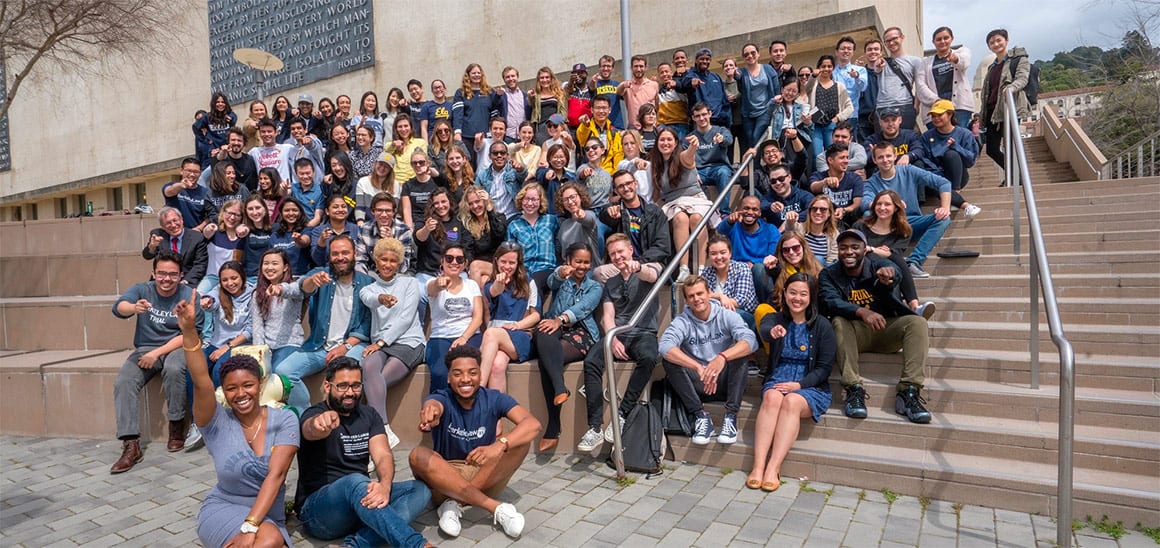
Today’s entering law students are preparing to start careers at a critical time for the environment.
Welcome to law school. You’re beginning your life in the law at a critical time. What we do together between now and 2035 will determine what your lives look like in 2050 and 2080, and what your children and grandchildren will see in the next century. So, grab your books, get yourselves ready, and be prepared to head for the legal trenches when you graduate. No time to waste!
The Limits of Implementation for BACA
Potential practical limits on the scope of the initiative to rewrite CEQA
I’ve done a lot of analysis of the potential scope of the Cal Chamber initiative on the ballot this fall to fundamentally rework CEQA. However, I also want to highlight a range of constraints that I think will limit the practical impact of the initiative. In doing so, I do not want to minimize the …
Continue reading “The Limits of Implementation for BACA”
CONTINUE READINGJoin Our Mailing List
Climate policy is changing rapidly. Stay in the loop with expert analysis via email Monday - Friday.

The Drain is a roundup of climate and environmental news from Legal Planet delivered to your Inbox once a week.