























































States
By Our Powers Combined, We Are Captain Planet
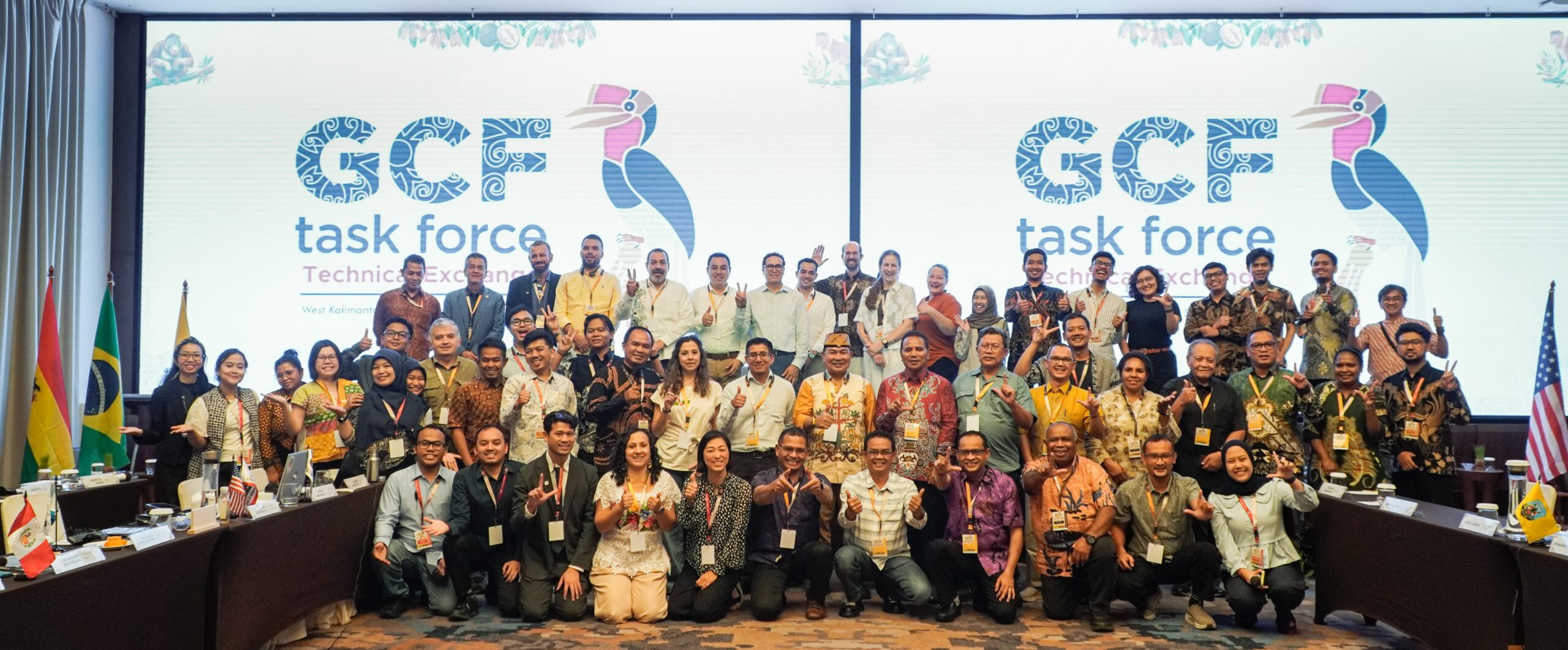
Facing climate disasters, the GCF Task Force is putting the network theory of governance into practice.
I don’t need to tell you that the last several months have seen an increasing number of climate-related disasters, including severe heatwaves throughout Europe and droughts that are impacting water supply and reducing ship passages through the Panama Canal. This year’s super El Niño has exacerbated the ongoing fires across Indonesian Borneo. It is projected …
Continue reading “By Our Powers Combined, We Are Captain Planet”
CONTINUE READINGMontana’s Human Experiment with Untested Drugs

The state has decided to allow experimental drugs to be used on anyone who can pay for them.
Montana has opened a channel for drugs to be sold without the normal requirements of testing for effectiveness and side effects.
CONTINUE READINGThe EPA Power Plant Rule Repeal Don’t Make No Sense

The Drain is a roundup of environmental and climate news from Legal Planet.
The hair-on-fire news this week was the Environmental Protection Agency announcing that it is repealing rules that limit planet-warming greenhouse gas emissions from power plants fueled by coal and fossil gas. I saw the headline (“EPA Poised to Repeal Carbon Rules for Coal, Gas Power Plants“) on Sunday evening, when Zahra Hirji, Jen Dlouhy, and …
Continue reading “The EPA Power Plant Rule Repeal Don’t Make No Sense “
CONTINUE READINGThe Legal Planet Guide to Suncor Energy v. County Commissioners of Boulder County
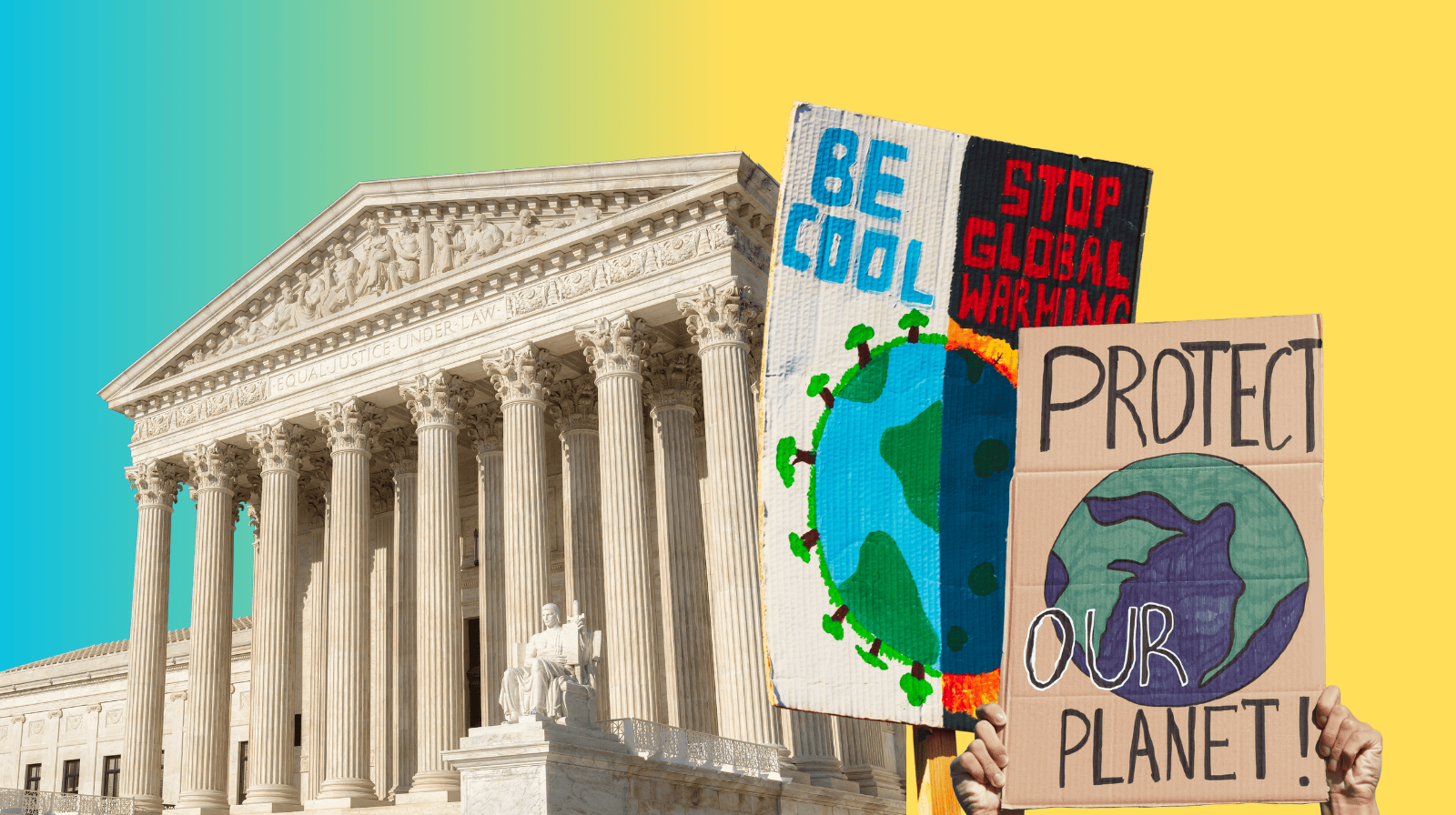
UCLA Law experts explain everything you need to know about Suncor v. Boulder as the climate case heads to the U.S. Supreme Court.
LAST UPDATED SEPT. 28 The Supreme Court hears oral arguments on October 5, 2026 in Suncor Energy v. County Commissioners of Boulder County. The plaintiffs in this case are local governmental entities in the State of Colorado that face substantial and rising costs to mitigate the impacts of climate change in the form of heat …
Continue reading “The Legal Planet Guide to Suncor Energy v. County Commissioners of Boulder County”
CONTINUE READINGThe Attack on California’s Coast Puts Us in Uncharted Waters

The Drain is a roundup of environmental and climate news from Legal Planet.
California’s coast faces danger from which of these threats: a) Increasingly likely Super El Niño b) Super king tides c) Rising sea levels d) The Trump Administration e) All of the above If you answered “e,” congratulations. California is staring down a rare convergence of El Niño, climate-fueled sea level rise, and big waves that …
Continue reading “The Attack on California’s Coast Puts Us in Uncharted Waters”
CONTINUE READINGUCLA Law Clinic Files Brief Supporting DC’s Clean Buildings Act in DC Circuit
Energy law experts explain local governments’ longstanding primary authority over local gas distribution and use.
Last Friday, UCLA’s Frank G. Wells Environmental Law Clinic filed a DC Circuit brief in support of the District of Columbia’s Clean Buildings Act on behalf of 11 leading energy and environmental law professors: UCLA’s own William Boyd, Lincoln Davies at the University of Utah, Dan Farber and Sharon Jacobs at UC Berkeley, Alexandra Klass …
Continue reading “UCLA Law Clinic Files Brief Supporting DC’s Clean Buildings Act in DC Circuit”
CONTINUE READINGRenewable Energy Policy After the Federal Retreat

Which states are stepping up to fill the void?
With little resistance from Congress, the Trump administration is doing what it can to discourage the further development of renewable energy resources, showing a special lack of affection towards solar and wind. Through various executive orders and through direct payouts to some potential developers, the administration has worked to block and reverse permits on federal …
Continue reading “Renewable Energy Policy After the Federal Retreat”
CONTINUE READINGShould we be data center YIMBYs?
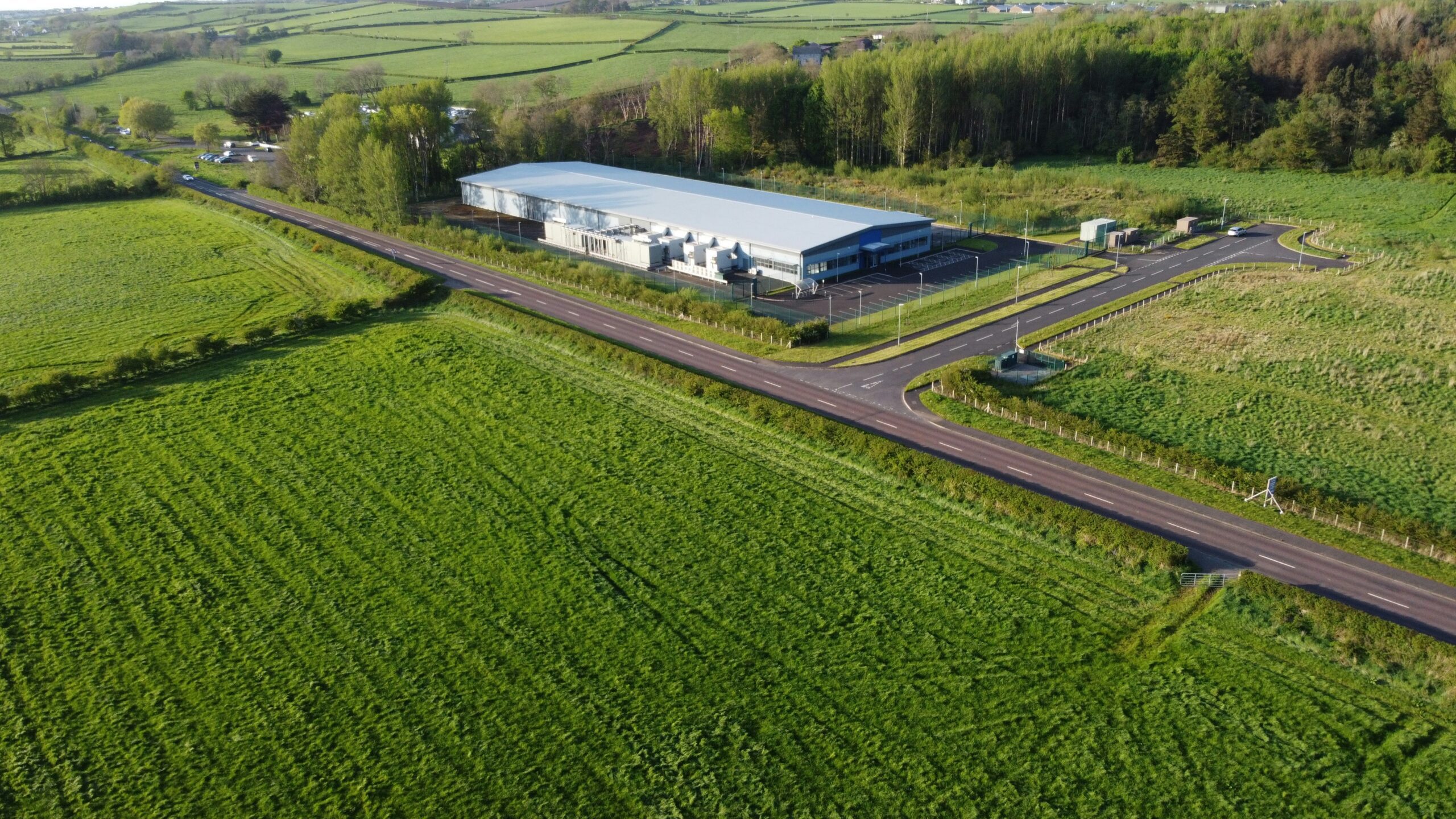
Photo by Geoffrey Moffett on Unsplash
Nobody likes data centers. Still, banning them in blue states alone may be a bad idea.
Monterey Park is not often called the New York of California, but the city resembles New York—the state, that is—in one big way: Both have passed moratoria on data center development. When Monterey Park passed its ban in 2025, it was the first municipality in California to do so. Nationwide, however, hundreds of localities have …
Continue reading “Should we be data center YIMBYs?”
CONTINUE READING86ing Natural Gas in New Buildings

A new Second Circuit opinions empowers bans on fossil fuels in new buildings.
Three years ago, the Ninth Circuit struck down a Berkeley ordinance banning natural gas hookups for new buildings. The court said that the ordinance was preempted by a federal law regulating appliance efficiency. The Second Circuit has now reached the opposite conclusion about an NYC ordinance that basically bans fossil fuels in new buildings. The Second Circuit opinion zoomed in on the language of the federal law, which seems more in line with Supreme Court’s current approach to statutory interpretation.
CONTINUE READINGPlug-In Solar Bills are Taking State Legislatures By Storm

Chances are your state legislature is considering a bill to authorize plug-in solar panels for your balcony or backyard.
It’s worth taking notice when any clean energy legislation is passing with bipartisan support in all kinds of states. Bills on balcony solar, also called plug-in solar, have been signed or moved forward in so many states around the country that it’s probably easier to name the 16 or 17 states that are NOT working …
Continue reading “Plug-In Solar Bills are Taking State Legislatures By Storm”
CONTINUE READINGJoin Our Mailing List
Climate policy is changing rapidly. Stay in the loop with expert analysis via email Monday - Friday.

The Drain is a roundup of climate and environmental news from Legal Planet delivered to your Inbox once a week.