
























































States
Should we be data center YIMBYs?
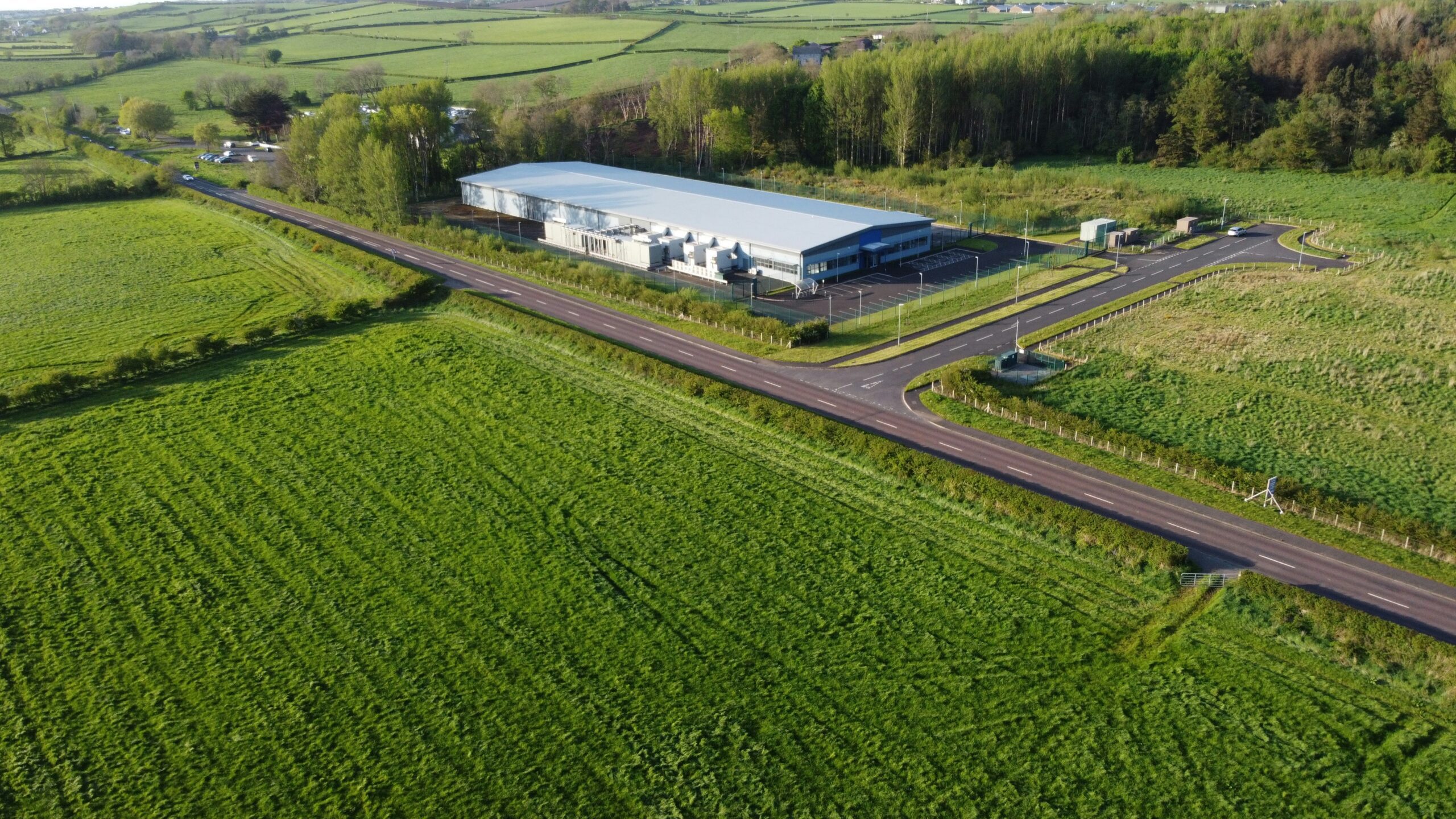
Photo by Geoffrey Moffett on Unsplash
Nobody likes data centers. Still, banning them in blue states alone may be a bad idea.
Monterey Park is not often called the New York of California, but the city resembles New York—the state, that is—in one big way: Both have passed moratoria on data center development. When Monterey Park passed its ban in 2025, it was the first municipality in California to do so. Nationwide, however, hundreds of localities have …
Continue reading “Should we be data center YIMBYs?”
CONTINUE READING86ing Natural Gas in New Buildings

A new Second Circuit opinions empowers bans on fossil fuels in new buildings.
Three years ago, the Ninth Circuit struck down a Berkeley ordinance banning natural gas hookups for new buildings. The court said that the ordinance was preempted by a federal law regulating appliance efficiency. The Second Circuit has now reached the opposite conclusion about an NYC ordinance that basically bans fossil fuels in new buildings. The Second Circuit opinion zoomed in on the language of the federal law, which seems more in line with Supreme Court’s current approach to statutory interpretation.
CONTINUE READINGPlug-In Solar Bills are Taking State Legislatures By Storm

Chances are your state legislature is considering a bill to authorize plug-in solar panels for your balcony or backyard.
It’s worth taking notice when any clean energy legislation is passing with bipartisan support in all kinds of states. Bills on balcony solar, also called plug-in solar, have been signed or moved forward in so many states around the country that it’s probably easier to name the 16 or 17 states that are NOT working …
Continue reading “Plug-In Solar Bills are Taking State Legislatures By Storm”
CONTINUE READINGOne Big Loser in the California Primary is Already Clear

The Drain is a weekly roundup of environmental and climate news from Legal Planet.
The stakes are high for climate and energy policy in California’s primary election. In the gubernatorial race, we’ll either get a real runoff between a billionaire climate progressive and a moderate Democrat with big corporate backing OR, more likely, we’ll get to watch that moderate Dem do a cake walk against a Republican. The governor’s …
Continue reading “One Big Loser in the California Primary is Already Clear”
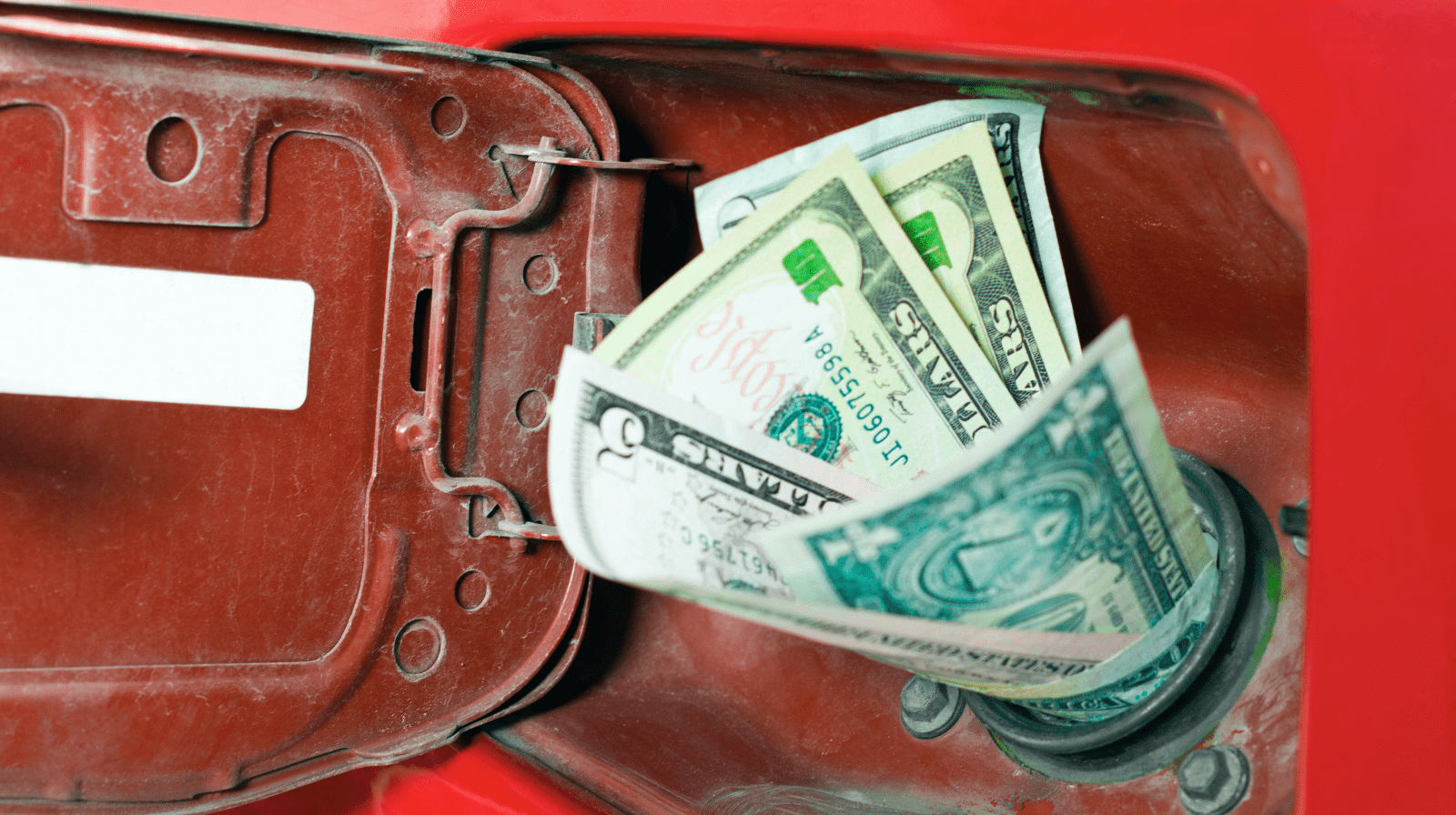
CONTINUE READINGHate the Gas Tax? Get to Know the Road Usage Charge
The Drain is a weekly roundup of environmental and climate news from Legal Planet.
We Californians glide on a network of more than 394,000 miles of roadway, which includes 51,000 miles of state highways, and 25,737 bridges. Our state highway system is one of the largest in the country and requires serious maintenance. Whether you usually travel by gas-powered car, EV, public transit, bicycle or on a sidewalk, you …
Continue reading “Hate the Gas Tax? Get to Know the Road Usage Charge”
CONTINUE READINGProtecting Consumers in the Electric Vehicle Transition

Paul Hanaoka via Unsplash
UC Berkeley paper highlights opportunities for California to strengthen consumer protections in the EV transition.
Guest contributor Jackie Dall is a UC Berkeley School of Law student (J.D. Candidate, ’27) Personal vehicles are one of the most significant financial commitments American households make, providing mobility and access to economic opportunity in most communities. The electric vehicle (EV) transition is underway and has the potential to directly impact consumers through the entire …
Continue reading “Protecting Consumers in the Electric Vehicle Transition”
CONTINUE READINGThe Other Half of Climate: Policy, Capital, and the Race to Scale Superpollutant Solutions

Learn how California is using satellite data to pull the emergency brake on global warming.
Methane and other short-lived climate pollutants (SLCPs) are responsible for nearly half of today’s net global warming. Because they exit the atmosphere quickly, reducing them can serve as an ‘emergency brake’ on rising temperatures. At the San Francisco Climate Week, UC Berkeley’s Center for Law, Energy and the Environment (CLEE) and the Institute for Governance …
CONTINUE READINGTrump’s FEMA Review
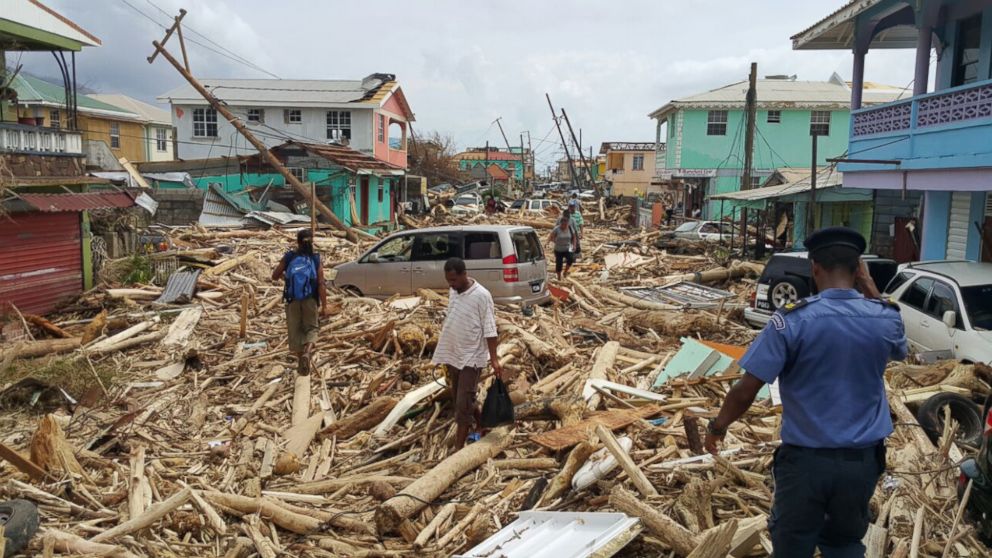
Trump’s FEMA Council has reported back. Its basic strategy is flawed.
After much delay, Trump’s FEMA Council has reported back. While the report has some good ideas, much of it resolves around the same strategy: move current problems from the federal government to the states rather than fixing them. Moving responsibilities around doesn’t make them go away. And the reality is that many states will be unable to manage these tasks efficiently. They also lack the federal government’s capacity and economies of scale. And while the federal government will do less itself, it will become more intrusive on state operations, so there’s no clear gain in terms of federalism.
CONTINUE READINGClimate Journalism is “Breaking but Not Broken”

The Drain is a weekly roundup of environmental and climate news from Legal Planet.
The 2026 Pulitzer Prize announcements happened this week and environmental reporting was in the mix though not central enough if you ask me. Here’s where it shined: The Breaking News Reporting category was dominated by journalism covering climate-fueled extreme weather. Finalists included staff of the Seattle Times for more than 100 stories covering catastrophic …
Continue reading “Climate Journalism is “Breaking but Not Broken” “
CONTINUE READINGAn Encouraging Signal About Federal Preemption
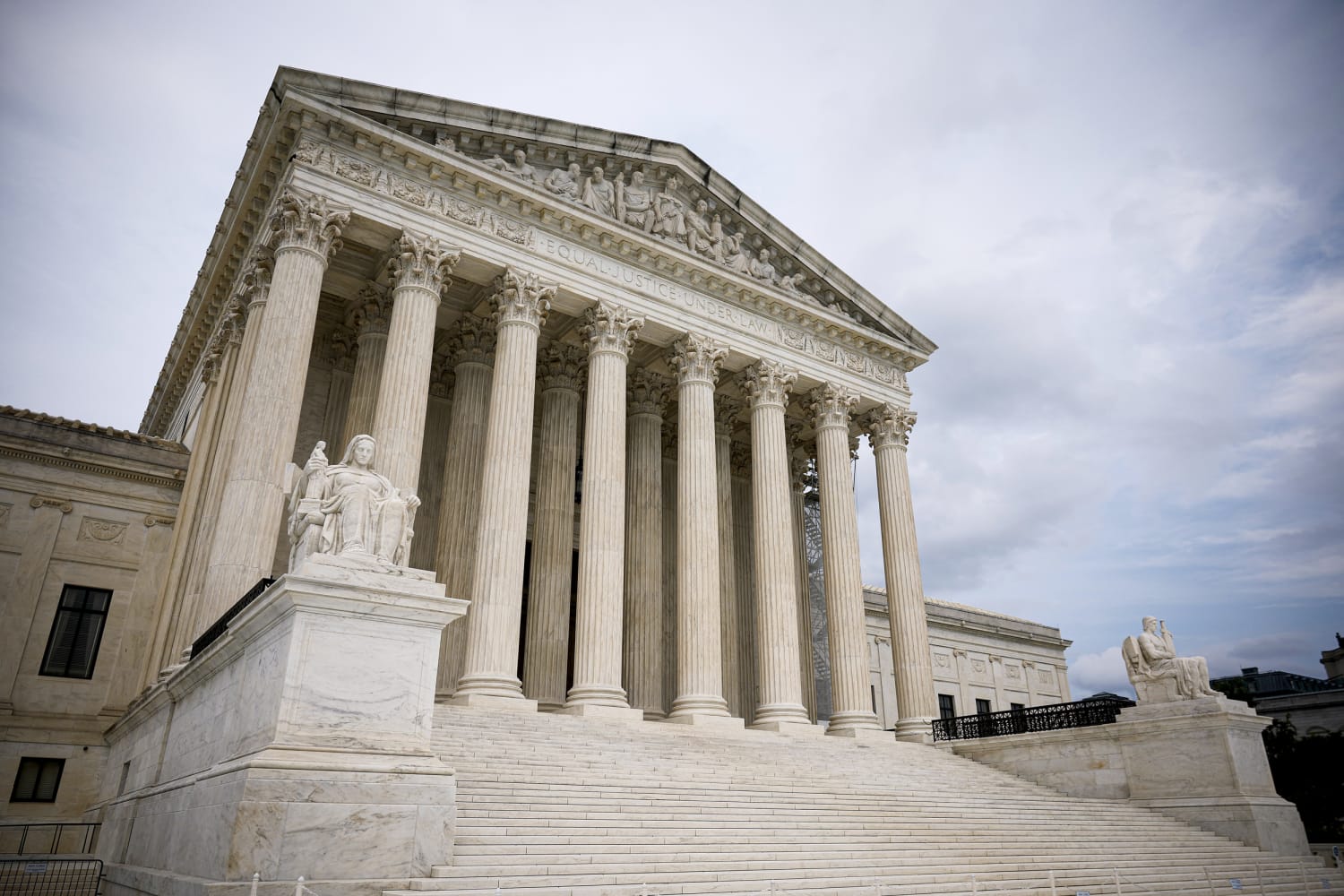
A new Supreme Court ruling should help states defend their climate laws.
The Trump Administration and its allies are attacking state climate laws with challenges based on preemption, arguing that federal law trumps state powers. A new Supreme Court ruling signals that the Court respects state prerogatives and isn’t willing to find preemption without a clear basis in a federal statute. Although the facts of the case are remote from environmental law, the Court’s attitude toward preemption has broader relevance.
CONTINUE READINGJoin Our Mailing List
Climate policy is changing rapidly. Stay in the loop with expert analysis via email Monday - Friday.

The Drain is a roundup of climate and environmental news from Legal Planet delivered to your Inbox once a week.