

























































Water
Blue Leaders in Red States
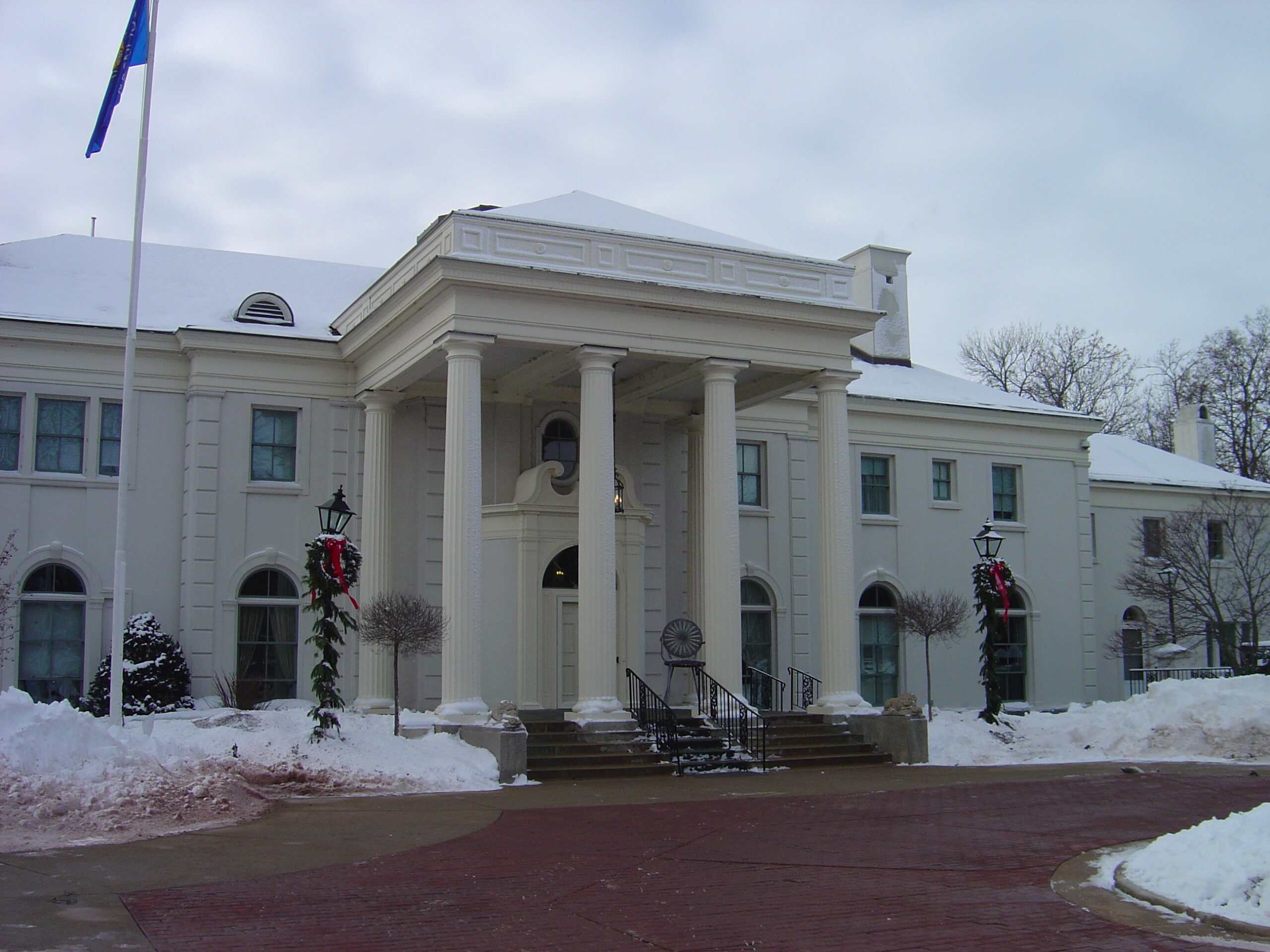
What can we expect if Dems flip the governorships in red states?
Right now, the Democrats have 50/50 odds in Georgia and Ohio, and maybe better than 50/50 in Alaska and Iowa. Governors are only one branch of state government, which obviously limits their sway. Still, like Presidents, they have some real maneuvering room. To get some sense of the possibilities, I took a look at five states with Republican legislatures and Democratic governors.
CONTINUE READINGUnpacking the Senate Permitting Reform Bill: CWA
Clean Water Act provisions have largest impacts on Section 404 permitting, and some on Section 401 certification
This post continues my review of the provisions of the Senate Permitting Reform Bill, focusing on the Clean Water Act provisions in Title II. My introduction to the coverage of the bill is here. My discussion of Title I, covering NEPA is here (for remedies) and here (everything else). Water Quality Criteria: Section 1201 requires …
Continue reading “Unpacking the Senate Permitting Reform Bill: CWA”
CONTINUE READINGA quick overview of the Senate permitting reform bill
Senate bill has major changes for NEPA, some changes for Clean Water Act
The bipartisan permitting reform bill – at least the Senate version – is out. You can see it here. My initial take on the bill is below, and I hope to do some more detailed examination of specific provisions soon. My focus will be on the environmental law side, not the transmission side, since that …
Continue reading “A quick overview of the Senate permitting reform bill”
CONTINUE READINGTroubled Waters
We’re seeing increasing signs of a malfunctioning US water system.
Water problems are popping up all over. Literally so, in at least one case. In the Permian basin, geysers of toxic wastewater are erupting. The water was pumped underground as part of the basin’s massive fracking operations. Fracking produces five or six barrels of wastewater for every barrel of oil. High pressure underground is pushing wastewater into oil and gas basins as well as threatening drinking water aquifers. We’ve been taking our ability to obtain water and manage discharges for granted, just as we tend to take plumbing for granted except when it starts leaking or breaking down. It appears that our neglect is beginning to catch up with us.
CONTINUE READINGWhat the Disappearing Danube Could Tell Us About the Colorado

Today’s drought may not be the worst-case scenario for the Colorado
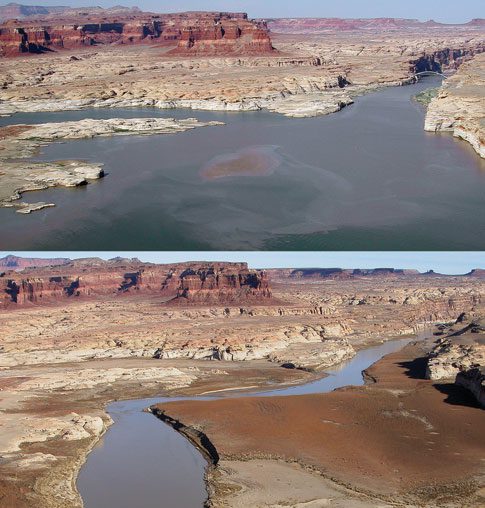
What’s happened to the Danube is a scary reminder that what we’re seeing today on the Colorado isn’t necessarily the worst case. The situation on the Danube is truly dire. The “Blue Danube” memorialized by the Strauss waltz is now only nine inches deep in Budapest. Cargo ships have come to a halt. Nuclear reactors have shut down for lack of cooling water. Meanwhile, the Colorado is suffering from the worst drought in at least 1200 years, raising fears about the fate of its shrinking reservoirs. And things could get worse.
CONTINUE READINGCan We Avoid Another Day Zero?
From Texas to the Global South, Local Governments Need New Tools To Protect Their Water
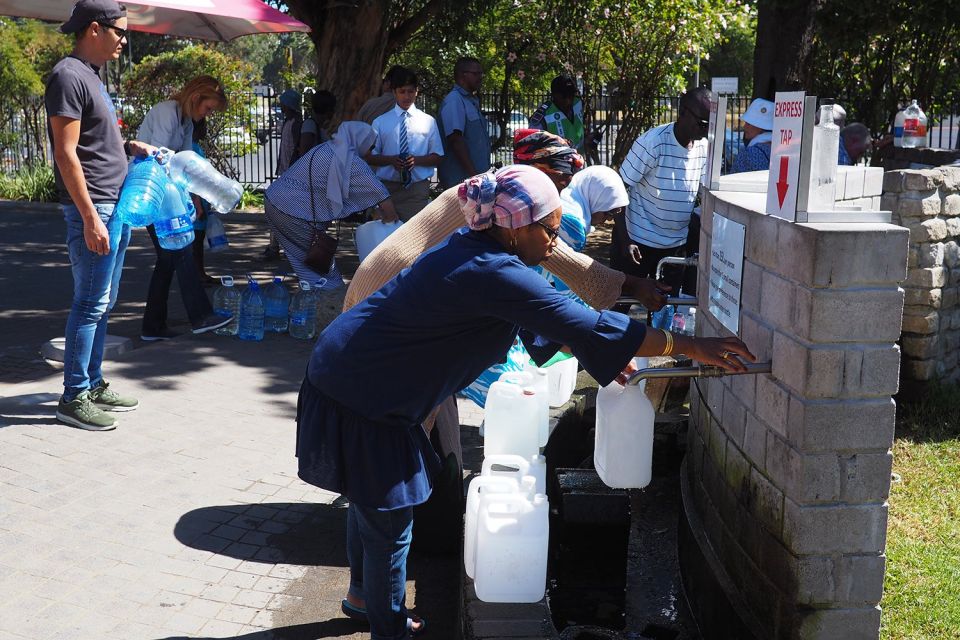
You might recall “Day Zero,” when in 2018, the City of Cape Town came perilously close to running out of water entirely. Only severe rationing and a good rainy season saved the Mother City. Now it looks like Corpus Christi Texas might be the next victim. Two years ago, I received a Fulbright Scholarship to …
Continue reading “Can We Avoid Another Day Zero?”
CONTINUE READINGThe Future of the Colorado

There’s not enough water to go around, but there’s no agreement about what to do.
The Colorado River provides water to 40 million people and about 5.5 million acres of irrigated farmland. There’s only so much water to go around, so how to divide up the water has been hotly disputed for over a century. The previous agreement has come unstuck, but finding a replacement has proved devilishly difficult. I suspect that the Feds would rather avoid this political hot-potato through a state agreement. So far, however, state negotiations haven’t been successful. Maybe the impending threat of a federal mandate will light a fire under the negotiations. Otherwise, we are probably guaranteed years of litigation while the river runs dry.
CONTINUE READINGClimate Issues in the 2026 Governor’s Race: Water

Third in a series of posts outlining key challenges and opportunities facing California’s next governor
California’s next Governor will need to grapple with a complex array of local, state, and regional water issues. Climate change, shifting population dynamics, and a changing economy are stressing California’s water systems and intensifying conflict over water resources. Floods and droughts are becoming more frequent and more severe. And there are no major new sources …
Continue reading “Climate Issues in the 2026 Governor’s Race: Water”
CONTINUE READINGStuck in the swamp?
Proposed Trump revisions to the definition of “waters of the United States” would reduce wetlands protections, but may (mostly) be required by the Supreme Court.
The Trump Administration has a proposed rule revising the definition of “waters of the United States” for the Clean Water Act (comment period closing on Monday, if you want to get your two cents in). The definition is important (and has been the subject of a lot of litigation) because it defines the scope of …
Continue reading “Stuck in the swamp?”
CONTINUE READINGEveryday Christmas: The Gift of the Commons

Clean air. Clean water. We receive these public goods every day without payment
One of the Christmas classics is the Jimmy Stewart movie, It’s a Wonderful Life. George Bailey, Stewart’s character, is despondent about his life until he learns how much he has unknowingly helped others and how grateful they are. It’s heartwarming, if also a bit corny. There’s a flip side to that story: the need to remember …
Continue reading “Everyday Christmas: The Gift of the Commons”
CONTINUE READINGJoin Our Mailing List
Climate policy is changing rapidly. Stay in the loop with expert analysis via email Monday - Friday.

The Drain is a roundup of climate and environmental news from Legal Planet delivered to your Inbox once a week.