
























































Disasters
El Niño is Coming. Californians Still Need Better Tools to Recover from Disaster.
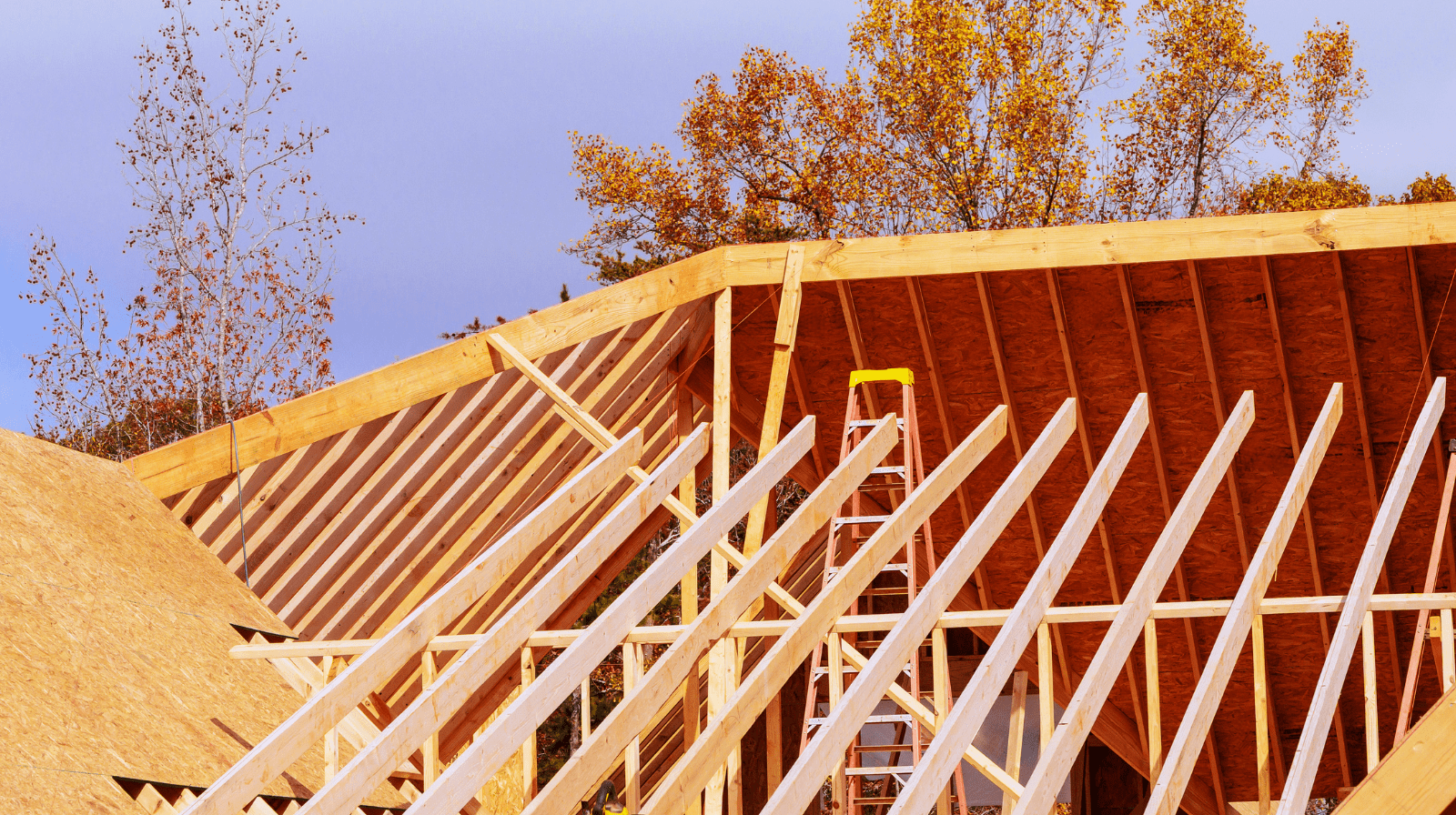
AB 2385 would have helped local governments prepare for disaster recovery, but the bill failed to make it out of the Senate Appropriations Committee.
Last week, AB 2385 (Petrie-Norris) died in the California Senate Appropriations Committee. Its demise is the latest frustration in the long saga to rebuild from the terrible January 2025 Los Angeles fires—and to apply some lessons learned about disaster recovery in the process. I’ve had a front row seat, as both an Angeleno and a …
Continue reading “El Niño is Coming. Californians Still Need Better Tools to Recover from Disaster.”
CONTINUE READINGYou May Have Forgotten About Climate Change. But It Hasn’t Forgotten About You
Denial is a great coping mechanism. Until reality turns around and bites you.
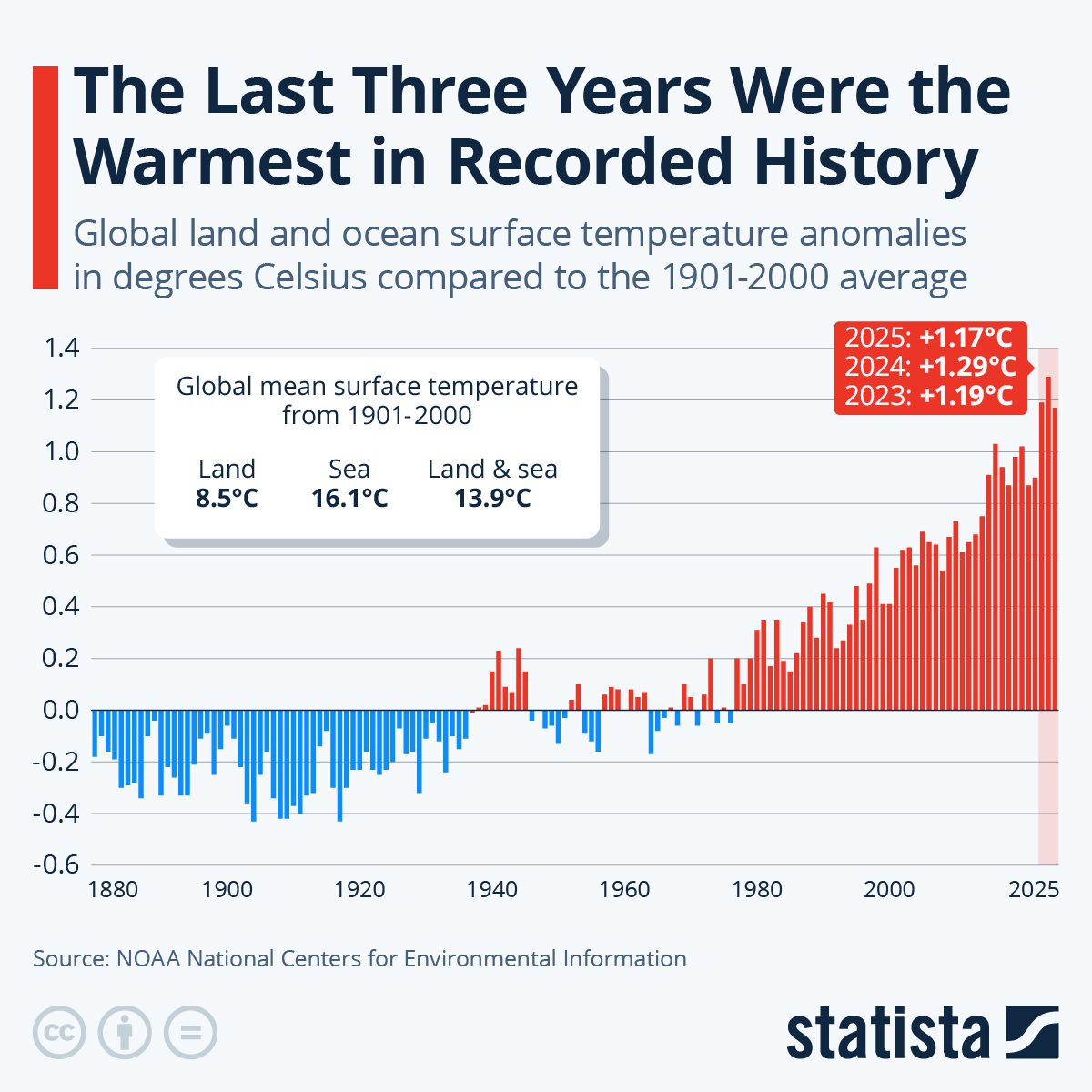
Climate change is, apparently, passé. Democratic politicians are avoiding the topic and dialing back ambitious plans to reduce emissions. The President apparently doesn’t think it exists, and the government’s official position is that its effects are too uncertain to worry about. Denial isn’t the world’s best coping mechanism, but it works, at least temporarily. The problem is that, while sometimes that lump you were worried about does go away, sometimes it keep growing and getting harder to treat. In the end, reality doesn’t much care whether you believe in it.
CONTINUE READING
What the Disappearing Danube Could Tell Us About the Colorado

Today’s drought may not be the worst-case scenario for the Colorado
What’s happened to the Danube is a scary reminder that what we’re seeing today on the Colorado isn’t necessarily the worst case. The situation on the Danube is truly dire. The “Blue Danube” memorialized by the Strauss waltz is now only nine inches deep in Budapest. Cargo ships have come to a halt. Nuclear reactors have shut down for lack of cooling water. Meanwhile, the Colorado is suffering from the worst drought in at least 1200 years, raising fears about the fate of its shrinking reservoirs. And things could get worse.
CONTINUE READINGCanada in Flames

What’s causing the fires? What harm do they do? What should we do?
One of the world’s great disasters is unfolding, as fires have covered millions of acres in Canada, destroying pristine ecosystems and poisoning the air for millions of people. Something like seven million acres have already burned. The U.S. government’s response is to threaten Canada with tariffs, apparently as punishment for allegedly having poorly managed its forests. Instead, we should be partnering with Canada on forest management, and we should cut the greenhouse gas emissions that are ramping up the fire risk.
CONTINUE READINGCan We Avoid Another Day Zero?
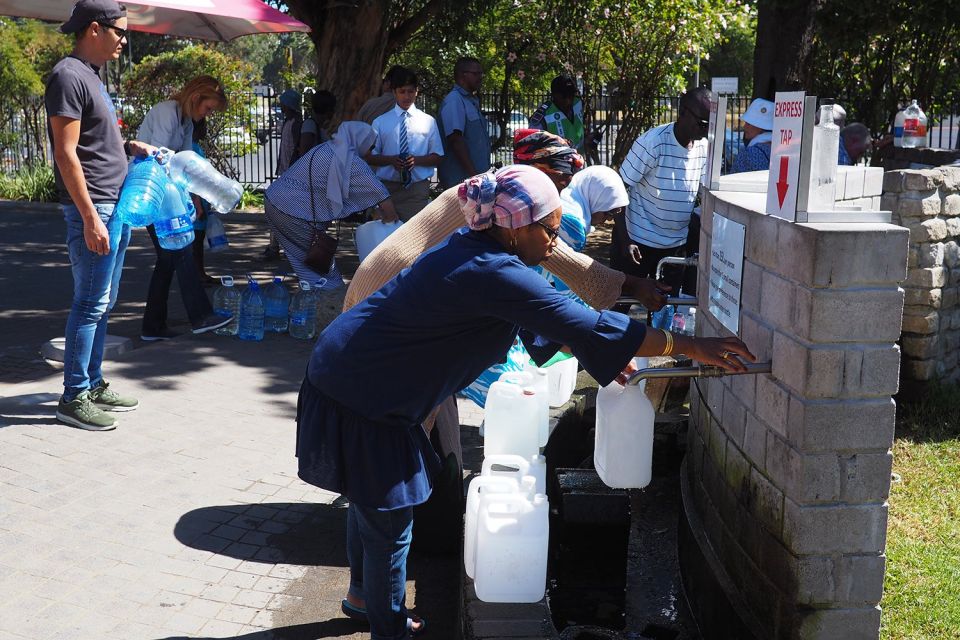
From Texas to the Global South, Local Governments Need New Tools To Protect Their Water
You might recall “Day Zero,” when in 2018, the City of Cape Town came perilously close to running out of water entirely. Only severe rationing and a good rainy season saved the Mother City. Now it looks like Corpus Christi Texas might be the next victim. Two years ago, I received a Fulbright Scholarship to …
Continue reading “Can We Avoid Another Day Zero?”
CONTINUE READINGTrump’s FEMA Review
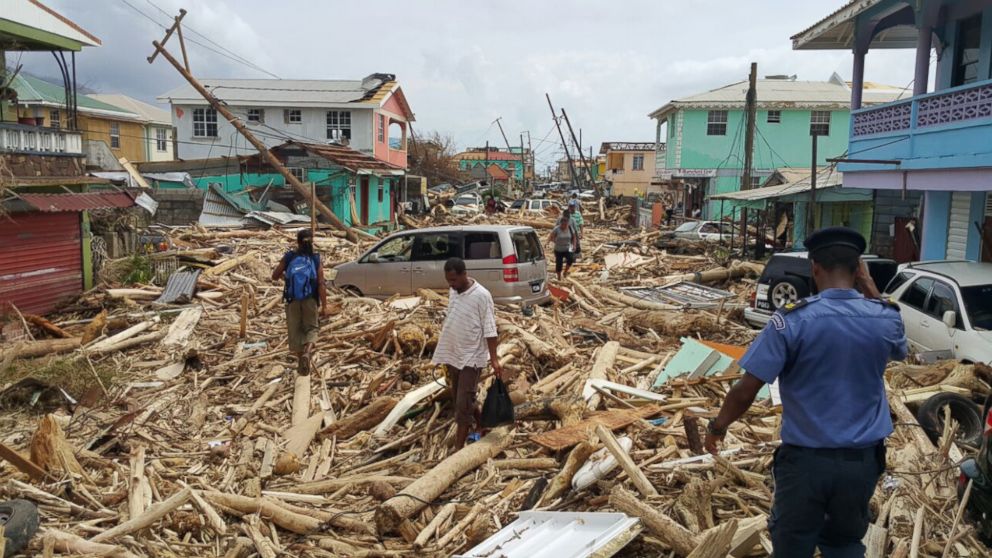
Trump’s FEMA Council has reported back. Its basic strategy is flawed.
After much delay, Trump’s FEMA Council has reported back. While the report has some good ideas, much of it resolves around the same strategy: move current problems from the federal government to the states rather than fixing them. Moving responsibilities around doesn’t make them go away. And the reality is that many states will be unable to manage these tasks efficiently. They also lack the federal government’s capacity and economies of scale. And while the federal government will do less itself, it will become more intrusive on state operations, so there’s no clear gain in terms of federalism.
CONTINUE READINGBig Oil Could Pay for Climate-Fueled Insurance Hikes
The Drain is a weekly roundup of environmental and climate news from Legal Planet.
There are several ways to try to make polluters pay. California is considering a new one — empower the state Attorney General to sue oil and gas companies to recover costs on behalf of Californians specifically related to the housing insurance market. Survivors, taxpayers and policyholders — whose rates are skyrocketing as a result of …
Continue reading “Big Oil Could Pay for Climate-Fueled Insurance Hikes”
CONTINUE READINGNever Give Up! Every Ton of Carbon We Can Cut Still Matters
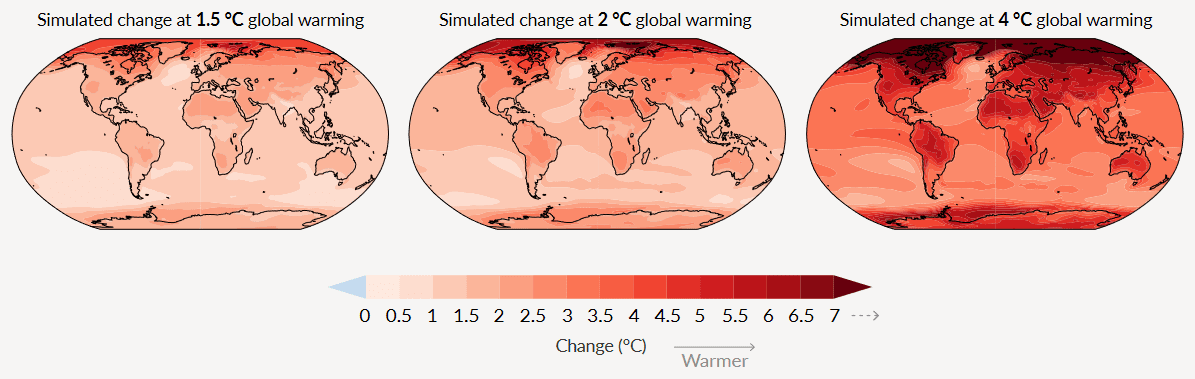
It’s easy to be disheartened when we miss climate targets. But climate change isn’t a yes/no thing. It’s a matter of degree.
It’s easy to lose heart about our prospects for limiting climate change. The US has pulled out of international climate negotiations. Most of the countries that joined the Paris Agreement have missed targets , targets that weren’t aggressive enough in the first place. The 1.5 °C target is already basically out of reach. Is time to give up on slowing climate change and focus on adapting to it? The answer is no. Here’s why.
Climate change is a matter of degrees. That sounds like a truism or a pun, but it’s true in a deeper sense. There is no point past which further warming becomes irrelevant. degree, and every fraction of a degree makes things that much worse.
What Does Wildfire Resilience Cost?
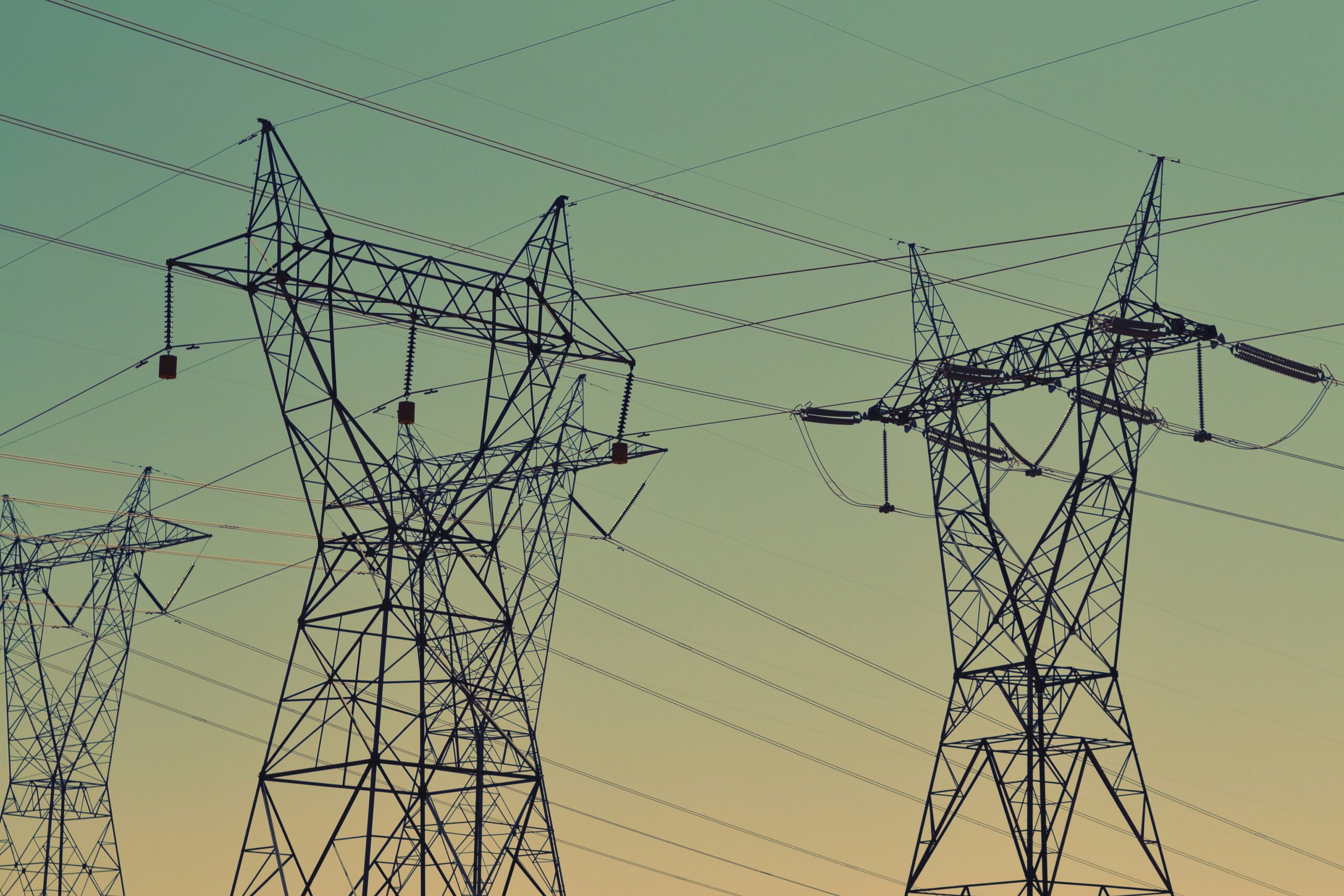
A new UCLA Law report focuses on wildfire liability costs and wildfire mitigation costs in the transmission context.
When it comes to updating transmission lines and other wildfire-related costs, how much of the burden should fall on utility ratepayers? That’s one of the questions at the heart of a new report published by the UCLA Emmett Institute. First, some context: California saw its hottest temperatures ever recorded in March this year. With a hotter climate come more frequent and …
Continue reading “What Does Wildfire Resilience Cost?”
CONTINUE READINGJoin Our Mailing List
Climate policy is changing rapidly. Stay in the loop with expert analysis via email Monday - Friday.

The Drain is a roundup of climate and environmental news from Legal Planet delivered to your Inbox once a week.