












































The Other, Better COP31
Why (valid) critiques of UN climate conferences miss half the story
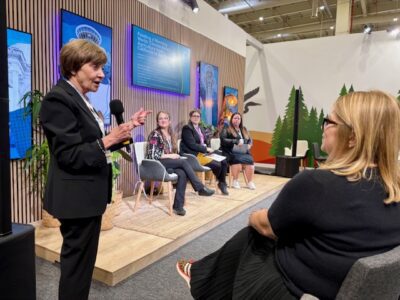
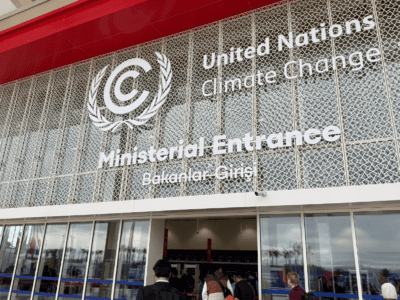
Greetings from Antalya, Türkiye, where I’m participating in COP31, the yearly gathering of parties to the UN Framework Convention on Climate Change. These annual conferences of the parties, or COPs, bring together government negotiators from countries around the world to advance priorities under the UNFCCC and its subsidiary agreements, the Kyoto Protocol and the Paris Agreement. You may have seen some scathing critiques of COP31 in the press—including remarks from Greta Thunberg, who pilloried the gatherings as full of “hypocrisy” and as opportunities for countries to “whitewash themselves.” These critiques are fair and, in fact, are inevitable given the plain failures of the UNFCCC process to deliver emission reductions over its 30+ years. But I think they miss something important.
First, the obvious shortfalls of COP: It is beyond dispute that international environmental law instruments and actors are flailing in reaching their goals through UNFCCC mechanisms. Emissions are rising, not falling. Last month, the UN released a report showing that the world will miss its Paris Agreement goal of keeping warming to within 1.5 degrees above pre-industrial levels. This COP is widely being called the “implementation COP,” which is itself an implicit acknowledgment that prior COPs have not led to adoption of solutions. These failures have many causes, but sclerotic UNFCCC processes have not helped. Too often, diplomatic efforts at these meetings are formalistic, procedural, focused on items of seemingly miniscule importance, and disconnected from the way progress is made in the real world.
But there’s another, better COP also underway in Antalya. Whereas critiques focus on failures of formal party negotiations, such negotiations sit alongside a larger, much more vibrant and, in my view, more productive set of activities that make these gatherings worthwhile. Call this the “Side Event COP,” the place where I spend nearly all of my time and energy. The Side Event COP is made up of scientists, farmers, artists, indigenous people, students, nonprofit advocates, researchers, funders, storytellers, non-federal government officials, and more, gathered from every corner of the Earth. My guess is that most of the more than 90,000 credentialed participants at COP31 are here for Side Event COP. We come not to wrangle over formal decision text, but to meet each other, share ideas, get inspired, plot our next steps, coordinate, and work toward the kinds of implementation that “Diplomat COP” aspires to prompt.
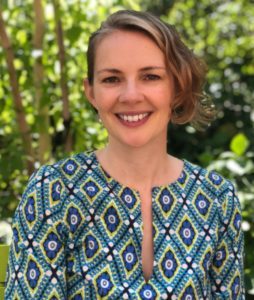
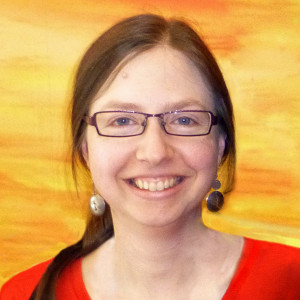
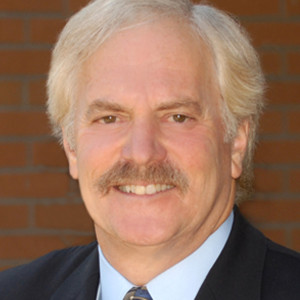
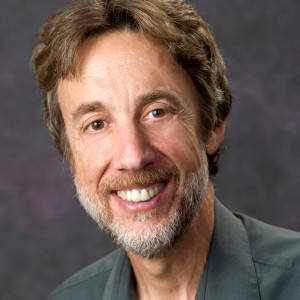
There’s an energy created when smart people come together to learn from each other with the goal of solving a shared problem, free to be creative in structuring their discussions and open to serendipitous encounters. I chatted yesterday with Lynda Hopkins, a farmer and local government leader from Sonoma, California, where she serves as a County Supervisor and on the local and state air regulatory boards. Lynda told me what a thrill it has been to meet municipal officials from places as diverse and far flung as Boulder, Colorado and Brazil at meetings like these through the years to compare notes—often discovering, and benefiting from, commonalities in the challenges they face and opportunities to overcome those challenges. Similarly, Habiba Daggash of Nigeria, who works on methane reduction across Africa, told me that she comes to COP because it’s the best place to meet and collaborate directly with a broad range of critically important partners and stakeholders. My UCLA colleague Nico Esguerra, who researches (among other things) governance of carbon dioxide removal, met a California lobbyist thinking about introducing a bill on CDR next session, and they exchanged contact info so that Nico can help inform her efforts—all while standing in line waiting for Turkish dumplings. I could go on.
Side Event COP also allows one to immerse oneself in any micro-issue related to climate that one can imagine. Interested in soil health and climate change, as one of my former UCLA students was? Come to COP and learn more about it in three days than you thought was possible, while meeting and sharing coffee with the world’s leading experts. Are you focused on reducing methane emissions from landfills, as my UCLA team and I are this week? I’ve attended a global high-level dialogue on methane emissions from the waste sector; a panel on climate benefits of circular food systems; and sessions on using satellites to track emissions and on climate-smart solutions for residual waste. And I barely scratched the surface of what’s available here.
All of this activity feels vibrant, dynamic, fruitful, and—in a word not often associated with climate talks—hopeful. Notably, I acknowledge that Side Event COP couldn’t and wouldn’t exist without Diplomat COP. Side event COP is one embodiment of what academics sometimes call the “epistemic community” that has grown up alongside annual diplomatic meetings. We are free riding on the enormous efforts put forth by the UNFCCC secretariat and host countries to facilitate events at this scale. It’s true that formal negotiations are at the heart of COP and the reason for its existence. But it’s the ancillary activity that can serve, at least in some years, as COP’s best justification.
About Cara

Cara Horowitz is the executive director of the Emmett Institute on Climate Change and the Environment at UCLA School of Law. The Emmett Institute was founded as the firs…
READ more
Reader Comments