




























































The Path to Abundance, Part IV
Abundance reforms may not produce immediate political benefits, and may see significant backlash
This is the fourth post in a series of six posts. The first post is here. The second post is here. The third post is here. As I discussed in my last blog post, abundance policy reforms will necessarily require tradeoffs, which leads us to politics. Will the political context allow for making decisions about tradeoffs that are necessary to advance an abundance agenda? Some advocates for abundance think so – two leading authors of abundance books argue that...
CONTINUE READINGDemocratic Governors and the A-word

The Drain is a weekly roundup of environmental and climate news from Legal Planet.
The governors and legislative leaders of several blue states on the East Coast are obsessed with the A-word: affordability. So much so that several of them are looking to pull money away from state programs that boost renewable energy and energy efficiency, as a shortcut to try to lower electricity costs. In Maryland, Rhode Island, and Massachusetts, Democrats have taken steps to “cap or reduce funding for energy efficiency programs,” Allison Prang reports for...
CONTINUE READINGThe Path to Abundance, Part III
Abundance reforms will pose difficult tradeoffs, including with environmental goals and public participation
This is the third post in a series of six posts. The first post is here. The second post is here. The reforms that abundance advocates have proposed are varied, in part because they target a wide range of policy areas. I will begin with housing as an example of the reforms being proposed – both because housing is where abundance reforms have made their greatest progress, and is also the area where reforms have been developed to the greatest extent. A range ...
CONTINUE READINGWhat Does Wildfire Resilience Cost?

A new UCLA Law report focuses on wildfire liability costs and wildfire mitigation costs in the transmission context.
When it comes to updating transmission lines and other wildfire-related costs, how much of the burden should fall on utility ratepayers? That’s one of the questions at the heart of a new report published by the UCLA Emmett Institute. First, some context: California saw its hottest temperatures ever recorded in March this year. With a hotter climate come more frequent and intense wildfires, which California saw during the destructive 2025 fire season. In Lo...
CONTINUE READINGDear UNFCCC, Subnational Governments are Key to Protecting Forests

GCF Task Force and Regions4 Submit Comments to COP30 Roadmap on Halting and Reversing Deforestation and Forest Degradation by 2030
Two of the world’s largest subnational governmental networks – the Governors’ Climate and Forests Task Force (GCF Task Force, a project of the Emmett Institute on Climate Change and the Environment at UCLA School of Law), and Regions4 – submitted a comment letter today providing input to the Roadmap on Halting and Reversing Deforestation and Forest Degradation by 2030. This Roadmap, one of the key results of the 30th Conference of the Parties (COP30) to the Unite...
CONTINUE READINGThe Path to Abundance, Part II
Reducing legal and procedural obstacles to development is a necessary, but probably not sufficient, solution
This is the second post in a series of six posts. The first post is here. As I explained in my prior post, the United States (and indeed other countries) has not produced the level of infrastructure for housing or energy required to address housing demand, demand for energy to advance economic development, the needed transition to climate change, or historical inequalities in housing. What diagnosis does the abundance movement have to address those challenges? ...
CONTINUE READINGThe War and the Energy Transition
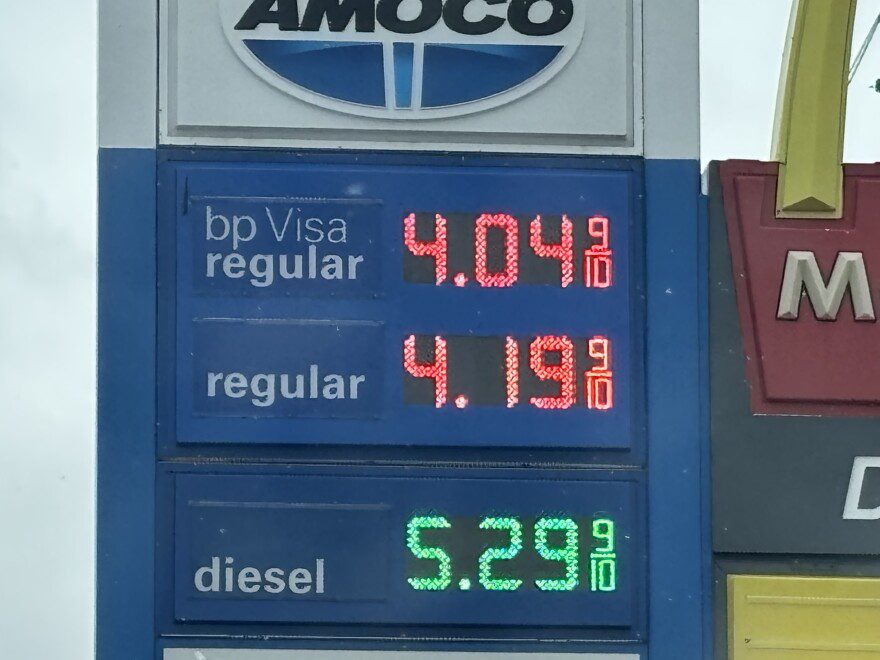
The Iran War it is hitting energy markets hard. Will that affect the energy transition?
The Iran War has been a big shock to the global energy system. It's natural to wonder what the long term will bring. Will it lead to an orgy of oil and gas drilling, or will it speed up the energy transition? There are enormous uncertainties, and making confident predictions would be a clear mistake. In this post, I'll try to unpack some of the issues and offer a semi-educated guess about the answers. My best guess, for whatever it's worth, is that the war will ha...
CONTINUE READINGClimate Issues in the 2026 Governor’s Race: Housing and Climate

Fifth in a series of posts outlining key challenges and opportunities facing California’s next governor.
(This climate issue brief is authored by CLEE’s partners at the Terner Center for Housing Innovation.) California faces complex and integrated challenges of unaffordable housing and climate change. Failure to build adequate housing supply has resulted in high prices that have pushed home buyers and renters to locations that are further from jobs, schools, and services. This results in compounding climate risks - increased emissions from driving, conversion of natu...
CONTINUE READINGThe Path to Abundance, Part I
Exploring the legal, policy, and political challenges for the abundance movement.
The abundance movement is having a moment. Abundance policy reformers call for legal and policy reforms to advance more housing, energy, and other infrastructure. Abundance advocacy has motivated a Yes In My Backyard (YIMBY) movement that has pushed for major changes to local land-use regulation to build more housing in states across the country. One of the most popular non-fiction books in 2025 was titled “Abundance,” authored by two journalists who have led t...
CONTINUE READINGChallenging Hegseth’s National Security Gambit

Hegseth may not have as much power as he thinks to run roughshod over the Endangered Species Act.
In my Monday post, I raised the possibility that the Administration would invoke national security to allow oil companies to push whales, sea turtles, and other species in the Gulf of Mexico toward extinction. That would involve using an obscure provision of the Endangered Species Act (ESA), that’s never been used before. I really hoped I was wrong, but you can usually count on the Trump Administration to pick the most environmentally destructive option. That's wha...
CONTINUE READINGJoin Our Mailing List
Climate policy is changing rapidly. Stay in the loop with expert analysis via email Monday - Friday.