

























































Chevron Doctrine
Interpreting the Clean Air Act After Chevron’s Demise

A recent Ninth Circuit case requires states to do more to achieve clean air goals.
Last week, the Ninth Circuit decided Committee for a Better Arvin v. EPA, which is both a significant air pollution case and an interesting case study in how the Supreme Court has changed judicial review of agency actions. Applying what it considered to be the best interpretation of an ambiguous statute, the Court required tougher air pollution controls for the San Joaquin Valley. The dissent argued that the decision would be a disaster in terms of policy. But is that even relevant under the Loper Bright ruling?
The Color PURPA

A Win for Solar– And a Glimpse of Life After Chevron
The majority in a recent case — an Obama appointeet and a Trump appointee — ruled in favor of renewable energy. Even without Chevron deference, they were able to conclude that the statute favored solar producers. And unlike a win under Chevron, this one can’t be reversed by a more conservative agency — it’s etched in stone.
CONTINUE READINGPrecedent, the Trump Administration, and Endangered Species

A new Trump Administration initiative misinterprets the overruling of Chevron
The Trump Administration’s effort to strip away protections under the Endangered Species Act that had previously been upheld by the Supreme Court. The Administration seems to think they’re entitled to ignore that earlier decision because it was decided under the Chevron test and Chevron has since been overruled. They’re wrong. If it wishes to change the existing interpretation, the agency must give a reasoned argument for doing so that discusses the relevant policy issues, including reliance and the impact of its decision on endangered species.
CONTINUE READINGPlaying fast and loose with reality

How the US Supreme Court’s recent decisions enable greater reliance on “alternative” facts
As the U.S. Supreme Court has moved into an era of second-guessing federal administrative agencies to an extent that we have not seen in 80 years, it has delivered yet another blow to reliance on accurate facts. When I served as an administrative law judge for California’s state utility regulators, my job in each proceeding …
Continue reading “Playing fast and loose with reality”
CONTINUE READINGIs the Sky Falling? Chevron, Loper Bright, and Judicial Deference

Perplexed? Worried? Here’s a guide to a fraught area of law.
If you’re confused about the Supreme Court’s ruling, you’re not alone. Scholars will be discussing the recent ruling for years. It clearly will limit the leeway that agencies have to interpret statutes, meaning less flexibility to deal with new problems. But unlike many commentators, I don’t think the sky is falling. I was teaching environmental …
Continue reading “Is the Sky Falling? Chevron, Loper Bright, and Judicial Deference”
CONTINUE READINGIs Loper v. Raimondo Really the Power Grab Commentators Assume?
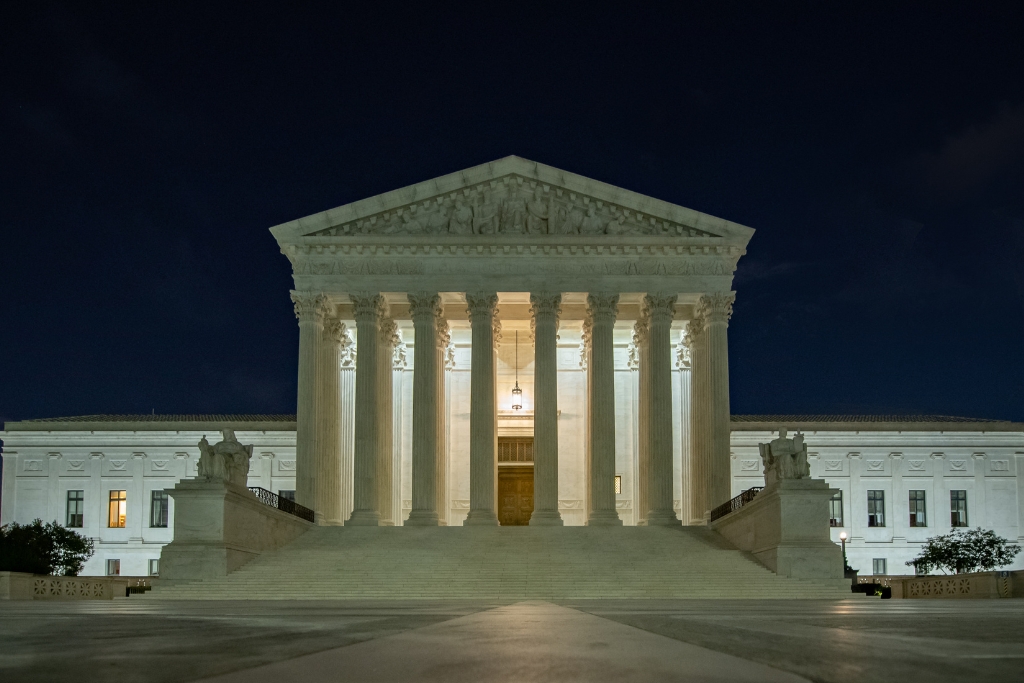
The Supreme Court has already grabbed power from agencies through the major questions doctrine.
Headlines about today’s decision in Loper v Raimondo overturning the 40 year-old decision in Chevron v NRDC that granted agencies deference in their interpretation of ambiguous statutes focus on the “massive power grab,” the decision’s “sweeping” nature and call it a “blow” to the administrative state. My view may be idiosyncratic but I don’t view …
Continue reading “Is Loper v. Raimondo Really the Power Grab Commentators Assume?”
CONTINUE READINGJudicial Deference to Agencies: A Timeline
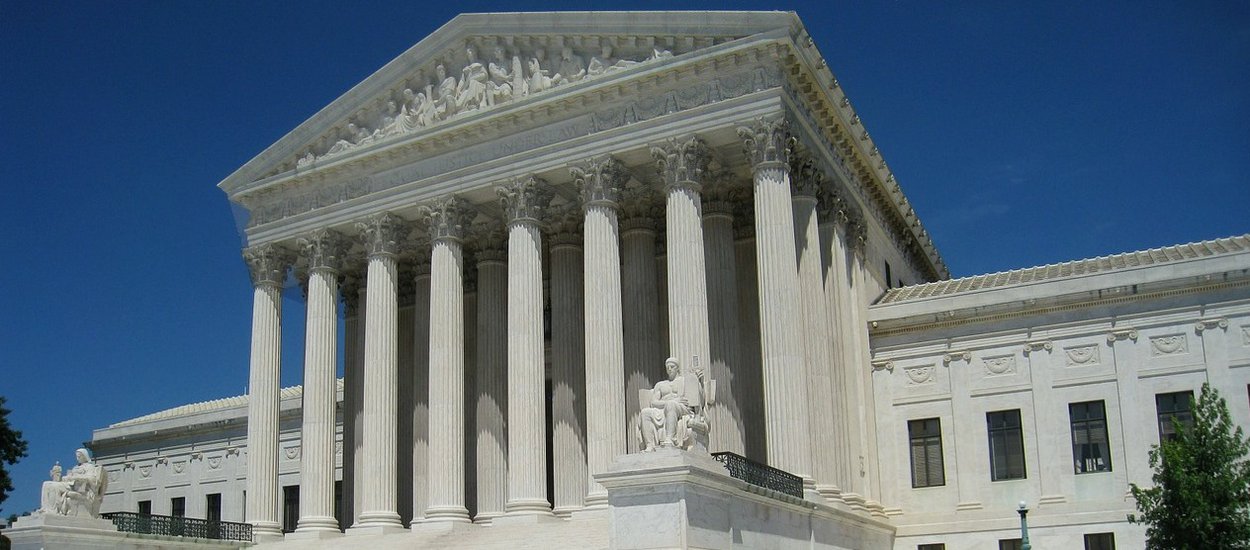
Decisions about judicial deference to agencies on legal issues didn’t begin or end with Chevron.
The Supreme Court is about to make a major decision about the balance of power between courts and agencies like EPA. Here’s what you need to know about the history if the issue to understand what’s going today.
CONTINUE READINGPower Play: The Effects of Overruling Chevron

Who will win and who will lose if Chevron is overruled?
Next week, the Supreme Court will hear oral arguments about whether to overrule the Chevron doctrine. That doctrine allows administrative agencies that implement statutes to resolve ambiguities in those statutes. Overruling the doctrine would shift that power to courts. Institutionally, then, judges would be the big winners, with more sway over how laws are implemented. …
Continue reading “Power Play: The Effects of Overruling Chevron”
CONTINUE READINGThe U.S. Supreme Court & Environmental Law in 2024
Numerous Key Environmental Issues and Doctrines Will Confront the Justices This Year
As we begin 2024, it’s useful to identify and assess the many environmental issues that the U.S. Supreme Court has agreed to decide this year. It seems likely that the conservative majority of the justices will erode or, perhaps, dramatically jettison longstanding principles of environmental law and policy in the coming months. Summarized below are …
Continue reading “The U.S. Supreme Court & Environmental Law in 2024”
CONTINUE READINGMore Thrills and Chills Ahead! What to Expect in 2024

Here are the key events that will shape climate and energy policy.
We will face some important forks in the road in 2024 in terms of environmental law. Here are some of the upcoming forks. Who will be President in 2025? You probably don’t need reminding that 2024 is an election year. At this point, the election seems likely to be a replay of Biden versus Trump. …
Continue reading “More Thrills and Chills Ahead! What to Expect in 2024”
CONTINUE READINGJoin Our Mailing List
Climate policy is changing rapidly. Stay in the loop with expert analysis via email Monday - Friday.

The Drain is a roundup of climate and environmental news from Legal Planet delivered to your Inbox once a week.