
























































Climate Policy
The GCF Task Force Expands at 16th Annual Meeting

Photo by Government of Caquetá, Colombia.
The Governors’ Climate and Forests Task Force has grown from 45 to 54 member jurisdictions to cover even more of the world’s tropical forests.
The world’s largest subnational network dedicated to protecting forests, reducing emissions, and enhancing livelihoods across the tropics just got a lot bigger. Following a vote at our 16th Annual Meeting in Caquetá, Colombia from May 18 – 22, 2026, the Governors’ Climate and Forests Task Force (GCF Task Force) grew from 45 to 54 member …
Continue reading “The GCF Task Force Expands at 16th Annual Meeting”
CONTINUE READINGCommunity Benefits Aren’t Impossible – They Just Take Work
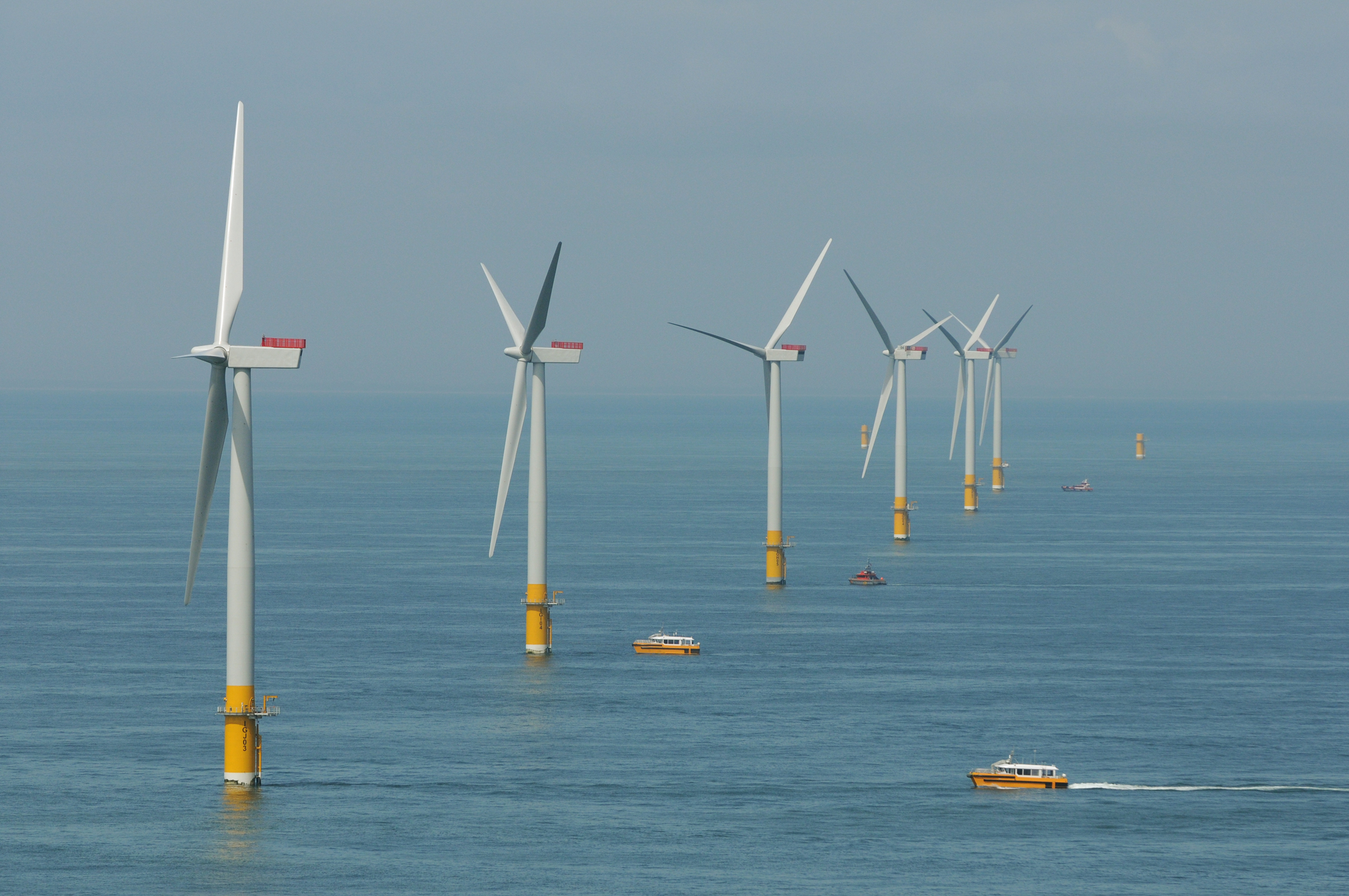
A statewide strategy by the California Coastal Commission and a fisheries working group provides a model for community benefits on infrastructure and other projects
For California is to reach its climate goals, including a target of net zero GHG emissions by 2045, a variety of private- and public-sector approaches are necessary; among them is the construction and permitting of numerous clean energy infrastructure projects, such as offshore wind developments, which will play a key role in balancing the state’s …
Continue reading “Community Benefits Aren’t Impossible – They Just Take Work”
CONTINUE READINGClimate Issues in the 2026 Governor’s Race: Wildfire
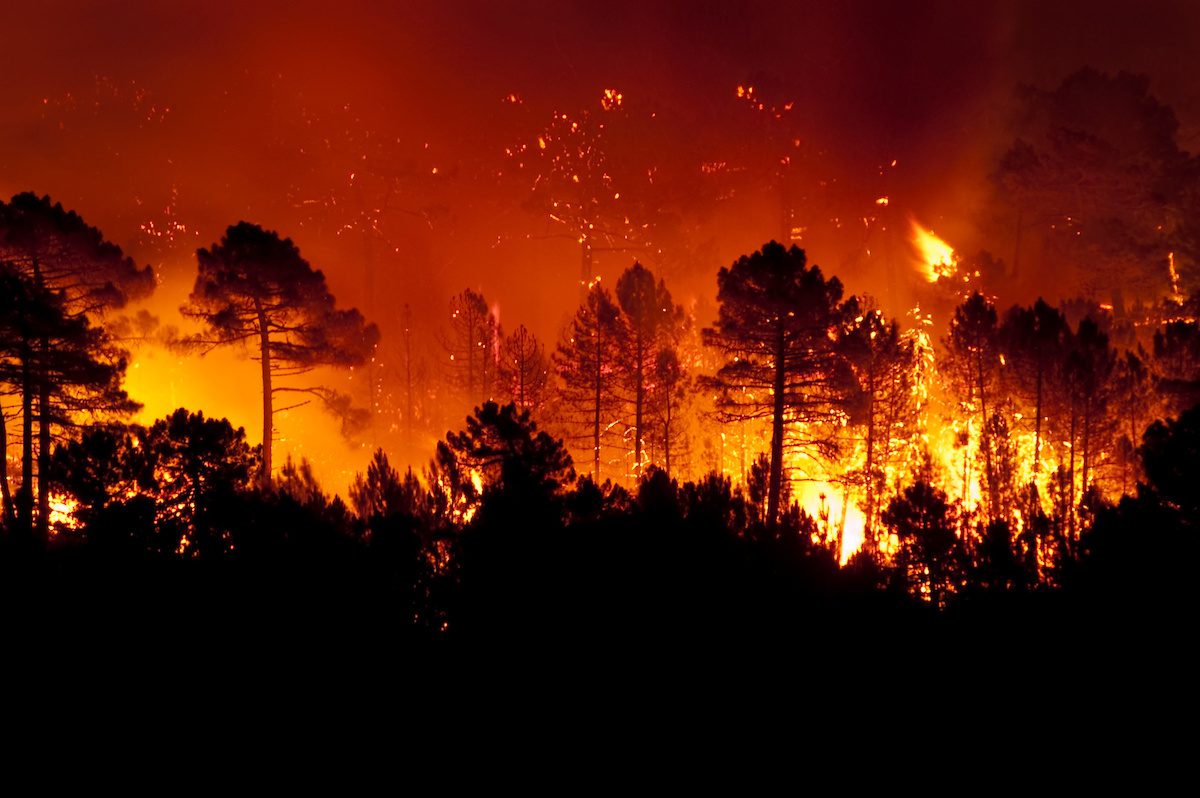
Creator: Javier Alonso Huerta
Sixth in a series of posts outlining key challenges and opportunities facing California’s next governor.
Eighteen of California’s 20 most destructive wildfires have occurred in the past 25 years, driven by decades of fire suppression, climate change, and continued development in the wildland-urban interface (WUI). The 2025 Los Angeles fires alone took at least 31 lives and caused property and capital losses ranging from $95 billion to $164 billion. The …
Continue reading “Climate Issues in the 2026 Governor’s Race: Wildfire”
CONTINUE READINGNever Give Up! Every Ton of Carbon We Can Cut Still Matters
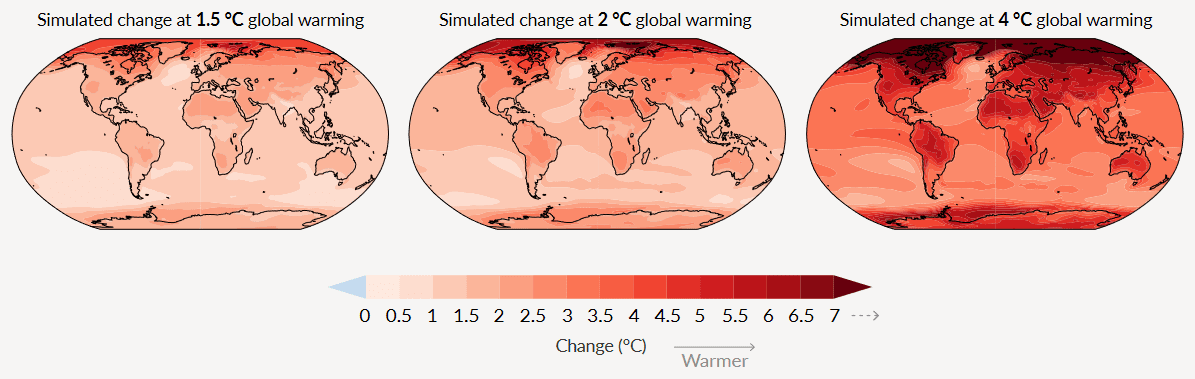
It’s easy to be disheartened when we miss climate targets. But climate change isn’t a yes/no thing. It’s a matter of degree.
It’s easy to lose heart about our prospects for limiting climate change. The US has pulled out of international climate negotiations. Most of the countries that joined the Paris Agreement have missed targets , targets that weren’t aggressive enough in the first place. The 1.5 °C target is already basically out of reach. Is time to give up on slowing climate change and focus on adapting to it? The answer is no. Here’s why.
Climate change is a matter of degrees. That sounds like a truism or a pun, but it’s true in a deeper sense. There is no point past which further warming becomes irrelevant. degree, and every fraction of a degree makes things that much worse.
Climate Issues in the 2026 Governor’s Race: Housing and Climate

Fifth in a series of posts outlining key challenges and opportunities facing California’s next governor.
(This climate issue brief is authored by CLEE’s partners at the Terner Center for Housing Innovation.) California faces complex and integrated challenges of unaffordable housing and climate change. Failure to build adequate housing supply has resulted in high prices that have pushed home buyers and renters to locations that are further from jobs, schools, and …
Continue reading “Climate Issues in the 2026 Governor’s Race: Housing and Climate”
CONTINUE READINGClimate Issues in the 2026 Governor’s Race: Electricity Affordability
Second in a series of posts outlining key challenges and opportunities facing California’s next governor.
Skyrocketing electricity costs pose a formidable political and economic barrier as California pushes to decarbonize its power supply and electrify homes and transportation. The stakes for the incoming governor are incredibly high: average residential rates for large investor-owned utilities (IOUs) increased 8%-10% annually over the last decade, far outpacing the 3.5% inflation rate. While the …
Continue reading “Climate Issues in the 2026 Governor’s Race: Electricity Affordability”
CONTINUE READINGClimate Issues in the 2026 Governor’s Race: Transportation
First in a series of posts outlining key challenges and opportunities facing California’s next governor.
In collaboration with California Environmental Voters, CLEE is leading a nonpartisan initiative to educate all candidates running for governor, as well as the public, on critical climate, energy, and environmental issues. In February, CLEE and CEV co-hosted a candidate forum featuring 90 minutes of discussion on these issues. And we’ve launched a public website, www.climatevote.org, …
Continue reading “Climate Issues in the 2026 Governor’s Race: Transportation”
CONTINUE READINGOne Year of Energy Emergencies

The Drain is a weekly roundup of environmental and climate news from Legal Planet.
This past Tuesday — on the one-year anniversary of Donald Trump taking office and immediately declaring a national energy emergency — the new governor of New Jersey took office and immediately declared a state energy emergency. But these two approaches to executive action on energy couldn’t be more different and the results will help define …
Continue reading “One Year of Energy Emergencies”
CONTINUE READINGHow California (And Other States) Can Drive Demand for Clean Trucks

CLEE and the Emmett Institute release new report today and will hold Jan. 13 webinar with Energy Commissioner Nancy Skinner keynote.
This post is co-authored by CLEE fellow Marie Grimm. California’s policies to phase out polluting diesel trucks with zero-emission models took a major hit this year from the federal government. In June 2025, Congress voted to overturn federal permission for California’s zero-emission truck mandate (although this vote is now subject to litigation). In July, Congress …
Continue reading “How California (And Other States) Can Drive Demand for Clean Trucks”
CONTINUE READINGQuiet Climate Policy
Just because climate change isn’t salient for most voters doesn’t mean policy isn’t important
This Substack post from Matthew Yglesias on climate policy gets, I think two things right and one thing wrong. And getting those three components of climate policy correct is, I believe, important to long term, politically sustainable success in addressing climate change. First, as Yglesias correctly notes, climate change is not a priority for most …
Continue reading “Quiet Climate Policy”
CONTINUE READINGJoin Our Mailing List
Climate policy is changing rapidly. Stay in the loop with expert analysis via email Monday - Friday.

The Drain is a roundup of climate and environmental news from Legal Planet delivered to your Inbox once a week.