


























































federalism
An Encouraging Signal About Federal Preemption
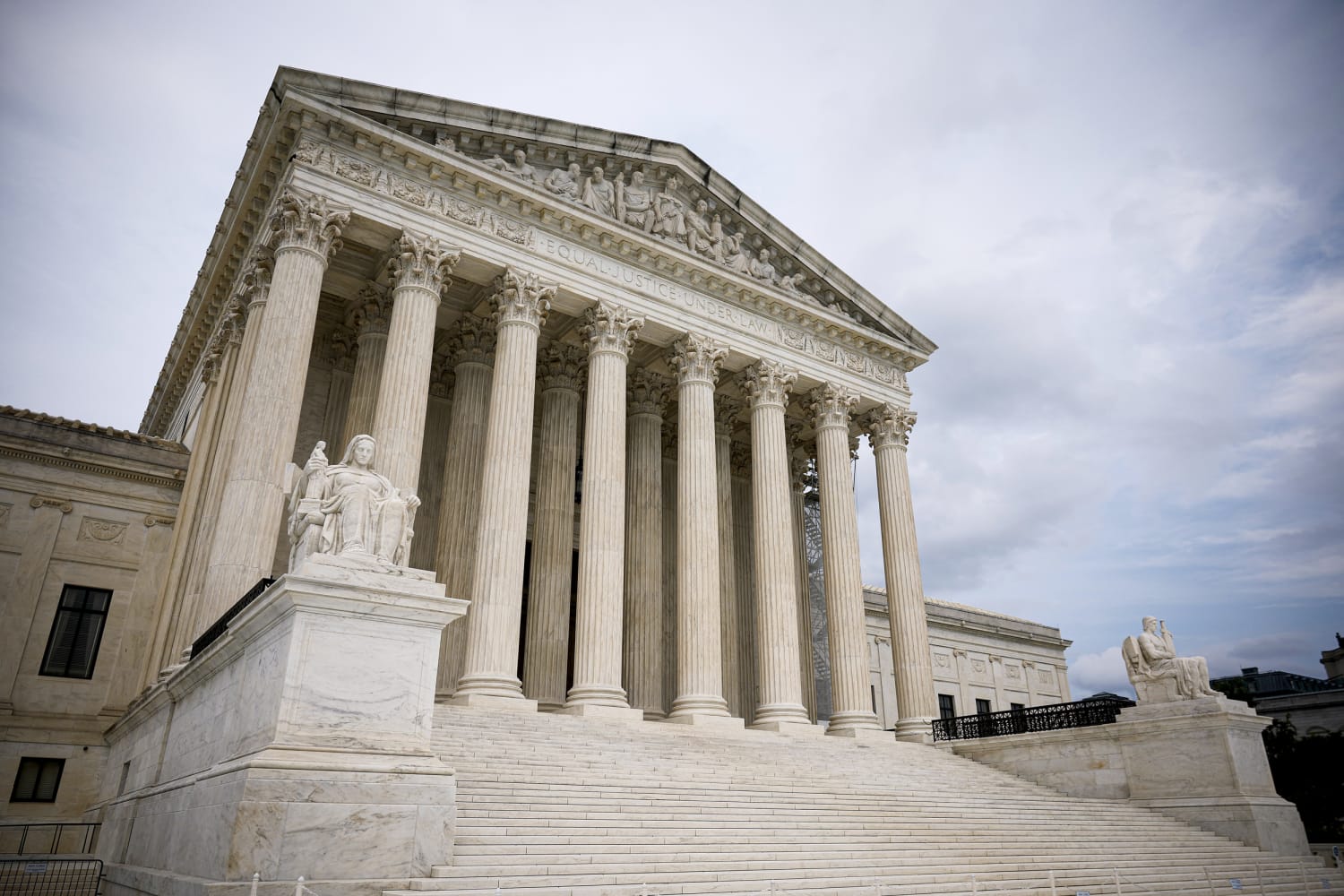
A new Supreme Court ruling should help states defend their climate laws.
The Trump Administration and its allies are attacking state climate laws with challenges based on preemption, arguing that federal law trumps state powers. A new Supreme Court ruling signals that the Court respects state prerogatives and isn’t willing to find preemption without a clear basis in a federal statute. Although the facts of the case are remote from environmental law, the Court’s attitude toward preemption has broader relevance.
CONTINUE READINGWhat Happens to State Regulation if the Endangerment Findings are Gone?
Answer: State authority wouldn’t suffer from the change and might expand in some ways.
If the Trump EPA successfully repeals the endangerment findings for vehicles and stationary sources, states will be the only resort for climate regulation. A key question is how the repeals would impact state power to regulate carbon emissions. The bottom line answers are: (1) the impact on state power regulate tailpipe emissions seems unclear but could be positive, (2) there would be no effect on state power to regulate stationary sources like power plants, and (3) plaintiffs suing oil companies would probably benefit. The detailed analysis is below.
CONTINUE READINGFederalism, AI, and the Environment
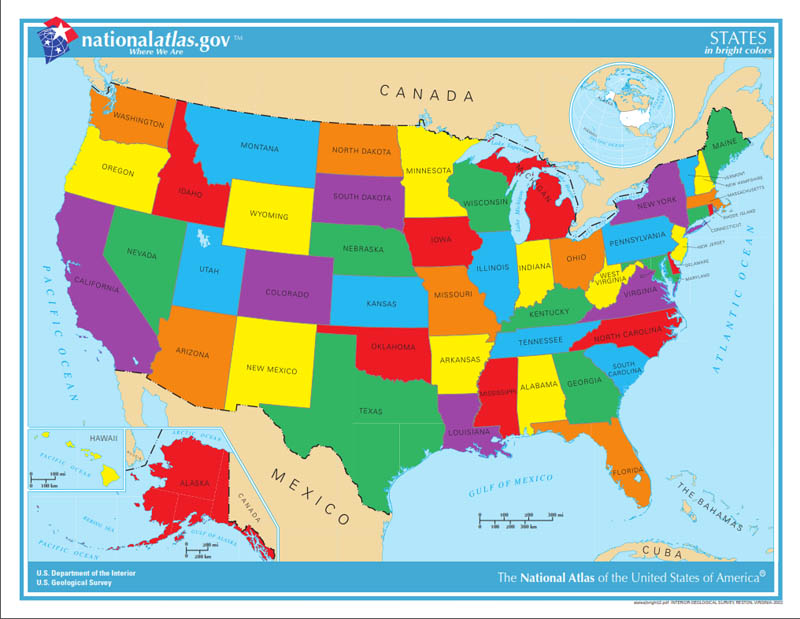
Trump’s efforts to overturn state laws are part of his effort to consolidate power and suppress opposition.
State authority isn’t unlimited, but current legal doctrines give it broad scope. So, apparently, does national politics, given that Congress recently rejected a proposal to preempt state AI laws and has never seriously considered preempting state climate laws.
As we all know, Congress has found it extraordinarily difficult to enact legislation on major issues. The executive branch, under the Supreme Court’s “major questions doctrine,” lacks the power to fill the gap. That leaves only the states to save us from paralysis when major new issues arise. That may not be ideal, but it’s better than nothing.
Yes, Secretary Noem, We Really Do Need FEMA

An advisory committee suggests upgrading FEMA, but Noem still hopes to gut it.
The Washington Post reported yesterday that a special advisory council has recommended that FEMA be strengthened and taken out of DHS. Secretary Noem is unconvinced and seems to be trying to bury the recommendations. She’s wrong. FEMA really is needed, and the reasons tell us a lot about what kinds of reforms make sense. First responders are usually state and local – they’re already nearby – and much of the work of reconstruction is also overseen locally. So why do we need FEMA? Let me count the ways.
CONTINUE READINGThe Lingering Legal Issue of California’s Limits on Vehicle Emissions
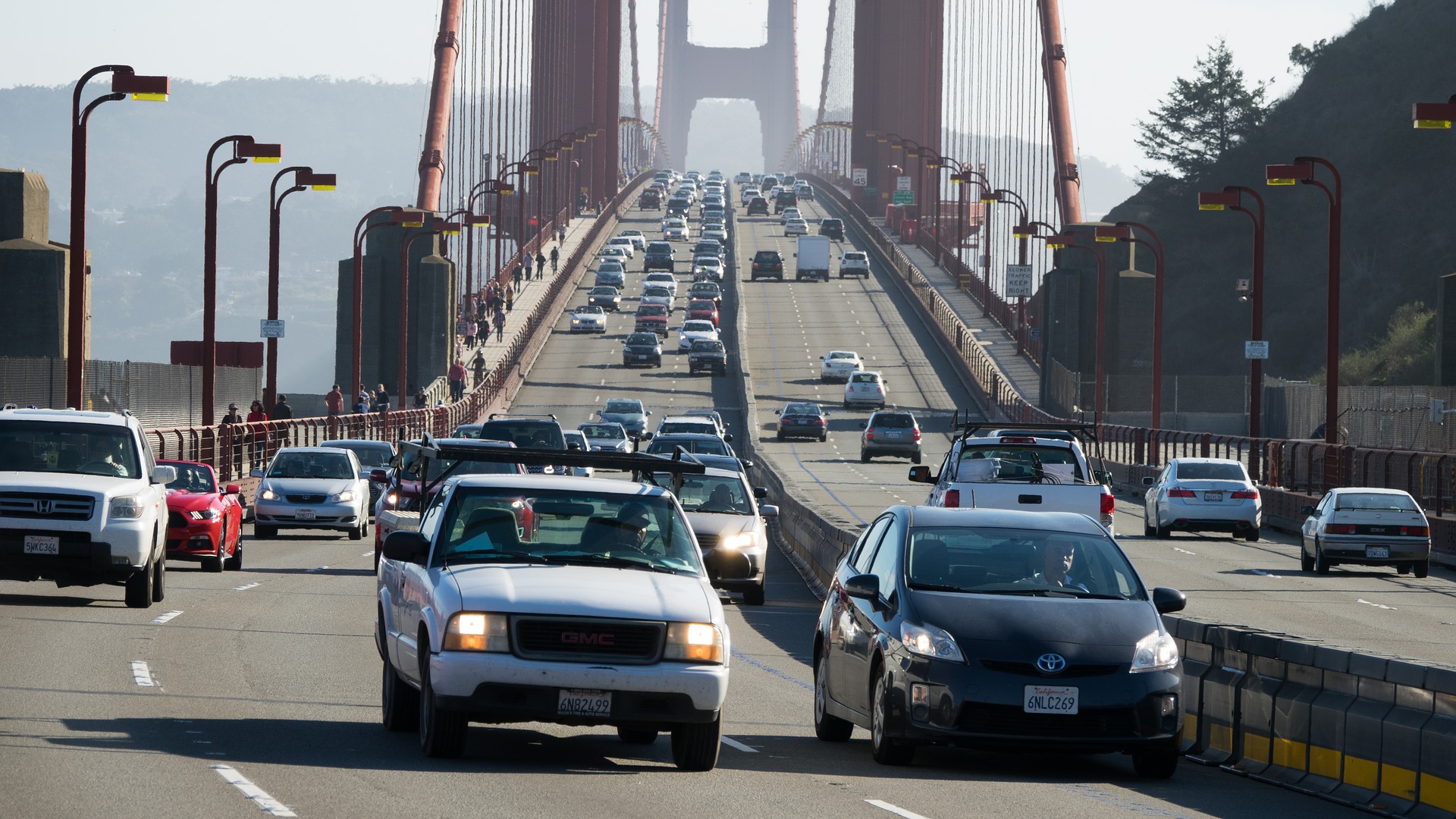
The issues are complex, but the state has some strong legal arguments on its side.
The odds are high that the Trump Administration will withdraw California’s power to regulate greenhouse gas emissions from cars and trucks – and along with it, California’s effort to become all-electric. This is a crucial issue for the state because transportation accounts for about 40% of the state’s emissions. It’s also crucial for the other states have exercised the option of adopting California standards. The issues are complex, involving an unusual statutory scheme. Here’s what you need to know, and why I think California should win this fight.
CONTINUE READINGThe Legal Barricades Protecting State Climate Policy
The general legal landscape favors state regulatory efforts.
The upshot is that it will be very challenging for the Feds to overturn state emissions regulations of power plants and other facilities. The statutory and doctrinal landscape are favorable for states playing defense, and the Supreme Court seems if anything more favorable to the states than the national government. Of course, these general observations leave plenty of room for litigation over the fine points, and the Feds could win some cases. But the states start the contest with an advantage.
CONTINUE READINGHow broad does Clean Water Act 401 certification sweep?
Recent disputes over infrastructure projects highlights the importance of the question
Another issue for ping-pong governance over the past few years has been certification under Section 401 of the Clean Water Act. For those of you who are not deep into the weeds of the Clean Water Act, Section 401 requires (a) federal agencies that are issuing licenses or permits that (b) result in discharges to …
Continue reading “How broad does Clean Water Act 401 certification sweep?”
CONTINUE READINGFederalism Is For Suckers, Part The Millionth

Donald Trump’s latest constitutional rewriting puts the lie to venerable constitutional scholarship
Here’s a good legal Rule Of Thumb: whenever anyone makes a federalism argument concerning any dispute, do not take them seriously. It’s a mug’s game. The Venn Diagram of “people who argue for federalism” and “people who lack control over the federal government” is pretty much a perfect circle. And the positions will completely flip …
Continue reading “Federalism Is For Suckers, Part The Millionth”
CONTINUE READINGTrump’s Seven Most Anti-Environmental Moves — and How to Push Back
There were dozens of actions, all harmful to the environment. These are the worst of the worst.
In the month since he reentered the White House, Trump has dedicated himself to knee-capping environmental protection through a series of executive orders. These orders aim to eliminate crucial environmental regulations, eviscerate key agencies like EPA, arbitrarily halt government funding, and eliminate environmental restraints on the private sector. But these are not done deals, and there are ways of pushing back.
CONTINUE READINGThe Bumper Crop of New State Climate Policies Since July.
State governments aren’t sitting on their hands. Far from it. The pace of climate action is picking up.
State climate policy is a big deal. State governments began cutting emissions at a time when the federal government was essentially doing nothing about climate change. Since then, more states have become involved, and state policies have become more aggressive. it’s not for nothing that 2023 has been called a banner year for state climate …
Continue reading “The Bumper Crop of New State Climate Policies Since July.”
CONTINUE READINGJoin Our Mailing List
Climate policy is changing rapidly. Stay in the loop with expert analysis via email Monday - Friday.

The Drain is a roundup of climate and environmental news from Legal Planet delivered to your Inbox once a week.