

























































NAAQS
The Sting in the Tail of the Clean Air Act

Weakening restrictions on polluters can trigger different restrictions.
Some of Trump’s most important anti-environmental moves involve unleashing air polluters. There’s a problem with this strategy, however. Doing so raises air pollution levels, which can bring states into collision with other Clean Air Act (CAA) requirements. Thus, the effect could be much tighter restrictions on other sources to compensate for looser standards on some. Worse, this effect isn’t limited to the most directly affected states. They may turn around and demand that upwind states reduce their own emissions to help the downstream states meet federal standards. Even when this isn’t true, and where the state that suffers may be Democratic-leaning and thus of no concern to Trump, there could be economic repercussions in other states.
Two notable examples of this problem involve coal generators and vehicle regulation. The first example involves coal. Trump has exempted coal-fired power plants from pollution limits to allow them to remain open longer. According to E&E News, “Air pollution from coal-fired power plants spiked in 2025, a striking reversal of long-term progress in air quality as the Trump administration boosted coal use. The emission increases were among the largest in at least a quarter-century, on a percentage basis, as the bulk of about 210 power plants registered increased sulfur dioxide and nitrogen oxide emissions,” Power plant sulfur-dioxide emissions were up 18% and nitrogen oxides were up 12%. This is contrary to a strong long-term declining trend.
The second example involves vehicle emissions. Under the CAA, state laws regulating vehicle emissions are generally preempted, but California can apply for a preemption waiver if it needs stricter regulations, and other states can piggyback on California’s standards. California’s ability to seek a waiver has been more limited since, at Trump’s instigation, Congress overturned EPA’s approval of several California waiver requests. The Trump Administration has independently taken the view that California can’t require manufacturers to sell more EVs as a way to meet standards. Although Republicans were mostly targeting California’s standards for greenhouse gases, they have also hampered California’s ability to get waivers for smog and particulates.
The problem arises because stopping a state from regulating some polluters may legally require it to tighten other regulations. Under CAA section 110, states must have state implementation plans that will achieve national air quality standards set by EPA. If one type of source pollutes more, other sources must offset the increased pollution by polluting less. Other CAA provisions put the screws on states that exceed the national standards. As a result, if the Feds exempt one source of nitrogen oxides (perhaps by repealing California waiver), states that had adopted the California standard will need to tighten regulations of other sources. Thus, exempting nitrogen oxides from trucks or cars, or from coal power plants, might require stricter controls on other sources such as natural gas power plants. Moreover, if a state is unable to achieve the national air quality standard, the so-called “Good Neighbor” provision allows it to demand emission reductions from upwind states.
In other words, exempting some sources increases the regulatory burden on others. The exemption may even increase the total regulatory burden, if pollution from those other sources is more expensive to control than pollution from the exempted sources. Here’s why.
CONTINUE READINGA Trump Rollback Hits a Roadblock
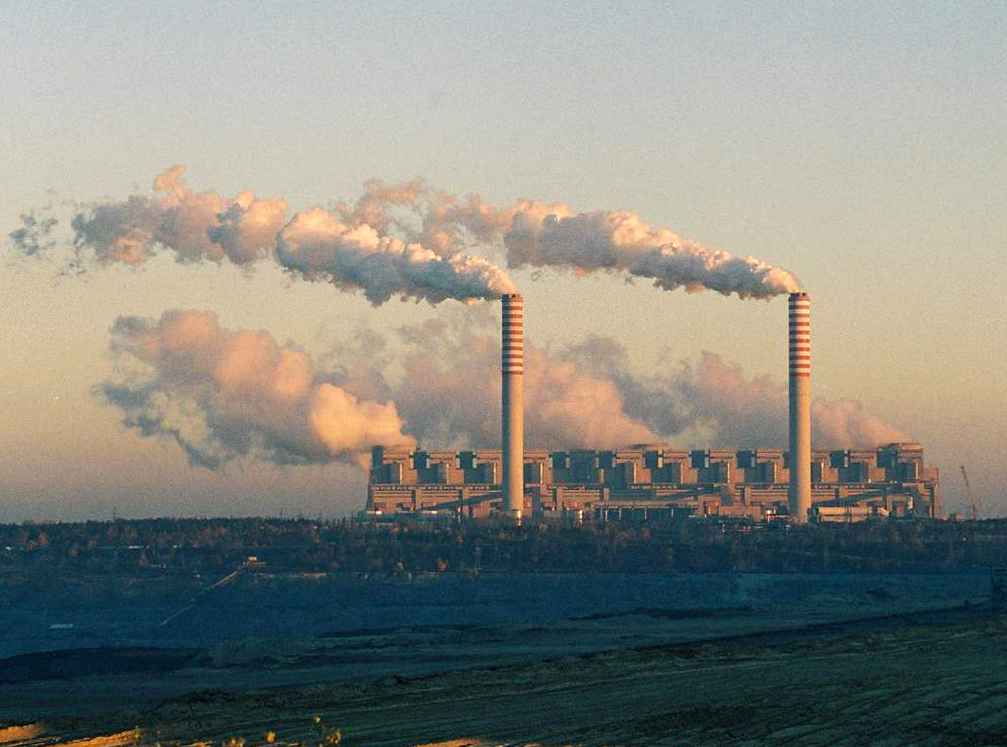
A Trump gambit to undo a key air pollution limit turned out to be a flop.
The Administration has moved more slowly, however, on actually wiping Biden’s regulations off the books. On Friday, the D.C. Circuit decisively rejected one important effort by the Trump EPA. In doing so, it saved (at least for now) a crucial protection for public health. While it’s not impossible to imagine that the Supreme Court might intervene, doing so would probably require it to hear oral argument, given the importance and complexity of the case. That’s unlikely to happen quickly and may not happen at all,
CONTINUE READINGLegal Safeguards Against Deregulation

Congress was aware that there could be a backlash against environmental standards. It took precautions.
If it could, no doubt the current Administration would be happy to have the same polluted air and water–and energy-wasting appliances)– that we had fifty years ago. Thanks to the anti-backsliding aspects of environmental law, however, they can’t really achieve that. The best they can generally do is to get rid of recent regulations that haven’t gone into effect yet.
CONTINUE READINGThe New Particulate Standard and the Courts
The tough new air quality standard is sure to be challenged in court. Winning the challenges will be tougher.
EPA has just issued a rule tightening the air quality standard for PM2.5 — the tiny particles most dangerous to health — from an annual average of 12 μg/m³ (micrograms per cubic meter) down to 9 μg/m³. EPA estimates that, by the time the rule goes into effect in 2032, it will avoid 4500 premature …
Continue reading “The New Particulate Standard and the Courts”
CONTINUE READINGEvolving Air Quality Standards

The standards have gotten tougher. Compliance still lags.
The goal of the Clean Air Act is to achieve national ambient air quality standards (NAAQS), with the primary requirement being protection of public health. As our understanding of the health effects of air pollution has improved, there has been a general trend toward tightening the standards. However, it’s very hard to keep track of …
Continue reading “Evolving Air Quality Standards”
CONTINUE READINGHow Garden-Variety Air Pollution Regulation Promotes Environmental Justice
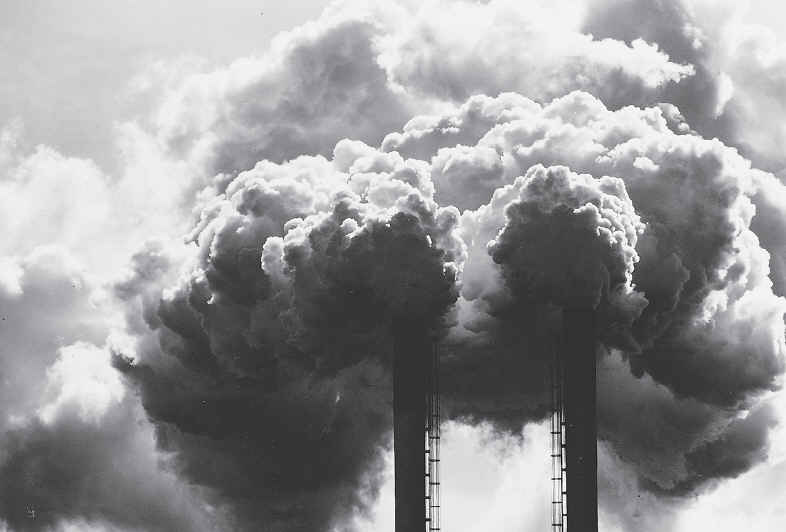
Cleaning up our nation’s air benefits the disadvantaged most of all.
Evidence is mounting that air pollution regulation is an effective way of reducing health disparities between disadvantaged communities and the population as a whole. The basic reason is simple: Air pollution is the biggest environmental threat to poor communities and communities of color. As the American Lung Association has said: “The burden of air pollution …
Continue reading “How Garden-Variety Air Pollution Regulation Promotes Environmental Justice”
CONTINUE READINGA Taste of Things to Come
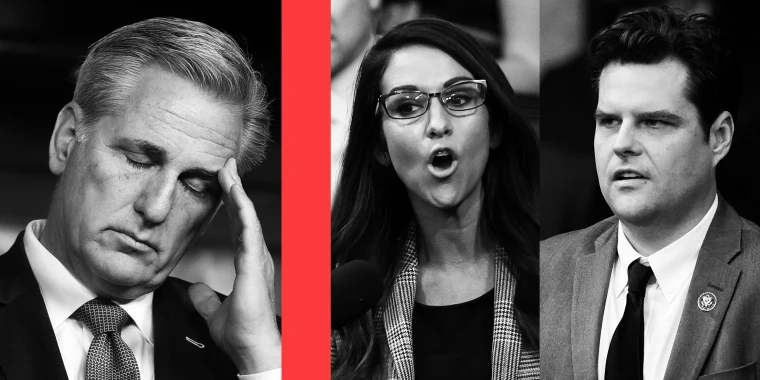
Welcome to 2023. It’s going to be a wild ride.
In the past week, we’ve gotten a glimpse of what the next two years will look like. On the one hand, chaos in Congress. On the other hand, quiet progress toward environmental goals by the Biden Administration. Both trends are likely to continue throughout this Congress and the second half of the presidential term. The …
Continue reading “A Taste of Things to Come”
CONTINUE READINGPollution Control as Climate Policy
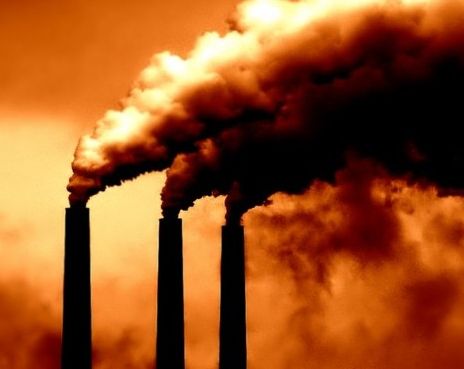
Tightening air quality standards will also reduce carbon emissions.
The Biden Administration is slowly grinding away at an important regulatory task: reconsidering the air quality standards for particulates and ozone. Setting those standards is an arduous and time-consuming process, requiring consideration of reams of technical data. For instance, a preliminary staff report on fine particulates (PM2.5) is over 600 pages long. When the process …
Continue reading “Pollution Control as Climate Policy”
CONTINUE READINGAir Quality as Environmental Justice

National air quality standards may be among the most powerful levers for environmental justice.
The environmental justice movement began with a focus on neighborhood struggles against toxic waste facilities and other local pollution sources. The EJ focus now includes other measures to ensure that vulnerable communities get the benefit of climate regulations. The most powerful tool for assisting those communities, however, may be the National Ambient Air Quality Standards …
Continue reading “Air Quality as Environmental Justice”
CONTINUE READINGClearing the Air
The DC Circuit upholds a major air regulation.
On Friday, the D.C. Circuit decided Murray Energy v. EPA. The court upheld EPA’s health-based 2015 air quality standards for ozone against challenges from industry (rules too strong) and environmental groups (rules too weak). However, it rejected a grandfather clause that prevented the new standards from applying to plants whose permit applications were in-process when …
Continue reading “Clearing the Air”
CONTINUE READINGJoin Our Mailing List
Climate policy is changing rapidly. Stay in the loop with expert analysis via email Monday - Friday.

The Drain is a roundup of climate and environmental news from Legal Planet delivered to your Inbox once a week.