



























































presidential power
The Answers are Blowing in the Wind
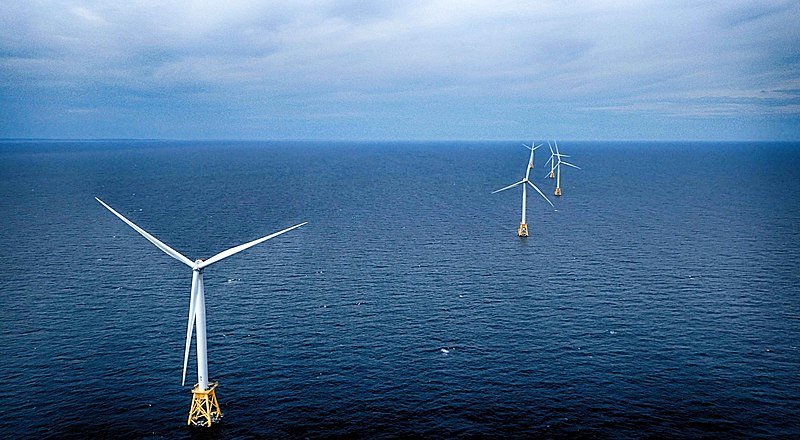
A district court overturns the moratorium on offshore wind, deciding two key legal issues along the way.
The Trump Administration advanced two far-reaching arguments in this case. One is that, when the President directs how an agency should exercise its statutory authority, normal limits on agency action don’t apply. The other is that, even if an agency action is illegal, it must remain in effect against everyone in the world except the plaintiffs who challenged it in a specific case. We can expect the government to keep pressing these points, up to and including Supreme Court review. But the district court in the offshore wind case, along with other lower courts, correctly rejected these arguments.
CONTINUE READINGIs Trump Running Out of Ideas?
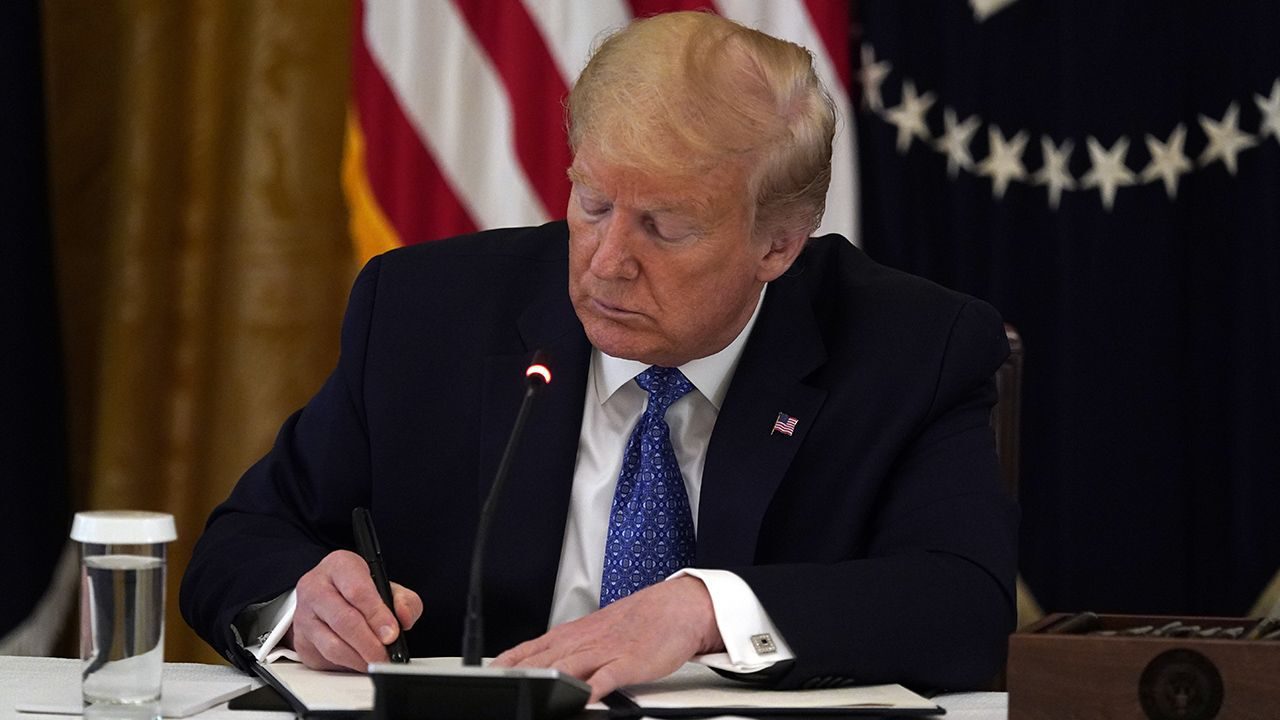
The hectic pace of the first few months seems to have turned into a slow walk, if not a crawl.
The intimidating scale of Trump’s initial actions has now slipped into the routine of ordinary government, allowing the opposition to recover from its initial paralysis.
One downside of “shock and awe” is that you risk a perception of declining momentum later on. It’s like starting the fireworks show with the grand finale; after you’ve shot off all your big rockets, the rest of the show seems dull, and the audience may just wander away.
Corroding the Separation of Environmental Powers

“Who decides?” is the first question to ask about a policy issue. Trump’s answer is “me.”
Biden took actions that federal courts ruled exceeded statutory authority, raised separation of powers issues, or threatened federalism. The difference is that Trump has used brute-force attacks on agencies plus extortion against states rather than taking overt legal actions that courts can review.
CONTINUE READINGIs the Sky Falling? Chevron, Loper Bright, and Judicial Deference

Perplexed? Worried? Here’s a guide to a fraught area of law.
If you’re confused about the Supreme Court’s ruling, you’re not alone. Scholars will be discussing the recent ruling for years. It clearly will limit the leeway that agencies have to interpret statutes, meaning less flexibility to deal with new problems. But unlike many commentators, I don’t think the sky is falling. I was teaching environmental …
Continue reading “Is the Sky Falling? Chevron, Loper Bright, and Judicial Deference”
CONTINUE READINGRanking Presidents on Climate Change

Seven presidents, seven very different legacies.
Although a 1977 memo alerted Jimmy Carter to the problem of climate change, the first tentative responses to climate change didn’t emerge until he left the White House. Since then, there have been seven very different men in the White House. You may find the rankings surprising. Here’s how I would rank them, from best …
Continue reading “Ranking Presidents on Climate Change”
CONTINUE READINGPower Play: The Effects of Overruling Chevron

Who will win and who will lose if Chevron is overruled?
Next week, the Supreme Court will hear oral arguments about whether to overrule the Chevron doctrine. That doctrine allows administrative agencies that implement statutes to resolve ambiguities in those statutes. Overruling the doctrine would shift that power to courts. Institutionally, then, judges would be the big winners, with more sway over how laws are implemented. …
Continue reading “Power Play: The Effects of Overruling Chevron”
CONTINUE READINGThe Presidency Under Siege

The current Justices are no friends of presidential power.
As recent scholarship has shown, the Supreme Court has been increasingly aggressive in countering exercises of presidential power. From the environmental perspective, West Virginia v. EPA is the most relevant example of the Court’s efforts to cut the presidency down to size. True, the Court purported to be chastising EPA, part of the bureaucracy. Yet …
Continue reading “The Presidency Under Siege”
CONTINUE READINGUnanswered Questions About Cost-Benefit Analysis
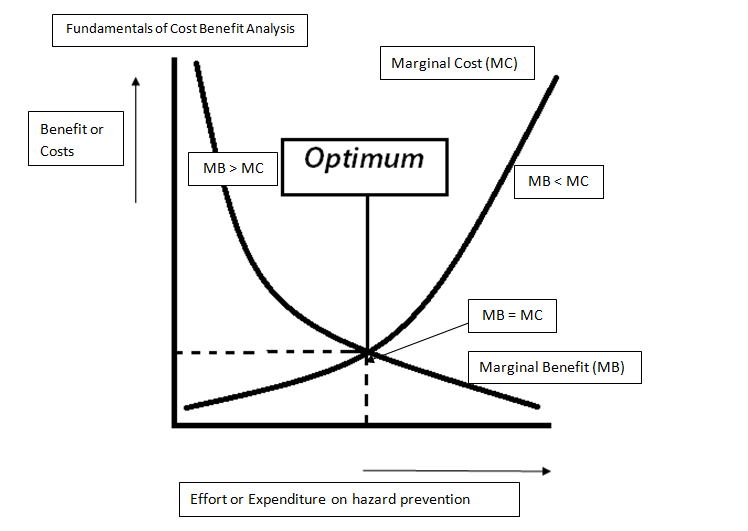
We have only fragmentary evidnece about how CBA actually functions in government decision-making.
Considering that people have been debating cost-benefit analysis at least since Reagan mandated its use in 1981, you would think we would have the answers to some basic questions about how it works. Yet we have very fragmentary information, generally based on the perspevtives of people at the agencies or in the White House Office …
Continue reading “Unanswered Questions About Cost-Benefit Analysis”
CONTINUE READINGPushing Back Against Presidential Power
It’s time to rethink the amount of power presidents have claimed over regulatory policy.
If there was ever a time to think hard about presidential power, that time is now. That’s a very broad question, but the part most relevant for this blog is the President’s role in controlling government regulation. There is no question that presidents have and will continue to have a huge influence on regulatory policy. …
Continue reading “Pushing Back Against Presidential Power”
CONTINUE READINGNew Article Provides In-Depth Analysis of Limits to Presidential Authority Under the Antiquities Act
Analysis By Faculty at UCLA, University of Colorado, and UC Berkeley Concludes that Congress Alone, and Not the President, May Eliminate or Shrink National Monuments
[Updated June 12, 2017 to reflect availability of final published article] Mark Squillace of University of Colorado, Eric Biber of UC Berkeley, my UCLA colleague Nick Bryner, and I have co-authored a short academic article (published in Virginia Law Review Online) about the President’s authority to abolish or shrink national monuments. This article provides detailed historical research and …
CONTINUE READINGJoin Our Mailing List
Climate policy is changing rapidly. Stay in the loop with expert analysis via email Monday - Friday.