


















































UNFCCC
The U.S. Has Now Become a Rogue Nation

By pulling out of the UNFCCC and dozens of international organizations, Trump has isolated the United States and ceded influence to China and the EU.
In the past few days, Trump has kidnapped the head of state of Venezuela, threatened to invade Greenland, and withdrawn from a 1992 climate treaty negotiated by George H.W. Bush. The treaty, the U.N. Framework Convention on Climate Change, has been the basis for international climate cooperation for the past thirty years, including the Paris Agreement. In addition, Trump is withdrawing from the Intergovernmental Panel on Climate Change (IPCC), which will make it harder for American scientists to contribute to the periodic reports on the state of climate science. Trump’s action is basically a big middle finger toward the rest of the world. If anyone wins from this, it’s China, which can now claim to be the responsible adult in the room.
CONTINUE READINGThoughts on COP30

What have we learned about the future of climate negotiations?
we can only expect incremental progress from the U.N. unless or until China takes a leadership role, particularly while the U.S. is also on the sideline. Incremental progress is better than no progress, obviously. But we’re going to have to look elsewhere for productive international action.
Basically, that’s going to have to rely on something less than the international consensus that drives COP. That means doubling down on some other options: bilateral climate agreements between countries, action by coalitions of interested countries, and subnational agreements including states, provinces, and cities around the world.
CONTINUE READINGWhat’s Making this COP Especially Difficult?
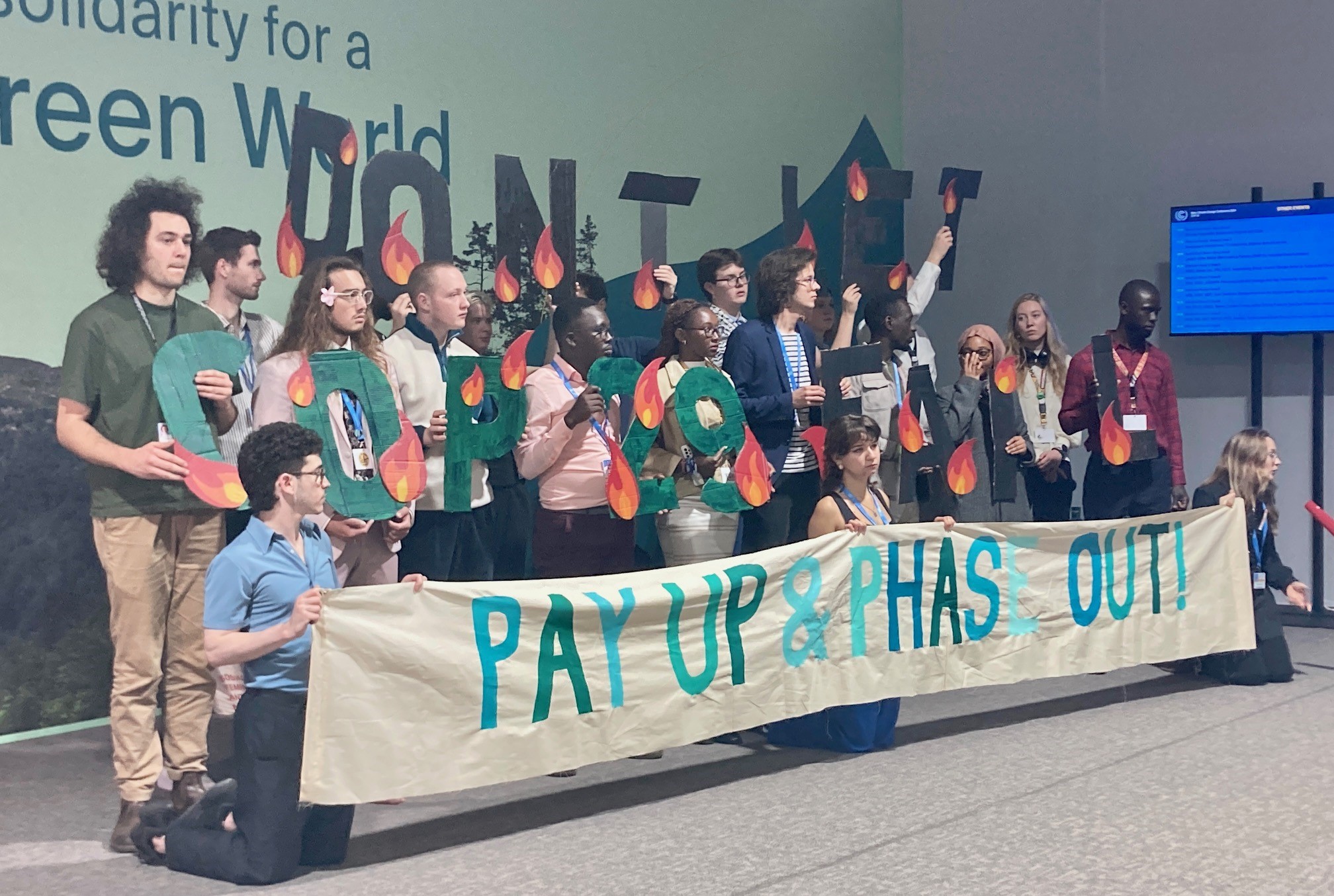
Notes from COP29 in Baku, where the subject of real money, U.S. politics, and other tricky factors are converging.
My UCLA colleagues Ted Parson, JP Escudero and I just returned from Baku. Most of our work there related to side talks on advancing methane regulation (and our UCLA project on that topic), but we also got a sense of how the central negotiations were unfolding. As the New York Times and others are reporting, …
Continue reading “What’s Making this COP Especially Difficult?”
CONTINUE READINGCounting the Climate Costs of Warfare

There are calls for nations to disclose their military-related greenhouse gas emissions as researchers try to tally the climate impacts of war in Ukraine and Gaza.
What if I told you that nations around the world were ignoring a significant amount of their greenhouse gas emissions by omitting an entire dirty sector from their tally? Would you be horrified? Would you want to close that loophole so that parties to international agreements are required to report these hidden emissions as part …
Continue reading “Counting the Climate Costs of Warfare”
CONTINUE READINGWhat to watch for, and ignore, at the upcoming climate talks in Dubai
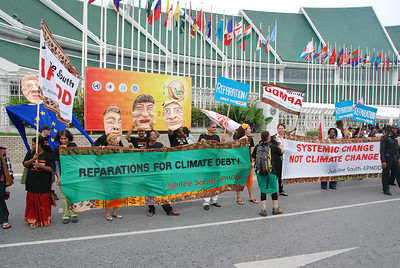
UCLA Law’s Mary Nichols, Alex Wang, and Ted Parson preview COP28 in a webinar this Wednesday.
Each year since 1995, the countries of the world have gathered to negotiate what to do about climate change. They do so under the auspices of the Framework Convention on Climate Change, the universally adopted climate change treaty that sets a goal of avoiding dangerous interference with the climate system. Those talks have had ups and …
Continue reading “What to watch for, and ignore, at the upcoming climate talks in Dubai”
CONTINUE READINGClimate Policy at the Turn of the Century: The Death of “Plan A”
The original plan involved top-down global and US emission limits. They never happened.
When the campaign to cut carbon emissions began in the last decade of the 20th Century, there seemed to be a clear path forward. International negotiations would begin with a framework convention, followed by a later global agreement capping carbon emissions. Within the US, Congress would enact legislation cutting carbon emissions. By the end of …
Continue reading “Climate Policy at the Turn of the Century: The Death of “Plan A””
CONTINUE READINGGuest Contributor Veronika Bagi: Loss and Damage Finance Now! Or Not?

A view from inside the COP27 loss and damage negotiations
Veronika Bagi (UCLA LLM ’23) attended COP27 as a member of the UCLA Emmett Institute delegation and as an Expert Member of the Hungarian delegation. She writes here in her personal capacity. The 27th Conference of the Parties to the United Nations Framework Convention on Climate Change (COP27) in Sharm el-Sheikh, Egypt, ended last Sunday, …
Continue reading “Guest Contributor Veronika Bagi: Loss and Damage Finance Now! Or Not?”
CONTINUE READINGThe Least Surprising Disaster in History
Some disasters come as shocking surprises. Climate change is the opposite.
Whatever you want to say about climate change, you can’t say we’ve been blindsided. The US has had decades to take action against climate change, and we spent nearly half that time deliberately making things worse. Scientists have had reasons for concern about climate change for over a century, and the first government report on …
Continue reading “The Least Surprising Disaster in History”
CONTINUE READINGGuest Contributor Sharaban Tahura Zaman: COP26 outcome on Carbon Markets: Takeaways for the Global South
Where is the Global South heading with carbon market mechanisms in the coming decade?
As a government delegate, I have been involved in the UN climate negotiation process since 2017 to uphold Bangladesh’s and the Least Developed Countries (LDC) Group’s position. After an unsuccessful COP in Madrid (2019), as a Bangladeshi citizen (a country often referred to as “ground zero” for its climate vulnerability) I had to wait another …
CONTINUE READINGWhat do U.S. states do at a COP, anyway?

Newsom’s out, but California and other states continue with robust delegations headed to Scotland
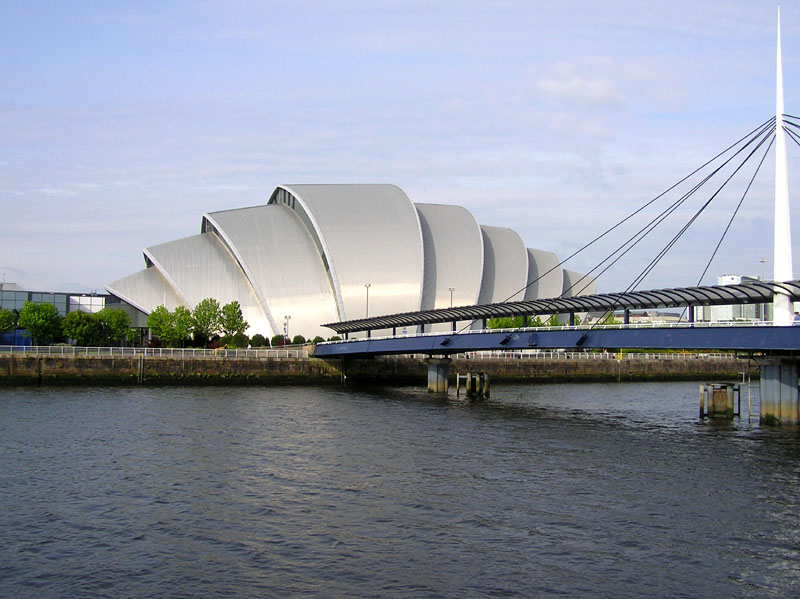
You’ve likely heard that the big annual United Nations climate conference is about to get underway in Glasgow, with nations around the world gathering together to try to advance international climate cooperation. But it’s not just national representatives who will attend; many subnational jurisdictions, including California and other U.S. states, also send significant delegations. Although …
Continue reading “What do U.S. states do at a COP, anyway?”
CONTINUE READINGJoin Our Mailing List
Climate policy is changing rapidly. Stay in the loop with expert analysis via email Monday - Friday.