


























































International Environmental Law
Subnational Solutions to Deforestation on Display at COP27
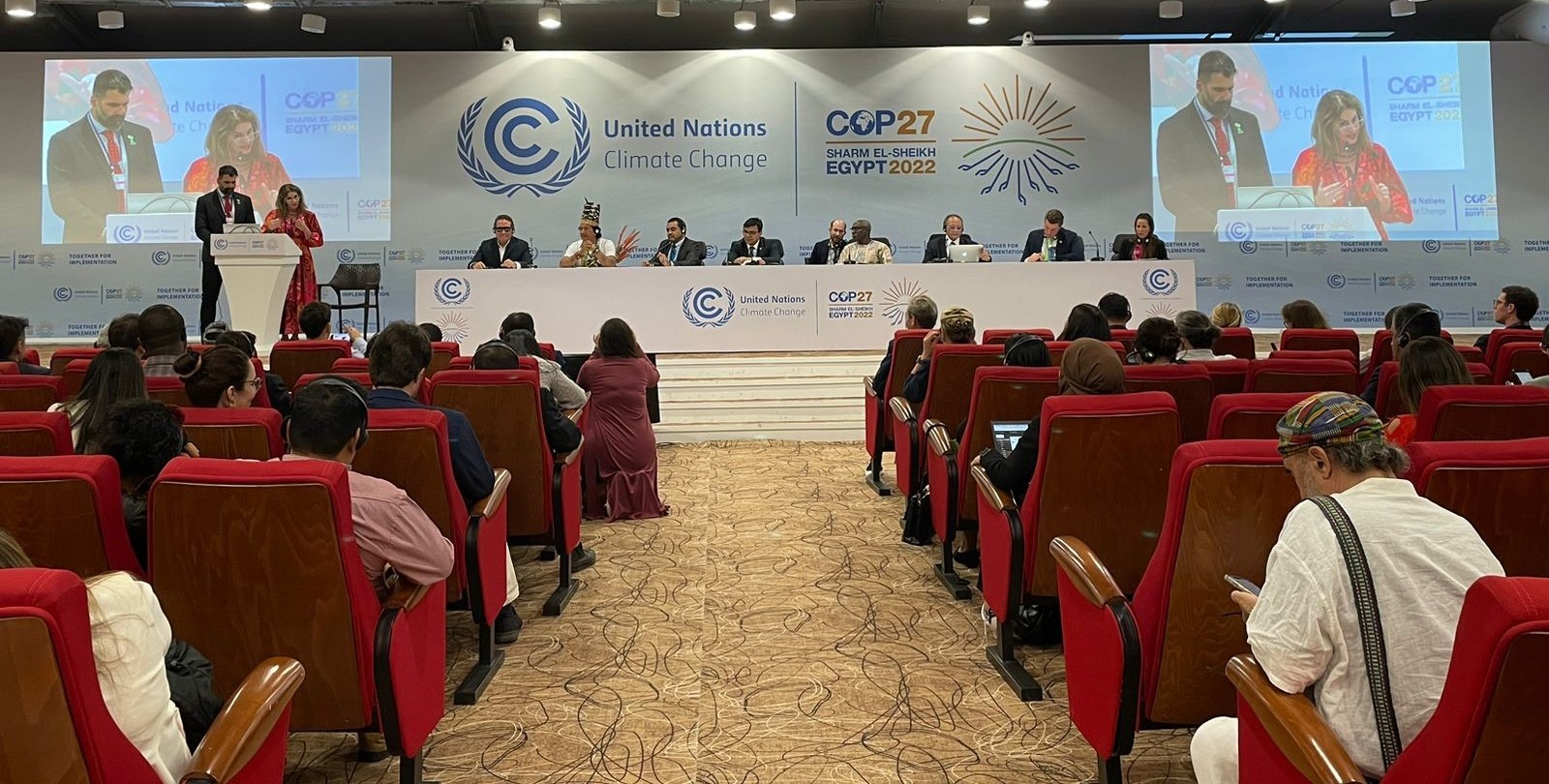
A recap of Sharm el-Sheikh from the Governors’ Climate and Forests Task Force
The Governors’ Climate and Forests Task Force (GCF Task Force) participated in the 27th Conference of the Parties (COP27) to the United Nations Framework Convention on Climate Change (UNFCCC) in Sharm el-Sheikh, Egypt during the second week of the conference (November 14-18, 2022). There were high-level talks, bilateral partnership discussions, celebrations, and re-engagement with the Brazilian President-elect Luiz Inácio …
Continue reading “Subnational Solutions to Deforestation on Display at COP27”
CONTINUE READINGGuest Contributor Veronika Bagi: Loss and Damage Finance Now! Or Not?

A view from inside the COP27 loss and damage negotiations
Veronika Bagi (UCLA LLM ’23) attended COP27 as a member of the UCLA Emmett Institute delegation and as an Expert Member of the Hungarian delegation. She writes here in her personal capacity. The 27th Conference of the Parties to the United Nations Framework Convention on Climate Change (COP27) in Sharm el-Sheikh, Egypt, ended last Sunday, …
Continue reading “Guest Contributor Veronika Bagi: Loss and Damage Finance Now! Or Not?”
CONTINUE READINGWildfires and the Grid

Wildfires are huge problem in California. Maybe we can learn from those on the other end of the Pacific.
California and Australia are 8000 miles apart, but it turns out they have similar wildfire problems. And in both cases, the electric grid and climate change are part of the equation. The problems in California and the rest of the West are familiar to many readers. Though they don’t necessarily get much attention in the …
Continue reading “Wildfires and the Grid”
CONTINUE READINGThe Supreme Court’s Earliest Pollution Cases
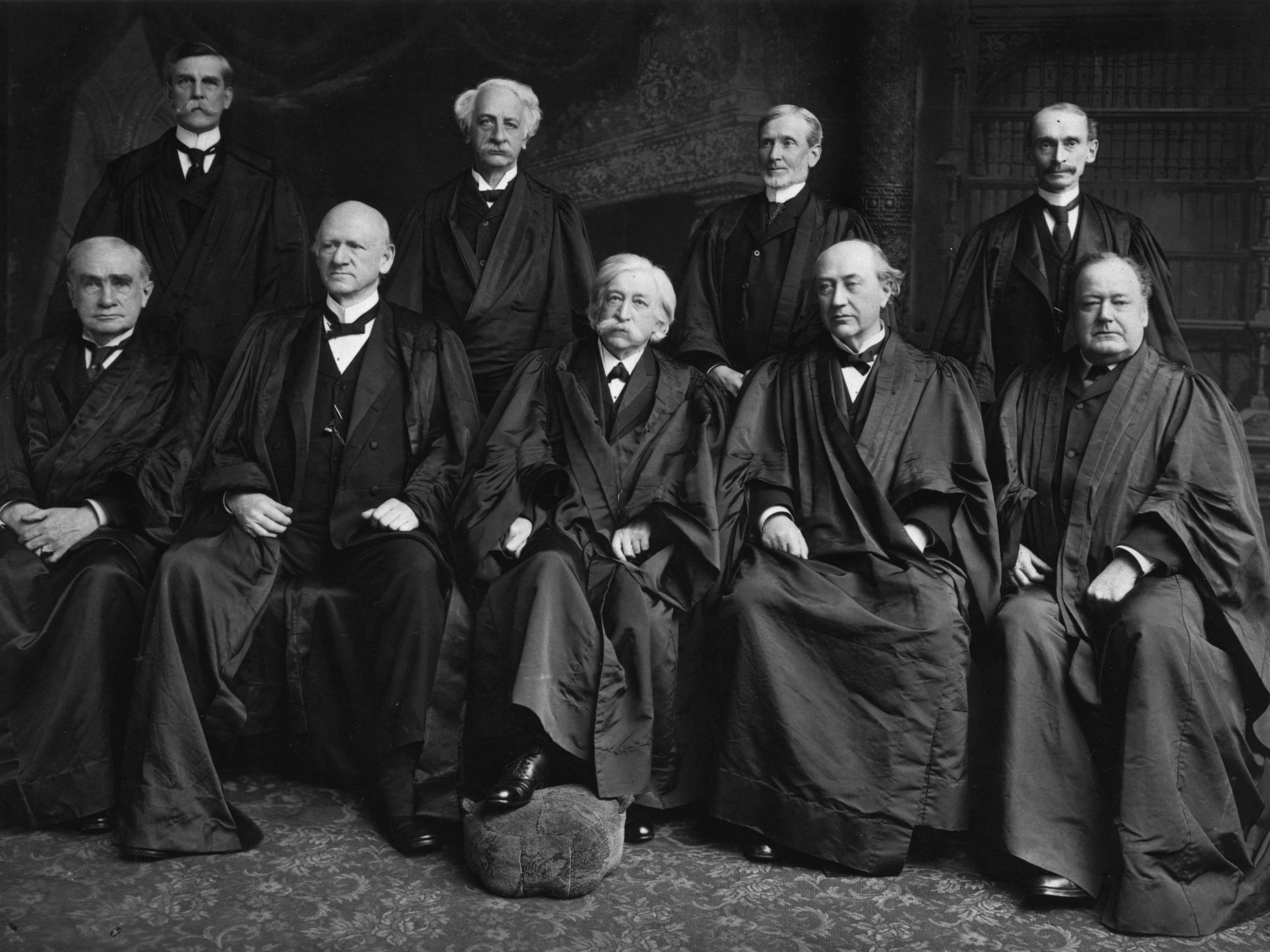
Long before Congress, a notoriously conservative Court started taking pollution seriously.
Well over a century ago, the Supreme Court ruled that it had that power to remedy interstate water pollution. That was in 1901. Six years later, the Court decided its first air pollution case. Notably, these cases came during the conservative Lochner era when the Court was hardly known for its liberalism. Quite the contrary. …
Continue reading “The Supreme Court’s Earliest Pollution Cases”
CONTINUE READINGWill Russia “Win” the Climate Crisis?
It’s complicated. But probably not.
The conventional view is that climate change is going to be a great thing for Russia. The reason is pretty obvious: a lot of Russia is cold and icy right now; warming will be an improvement. That’s likely to be true in some ways, but warming may be a mixed blessing. Whether what is good …
Continue reading “Will Russia “Win” the Climate Crisis?”
CONTINUE READINGEquity Weighting: A Brief Introduction

An unfamiliar concept for most that just might make cost-benefit analysis more progressive.
A technique called equity weighting could make regulation more progressive. Implementing this technique may be harder than it sounds, however, for a variety of practical, legal, and political reasons. Agencies might do best to use equity weighting as a way to check their regulatory decisions rather than as their main decision tool.
CONTINUE READINGSouth Korea and Climate Change

A small country, but a significant carbon emitter.
Little known fact: The ninth largest carbon emitter in the world is South Korea. What is South Korea doing to cut its emissions? That answer, in brief, is that it has adopted the right kinds of policies, but may need to up its level of ambition. Even so, it compares favorably with the national governments …
Continue reading “South Korea and Climate Change”
CONTINUE READINGClimate Policy in India
What’s Happening in the World’s Second Largest Country?
India is home to 1.39 billion people, just below China but growing faster. By some projections, it will have the second largest economy in the world by 2050. In terms of climate policy, however, it doesn’t get nearly as much attention as China. That’s understandable in terms of India’s current carbon emissions, which are now …
Continue reading “Climate Policy in India”
CONTINUE READINGWhose Interests Count? And How Much?
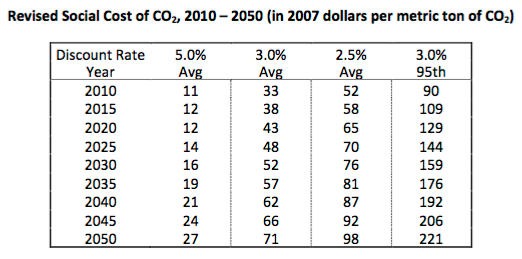
Whether to consider harms to foreign countries and future generations is controversial. So is how much weight to give harm to the poor.
Should regulators take into account harm to people in other countries? What about harm to future generations? Should we give special attention when the disadvantaged are harmed? These questions are central to climate policy and some other important environmental issues. I’ll use cost-benefit analysis as a framework for discussing these issues. You probably don’t need …
Continue reading “Whose Interests Count? And How Much?”
CONTINUE READINGSubnational Climate Action in the UK
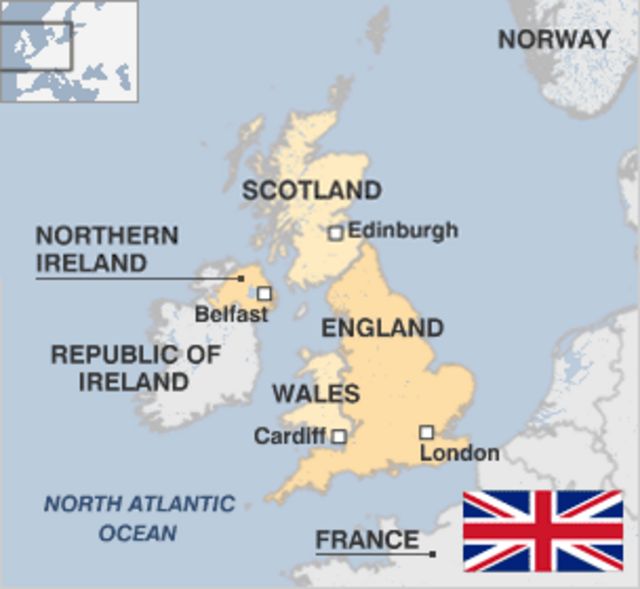
As in the U.S., it’s not all about the national government. Not by any means.
Last week, I posted about the British government’s climate policy. In sharp contrast with their American counterparts, British conservatives remain firmly behind the Paris Agreement and supportive of cap-and-trade. In another respect, though, there’s more similarity: in both countries, subnational governments play a key role in climate policy. Here’s what’s happening across Great Britain. Regional …
Continue reading “Subnational Climate Action in the UK”
CONTINUE READINGJoin Our Mailing List
Climate policy is changing rapidly. Stay in the loop with expert analysis via email Monday - Friday.

The Drain is a roundup of climate and environmental news from Legal Planet delivered to your Inbox once a week.