























































Pollution & Health
Scrap Yards, Scrapped Enforcement?

The City of Los Angeles’s regulatory tools exist to protect communities from metal recycling hazards—but they’re rarely invoked.
This post was co-written by UCLA Law student Kate Inman (J.D., 2026). Throughout California’s Senate District 20, roughly thirty scrap metal recycling facilities sit in the industrial corridors running alongside residential housing. For the working-class, majority-Latino communities living blocks away, the legal system has been slow to respond. Drive through Sun Valley or Pacoima on …
Continue reading “Scrap Yards, Scrapped Enforcement?”
CONTINUE READINGClimate Journalism is “Breaking but Not Broken”

The Drain is a weekly roundup of environmental and climate news from Legal Planet.
The 2026 Pulitzer Prize announcements happened this week and environmental reporting was in the mix though not central enough if you ask me. Here’s where it shined: The Breaking News Reporting category was dominated by journalism covering climate-fueled extreme weather. Finalists included staff of the Seattle Times for more than 100 stories covering catastrophic …
Continue reading “Climate Journalism is “Breaking but Not Broken” “
CONTINUE READINGMethane, Exposed

Two new reports from the UCLA Emmett Institute reveal some of the largest methane sources in 2025.
One of the transformations in the climate policy world over the last few years has been the (rightful and helpful) rise in focus on methane pollution. For a long while, carbon dioxide was the attention-grabbing greenhouse gas, the one at which most policy initiatives were aimed. And CO2 remains critically important, of course. But folks …
Continue reading “Methane, Exposed”
CONTINUE READINGDoes Taking Oil Money Disqualify You from Being Governor?
The Drain is a weekly roundup of environmental and climate news from Legal Planet.
The race to be California’s next governor has managed to be both wild and underwhelming, with a wide field of candidates who are competent but not exactly captivating. Exciting or not, voters are starting to tune in. If the environment and climate change rank among your top concerns, who should you vote for? My Legal …
Continue reading “Does Taking Oil Money Disqualify You from Being Governor?”
CONTINUE READING‘Smog and Sunshine’: Achieving Clean Air in California
UCLA’s Ann Carlson discusses her new book and how the state can address federal efforts to undo its emissions standards.
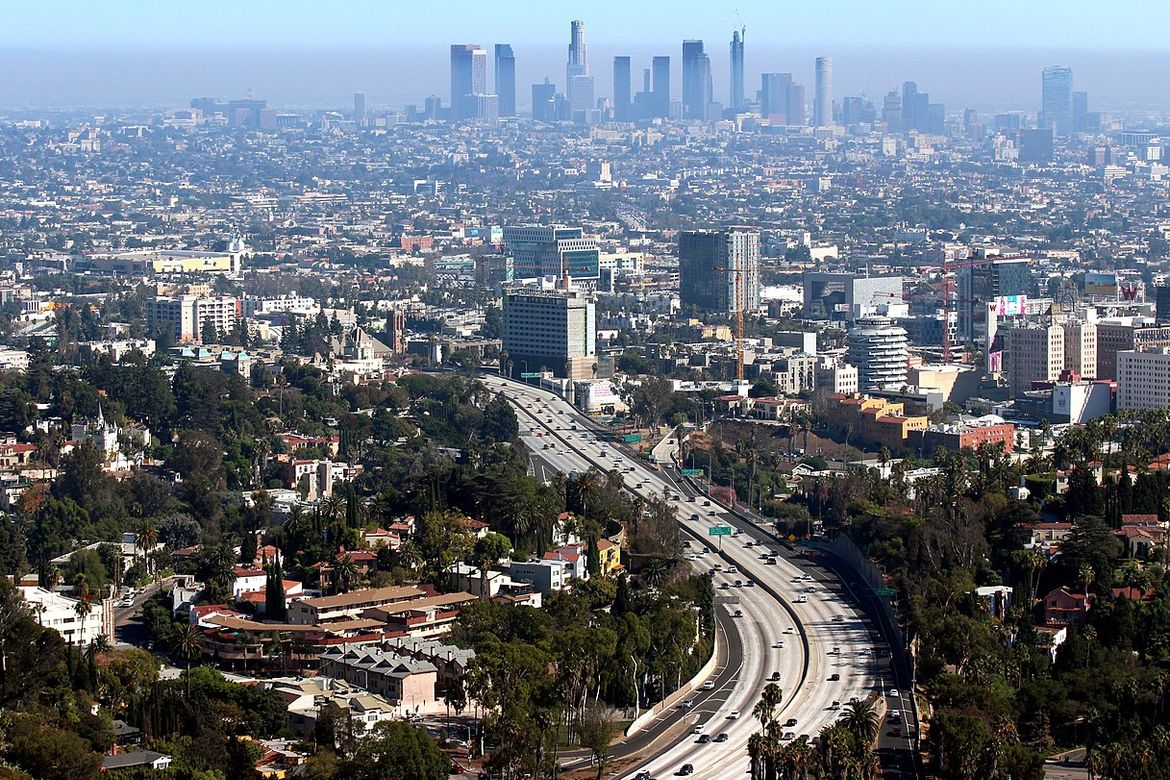
Los Angeles is famous for both sunshine and smog. Turns out the two are related. Ozone pollution is caused by the interaction of sunlight and the chemicals that come out of vehicle tailpipes and factory smokestacks. But when Ann Carlson’s family first moved to Southern California, nobody knew what caused smog and there were no laws …
Continue reading “‘Smog and Sunshine’: Achieving Clean Air in California”
CONTINUE READINGWe are Hitting a Major Methane Milestone

The Drain is a weekly roundup of environmental and climate news from Legal Planet.
This year, we celebrate 250 years since its discovery. No, I don’t mean America (though plans are underway to celebrate the semiquincentennial this July.) I’m talking about methane — that colorless, odorless, flammable and short-lived but super potent greenhouse gas that is helping heat the planet faster than carbon dioxide. It was 250 years ago …
Continue reading “We are Hitting a Major Methane Milestone”
CONTINUE READINGWhy do Governments Around the World Use Supply-Side Regulations to Boost Clean Transport?
New CLEE report explores the benefits these policies provide to transition off fossil fuel dependency
While the U.S. may be backsliding on requiring more fuel efficient and zero-emission vehicles, the story globally is largely the opposite. Governments around the world are still seeking to improve air quality and meet greenhouse gas goals and are increasingly moving towards supply-side regulations for their vehicle fleets. These policies include fuel economy standards, emission …
CONTINUE READINGWorrying Gaps in CA Climate Disclosure Implementation

Guest contributors Cynthia Hanawalt and Andy Fitch write that CARB lacks authority to exempt insurers from GHG emissions reporting.
Guest contributors: Cynthia Hanawalt is the Director of Climate and Business Law at Columbia University’s Sabin Center for Climate Change Law and Andy Fitch is a Climate and Business Law fellow at the Sabin Center. We recently surveyed the empirical literature regarding the impacts of corporate greenhouse-gas (GHG) disclosure on companies’ emissions, and called for …
Continue reading “Worrying Gaps in CA Climate Disclosure Implementation”
CONTINUE READINGEliminating the Endangerment Finding Doesn’t Mean the Government Can’t Regulate Cars and Trucks
The Clean Air Act and Energy Independence and Security Act still give EPA, California, and NHTSA significant power.
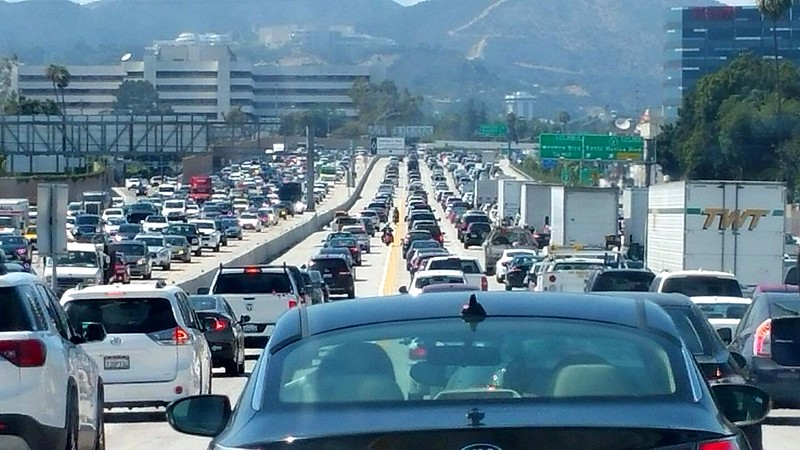
The withdrawal of EPA’s endangerment finding is bad in many respects that I don’t want to downplay and that many have already focused on. But it’s also worth stressing that, should a president take office in 2029 who cares about climate and air pollution from cars and trucks, the federal government — and California — …
CONTINUE READINGTrump Will Kill Climate Regulations, But How Exactly?

The Drain is a weekly roundup of environmental and climate news from Legal Planet.
The Environmental Protection Agency will officially revoke what’s known as the endangerment finding tomorrow and in so doing try to erase the basis for virtually all that agency’s regulations cutting greenhouse gases. It’s not really a surprise — we’ve been waiting for this announcement for a year. But seeing the agency’s precise justification will help …
Continue reading “Trump Will Kill Climate Regulations, But How Exactly?”
CONTINUE READINGJoin Our Mailing List
Climate policy is changing rapidly. Stay in the loop with expert analysis via email Monday - Friday.