




























































Regulatory Policy
The FREEDOM Act and Permit Certainty
Permit certainty bill has potential, but also some problems that could make it unworkable
As one advocate for permitting reform aptly noted, “permit certainty” is now a prerequisite for any action on permitting reform in this Congress. That’s because the Trump Administration’s war on renewable energy means that Democrats have no desire to do a deal that would not, in practice, make a difference for investment in new clean …
Continue reading “The FREEDOM Act and Permit Certainty”
CONTINUE READINGTaking Care That the Law Be Fitfully Executed

Carrying out the law is the core duty of the President. And it’s being openly violated.
The parameters of presidential power have been debated since soon after George Washington took office. But the Constitution makes at last one thing crystal clear: the President must “take care that the laws be faithfully executed.” This is a task to which the current incumbent, it can be safely said\, has not applied himself.
The “take care” clause is reinforced by the very terminology used to describe the President’s authority, the clause vesting the “executive power” in the President. That’s a clause much beloved of believers in the unitary executive. The word “executive” traces back to exsequii, meaning to carry out or follow (ex meaning “out”, sequii meaning “follow”). Faithful obedience to Congress hasn’t exactly been a hallmark of the current Administration. Whatever it is that Trump is faithfully executing, it’s not the laws of the United States. Unless, a bit darkly, you were to take “execute” in the modern sense of killing off, not in the constitutional sense of carrying out.
CONTINUE READINGKeeping Coal on Life Support

Trump is doing everything he can to boost coal. And still, the industry is on life support.
The good news for investors is that coal is behaving like much of the non-AI stock market this year. Yet this growth is taking place on a very low baseline, which had slumped well below from Great Recession levels. If investors are to be believed, Trump may be able to keep the coal industry on life support. But it’s still in the ICU.
CONTINUE READINGThe Decline and Fall of the “Regulatory Czar”

Now, the office doesn’t even have a home page, and its boss is lawyer who faces possible disbarment.
OIRA, the White House Office of Information and Regulatory Affairs, was known as “the most powerful agency you’ve never heard of. That was only three years ago. Under Trump, however, OIRA seems to have become a minor subdivision of the Office of Management and Budget run by Russell Vought. The main purpose of the office was to oversee the use of cost-benefit analysis by regulatory agencies. The Trump Administration has all but abandoned this analytical tool by refusing to quantify regulatory benefits, so it’s now cost-benefit analysis. As a result, OIRA seems to be adrift. One sign of this declining importance is that it’s hard to even find the name of the person running the office.
CONTINUE READING“Smog and Sunshine” Has a Release Date

And this “Surprising Story of How Los Angeles Cleaned Up Its Air” is now available for preorder.
My book, “Smog and Sunshine: the Surprising Story of How Los Angeles Cleaned Up Its Air,” will be released on April 7! It’s been a long time coming. My author page is here And you can find links to preorder my book by clicking here or here Here’s how UC Press describes the book: Los …
Continue reading ““Smog and Sunshine” Has a Release Date”
CONTINUE READINGNightmare on Penn Ave (Part 2)
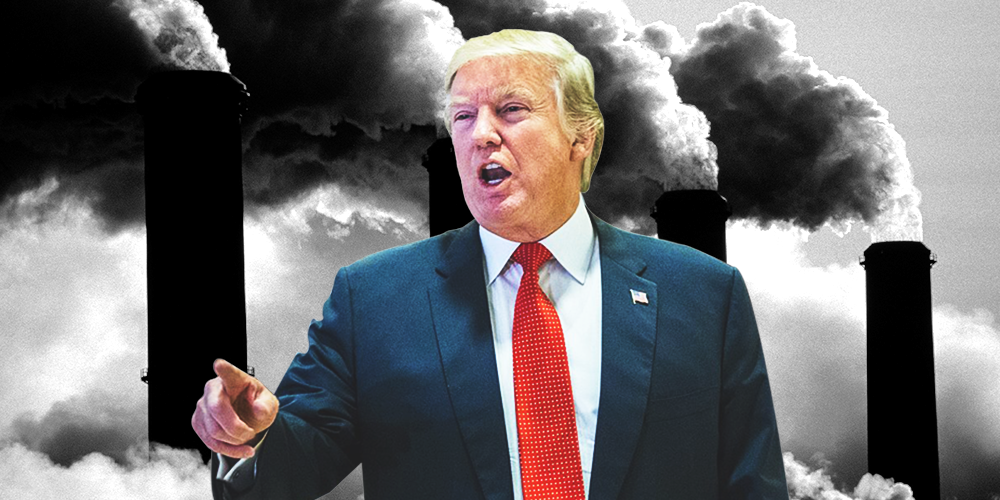
After a year of Trump 2.0, here’s how things stand.
Eight years ago almost to the day, I wrote a post titled, “One Year and Counting.” I was writing at the end of Trump’s first year in office. And here we are again, one year into a second Trump Administration. Trump’s basically deregulatory strategy has remained largely unchanged. But there are some notable differences in the situations then and now. I closed my 2017 post with this: “One characteristic of the Trump Administration is a ceaseless stream of controversies and dramas. But generally speaking, the amount of actual legal change has been much more limited, because the system is designed to provide checks on administrative and legislative action.” It remains to be seen how well those checks will function this time around.
CONTINUE READINGSEQRA Reform
No, not CEQA, SEQRA. New York appears to be following California’s lead in overhauling state-level environmental review.
New York Governor Hochul this week proposed amendments to New York’s State Environmental Quality Review Act (SEQRA). The press release has a breathless title: “Let Them Build.” But the proposal itself appears to be very similar to what California just enacted. Housing projects in already developed areas, along with some other similar projects, such as …
Continue reading “SEQRA Reform”
CONTINUE READINGMAHA’s Evidence-Free Health Policy
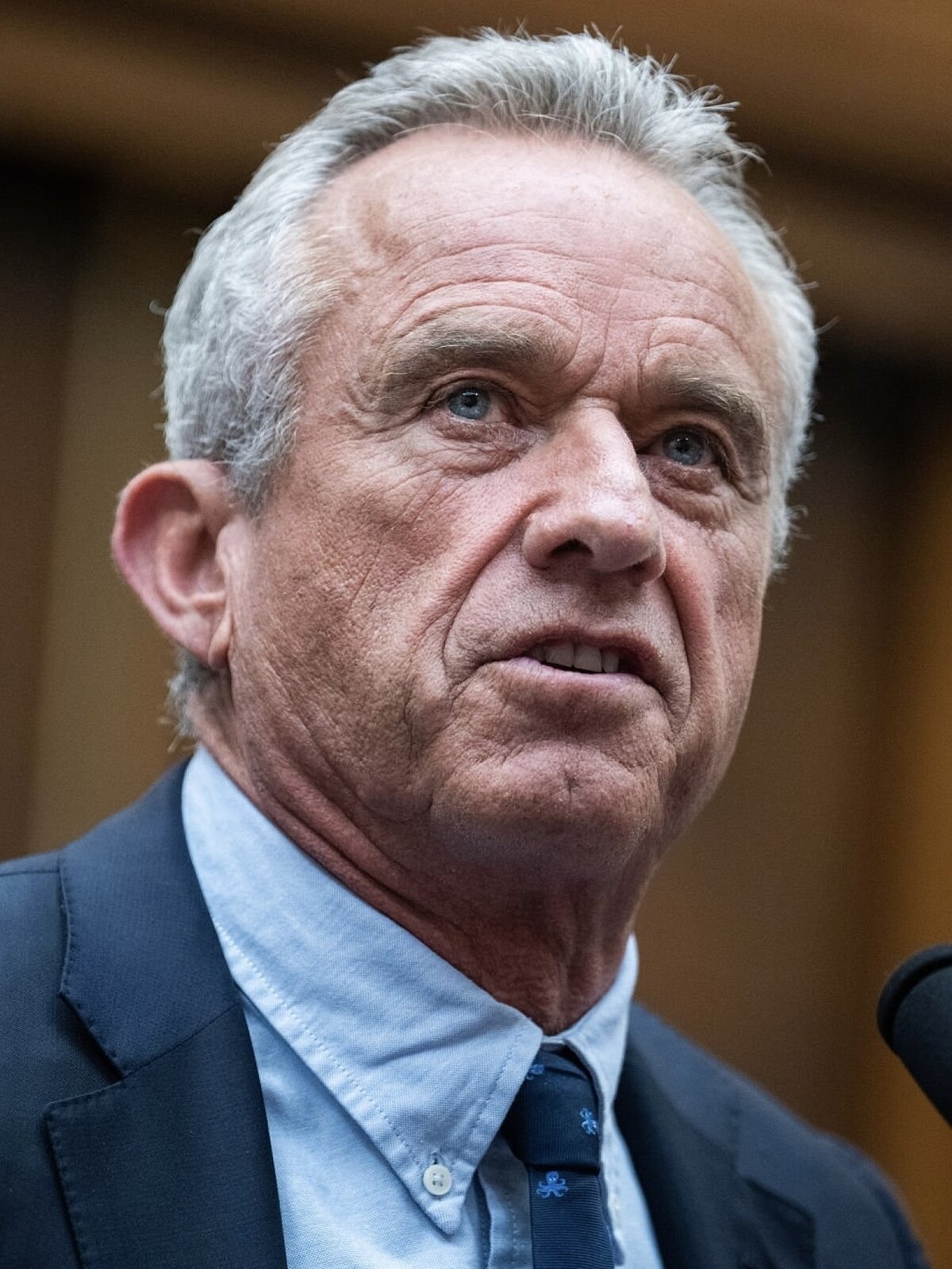
No matter how good your intentions, ignoring the evidence is a recipe for disaster.
It seems plain that key health agencies are now in the hands of earnest, well-meaning people who, unfortunately, don’t know what they’re talking about. For example, the CDC’s advisory committee on vaccines is largely composed of anti-vaxxers. When the committee recently decided to eliminate a recommendation for Hepatitis B vaccines, none of the speakers who addressed the committee, and no one on the task force assigned to investigate the question, was an expert on the disease.
CONTINUE READINGIs This the End of Cost-Benefit Analysis?
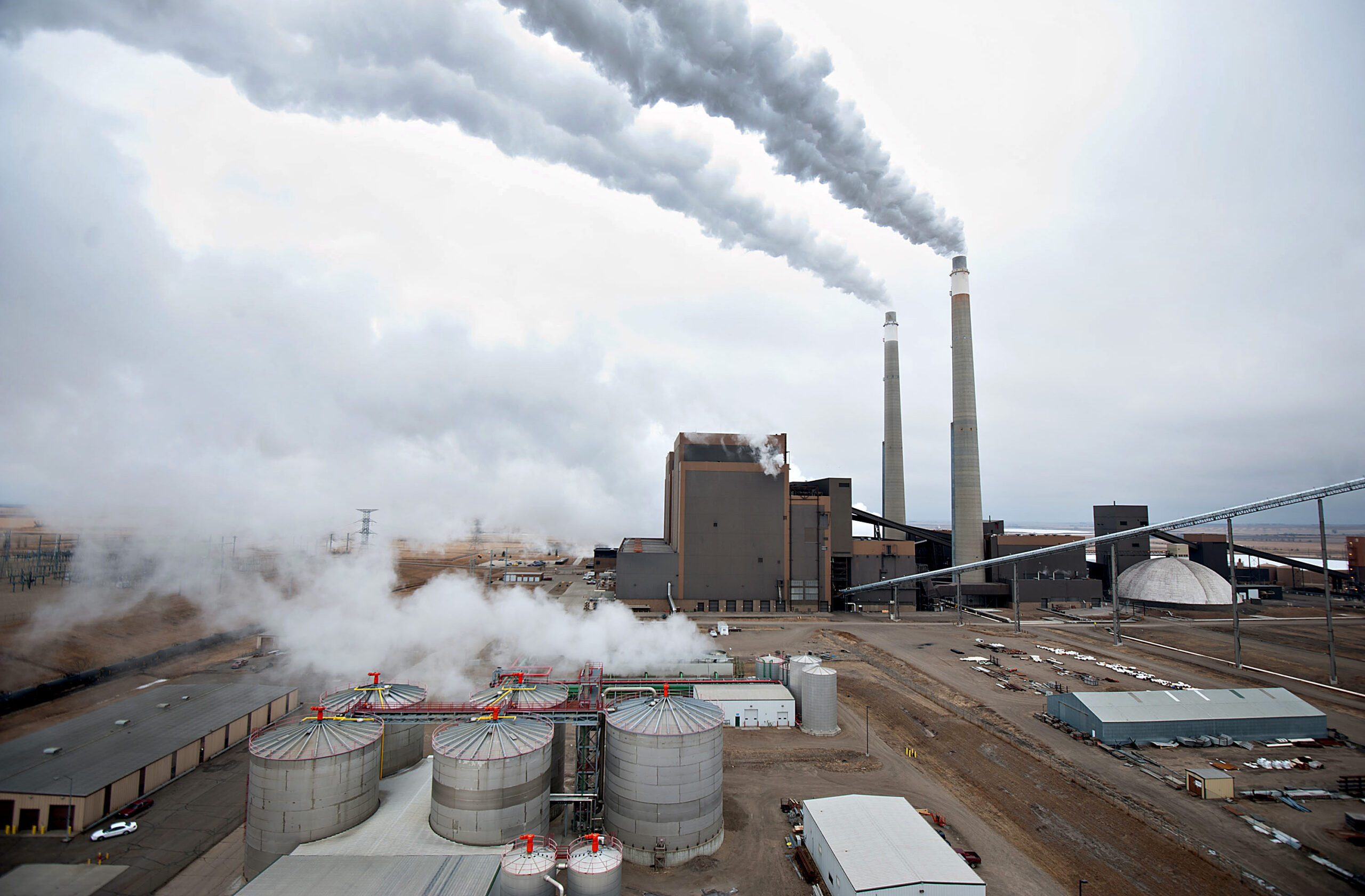
Trump’s EPA is effectively abandoning economic analysis
Maybe the Administration means to keep cost-benefit analysis in place for some other kinds of regulations at EPA or elsewhere. But if the courts uphold the EPA’s refusal to quantify the enormous harms caused by air pollution, it’s hard to see an argument for quantifying many other regulatory benefits. In other settings, environmentalists might applaud the repeal of cost-benefit analysis. In the current setting, however, the purpose is all too plain: to make it easier for the Administration to ignore the ways it is endangering human life and health.
CONTINUE READINGNEPA and Democracy
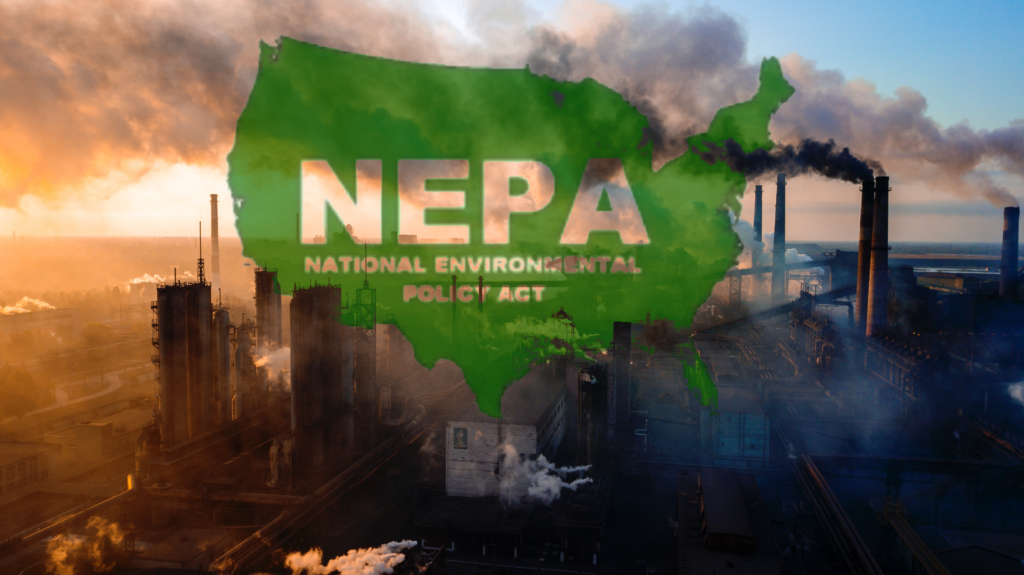
The Trump Administration is at war with transparency and public input.
The Administration is out to limit public oversight of government actions that, taken alone or as a group, will have major environmental impacts – notably, oil production, coal mining, nuclear reactors, and pipelines. Congress will also have less visibility into these important decisions. People are often impatient about procedures that slow decision making, sometimes properly so. But the solution is not a secretive decision-making process. If it’s true that democracy dies in darkness, it’s also true that ugly things rawl out of the woodwork when the lights are off.
CONTINUE READINGJoin Our Mailing List
Climate policy is changing rapidly. Stay in the loop with expert analysis via email Monday - Friday.