









































From Sivuqaq’s Shores in Alaska to the UN: The Fight for Military Cleanup & Indigenous Rights
Per- and polyfluoroalkyl substances (PFAS), also known as ‘forever chemicals’ are intoxicating the Sivuqaq people
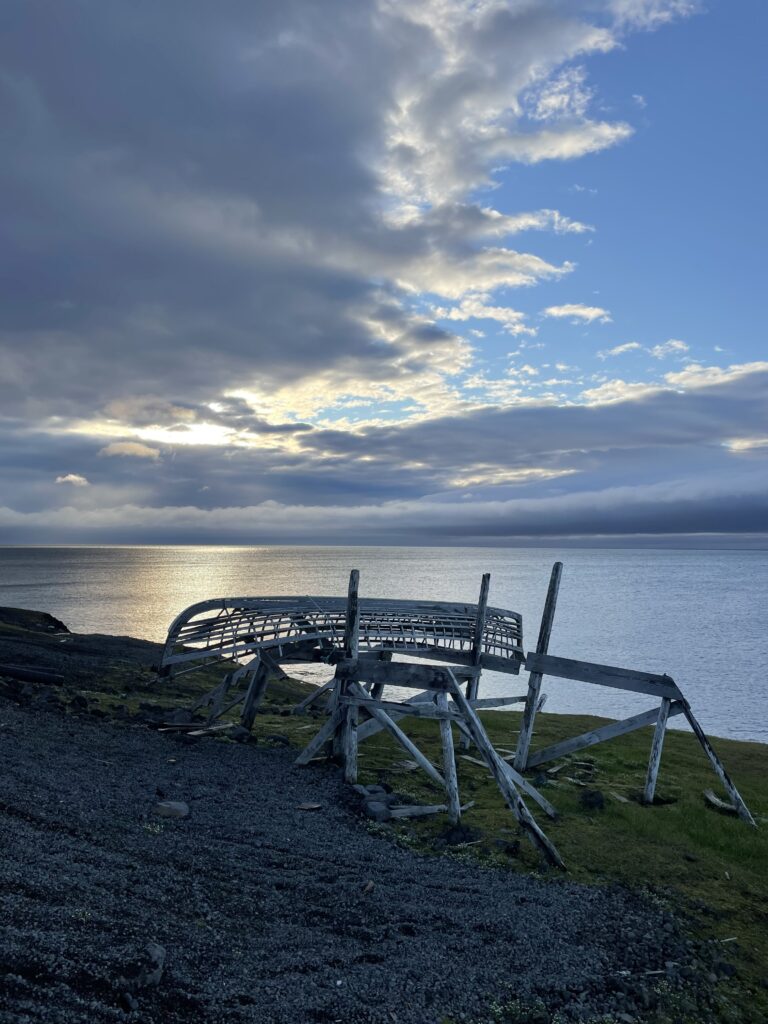
“It was so beautiful. Little did we know it was so toxic”, declared Karen (Pungowiyi) Nguyen, a former Indigenous resident of Sivuqaq Island (more commonly known as St. Lawrence Island) in the Northern Bering Sea, when we interviewed her in Alaska in early 2024. She recalled how, as children at the Northeast Cape on Sivuqaq, her family used to swim in the ponds of the Suqi River watershed, “out by the dumps”. “There was one that was really fun to play in, and it was different colors of gold”, declared Karen. She was unaware of any pollution until decades later – after her family members developed cancer and a health aid from the Island, Annie Alowa, documented the health harms of military contamination disproportionately afflicting her people. Carrying Annie’s legacy forward, the Indigenous Tribes of Sivuqaq in partnership with Alaska Community Action on Toxics (ACAT), an environmental justice non-profit, are now seeking remedies at the United Nations (UN).
The Yupik people thrived on Sivuqaq for millennia, enjoying a traditional way of life, until the military came and altered their environment and harmed their health. Karen’s experience illustrates the devastation of environmental injustice on Sivuqaq, where two Formerly Used Defense Sites (FUDS) are located at Gambell and Northeast Cape. These military bases constructed in the early 1950s by the U.S. Air Force were subsequently abandoned, leaving “piles and piles and piles of trash and rusty barrels everywhere … as far as her eye could see”, said Karen. The Indigenous Tribes of Sivuqaq and ACAT have over 25 years of scientific evidence proving that the remediation is insufficient for the public health, to reestablish the native community at the Northeast Cape and for the people to use the land and natural resources.
At the request of the Tribes (the Native Village of Gambell and the Native Village of Savoonga) and through community-based participatory research in partnership with ACAT, the research team found that Yupik people of Sivuqaq have concentrations of polychlorinated biphenyls (PCBs) in their blood serum that are six times higher, on average, than those found in people who live in other U.S. States. PCBs can cause health harms such as neurodevelopmental harm, cardiovascular diseases, liver and cancers. Additionally, Savoonga residents that have close familial connections with the Northeast Cape — where one of the FUDS is located — or who use this location for traditional subsistence activities, have higher levels of PCBs in their blood serum than Sivuqaq residents who are not associated with the Northeast Cape. Additionally, those with familial ties to the Northeast Cape face extra health risk due to increased exposure to local military pollutants. Indeed, the residents of the Northeast Cape were displaced to the village of Savoonga and — still to this day — cannot return to their ancestral lands for fear of putting their health and well-being at risk.
Furthermore, the research team collected traditional food samples and analyzed them for PCBs, pesticides and heavy metals. Concentrations of PCBs from all marine mammal samples were at levels that the US Environmental Protection Agency advises “restricted consumption”. Elevated levels of heavy metals were present too. A 2022 study found that Troutman Lake, near Gambell, contained polybrominated diphenyl ethers (PBDEs) and per- and polyfluoroalkyl substances (PFAS) in fish analyzed. Scientists found multiple associations between serum PFAS and PBDE concentrations and circulating concentrations of thyroid hormone homeostasis in Yupik people. PFAS and PBDEs can cause endocrine and reproductive disruption and increased cancer risk.
ACAT and the Sivuqaq Tribes have advocated for adequate remediation in Sivuqaq for decades and are pleased that the UN Special Rapporteur on Toxics and Human Rights has included the case of Sivuqaq in its recent report Military Activities and Toxics (A/80/174). It states that the Indigenous peoples of Alaska condemn the prevalence of cancer in their communities resulting from the abandoned U.S. FUDS. This report, presented to the UN General Assembly in New York on October 23rd, 2025, stressed the urgent need for measures to remediate the harm caused by military contamination, in line with States’ human rights obligations. This recognition by the UN is important, particularly given the location of Alaska in the Arctic, which, as a result of climate change, is warming four times faster than the planet as a whole and where permafrost is releasing sequestered contaminants as it melts. Tomorrow, January 9th, 2026, is the deadline for the UN Special Rapporteur’s Call for Input inviting all stakeholders interested in issues relating to toxics, PFAS, and human rights to provide input for the preparation of his thematic report. According to the Call for Input, contributions may be country-specific, general, or academic in nature and may include information on PFAS exposure and impact, environmental justice, philosophy, science, transboundary movements, response measures and access to justice and accountability.
The Yupik people face devastating injustices where the U.S. government has dismissed the importance of their subsistence foods, their rights to clean water, land free of harmful chemical substances, their right to fish, hunt and gather berries and greens in Sivuqaq. The U.S. Army Corps of Engineers and other regulatory agencies fail to acknowledge the gravity of violating the Yupik people’s human and indigenous rights. Moreover, the U.S. government violated a 1951 agreement with the Native Village of Savoonga Tribe prohibiting the despoiling of Sivuqaq by abandoning and dumping waste.
Given this injustice and through documenting with affected individuals, and representation from the University of California, Berkeley Environmental Law Clinic, ACAT and the Tribes on Sivuqaq filed a Complaint with the UN Special Rapporteur on Toxics and Human Rights on March 12, 2025. They request that his office issue UN Special Procedure communications to the U.S. Department of Defense, the U.S. Environmental Protection Agency, and the Alaska Department of Environmental Conservation in the form of letter of allegations (where experts report on alleged human rights violations). The Complaint also requests that these authorities cease the violations of Sivuqaq residents’ human rights, examine them, prepare a report and conduct an in-depth investigation, visit Sivuqaq to better understand the ongoing crisis that threatens the Yupik people’s way of life, environment and public health for present and future generations, as well of lives lost too soon due to health harms. While the case is currently under examination, ACAT and the Tribes are calling on the UN Special Rapporteur to pursue formal procedures.
“I feel like they’re watching me die”, explained Karen to us, as she shared her struggles and those of her family members dealing with cancer. Today, she has resettled in Anchorage. However, she still eats traditional foods from Sivuqaq and will continue to do so, given the deeply rooted spiritual and cultural significance the food has for herself and her community, and despite the contamination and fear for her health.
This post was authored in collaboration with Viola Waghiyi and Pamela Miller from Alaska Community Action on Toxics (ACAT).


About Chloé F.

Chloé F. Smith is a Climate Change Research Fellow in the Climate Program at the Center for Law, Energy & the Environment (CLEE). Chloé’s research focuses on clim…
READ more
Reader Comments