
























































Region: National
The Walz-Vance Debate and Environmental Policy

After Hurricane Helene, Vance and Walz were pressed on climate change during the VP debate. Here’s everything they said on energy and the environment.
The subject of climate-fueled disasters figured prominently in the vice presidential debate. The CBS News moderators asked a question about climate change within the first few minutes, although the multi-faceted answers weren’t always factual and much of the post-debate discussion in newsrooms and spin room interviews centered on contentious yet civil exchanges on immigration and …
Continue reading “The Walz-Vance Debate and Environmental Policy”
CONTINUE READINGClimate Politics and Policy in Nebraska
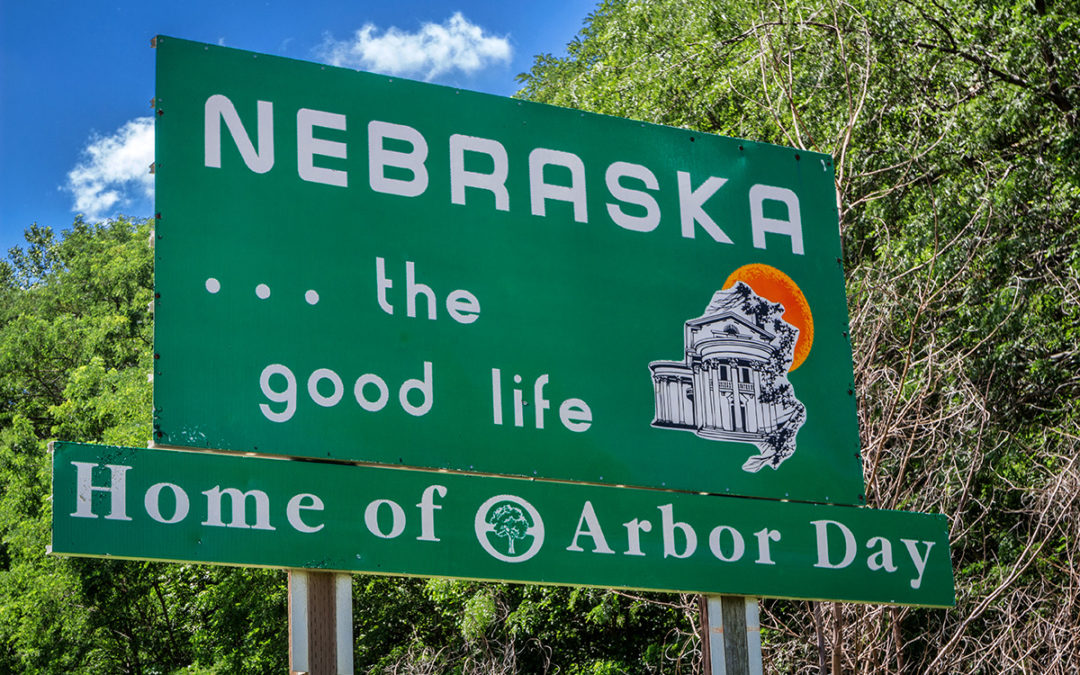
In a divided nation, could the Cornhusker State turn out to hold the balance of power?
In what has turned out to be an interesting Senate race, Republican incumbent Deb Fischer is facing Independent Dan Osborn (I). Fischer has a lifetime score of 8% from the League of Conservation voters and hates EVs. Osborn seem pro-renewables. The outcome could determine control of the U.S. Senate.
CONTINUE READINGClimate Policy After the 2024 Election
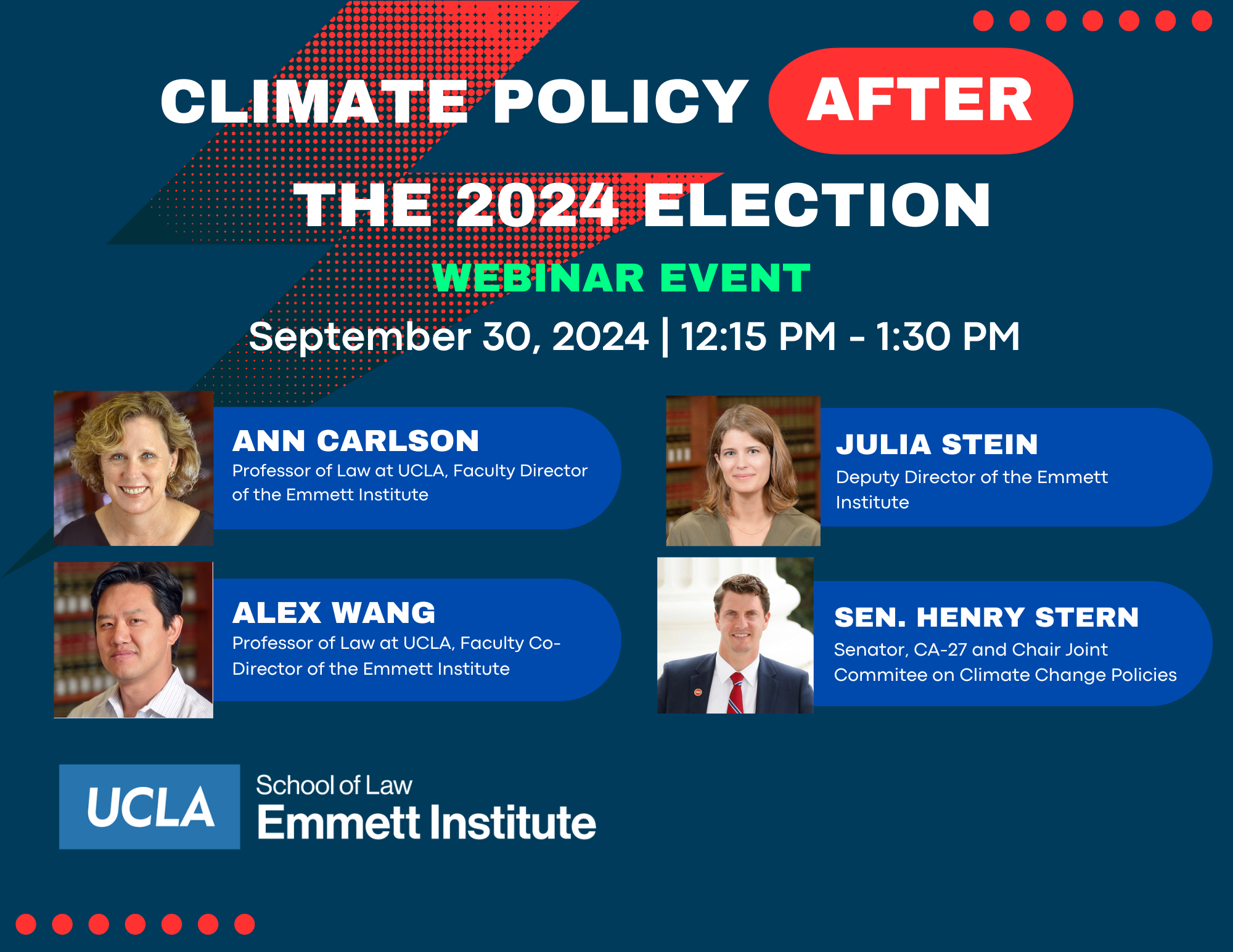
In this UCLA Emmett Institute webinar, panelists discussed the climate implications of the 2024 election from the state, national, and international perspective.
Climate certainty. Legislative action. Whipsaw regulations. An exodus of civil servants. Chinese leadership despite being the world’s largest emitter. Those are a few of the possible outcomes of the Nov. 5 presidential election, according to our panelists. More than in any previous election, the two major candidates’ track records on environmental policies are well-established and …
Continue reading “Climate Policy After the 2024 Election”
CONTINUE READINGEvolving Energy Positions, 2016-2024
The national debate over climate and energy has shifted since Trump’s first run in 2016.
Coal, once a political flash point, has almost disappeared as an issue, with oil and gas production in unchallenged first place for Republicans. Clean energy subsidies, a side-issue in 2016,, have now taken center stage, while EPA regulations get much less attention. The one thing that remains unchanged is the gulf between the parties.
CONTINUE READINGThe Contract with America
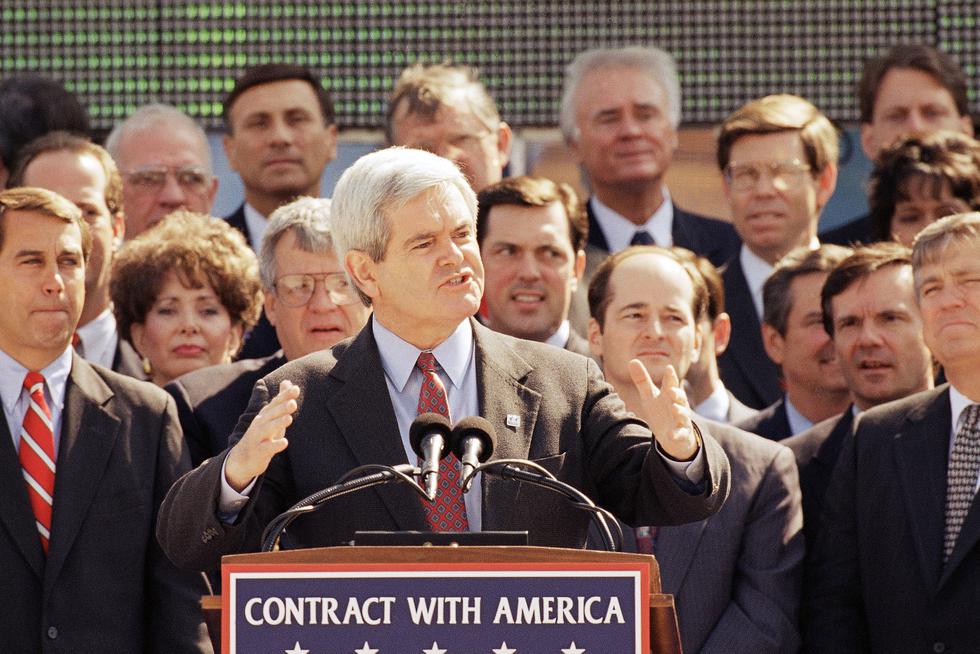
Or, as some critics called it, “the Contract ON America.”
The Contract with America was the brainchild of Newt Gingrich. It was a turning point in American politics: moving the GOP from compromise to confrontation, nationalizing what had previously been locally oriented House races, and shifting the GOP far to the right. There’s a reason they call Gingrich the man who broke Congress.
CONTINUE READING‘Schedule F’ Would Be Bad—Even for Trump
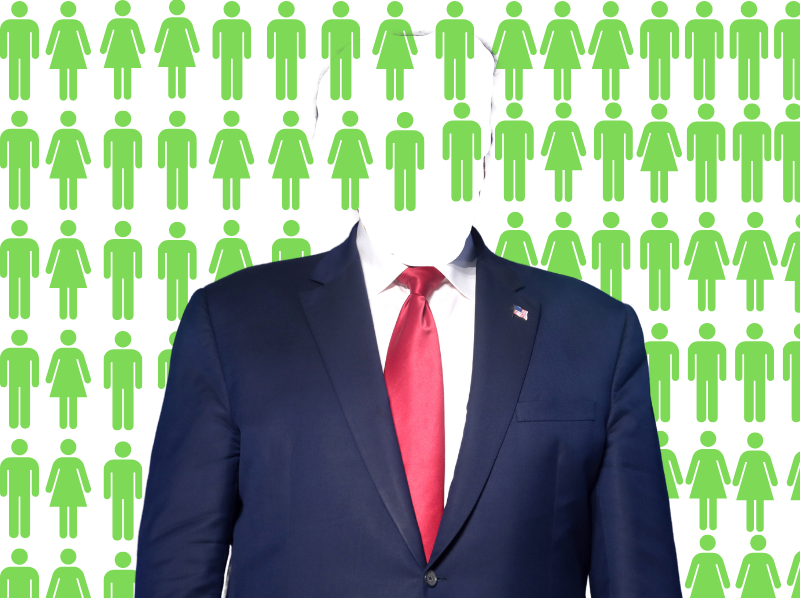
My time in the Biden administration shows that Project 2025’s proposal to purge civil servants would be bad policy for everyone.
Here’s one of the best kept secrets of the federal government: nothing gets done without effective civil servants. I learned this secret firsthand in the three years I just spent at the National Highway Traffic Safety Administration (NHTSA), first as Chief Counsel, then as Acting Administrator. Political appointees, as I was, help set an agency’s …
Continue reading “‘Schedule F’ Would Be Bad—Even for Trump”
CONTINUE READINGThe Battle for Congress: Key U.S. House Races in California
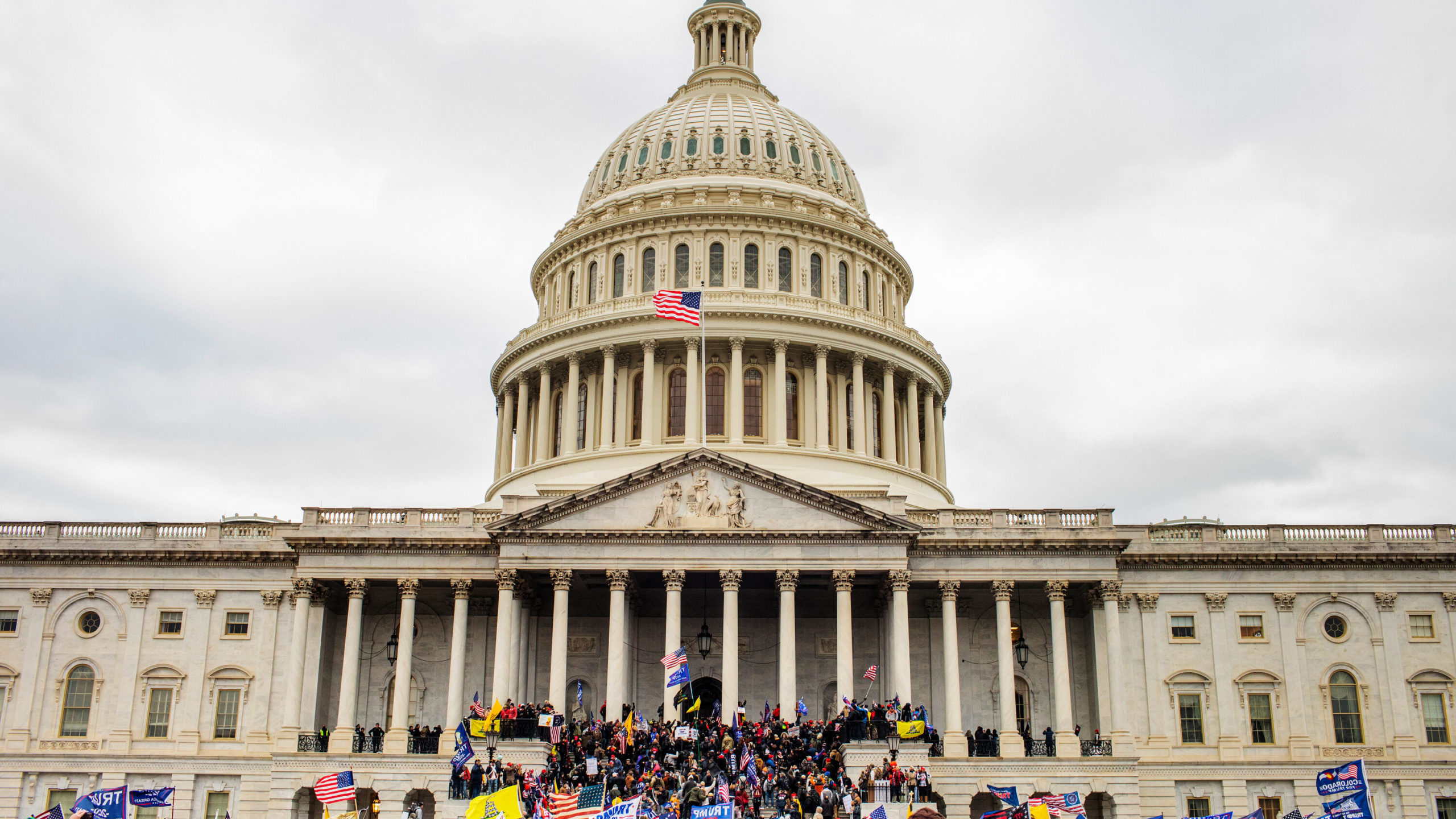
These elections could prove critically important to how much the next President can reshape energy and environmental policy.
These are key races for control of the House: if they did all flip and Democrats held their remaining seats, Hakeem Jeffries would be the next Speaker. The battle for control of the U.S. House is going to be very tight. Democrats need to pick up only four seats to flip control – something that will be especially important for them if Trump wins and Republicans win the Senate as expected. Especially in that scenario, control of the House will have a big impact on climate and energy policy, one way or the other. It doesn’t look like climate or energy are major issues in the key U.S. House races in California. Only one candidate (Dave Min) devotes significant attention to them. To avoid unintentionally distorting anyone’s views, these descriptions are taken straight from their campaign websites.
CONTINUE READINGCommunity Solar: Compensation
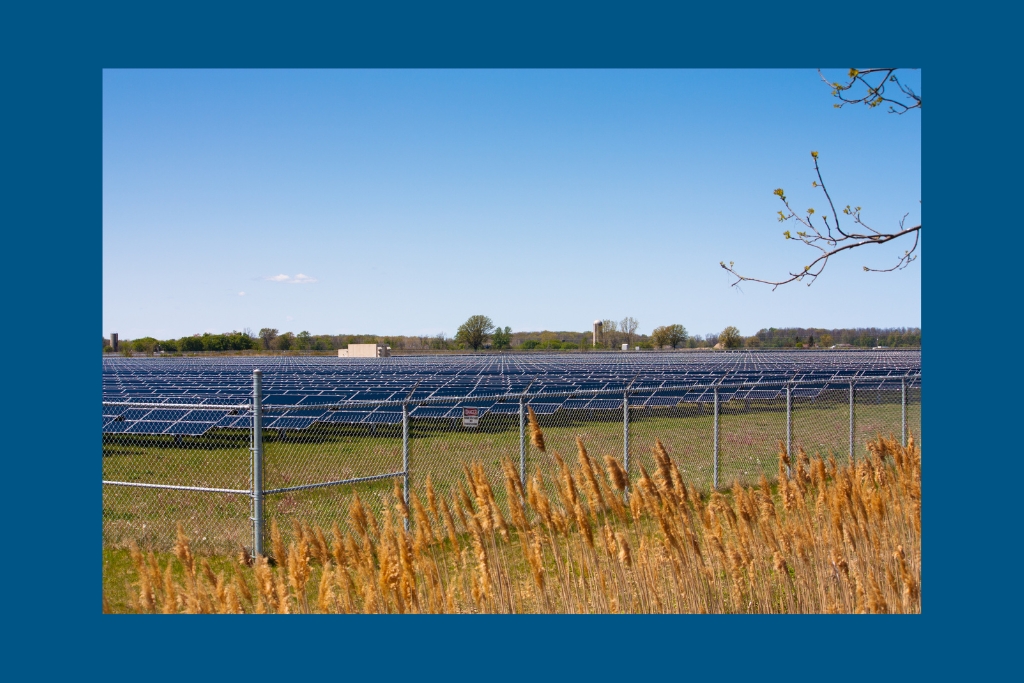
Who gets the money? Compensation mechanisms are where a lot of the power of these programs resides, but naturally, also the debate.
This post is co-written by Naomi Caldwell (J.D. ’24, UCLA School of Law). Two recent posts explored community solar through the lens of its many potential benefits. (Part One on systemwide benefits and Part Two on local and individual benefits.) Today’s post follows the money, exploring community solar compensation mechanisms. The question of who makes …
Continue reading “Community Solar: Compensation”
CONTINUE READINGThe Dirty Truth Behind a Feel-Good Energy Story

The San Francisco 49ers just became the first NFL team to buy sustainable aviation fuel. But that move is overshadowed by Big Oil sponsorships in sports.
Did you see the story about a new ‘NFL first’? The San Francisco 49ers announced that it was the first NFL franchise to buy sustainable aviation fuel or SAF —enough to fly from San Francisco to LA for their Sunday game against the LA Rams. The story generated headlines, the way any “first” tends to. …
Continue reading “The Dirty Truth Behind a Feel-Good Energy Story”
CONTINUE READINGThe Libertarian Critique of Trump’s “Schedule F”
As it turns out, you can hate BOTH government regulation and Trump’s assault on the “deep state.”
Installing inexperienced ideologues in the executive branch won’t accomplish anything useful and would only make it harder to implement deregulatory policies. The main effect of Schedule F would be gridlock rather than policy change
CONTINUE READINGJoin Our Mailing List
Climate policy is changing rapidly. Stay in the loop with expert analysis via email Monday - Friday.