


























































clean energy
A quick overview of the Senate permitting reform bill
Senate bill has major changes for NEPA, some changes for Clean Water Act
The bipartisan permitting reform bill – at least the Senate version – is out. You can see it here. My initial take on the bill is below, and I hope to do some more detailed examination of specific provisions soon. My focus will be on the environmental law side, not the transmission side, since that …
Continue reading “A quick overview of the Senate permitting reform bill”
CONTINUE READINGThe Dim Outlook for Trump Energy Dominance
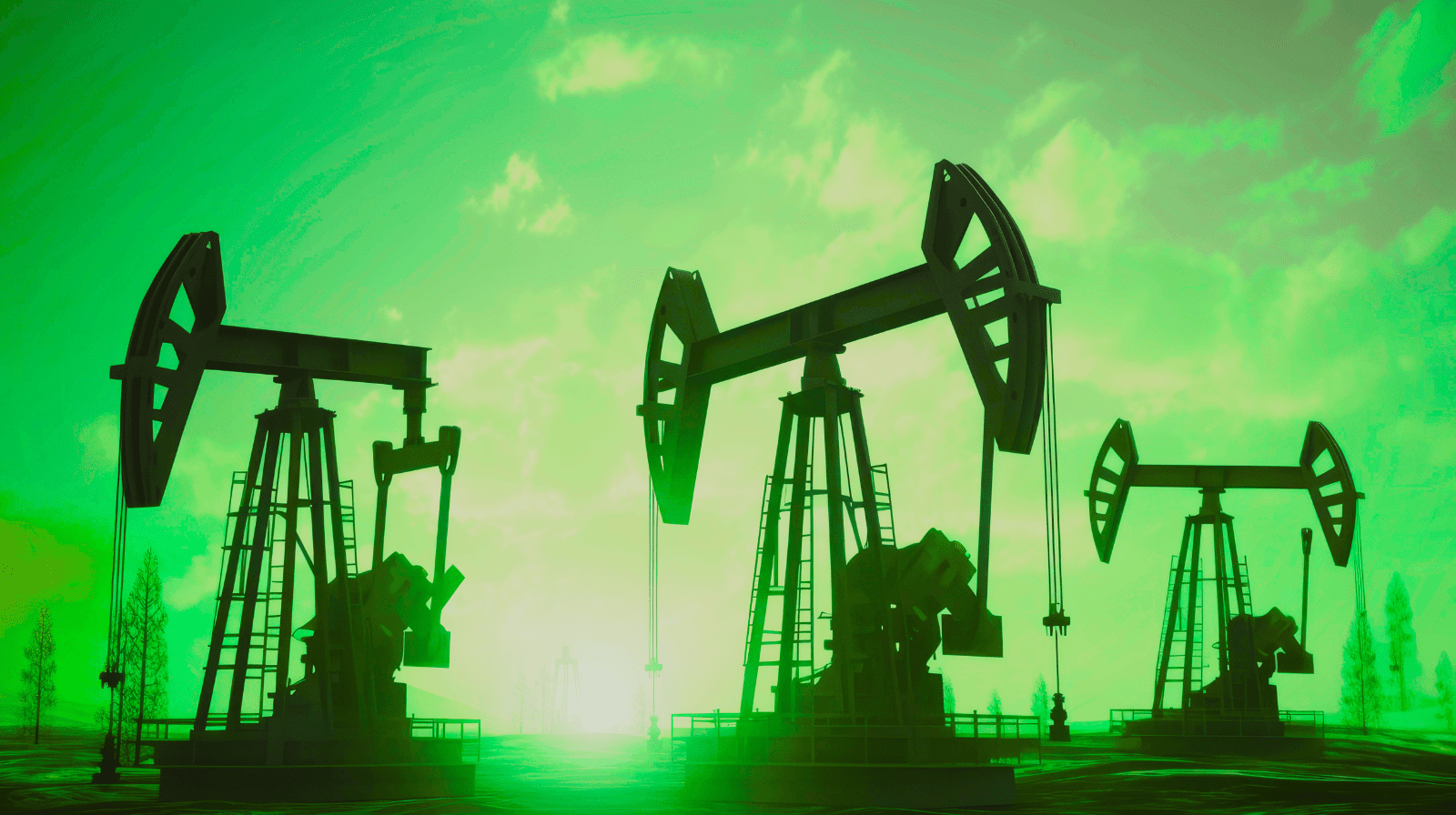
About the best he can hope for in the long run is to maintain the status quo.
U.S. oil is seeing a future of declining U.S. and global demand for gasoline and diesel, with U.S. production also remaining stagnant. The future for natural gas production is looking rosier given increasing energy demand and possible growth in U.S. exports. From the perspective of the oil industry, this is probably an optimistic forecast. It assumes that there are no major advances in battery technology that would further accelerate adoption of EVs or sharp decreases in the price of solar. It also assumes that nuclear power doesn’t expand globally, and that other countries are willing to trust the U.S. as a source of a vital energy resources.
CONTINUE READINGStrategies for the 2030s
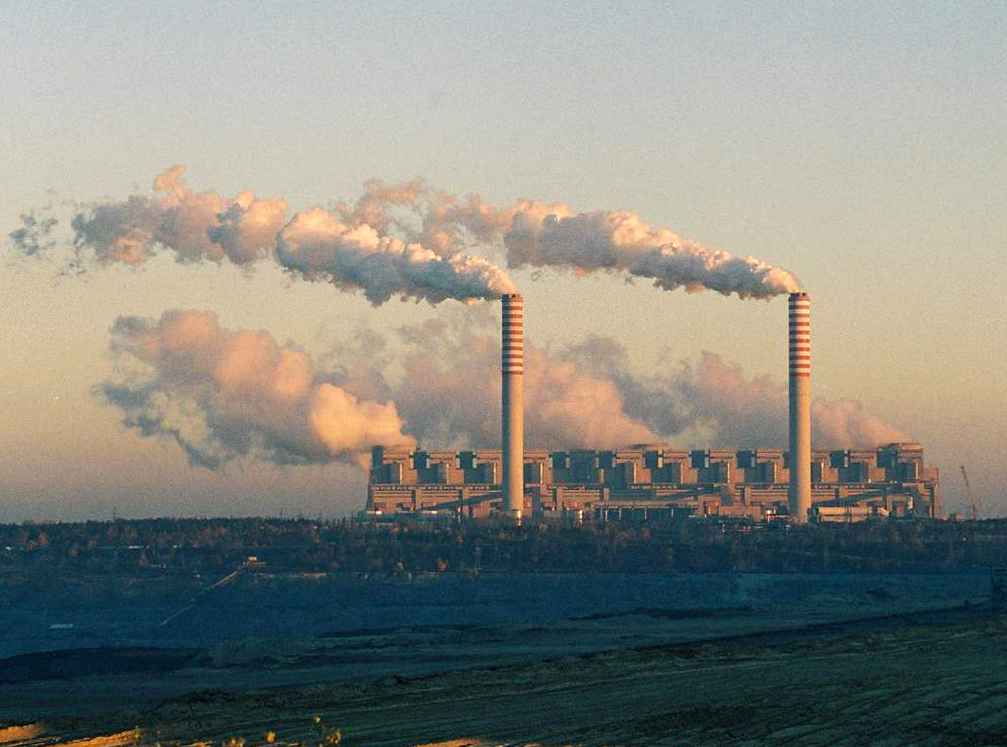
We lost the Battle of 2025. But we haven’t last the fight for sustainability.
Two recent models have some welcome news: Trump’s rollbacks and assault on the Inflation Reduction Act have not been as cataclysmic as feared. At least not yet. The models come from different sources — an MIT researcher and the Rhodium firm — using different methodologies. The models also have implications about the next steps in climate policy. Both models highlight the critical need to rip down barriers to clean energy and transmission build out.
CONTINUE READINGToo Cheap to Meter?

Unlimited energy abundance is more of a pipe dream than a realistic policy goal.
A recent post by Matt Yglesias on on “the case for clean energy abundance” disturbingly off pitch. One reason is that the post seems unduly dismissive of environmental harms. It pooh-poohs objections to a proposed ultra-large solar that would destroy what Yglesias describes as a “bunch of forest.” Maybe this would be warranted, but it’s not wrong to consider the environmental cost. Yglesias also opposes efforts to restrict fossil fuel production. This is partly on political grounds, because it makes it hard for Democrats to win in places like Louisiana, and partly because he doesn’t think those efforts accomplish much anyway. Yglesias could be right about the benefits of this hands-off approach, to regulating fossil fuels but it would be nice to see some acknowledgement of the harm to public health and the environment. Instead, he describes the only problem with coal as being “smoggy,” which underplays coal’s serious public health and environmental harms.
CONTINUE READINGHow Trump Is Boosting Clean Energy Everywhere Else

It’s partly the Iran war. But there’s also another reason.
One of the winners from Trump’s presidency has been the clean energy industry. He’s had some success in his U.S. campaign to slow clean tech, but the global picture is quite different. If anything, Trump is boosting the energy transition outside the United States. We are still the world’s largest economy, but we’re only 15% of global GDP (measured by purchasing power parity). The rest of the world no longer dances to our tune.
The Iran War has been Trump’s most notable contribution to the global energy transition. Chinese solar exports doubled in a single month, an incredible surge. The war has been a sobering lessen to many countries about the dangers of relying on fossil fuels.
Building Bridges Over Troubled Waters

There are environmental issues that span the partisan divide, even today.
It turns out that the solar industry has two allies in unlikely places: Trump stalwarts Kellyanne Conway and Katie Miller (the wife of Stephen Miller). This is a reminder that, even in an era of hyper-partisanship, it is sometimes possible to create alliances across the ideological gulf.Despite polarization, there are some environmental issues that can bridge the partisan gap. T Some issues, like climate change, have become deeply polarizing. We shouldn’t give up on those, but we should also pay attention to issues that have greater potential for reaching out to Trump supporters.
Bending Under Pressure

Every now and then, the Trump Administration shows signs of reluctantly giving in to reality.
The Trump Administration’s basic stance has been to pursue ideological purity all costs, beginning with the “shock and awe” campaign of the first year. Don’t expect miracles, but there are at least a few signs that the Administration is tempering that strategy. It’s a bit comforting to see indications that reality is slowly sinking in. It’s also evidence that resistance to Trump policies isn’t futile.
Any trend toward saner policies is likely to be very limited. For instance, Trump and his supporters are too invested in climate denial to ever admit that climate change is a serious problem. The best we might hope for is that they ease up just a little on their war against clean energy. There are at least some hints that this may be starting to happen.
CONTINUE READINGCrafting a Roadmap for Zonal Decarbonization in California

A new series of briefs from the UCLA Emmett Institute offers legal insights for the gas transition. First up: SB 1221.
California has a $43 billion problem: that is the estimated cost of maintaining the state’s gas network over the next twenty years. That is an astronomical amount to spend on what state policy dictates will eventually become stranded assets: California won’t be able to meet its ambitious climate goals unless it moves away from natural gas altogether, so retirement of these assets is …
Continue reading “Crafting a Roadmap for Zonal Decarbonization in California”
CONTINUE READINGBig Decisions to Come in 2026

The Drain is a weekly roundup of environmental and climate news from Legal Planet.
I spent much of 2024 warning about the nihilistic goals of Project 2025 and then spent 2025 watching a lot of it come true. Our collective project for 2026 is to settle on solid alternatives to MAGA and decide on candidates. Luckily, last year also brought a growing resistance movement, lots of litigation, and unpopularity …
Continue reading “Big Decisions to Come in 2026”
CONTINUE READING2026: The Year Ahead

Here are six big things to watch.
What to watch for environmentally in 2026: court tests of Trump’s power, midterms, China, grid issues, and state energy moves. In 2025, Trump rolled out new initiatives at a dizzying rate. That story, in one form or another, dominated the news. This year, much of the news will again be about Trump, but he will have less control of the narrative. Legal and political responses to Trump will play a greater role, as will economic developments. Trump’s anti-environmental crusade could run into strong headwinds.
CONTINUE READINGJoin Our Mailing List
Climate policy is changing rapidly. Stay in the loop with expert analysis via email Monday - Friday.

The Drain is a roundup of climate and environmental news from Legal Planet delivered to your Inbox once a week.