


























































Clean Water Act
What BAAJA Would Do to Clean Water Act Section 401, and Why it Matters
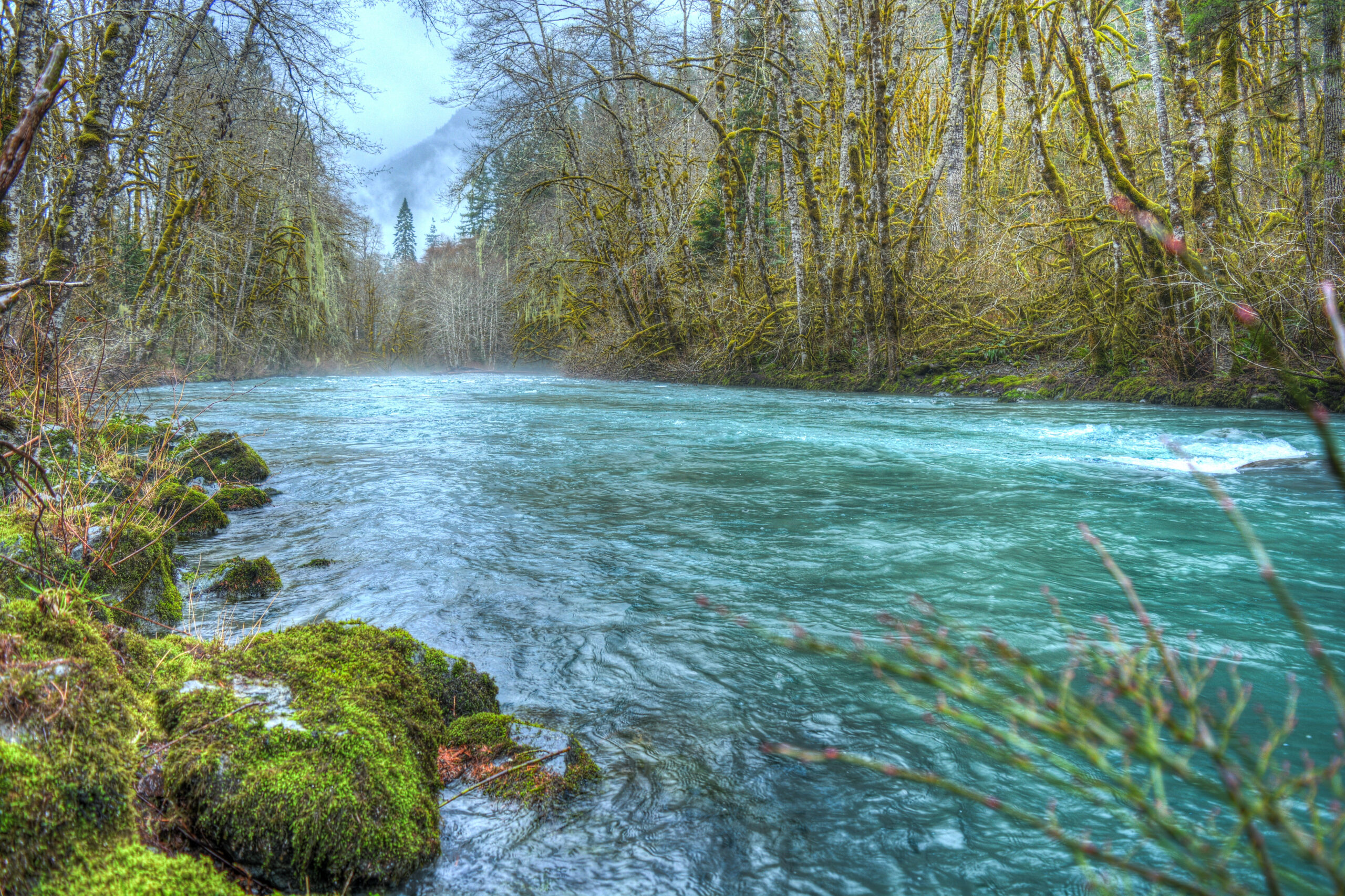
Dosewallips River
A guest post by Dave Owen
The main argument in favor of accepting this bill’s drastic changes to environmental laws is that the climate benefits of other parts of the bill make the changes worthwhile. But water management is a crucially important part of climate adaptation. Especially in a changing climate, protecting streams and wetlands is a matter of public safety; protecting aquatic resources is one of our most effective ways of managing floods.
CONTINUE READINGUnpacking the Senate Permitting Reform Bill: CWA
Clean Water Act provisions have largest impacts on Section 404 permitting, and some on Section 401 certification
This post continues my review of the provisions of the Senate Permitting Reform Bill, focusing on the Clean Water Act provisions in Title II. My introduction to the coverage of the bill is here. My discussion of Title I, covering NEPA is here (for remedies) and here (everything else). Water Quality Criteria: Section 1201 requires …
Continue reading “Unpacking the Senate Permitting Reform Bill: CWA”
CONTINUE READINGA quick overview of the Senate permitting reform bill
Senate bill has major changes for NEPA, some changes for Clean Water Act
The bipartisan permitting reform bill – at least the Senate version – is out. You can see it here. My initial take on the bill is below, and I hope to do some more detailed examination of specific provisions soon. My focus will be on the environmental law side, not the transmission side, since that …
Continue reading “A quick overview of the Senate permitting reform bill”
CONTINUE READINGStuck in the swamp?
Proposed Trump revisions to the definition of “waters of the United States” would reduce wetlands protections, but may (mostly) be required by the Supreme Court.
The Trump Administration has a proposed rule revising the definition of “waters of the United States” for the Clean Water Act (comment period closing on Monday, if you want to get your two cents in). The definition is important (and has been the subject of a lot of litigation) because it defines the scope of …
Continue reading “Stuck in the swamp?”
CONTINUE READINGA start on feasible permitting reform
A proposal from the National Governors’ Association is narrow and focused, and that’s good
I’ve written recently about the difficult politics of permitting reform at the federal level. But that doesn’t mean that there isn’t important work to be done. It does mean that successful proposals will have to be, as I wrote, low salience, thoughtful, and unlikely to provoke polarization. The National Governors’ Association has just come out …
Continue reading “A start on feasible permitting reform”
CONTINUE READINGHow broad does Clean Water Act 401 certification sweep?
Recent disputes over infrastructure projects highlights the importance of the question
Another issue for ping-pong governance over the past few years has been certification under Section 401 of the Clean Water Act. For those of you who are not deep into the weeds of the Clean Water Act, Section 401 requires (a) federal agencies that are issuing licenses or permits that (b) result in discharges to …
Continue reading “How broad does Clean Water Act 401 certification sweep?”
CONTINUE READINGLegal Safeguards Against Deregulation

Congress was aware that there could be a backlash against environmental standards. It took precautions.
If it could, no doubt the current Administration would be happy to have the same polluted air and water–and energy-wasting appliances)– that we had fifty years ago. Thanks to the anti-backsliding aspects of environmental law, however, they can’t really achieve that. The best they can generally do is to get rid of recent regulations that haven’t gone into effect yet.
CONTINUE READINGThe Ten Most Important U.S. Environmental Laws
Some of the choices may surprise you.
What are America’s most important environmental laws? Some are familiar, such as the federal air and water pollution laws, and the Endangered Species Act. But there are other people rarely hear about — even in environmental law courses — but have done a lot to protect the environment.
CONTINUE READINGThe Long Life and Sudden Demise of Federal Wetlands Protection

Here’s a timeline of events.
It’s no wonder that one EPA staffer’s reaction to the Supreme Court ruling was a single word: “Heartbroken.” In 2023, the Supreme Court ended fifty years of broad federal protection to wetlands in Sackett v. United States. It is only when you look back at the history of federal wetland regulation that you realize just …
Continue reading “The Long Life and Sudden Demise of Federal Wetlands Protection”
CONTINUE READINGBowing to the Inevitable

The Supreme Court declared open season on the nation’s streams and wetlands. New regs are the result.
On August 25, EPA and the Army Corps of Engineers (“the agencies”) issued a joint rule, which modifies their previous rule on federal jurisdiction under the Clean Water Act in order to conform with the Supreme Court’s Sackett decision. Sackett was a deeply misguided and harmful ruling — but it is nevertheless the law. The …
Continue reading “Bowing to the Inevitable”
CONTINUE READINGJoin Our Mailing List
Climate policy is changing rapidly. Stay in the loop with expert analysis via email Monday - Friday.

The Drain is a roundup of climate and environmental news from Legal Planet delivered to your Inbox once a week.