

























































democracy
Gorsuch is (Partly) Right

Justice Gorsuch is wrong about the cure, but delegation has gotten out of hand.
Justice Gorsuch has made it a personal crusade to revive the nondelegation doctrine, in part because of concerns about the rising tide of presidential power. The nondelegation doctrine tries to limit the ability of Congress to delegate authority to the executive branch. That’s an unworkable solution, but Gorsuch is right that Congress has put far too much trust in the good faith and sound judgment of the President and his subordinates. That’s especially true of national security and emergency powers.
CONTINUE READINGThe Environment Dies in Darkness

Suppressing the rights of free speech and association is deadly to environmental protection.
It’s not a coincidence that the title of this post is taken from what used to be the motto for the Washington Post until its billionaire owner decided that democracy was not, after all, a priority. Because of the inherently collective nature of environmental protection, democracy and environmental protection are inseparable. The government’s efforts to suppress opponents have a cumulative effect, creating a climate of repression. If we want to fight global warming, we also need to fight the chilling effects of repression on First Amendment freedoms.
OMB’s New Grant Regulations: A Deeper Dive

A close look at OMB’s proposed rule only heightens concerns.
Is OMB’s proposed rewrite of federal grant regulations as bad as it sounds? Sadly, the answer is yes. Below, this posts takes a close look at some key provisions in the regulations. Some raise constitutional problems. Others are merely bad policy, undermining merit review, deterring valuable research, and skewing research toward the politics of the moment.
CONTINUE READINGFive Lessons from the Tariff Case
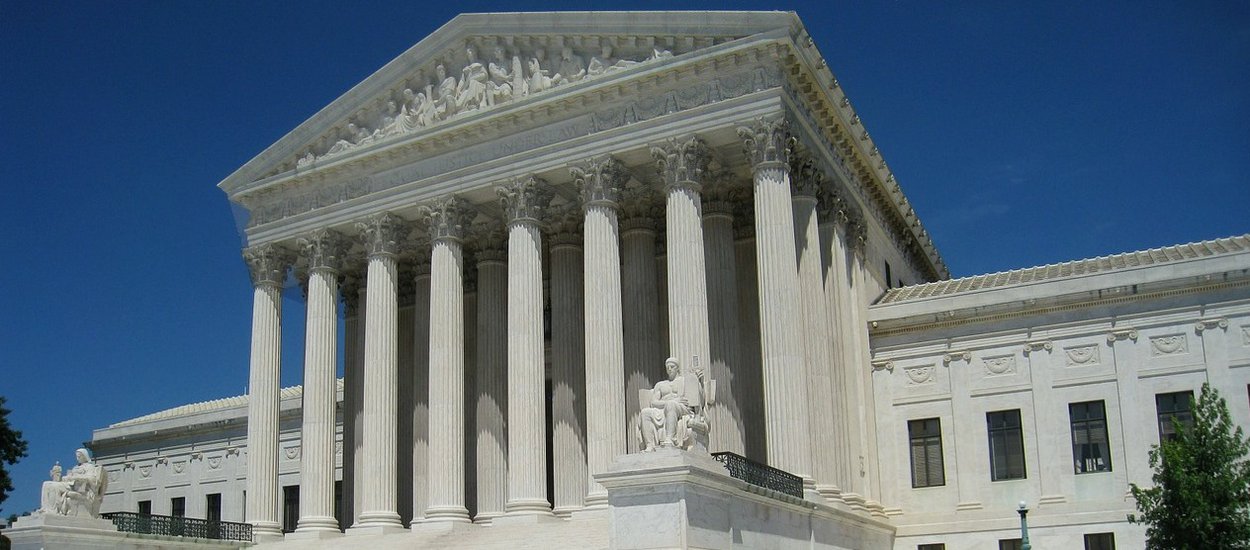
What can the case teach us about litigating environmental cases against Trump?
Learning Resources v. Trump, the recent tariff ruling, doesn’t say anything direct about environmental cases. But there are a series of useful lessons for environmental litigators. One obvious one is that the conservatives aren’t all “in the tank” for Trump (though Alito and maybe Thomas seem have gone pretty MAGA). Trump’s nasty insults of the conservatives who ruled against him probably won’t bring them back onto the Trump train. His effusive praise for the three conservatives who voted for the tariffs may even increase frictions within the supermajority. Here are five more lessons.
CONTINUE READINGA Lot Fewer Climate Reporters at the Washington Post

The Drain is a weekly roundup of environmental and climate news from Legal Planet.
I cancelled my subscription to the Washington Post earlier this week. Not to protest billionaire owner Jeff Bezos or anything. Just because I felt like I wasn’t getting all that much for my $3 a week, and it was time to downsize my media subscriptions. I had signed up for the WaPo a couple years …
Continue reading “A Lot Fewer Climate Reporters at the Washington Post”
CONTINUE READINGThe Answers are Blowing in the Wind
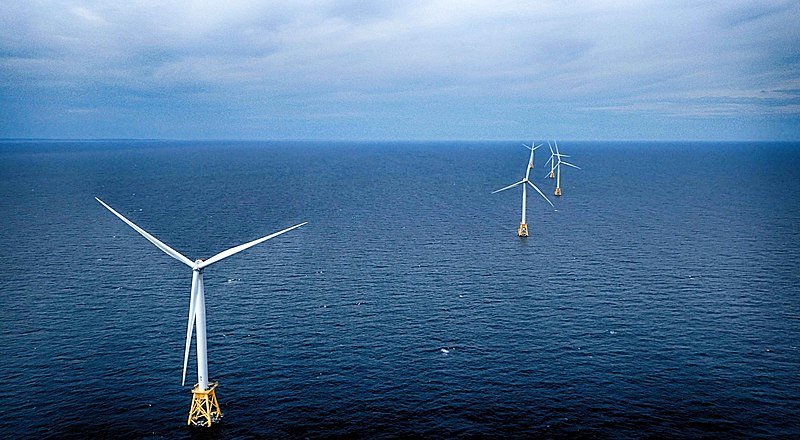
A district court overturns the moratorium on offshore wind, deciding two key legal issues along the way.
The Trump Administration advanced two far-reaching arguments in this case. One is that, when the President directs how an agency should exercise its statutory authority, normal limits on agency action don’t apply. The other is that, even if an agency action is illegal, it must remain in effect against everyone in the world except the plaintiffs who challenged it in a specific case. We can expect the government to keep pressing these points, up to and including Supreme Court review. But the district court in the offshore wind case, along with other lower courts, correctly rejected these arguments.
CONTINUE READINGThe Tariff Case & Environmental Law
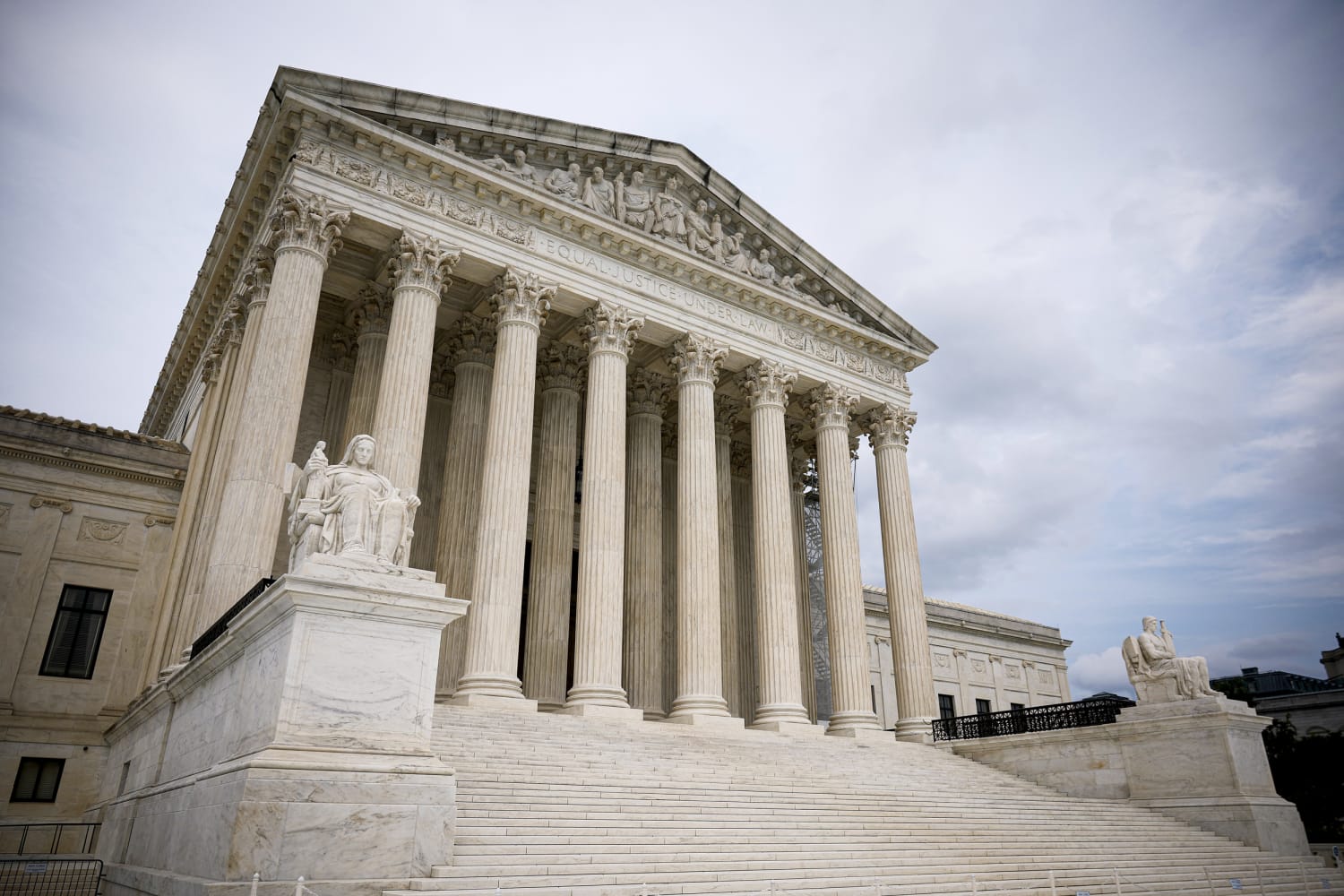
The Court’s ruling could open doors legally for some future environmental actions.
In passing a new statute, is Congress endorsing judicial rulings under the old one? Do restrictions on the regulatory powers of administrative agencies apply to foreign affairs or Presidential actions? Can courts review a President’s emergency actions? The oral argument in the Trump tariff case will provide clues into the Justice’s thinking on these key issues. The ultimate decision will have implications on other topics like environmental law. Here’s a roadmap to the issues.
CONTINUE READINGCorroding the Separation of Environmental Powers

“Who decides?” is the first question to ask about a policy issue. Trump’s answer is “me.”
Biden took actions that federal courts ruled exceeded statutory authority, raised separation of powers issues, or threatened federalism. The difference is that Trump has used brute-force attacks on agencies plus extortion against states rather than taking overt legal actions that courts can review.
CONTINUE READINGRightwing Authoritarianism vs the Environment

In the U.S. and elsewhere, rightwing authoritarians oppose climate action. That’s not a coincidence.
Project 2025 favors authoritarian presidential rule. It also wants to destroy environmental regulation, especially climate law. That’s not a coincidence. The combination of authoritarianism, extreme conservative ideology, and anti-environmentalism is common globally, not just in U.S. politics. There’s no logical connection between a belief in authoritarian government, upholding traditional hierarchies, and views about protecting the …
Continue reading “Rightwing Authoritarianism vs the Environment”
CONTINUE READINGJoin Our Mailing List
Climate policy is changing rapidly. Stay in the loop with expert analysis via email Monday - Friday.

The Drain is a roundup of climate and environmental news from Legal Planet delivered to your Inbox once a week.