



















































Climate Science Under Attack, in the Name of Global Equity
Equity for whom: The fossil fuel producers or the most vulnerable?
In the name of global equity, a coalition of carbon producers and high emitters is trying to delay the next report of the IPCC, the UN body in charge of synthesizing the world’s climate research. The report on the physical science of climate change is due in 2028, but China, India, Saudi Arabia, Kenya, and Russia want to stall into the next year. All these countries are major producers of coal, oil, or gas. Kenya might seem like the odd man out, but it is on the verge of launching major oil production, with over 500 million barrels in reserves.
The next global stock take — the assessment of how well nations are doing in the effort to reach the Paris Agreement’s targets — will be held in 2028. The science has been trending toward increased urgency in controlling emissions, and some countries would find it helpful to avoid being judged based on the most recent science. Countries like Saudia Arabia and Russia would love to have scientists under their control as part of the IPCC effort, all the better to represent oil industry interests.
The purported justification is that scientists from developing countries need more time and money to participate fully in the IPCC. The trouble is that climate scientists are heavily concentrated in developed countries, but the IPCC team does feature scientists from China, India, and a dozen or so developing countries. It obviously would be great to have more climate scientists (and scientists of all kinds) in the poorer developing countries, but that’s not going to happen overnight. And let’s face it: Atmospheric physics is the same whether you’re in Bangladesh or Germany, Riyadh or Oxford.
Of course, we could always take a little bit longer and use the time to improve developing country participation. We could continue negotiations in the meantime based on outdated research. The trouble is that climate action is … kind of urgent. That’s why the countries that are most exposed to climate change — island states and the world’s poorest countries — are aghast at the delay. A representative of the Marshall Islands described the obstructive tactics as a “shameful play for time”, warning that countries could not afford further delays. A diverse coalition including European countries, Latin American nations and small island states has pushed back, arguing for earlier publication.
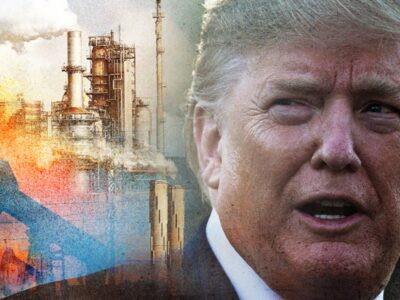
The IPCC has already lost one of its bigger funders, the United States, due to the Trump Administration. The President must be delighted to see this effort to delay the process — the longer the better, from the perspective of opponents of climate action.
Reader Comments
One Reply to “Climate Science Under Attack, in the Name of Global Equity”
Leave a Reply

About Dan
Dan Farber has written and taught on environmental and constitutional law as well as about contracts, jurisprudence and legislation. Currently at Berkeley Law, he has al…
READ more
I am reminded of the Book of Esther in the Old Testament of the Holy Bible for what it says about chicanery backfiring. In it, Haman the vizier of the Persian Empire under King Ahasuerus (Xerxes) built huge gallows from which to hang Mordecai, a Jew who found favor with the king by exposing an assassination plot against the king. Mordecai, through Esther his cousin and Ahasuerus’ new queen, alerted King Ahasuerus to Haman’s plot to destroy Esther’s people. The king then hung Haman on the very gallows that he had prepared for Mordecai.