


























































energy economics
Word on The Street

The Wall Street Journal’s news coverage of EVs is surprisingly positive.
You might expect the Wall Street Journal to take a dim view of electric vehicles, given the paper’s conservative slant. You’d be wrong. The Journal’s news coverage, which is less ideological than the opinion page, tells us something important. In a newspaper designed for businesspeople, electric vehicles are taken very seriously. That’s good news for the industry.
CONTINUE READINGConsumer Clean-Energy Sovereignty
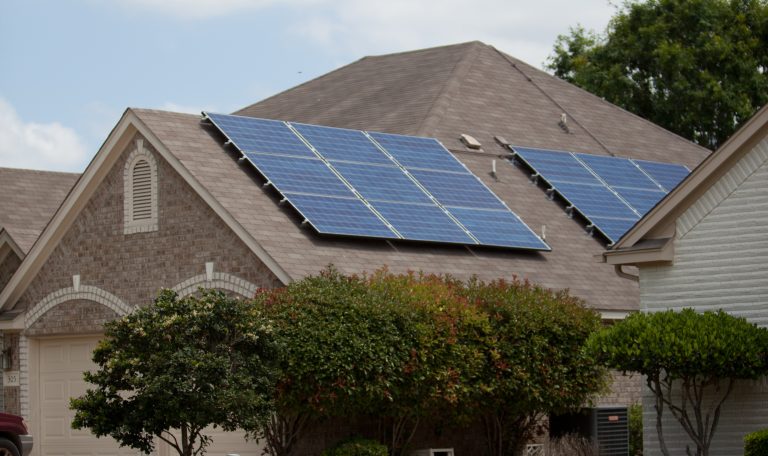
Consumers seem to be voting with their wallets for clean energy.
In the second quarter (Q2) of 2026, “clean energy and transportation investment in the United States totaled $75 billion, a 22% increase from Q1 2026 and a 4% jump from Q2 2025.” Considering Trump’s effort to summon all the power of the federal government to destroy clean energy, that’s not bad. One surprise: consumer spending accounted for more than half the total.
CONTINUE READINGGas Pains
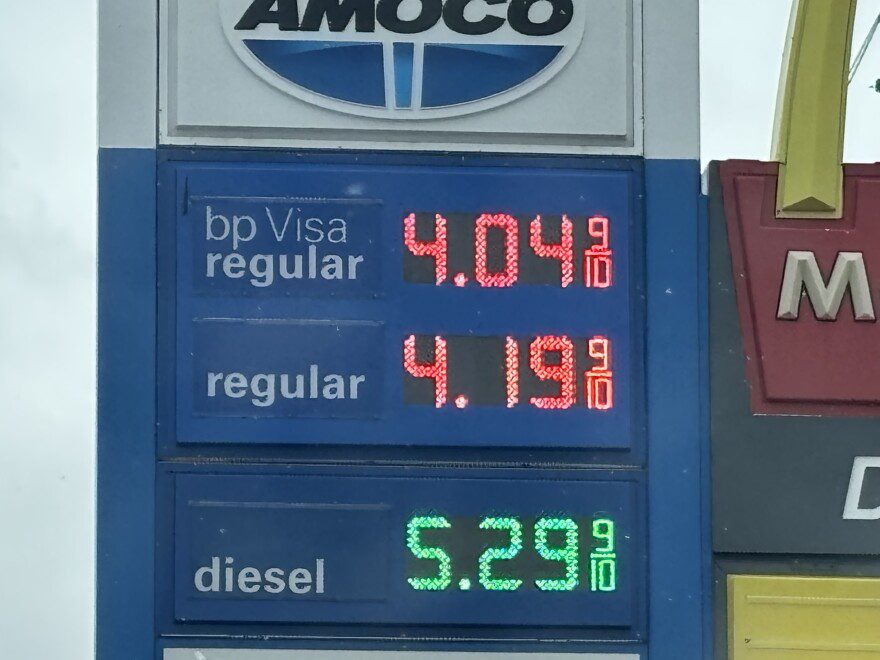
Higher gas prices are inflicting real pain on lower-income families.
Commentators seem bemused by the intense political reaction to gasoline prices, which are up by about a dollar a gallon due to the war. No doubt the reaction is accentuated because gas prices are highly visible. People buy gas frequently and even more frequently see signs posting the prices. But to a greater extent than many in the upper income distribution appreciate, the actual economic pain is very real. Current price increases presumably won’t be permanent, but the problem isn’t going to go away quickly and might well get worse.
CONTINUE READINGUnderstanding the Energy Dominance Agenda

What does this key concept in Trump’s energy policy actually mean?
The term “energy dominance” is at the core of the Trump Administration’s energy and environmental policies. But hat does it mean? Trump fleshed out the concept of energy dominance when he proclaimed October to be “National Energy Dominance Month.” (He forgot to issue the proclamation until halfway through the month, meaning it got even less attention than it might have otherwise received. Still, it unpacks some of his thinking in a useful way. Below, I’ll try to tease out answers to some of the key questions.
CONTINUE READINGThe War and the Energy Transition
The Iran War it is hitting energy markets hard. Will that affect the energy transition?
The Iran War has been a big shock to the global energy system. It’s natural to wonder what the long terms will be. What it will lead to an orgy of oil and gas drilling, or will it speed up the energy transition? There are enormous uncertainties, and making confident predictions would be a clear mistake. In this post, I’ll try to unpack some of the issues and offer a semi-educated gas about the answers.
Learning from the Laureates

The 2025 Economics Prize, Technological Innovation, and the Energy Transition
In energy technology as elsewhere, Trump is hobbling American science with budget cuts and demands for political submission. The epitome of his approach is the decision to give political appointees rather than experts the ultimate decision on each project, replacing scientific merit with politics as the deciding factor. His war on science is also a war on future economic growth. And his effort to halt creative destruction is the pathway to a stagnant economy. By trying to prop up an incumbent industry threatened by new technologies, he’s undercutting a central driver of economic growth.
CONTINUE READINGThe Woeful Economics of a Misguided Rollback
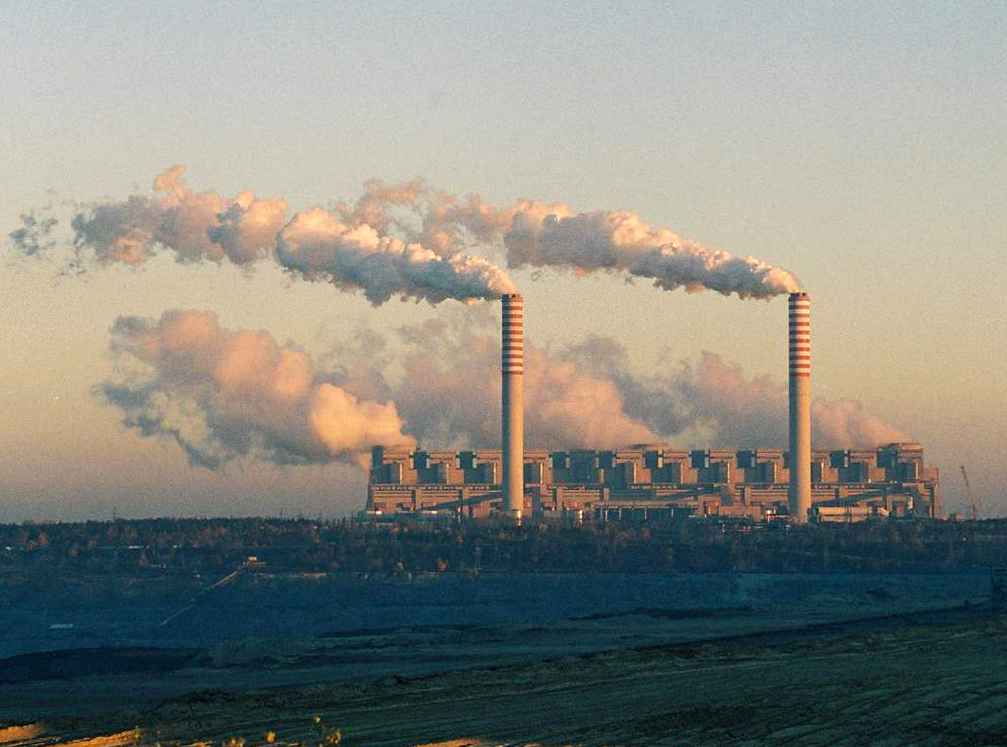
The costs of Trump’s rollback of key climate rules far outweigh any benefits.
Trump’s rollback of regulations limiting emissions from power plants is an economic disaster. According to economists, health damages far exceed savings from lower compliance costs. Just considering health impacts alone, the net cost of the rollback will be $129 billion through 2050. Climate damages add another $148 billion in costs.
CONTINUE READINGIs Trump Good for the Oil Industry?
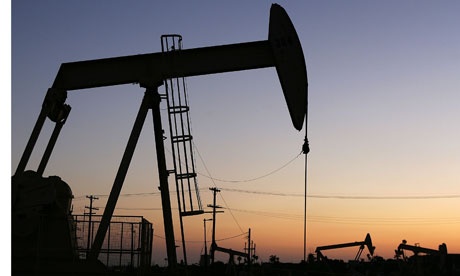
Not particularly, it would appear. If there’s an effect, it’s not big enough to hit the eyes.
No doubt, the industry would rather have Trump in office than Harris. But the effect on industry profits may only be incremental. It would be great to see a rigorous statistical analysis by a finance expert, but a bump to oil profits isn’t obvious in share prices.
CONTINUE READINGTariffs and Clean Energy: What You Need to Know
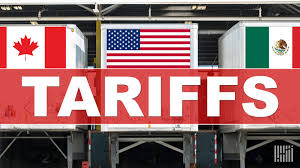
The effect of tariffs on energy markets is complex, and a lot depends on the details.
International trade economics is complicated, and we can’t be certain of how tariffs will work out, particularly in the long term when economies have fully adjusted to them. Trump’s hope is that the tariffs will cause a boom in U.S. production, although there is also evidence that protected industries are less efficient and innovative, resulting in higher consumer prices. Impacts on clean energy could be negative, The same is true for impacts on fossil fuels.
CONTINUE READINGThere are Piles of Coal in America’s Christmas Stocking

Coal is piling up, unused, at powerplants across the country
Bad children, supposedly, will get only lumps of coal in their stockings. That could be taken as a metaphor for the anti-environmental programs coming down the line, but I have in mind something a bit less metaphorical. According to a recent report, coal-fired power plants have immense piles of coal – 138 million tons, equal …
Continue reading “There are Piles of Coal in America’s Christmas Stocking”
CONTINUE READINGJoin Our Mailing List
Climate policy is changing rapidly. Stay in the loop with expert analysis via email Monday - Friday.

The Drain is a roundup of climate and environmental news from Legal Planet delivered to your Inbox once a week.