





























































environmental politics
Election 2026: Three Months to Go

Gerrymandering has given House Republicans a boost, and the Senate leans toward the GOP, but it still promises to be a real horse race.
Given partisan polarization on climate change and other environmental issues, the composition of Congress makes a big impact. We’re three months from election day. This post scopes out what things look like now. Obviously, things will change between now and the election. It’s worth reflecting, however, on how it would impact policy if current trends …
Continue reading “Election 2026: Three Months to Go”
CONTINUE READINGBuilding Bridges Over Troubled Waters

There are environmental issues that span the partisan divide, even today.
It turns out that the solar industry has two allies in unlikely places: Trump stalwarts Kellyanne Conway and Katie Miller (the wife of Stephen Miller). This is a reminder that, even in an era of hyper-partisanship, it is sometimes possible to create alliances across the ideological gulf.Despite polarization, there are some environmental issues that can bridge the partisan gap. T Some issues, like climate change, have become deeply polarizing. We shouldn’t give up on those, but we should also pay attention to issues that have greater potential for reaching out to Trump supporters.
The 2026 Election: Six Months to Go

Here’s what things look like now, but a lot could change.
Six months is a long time in politics, especially in the Trump era. What we can say at this point is that, compared with last November, the landscape has shifted toward the Democrats. They would now be favored to win the House, although that’s not a certainty. Republicans still clearly have edge in winning the Senate, but it’s a smaller edge than it was six months ago. Control of the House would allow Democrats to block further anti-environmental legislation, open investigations into Trump’s rollbacks, and potentially bargain for some pro-environmental provisions. Control of the Senate, while less likely, would also allow them to block appointments of extremist anti-environmentalist judges and officials.
CONTINUE READINGLaunching OPERATION EPIC FURRY

It’s time to rename the Endangered Species Act.
Environmentalists need to do better. at marketing Consider the Endangered Species Act. That’s an accurate but uninspiring name. Where’s the pizzaz? Where’s the spark? And the acronym ESA is just lame.The aspects of the law that appeal most to the public are its protections of iconic creatures like polar bears and cute creatures like black-footed ferrets. Why not take a leaf from Trump’s book and rebrand? Make it big, bold, and appealing: EPIC FURRY. Sounds thrilling! It could stand for Endangered Prized Innocent Creatures Flourishing Under Real Regulatory Yodas. The title doesn’t mean anything, but has a nice Star Wars connection, which never hurt anyone’s marketing. And what regulator wouldn’t like to be compared with Yoda the Jedi Master?
CONTINUE READINGIn the Cross Hairs

The Right has taken umbrage at some of the important work of environmental law professors and centers.
The fossil fuel industry and its conservative allies seem to have taken notice of the important work done by environmental law centers. Their response is to try to repress this valuable work. This is a backhanded acknowledgement that law schools are making a difference.This campaign has targeted some of the law schools with the most prominent environmental law programs. Climate scientists have long been the target of harassment and public attack. It appears that people who work on climate policy are now also in the crosshairs. What we’re seeing lacks the drama of other attacks on free speech and academic freedom. But it is capable of being no less harmful. McCarthyism writ small is still McCarthyism.
CONTINUE READINGThe Top Ten Things to be Thankful for this Year

It’s been a horrible year for federal environmental law, but there are hopeful developments elsewhere.
This is, if not the winter of our discontent, at least the late autumn. In terms of federal environmental policy, 2025 has been a disaster. Trump’s previous term in office pales by comparison. But all is not gloomy. Outside of D.C., there have been encouraging developments within the U.S. and globally.
Here are ten of those positive developments.
The 2026 Election: Through a Glass, Darkly
Here’s what things look like now, but a lot could change.
We’re now one year from Election Day. Because of polarization, environmental policy is closely tied to political party. With that in mind, I’ve been providing election information for about the past ten years. I don’t claim any expertise. My predictions are based on two well-established political websites, Cook and Sabato. Given all that’s happening, the situation will surely shift in the next year, but here’s what things look like right now. Obviously, it’s early days. The Democrats will need to get some luster back on their brand and see some tarnishing of Trump’s if they’re to prevail.
CONTINUE READINGThe Failed Effort to Protect Workers from Toxics: A Labor Day Reflection

The OSHA law called for rigorous regulation. It never happened.
To put it in a nutshell, the political base for workplace toxic regulation eroded along with America’s industrial unions. That deprived OSHA of the congressional support it needed to thrive. In the absence of a union revival, the right of workers to be free from toxic hazards is likely to remain an unfulfilled dream.
CONTINUE READINGThe Environment and the Rule of Law
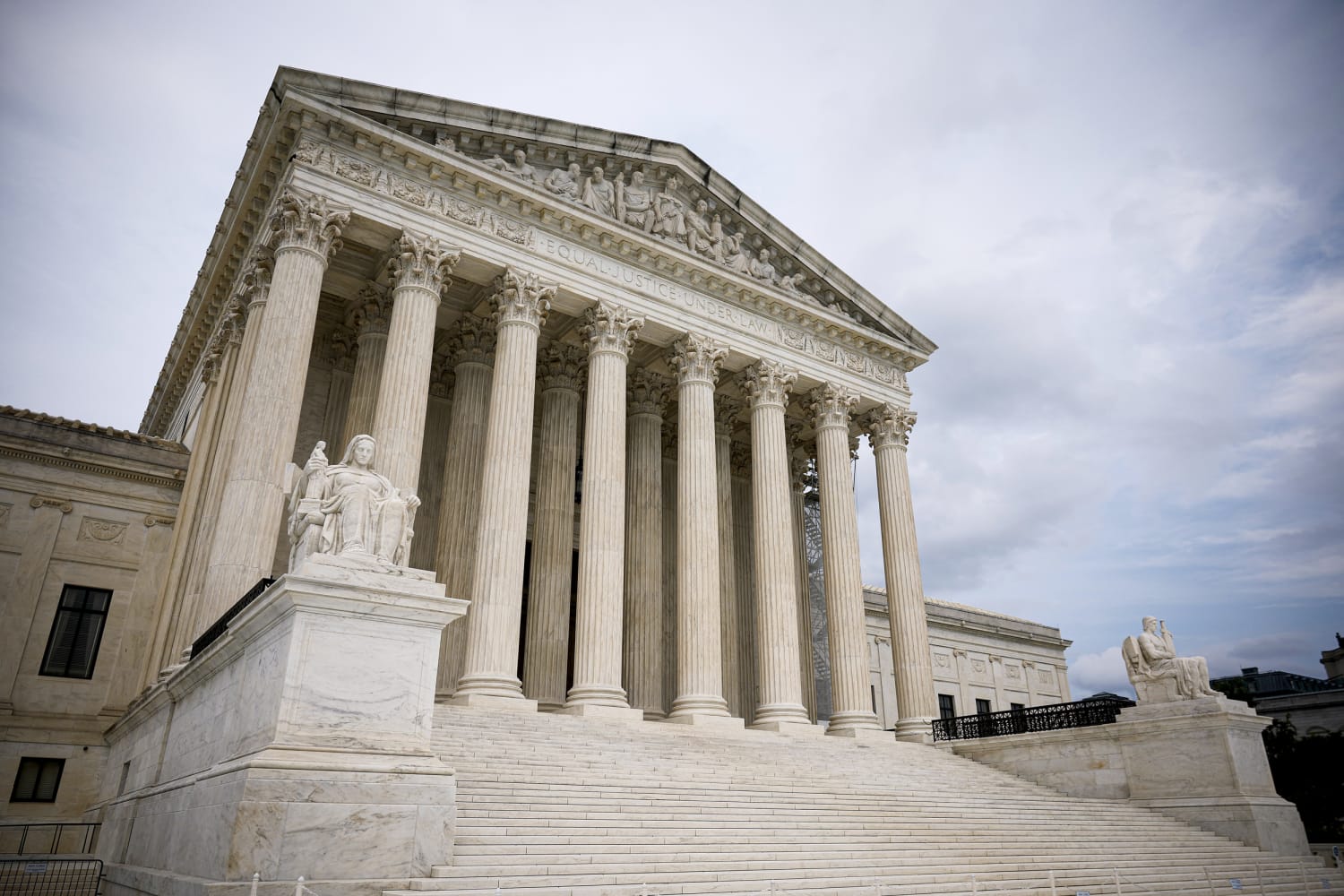
Without the rule of law, environmental protection has no chance of succeeding.
It’s no coincidence that the environment and the rule of law are both targets, because environmental protection is particularly dependent on the legal system for support. There is a lot of wisdom to the slogan, “The Earth needs a good lawyer.”
CONTINUE READINGTalking to Skeptics About Clean Energy

Some people will stop listening if you talk about climate change. But there are other arguments.
The dangers of climate change provide excellent reasons to support clean energy. But that argument can be futile — or worse, counterproductive — when listeners don’t take climate change seriously or reject the idea altogether. Fortunately, there are other arguments that may better appeal to them.
CONTINUE READINGJoin Our Mailing List
Climate policy is changing rapidly. Stay in the loop with expert analysis via email Monday - Friday.

The Drain is a roundup of climate and environmental news from Legal Planet delivered to your Inbox once a week.