
























































Iran War
Consumer Clean-Energy Sovereignty
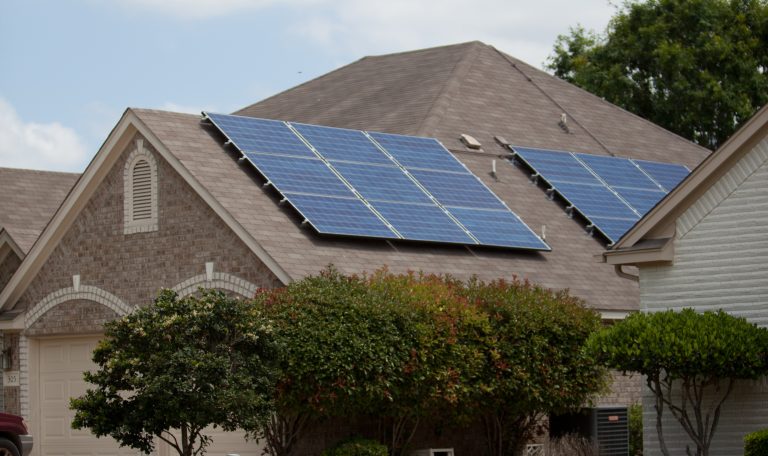
Consumers seem to be voting with their wallets for clean energy.
In the second quarter (Q2) of 2026, “clean energy and transportation investment in the United States totaled $75 billion, a 22% increase from Q1 2026 and a 4% jump from Q2 2025.” Considering Trump’s effort to summon all the power of the federal government to destroy clean energy, that’s not bad. One surprise: consumer spending accounted for more than half the total.
CONTINUE READINGHow Trump Is Boosting Clean Energy Everywhere Else

It’s partly the Iran war. But there’s also another reason.
One of the winners from Trump’s presidency has been the clean energy industry. He’s had some success in his U.S. campaign to slow clean tech, but the global picture is quite different. If anything, Trump is boosting the energy transition outside the United States. We are still the world’s largest economy, but we’re only 15% of global GDP (measured by purchasing power parity). The rest of the world no longer dances to our tune.
The Iran War has been Trump’s most notable contribution to the global energy transition. Chinese solar exports doubled in a single month, an incredible surge. The war has been a sobering lessen to many countries about the dangers of relying on fossil fuels.
The Environment is a System, Not an Array.
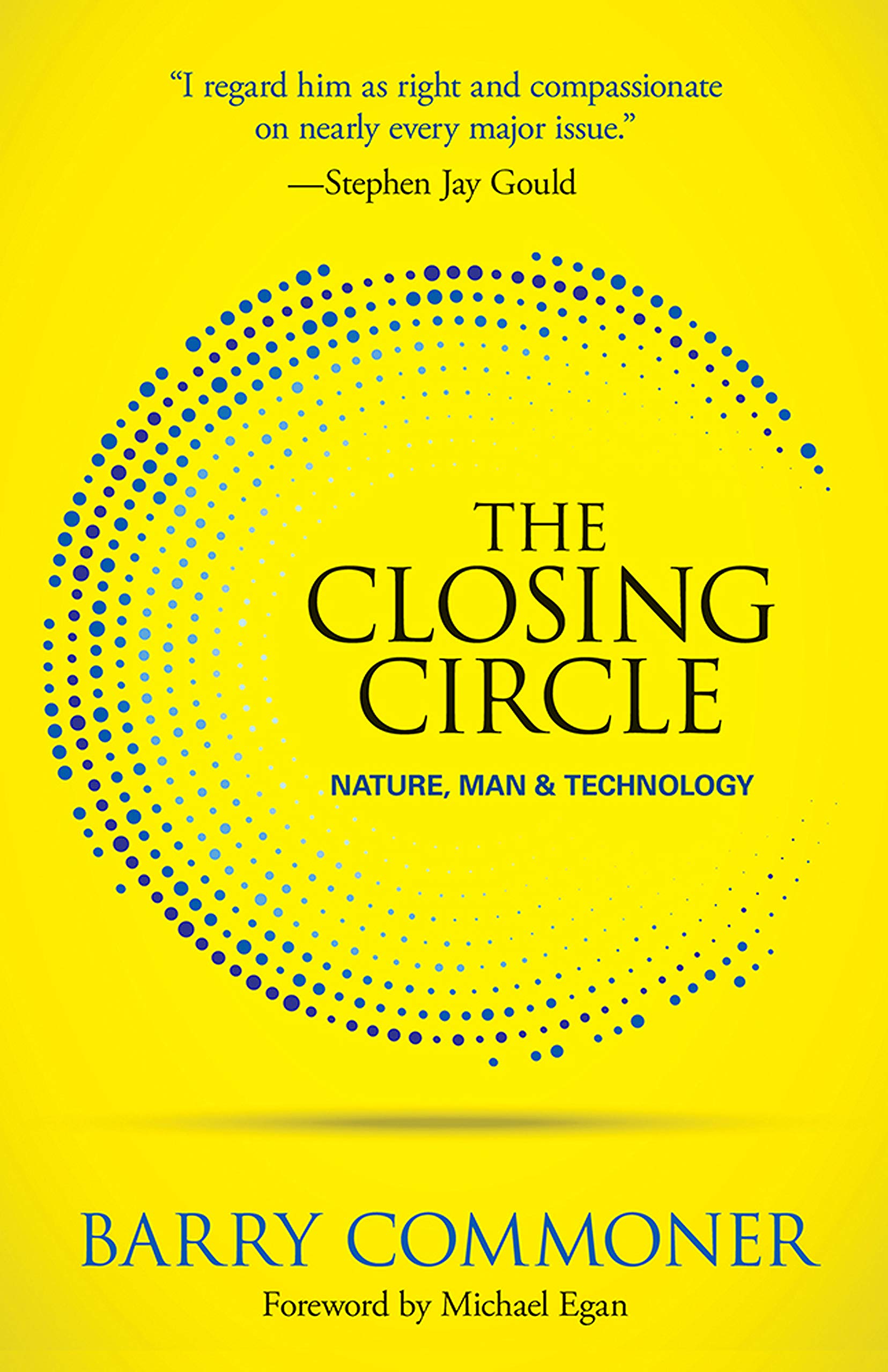
In 1969, Barry Commoner summed up much of environmental science in six words. Today’s conservatives don’t get it.
People have an intuitive tendency to focus on an action’s immediate direct effects. The same intuition leads us to downplay effects that are indirect, long-range, and cumulative. This can lead us astray, as it has the Supreme Court, when dealing with impacts on environmental systems. Writing at the outset of the modern environmental world, biologist Barry Commoner tried to crystalize what was known about the environment into four crisply phrased laws. The first law read simply: “Everything is connected to everything else.” What we have learned since Commoner published The Closing Circle in 1969 has only confirmed that insight.
This interconnected means that the environment is a system (really, a nested set of systems), where interactions are paramount. It’s not just an array of different things happening independently in different places or times. That’s true, as we’ve learned, not only of the environment but the global economy to which it is linked and of the geopolitical realm linked to that.
CONTINUE READINGJoin Our Mailing List
Climate policy is changing rapidly. Stay in the loop with expert analysis via email Monday - Friday.

The Drain is a roundup of climate and environmental news from Legal Planet delivered to your Inbox once a week.