





























































Oil
The War and the Energy Transition
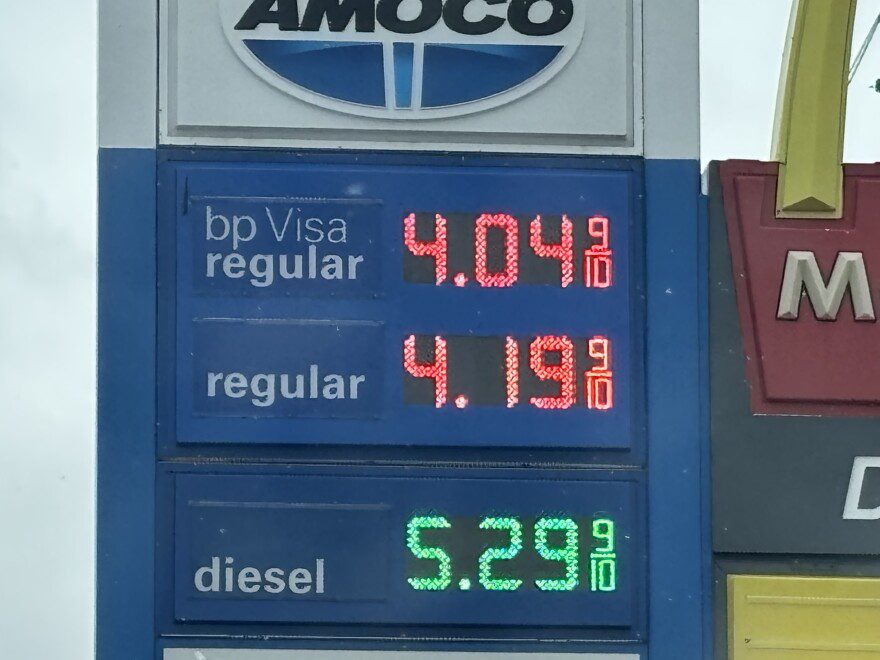
The Iran War it is hitting energy markets hard. Will that affect the energy transition?
The Iran War has been a big shock to the global energy system. It’s natural to wonder what the long terms will be. What it will lead to an orgy of oil and gas drilling, or will it speed up the energy transition? There are enormous uncertainties, and making confident predictions would be a clear mistake. In this post, I’ll try to unpack some of the issues and offer a semi-educated gas about the answers.
The “God Squad” is Subject to a Lot of Limits. But I’m still worried.

Getting an exemption from the Endangered Species Act is normally difficult. But there’s a scary exception.
The Endangered Species Act Committee has been nicknamed the God Squad, on the theory that it holds the power of life and death over endangered species. It does the have the power to exempt from projects from the Endangered Species Act (ESA), although that’s not quite as ominous as it sounds. It’s understandable that many people freaked out when a Federal Register notice appeared announcing a meeting of the Committee relating to offshore drilling in the Gulf. We don’t have any specifics , What we do know is that the process is complex and cumbersome, and that there are important limits on the Committee’s discretion. There’s still reason to worry, however, because Pete Hegseth actually is the one with godlike powers over endangered species.
CONTINUE READINGA Procedural Snarl in the Oil Patch

Can oil companies use World War II contracts to vault from state to federal court in cases about present-day coastal damage?
As a matter of common sense, however, it’s hard to see why oil production activities that would not otherwise be considered “federal” should change their statute because the producers also happen to own refineries — especially since in some instances it appears that all the oil from one of their fields might be going to a different refinery anyway. But textualist judges aren’t necessarily attended to common sense.
CONTINUE READINGWays of Price Making, Inflation, and Energy Price Shocks
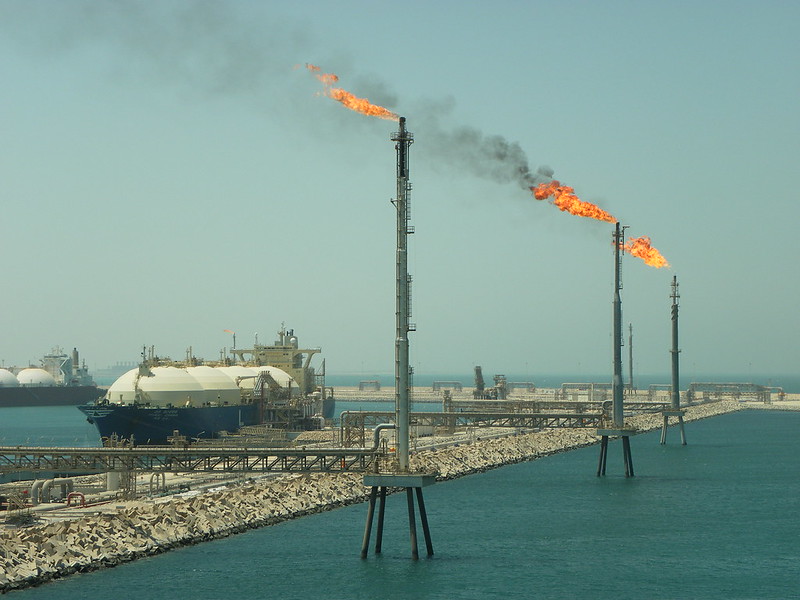
This post was originally published on the Law and Political Economy blog as part of a symposium on inflation. Energy prices have been much in the news over the past several months, occupying a prominent place in mainstream discussions of inflation. Higher prices for oil, natural gas, coal, and electricity are all pushing up inflation across …
Continue reading “Ways of Price Making, Inflation, and Energy Price Shocks”
CONTINUE READINGThe Turning Tide

Last week featured some remarkable developments relating to climate policy.
Some events last week sent a strong signal that the tide is turning against fossil fuels. Each of the events standing alone would have been noteworthy. The clustering of these events dramatizes an important shift. To paraphrase Churchill, this may not be beginning of the end for fossil fuels, but at least it is the …
Continue reading “The Turning Tide”
CONTINUE READINGNever Let a Serious Crisis Go to Waste

Coronavirus, Climate Change, and the Global Energy Transition
There has been no shortage of commentary on what the Coronavirus pandemic means for climate action and for the energy industry. Obviously, it is too early to draw firm conclusions, but the last several weeks have made clear that the crisis is affecting the entire energy economy in profound ways and that our collective response …
Continue reading “Never Let a Serious Crisis Go to Waste”
CONTINUE READINGDeregulating Methane No Matter What
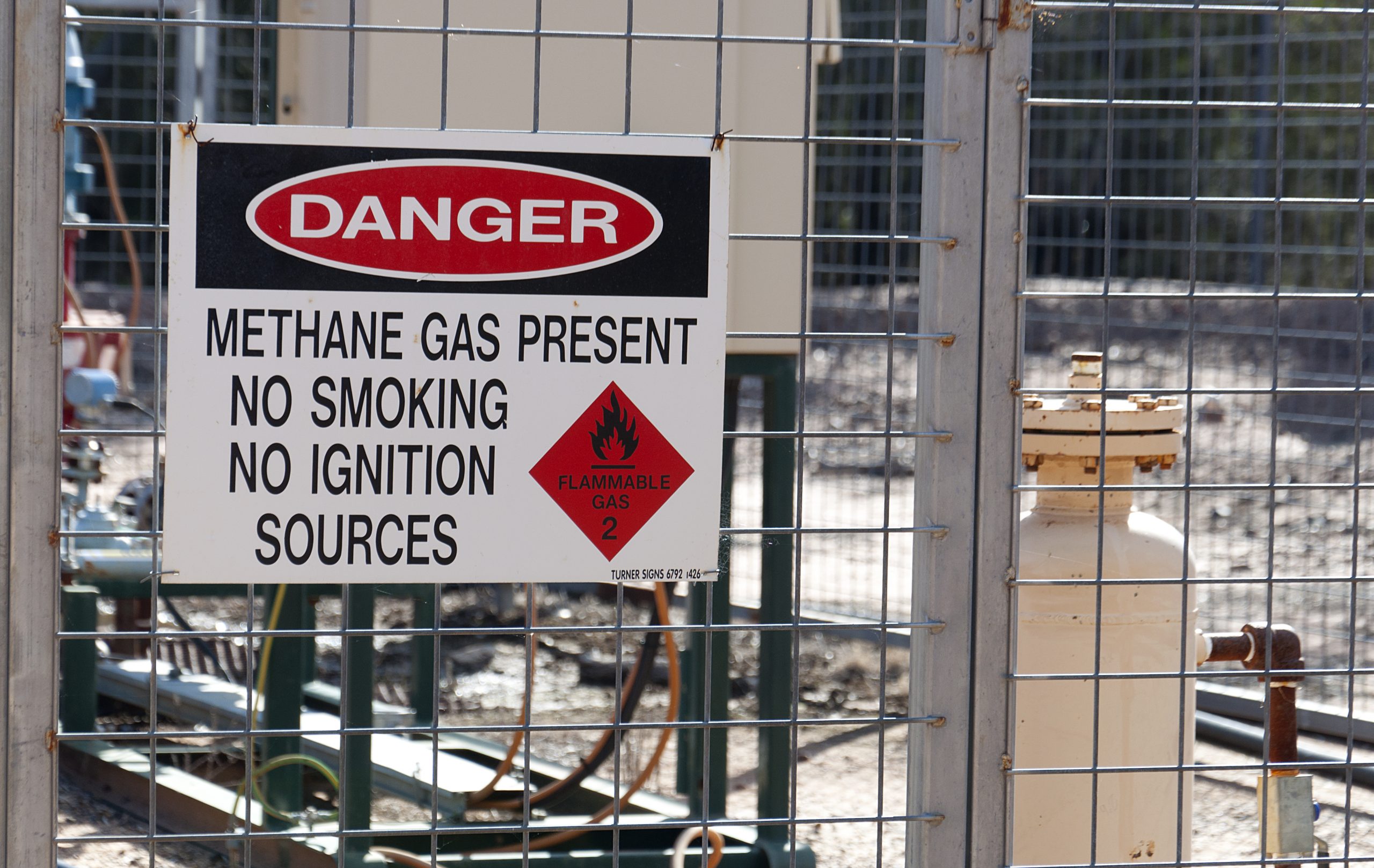
Emmett Institute faculty submit letter opposing Trump’s proposed rollback on methane regulations
Recently, my colleague Sean Hecht and I jointly submitted a comment letter opposing a new EPA Proposed Rule that would roll back standards limiting methane emissions from oil and natural gas production, processing, transmission, and storage facilities. This Proposed Rule essentially revokes two Obama-era regulations, finalized in 2012 and 2016, that first established these methane …
Continue reading “Deregulating Methane No Matter What”
CONTINUE READINGGuest Blogger Gregory Dotson: Oregon May Join the Western Climate Initiative: What About Gasoline Prices?
Regardless of State Action, Surging Sales of Electric Vehicles Could Crash Gasoline Prices
Oregon is on the verge of taking historic action to establish an economy-wide cap and invest program and clean up the state’s carbon pollution. In doing so, Oregon could demonstrate how one state can do its part to avoid the worst effects of climate change. The concept dates back more than a decade, but the …
CONTINUE READINGGuest Bloggers Deborah Gordon and Frances Reuland: Is California Extraordinary? Its Oil Resources Certainly Are
Facts About California’s Oil and Greenhouse Gas Emissions
Despite ongoing federal rollbacks to environmental regulations, California has the right to set its own clean air standards because it is truly extraordinary. Truth be told, the compelling circumstances that first set in motion California’s vehicle emissions standards remain entirely valid. And there are four recent conditions, related to California’s oil supply, production, and refining, …
CONTINUE READINGGuest Blogger Ken Alex: Oil and Transportation in California
Post #4 in a Series on California Climate Policy by Ken Alex, Senior Policy Advisor to Gov. Jerry Brown
[This is the fourth post in a series expressing my view of why California’s actions on climate change are so important and how they will change the world. The introductory post provides an overview and some general context.] In 2015, Jerry Brown challenged the State to reduce oil usage in the transportation sector by 50% by 2030. …
Continue reading “Guest Blogger Ken Alex: Oil and Transportation in California”
CONTINUE READINGJoin Our Mailing List
Climate policy is changing rapidly. Stay in the loop with expert analysis via email Monday - Friday.