


























































renewable energy
Improving permitting reform
Suggestions to make the permitting reform bill work better and avoid unintended results
I’ve written a bunch about the Senate’s permitting reform bill. My basic takeaway is that I want this bill to pass, but that there are some serious flaws in the bill, particularly in the permit certainty provisions, that must be addressed. And in general, there are areas where greater clarity about the scope of the …
Continue reading “Improving permitting reform”
CONTINUE READINGWhat Explains Trump’s Energy Policy?

There’s no plausible economic explanation. It’s all about politics.
Trump’s energy policy rests on promotion of U.S. fossil fuel production and use. The instruments include orders forcing coal-fired generators to keep operating, relaxed air pollution standards for power plants, and repeal of as many energy efficiency standards as possible. Trump’s overall economic policy centers on mercantilism, the belief that countries get rich by exporting more than they import. That fits pieces of his energy policy but not others. There’s also some rhetoric about free choice by consumers, but Trump clearly is not a believer in free markets as a matter of principle.
CONTINUE READINGRenewable Energy Policy After the Federal Retreat

Which states are stepping up to fill the void?
With little resistance from Congress, the Trump administration is doing what it can to discourage the further development of renewable energy resources, showing a special lack of affection towards solar and wind. Through various executive orders and through direct payouts to some potential developers, the administration has worked to block and reverse permits on federal …
Continue reading “Renewable Energy Policy After the Federal Retreat”
CONTINUE READINGWhich way is the wind blowing in wind energy litigation?
The latest court decisions and legal challenges are shaping the future of wind energy development across the United States
Guest contributor Adelaide Duckett, Legal Fellow at the State Energy & Environmental Impact Center at NYU School of Law Across the country, wind developers and state governments are successfully navigating new legal challenges facing wind energy, fighting to keep projects moving forward despite mounting obstacles. Hostility to wind development has manifested in various ways …
Continue reading “Which way is the wind blowing in wind energy litigation?”
CONTINUE READINGPondering the Effects of Biden’s Climate Policies
A new report has some unexpected implications.
A new report from an MIT researcher says that the “glass is half full” in terms of prospects for renewables in the U.S. This was interpreted by some to mean that Biden’s climate policies were proving successful despite repeal of key parts of the Inflation Reduction Act. That’s a bit of a misreading. It also misses some key takeaways from the report. Those include skepticism about tax credits for wind and solar, an emphasis on removing obstacles to new projects, and a call for supporting the development of “firm” power sources like geotherma
CONTINUE READINGA Compendium of Good News

Hey, it’s not all gloom and doom out there.
We don’t lack for bad news these days. Still, there are also good things happening. I’ve been putting together a list of things that are good news for the environment. EVs, battery storage, and solar are growing around the world. So put on your happy face!
CONTINUE READINGOMB’s “Reforms” versus NSF’s Statutory Mission

NSF will need to do some serious explaining about how the “reforms” advance its scientific mission.
In terms of DEI, section 1861p-14(7) says that one factor in assessing grants is “expanding participation of women and individuals from underrepresented groups in STEM.” Section 1855a also authorizes the Foundation to support activities to encourage women qualify for and then pursue careers in STEM. Section 1855b contains similar language about the “participation of minorities” in science. How is the prohibition on DEI consistent with these provisions? If not, does the agency now believe these provisions are unconstitutional and if so, one what grounds?
CONTINUE READINGToo Cheap to Meter?

Unlimited energy abundance is more of a pipe dream than a realistic policy goal.
A recent post by Matt Yglesias on on “the case for clean energy abundance” disturbingly off pitch. One reason is that the post seems unduly dismissive of environmental harms. It pooh-poohs objections to a proposed ultra-large solar that would destroy what Yglesias describes as a “bunch of forest.” Maybe this would be warranted, but it’s not wrong to consider the environmental cost. Yglesias also opposes efforts to restrict fossil fuel production. This is partly on political grounds, because it makes it hard for Democrats to win in places like Louisiana, and partly because he doesn’t think those efforts accomplish much anyway. Yglesias could be right about the benefits of this hands-off approach, to regulating fossil fuels but it would be nice to see some acknowledgement of the harm to public health and the environment. Instead, he describes the only problem with coal as being “smoggy,” which underplays coal’s serious public health and environmental harms.
CONTINUE READINGCommunity Benefits Aren’t Impossible – They Just Take Work
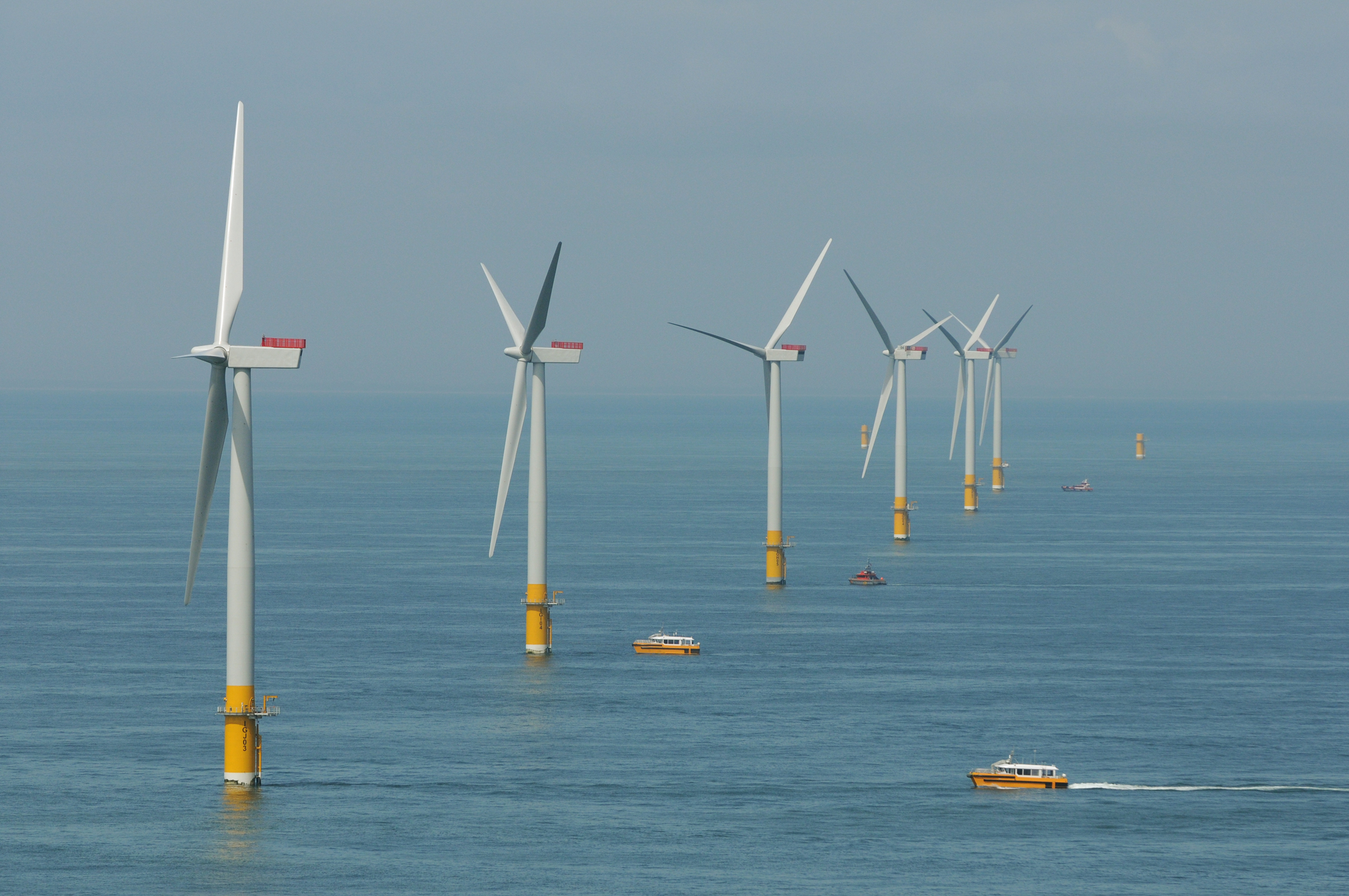
A statewide strategy by the California Coastal Commission and a fisheries working group provides a model for community benefits on infrastructure and other projects
For California is to reach its climate goals, including a target of net zero GHG emissions by 2045, a variety of private- and public-sector approaches are necessary; among them is the construction and permitting of numerous clean energy infrastructure projects, such as offshore wind developments, which will play a key role in balancing the state’s …
Continue reading “Community Benefits Aren’t Impossible – They Just Take Work”
CONTINUE READINGThe Path to Abundance, Part VI
Abundance reforms at the federal level may have the most political success if they are low-salience, and elite driven
This is the sixth post in a series of six posts. The first post is here. The second post is here. The third post is here. The fourth post is here. The fifth post is here. As I discussed in my last blog post, the politics of abundance reform are difficult. Reform often requires short-term …
Continue reading “The Path to Abundance, Part VI”
CONTINUE READINGJoin Our Mailing List
Climate policy is changing rapidly. Stay in the loop with expert analysis via email Monday - Friday.

The Drain is a roundup of climate and environmental news from Legal Planet delivered to your Inbox once a week.