

























































states
Who Will Control the Next Congress?
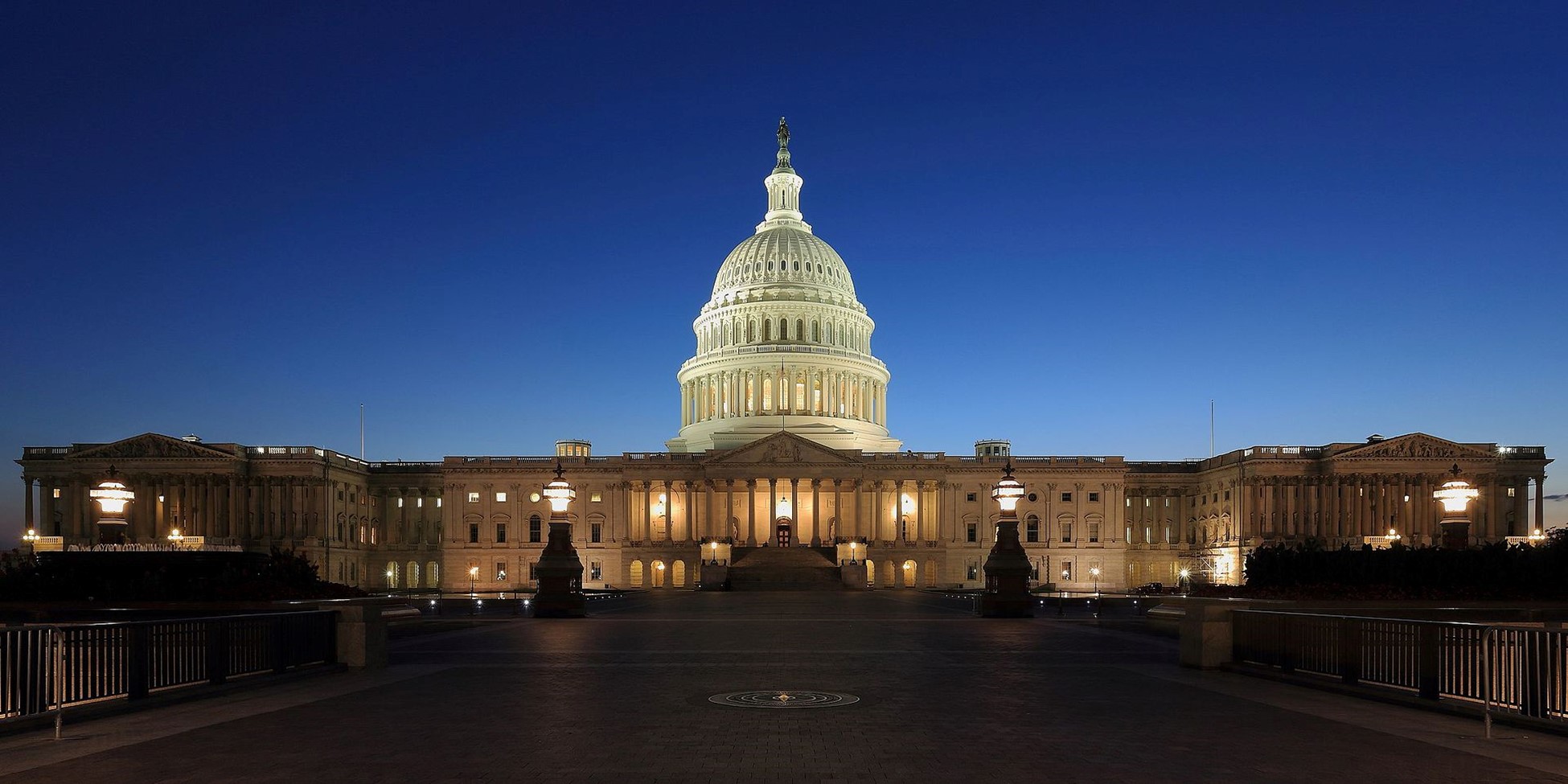
The election could be very close — or things could break hard for one party.
As we get closer to the election, there are no doubt surprises ahead. Still, we can get a sense of where things are heading based on current information. Who controls Congress will impact a lot of issues, including environment and energy. Even with a President as wilfull as Trump, Congress has significant levers to pull. I’ll take a look at the key races. At present things look very close.
CONTINUE READINGPolicies on the Bus Go Round and Round

The Drain is a weekly roundup of environmental and climate news from Legal Planet.
A year ago, the transportation manager of Northshore School District, outside of Seattle, wrote to EPA Administrator Lee Zeldin pleading with him to release frozen funding she was owed for new school buses. “We need your assistance to complete these projects and lift the financial burdens school districts are facing due to the delay in …
Continue reading “Policies on the Bus Go Round and Round”
CONTINUE READINGDissecting EPA’s Endangerment Repeal: Series Wrap-Up:
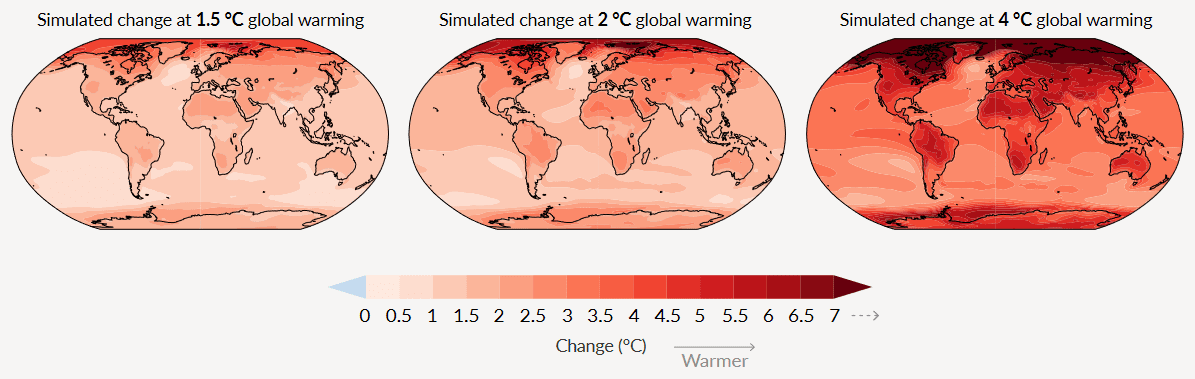
Here’s what you need to know to understand the upcoming legal battles.
Yesterday was the last of five Legal Planet posts on EPA’s repeal of the Endangerment Finding, which it based on legal arguments that it has no power to regulate vehicle emissions of greenhouse gases. The series began with a quick overview of the issues. The remaining posts focus on the reasons that EPA was right to issue the Endangerment Finding in the first place in 2009, the legal precedents supporting the Endangerment Finding. and the impact of the repeal on future climate actions. The bottom line is that EPA was right to issue the Endangerment Finding and wrong to repeal it.
CONTINUE READINGWhat Happens to State Regulation if the Endangerment Findings are Gone?
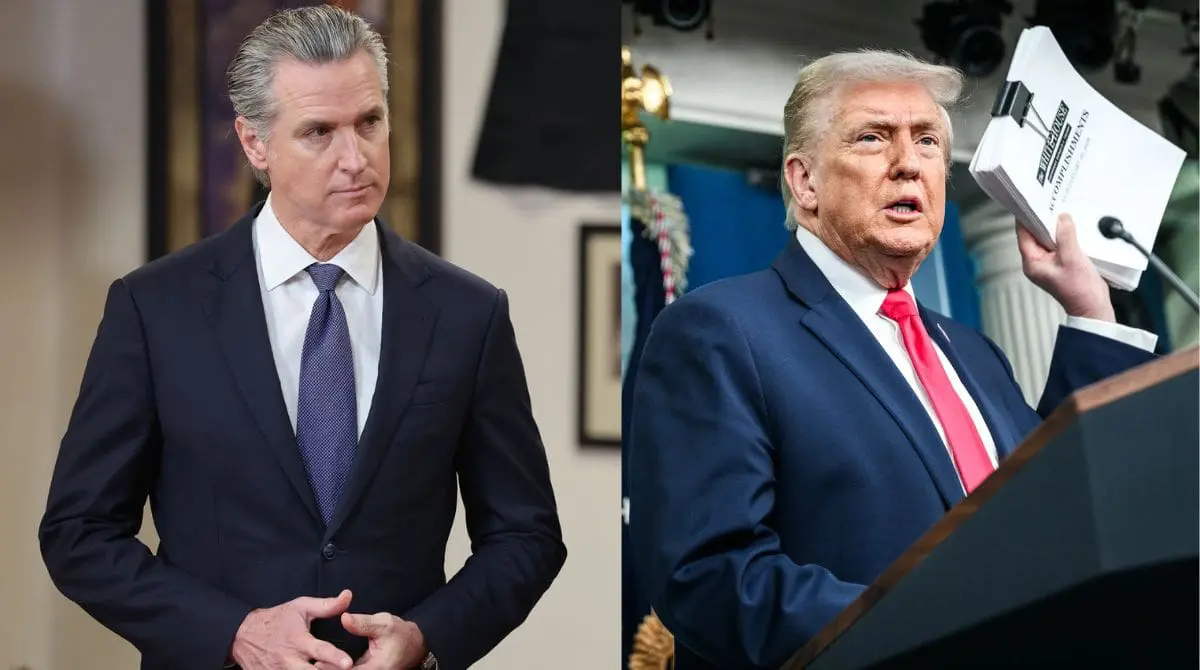
Answer: State authority wouldn’t suffer from the change and might expand in some ways.
If the Trump EPA successfully repeals the endangerment findings for vehicles and stationary sources, states will be the only resort for climate regulation. A key question is how the repeals would impact state power to regulate carbon emissions. The bottom line answers are: (1) the impact on state power regulate tailpipe emissions seems unclear but could be positive, (2) there would be no effect on state power to regulate stationary sources like power plants, and (3) plaintiffs suing oil companies would probably benefit. The detailed analysis is below.
CONTINUE READINGAnother White House Assault on Federalism
Trump’s Executive Order about rebuilding in LA is a huge federal power grab.
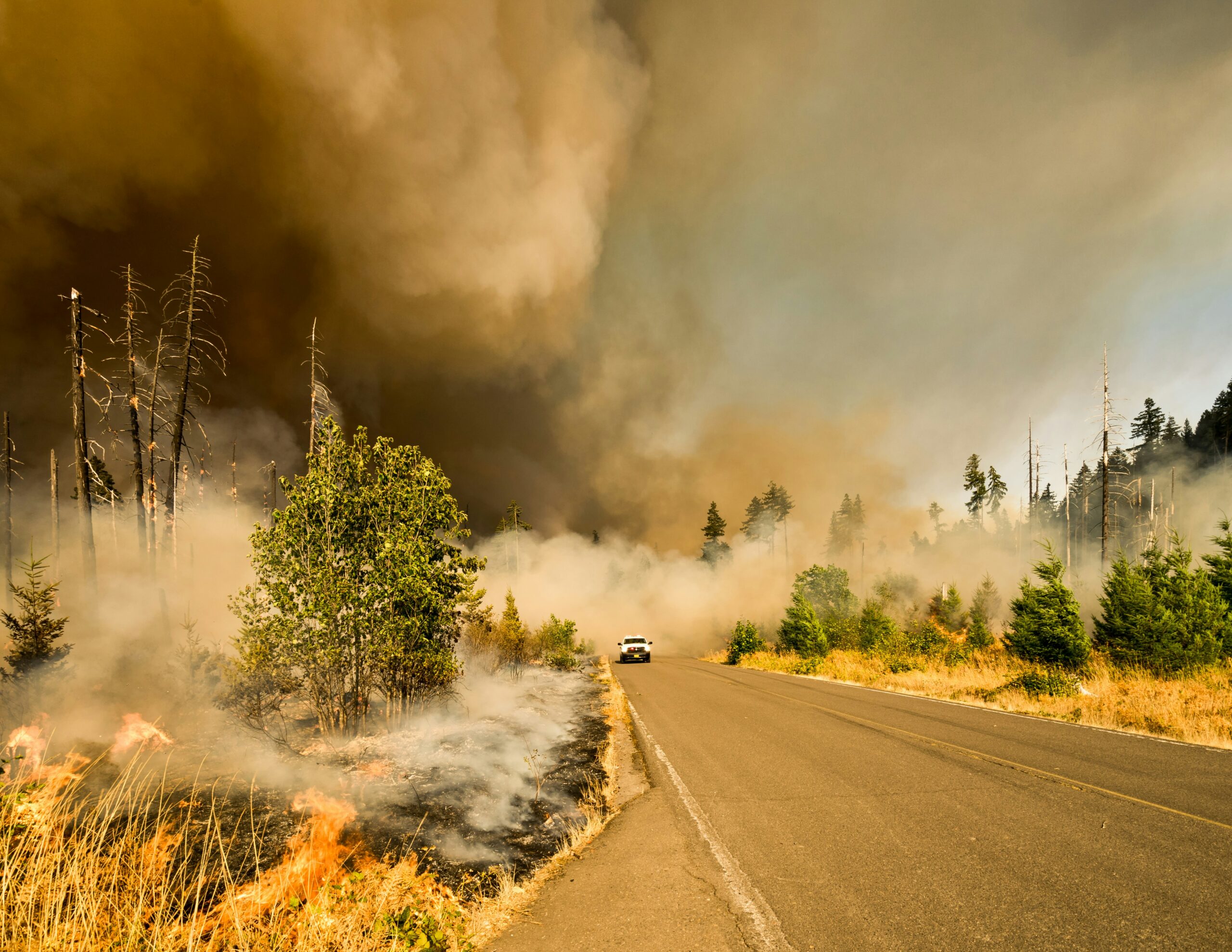
esterday, Trump issued an executive order that attempts to eliminate the need for building permits in the LA burn area. The argument is that the permitting process this slows down the rebuilding that FEMA grants are supposed to assist. he idea seems to be that whenever Congress choses to subsidize an activity, it authorizes agencies to eliminate all state regulations that might be barriers. Supreme Court opinions are full of admonitions against just this kind of assault on state authority, especially in fields like building permits that are a traditional domain of state and local government. And no, this isn’t an area where the President can rely on the Supreme Court’s conservatives. As much as they seem to like presidential authority, the conservative Justices have also shown a strong attachment to federalism.
2026: The Year Ahead

Here are six big things to watch.
What to watch for environmentally in 2026: court tests of Trump’s power, midterms, China, grid issues, and state energy moves. In 2025, Trump rolled out new initiatives at a dizzying rate. That story, in one form or another, dominated the news. This year, much of the news will again be about Trump, but he will have less control of the narrative. Legal and political responses to Trump will play a greater role, as will economic developments. Trump’s anti-environmental crusade could run into strong headwinds.
CONTINUE READINGWhat to Know About the TFFF Announced at COP30

A bold new investment fund aims to channel billions into tropical forest protection – one key change can make it better.
The world is losing vast swaths of forests to agriculture, logging, mining and fires every year — more than 20 million acres in 2024 alone, roughly the size of South Carolina. That’s bad news because tropical forests in particular regulate rainfall, shelter plant and animal species and act as a thermostat for the planet by storing carbon, keeping it out of …
Continue reading “What to Know About the TFFF Announced at COP30”
CONTINUE READINGLighting Candles in Dark Times: Environmental Law Centers in the Trump Era

These law school centers show it’s possible find ways to make a difference.
Environmental law have become vibrant parts of the law and policy ecosystem. At a time when despondency seems all too common, the work of these law school centers offers beacons of hope for the future of environmental protection. Some of that work is playing defense — pushing back against deregulatory efforts — while other work plays offense by identifying innovative directions for environmental policy. A comprehensive survey isn’t practical, but I’ll provide examples from several different centers.
CONTINUE READINGCan California Try Again with Vehicle Pollution Limits?
A new Sixth Circuit decision provides encouragement.
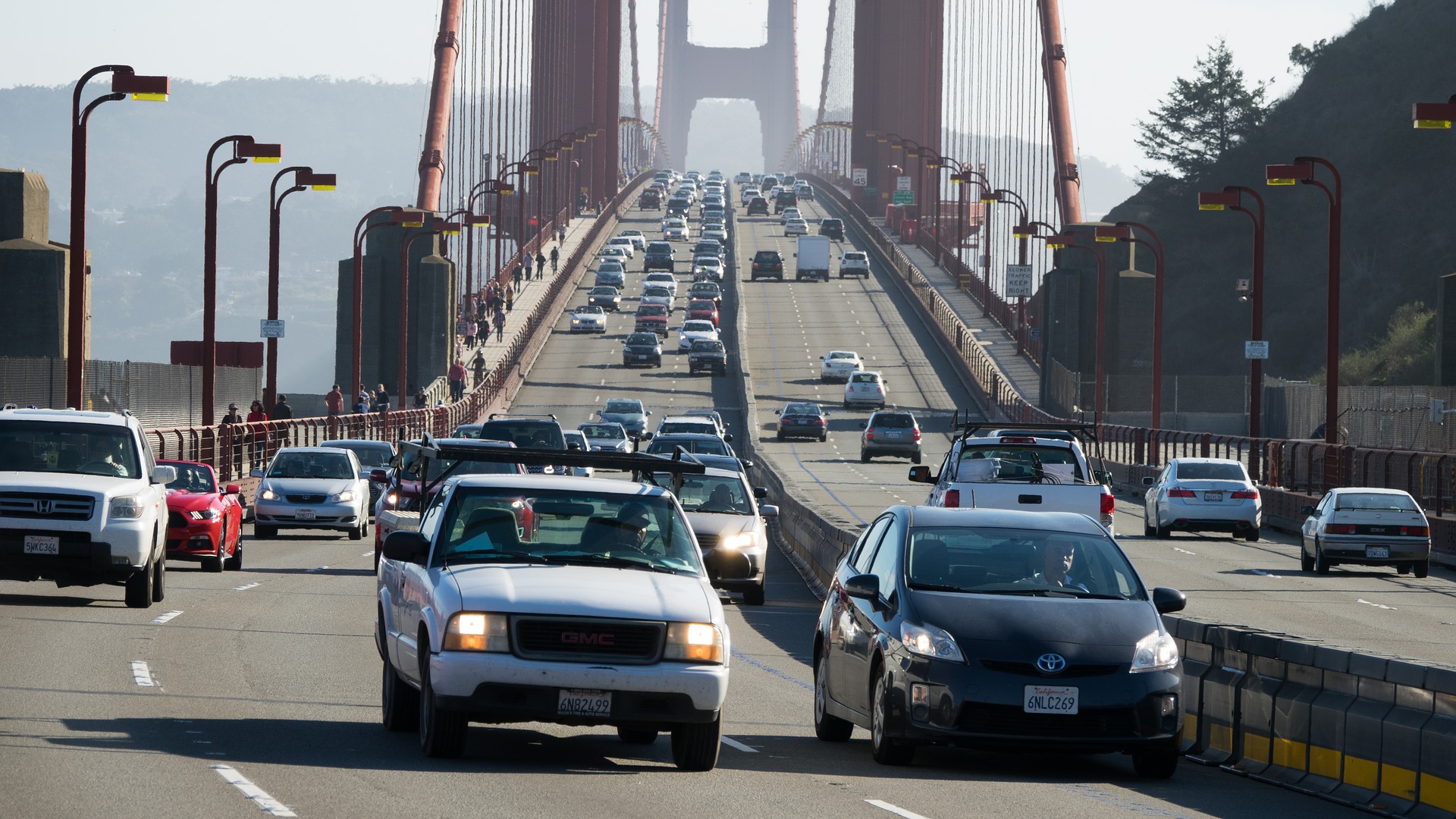
In May, Congress effectively killed the most recent efforts by California to clean up its vehicle fleet. Although many people seem to have assumed the contrary, this may not be the end of the road for California regulators. A new court of appeals decision is an encouraging signal that California may be able try again when the political forces in DC are less militantly anti-environmental.
CONTINUE READINGStates Become “Norm Sustainers” on Environmental Justice

Guest Contributor Sharmila L. Murthy explains how state Attorneys General are acting as important counterweights to the federal government on environmental justice.
Guest contributor Sharmila L. Murthy is a Professor of Law and Public Policy at Northeastern University In the wake of misleading and inaccurate characterizations by the Trump Administration that wrongly label environmental justice activities as illegal discrimination, the Attorneys General of California, Massachusetts, and New York, joined by the Attorneys General of Arizona, Connecticut, Delaware, Hawaii, Illinois, Maryland, Minnesota, …
Continue reading “States Become “Norm Sustainers” on Environmental Justice”
CONTINUE READINGJoin Our Mailing List
Climate policy is changing rapidly. Stay in the loop with expert analysis via email Monday - Friday.

The Drain is a roundup of climate and environmental news from Legal Planet delivered to your Inbox once a week.