




























































Trump Administration
Five Lessons from the Tariff Case
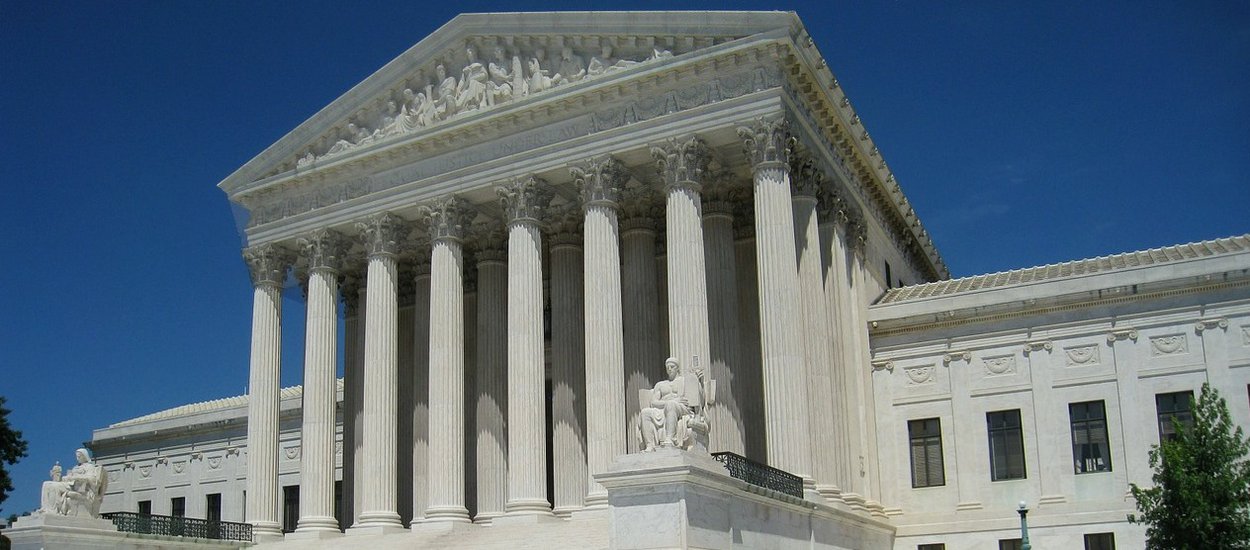
What can the case teach us about litigating environmental cases against Trump?
Learning Resources v. Trump, the recent tariff ruling, doesn’t say anything direct about environmental cases. But there are a series of useful lessons for environmental litigators. One obvious one is that the conservatives aren’t all “in the tank” for Trump (though Alito and maybe Thomas seem have gone pretty MAGA). Trump’s nasty insults of the conservatives who ruled against him probably won’t bring them back onto the Trump train. His effusive praise for the three conservatives who voted for the tariffs may even increase frictions within the supermajority. Here are five more lessons.
CONTINUE READINGDissecting EPA’s Endangerment Repeal: Series Wrap-Up:
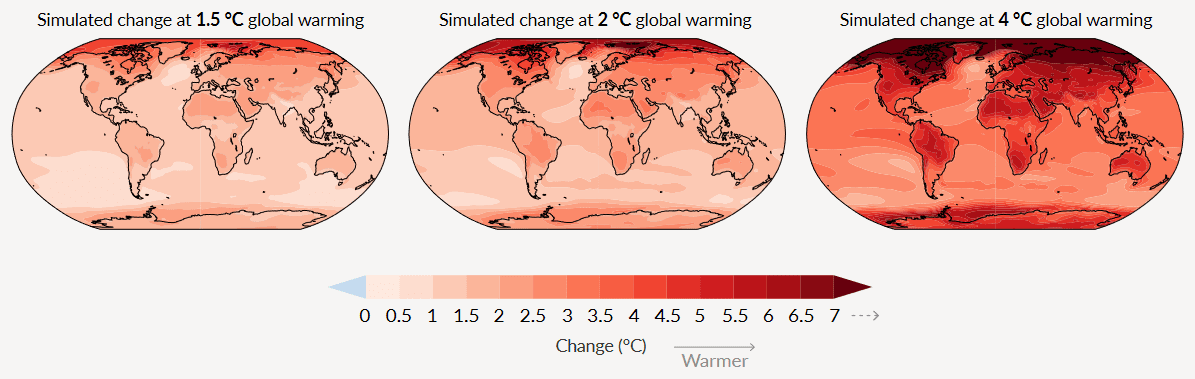
Here’s what you need to know to understand the upcoming legal battles.
Yesterday was the last of five Legal Planet posts on EPA’s repeal of the Endangerment Finding, which it based on legal arguments that it has no power to regulate vehicle emissions of greenhouse gases. The series began with a quick overview of the issues. The remaining posts focus on the reasons that EPA was right to issue the Endangerment Finding in the first place in 2009, the legal precedents supporting the Endangerment Finding. and the impact of the repeal on future climate actions. The bottom line is that EPA was right to issue the Endangerment Finding and wrong to repeal it.
CONTINUE READINGPolitical Extinction Risk
Species may be vulnerable not just to changes in climate or habitat, but also to changes in politics
Conservation biologists have long studied many different kinds of risks to endangered species: Risks from climate change, or from habitat fragmentation, or from having small populations for extended periods of time. But there is another key component of risk that has not been analyzed yet, but may matter as much or more to many endangered …
Continue reading “Political Extinction Risk”
CONTINUE READINGThe Tariff Decision and the Major Questions Doctrine
The scope of the doctrine is even more confused now than before.
The tariff decision is good news in terms of checking arbitrary presidential actions, but the opinions fell short in one important area. An important argument against the tariffs was based on the Major Questions Doctrine (or MQD). That doctrine applies whan a government action has “vast political and economic significance.” If the government claims that Congress gave it the power to take such an action, it must point to clear statutory language. The doctrine is controversial in part because no one is quite clear on its basis or when it applies. The tariff decision only made that worse. The Justices took many different positions on the doctrine, deepening the confusion.
CONTINUE READINGThe Overlooked Precedent Supporting EPA Regulation of Greenhouse Gases
Even Roberts and Scalia agreed that Mass. v. EPA is the law
An important precedent has been overlooked in the coverage of the Trump EPA’s repeal of the 2009 Endangerment Finding. The 2009 finding relied was based on , in which the Court had held that the Clean Air Act covers air pollution and directed EPA to determine whether greenhouse gases are harmful. One reason to worry about the litigation is that the conservatives Justices all dissented from Massachusetts v. EPA over the repeal. But there’s another equally important precedent: American Electric Power v. Connecticut (AEP). That ruling was joined by Chief Justice Roberts and Justice Scalia, so it may carry more weight.
CONTINUE READINGThe Affirmative Case for Finding Endangerment

Despite hairsplitting by the current EPA, finding endangerment is a no-brainer.
or EPA to decide that vehicle greenhouse gas (GHG) emissions aren’t harmful is iike NASA deciding that the earth isn’t round after all. Over the next year or two, lawyers will be picking over EPA’s detailed legal arguments. Let’s not get mired in the weeds. It’s crazy that this issue is even being raised.
In 2007, the Supreme Court told EPA to do two things: (1) consider whether GHGs endanger human health and welfare, and (2) if the answer is yes, regulate vehicle emissions of GHGs. That’s exactly what EPA did. Nothing has changed in the meantime.
The Accelerating Decline of U.S. Public Health Policy
Just when we get over our shock over one development, another comes along.
It’s hard to believe how quickly a science-driven approach to protecting health has been replaced by ideology and quackery. Lack of expertise is now seen as a plus in making decisions, and the Administration is actively seeking to suppress information about problems that it would rather not address. I posted a month ago about the current evidence-free approach to health policy, Things have only gotten since then. It’s been one bad thing after another. All of this in only a month. There are 34 months left in Trump’s presidency, so you can only imagine how dangerous the situation will be by the time he leaves office.
CONTINUE READINGTaking Care That the Law Be Fitfully Executed

Carrying out the law is the core duty of the President. And it’s being openly violated.
The parameters of presidential power have been debated since soon after George Washington took office. But the Constitution makes at last one thing crystal clear: the President must “take care that the laws be faithfully executed.” This is a task to which the current incumbent, it can be safely said\, has not applied himself.
The “take care” clause is reinforced by the very terminology used to describe the President’s authority, the clause vesting the “executive power” in the President. That’s a clause much beloved of believers in the unitary executive. The word “executive” traces back to exsequii, meaning to carry out or follow (ex meaning “out”, sequii meaning “follow”). Faithful obedience to Congress hasn’t exactly been a hallmark of the current Administration. Whatever it is that Trump is faithfully executing, it’s not the laws of the United States. Unless, a bit darkly, you were to take “execute” in the modern sense of killing off, not in the constitutional sense of carrying out.
CONTINUE READINGTrump Tried to Kill Renewables. He Failed.

Despite assaults by Trump and his Congress, renewables are still growing.
Trump has done everything within his power to bless the US with more air pollution and carbon emissions from fossil fuels. Congress did its part, rolling back billions in spending and set accelerated phaseouts for tax credits. Yet renewable energy hasn’t died. It hasn’t even slowed down all that much.
Here are the numbers. Solar alone accounted for almost three-fourths of new generation capacity in Trump’s first ten months, and wind added another 13%, for 87% total. And this year should also be strong.
CONTINUE READINGNew Trump Nuclear Reactor Policy: “Trust Us”
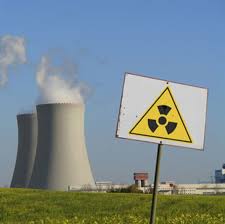
The Administration is eliminating safeguards and courting greater skepticism about nuclear safety
The Trump Administration is quietly dismantling safeguards for nuclear power. I’m neutral. But not if it’s being built with a “safety last” policy. Trump’s Department of Energy wants us to trust them to protect the public. But blind trust for federal agencies is in scarce supply these days. Trying to sneak through regulatory changes may speed things up in the short run but is likely to cause delays later. We know that the changes will be made by political appointees, with experts relegated to minor roles. This will build a legacy of distrust.
CONTINUE READINGJoin Our Mailing List
Climate policy is changing rapidly. Stay in the loop with expert analysis via email Monday - Friday.