


























































Trump Administration
Unpacking the Senate Permitting Reform Bill: NEPA
NEPA provisions are substantial in their changes, but (mostly) leave the core of the Act in place
I’ve already written some about the Senate permtting reform bill, including the provisions on NEPA remedies. In the next few posts I’m going to take deep dives on Titles I through IV of the bill, which are the primary changes to environmental law. First, I’ll cover the changes to NEPA in Title I besides NEPA …
Continue reading “Unpacking the Senate Permitting Reform Bill: NEPA”
CONTINUE READINGDeregulatory Theater of the Absurd

The new CAFE standards are a master class in pretending you’re implementing a law while totally sabotaging it.
The Department of Transportation (DOT) recently issued CAFE standards — fuel efficiency standards for new cars. Rolling back more rigorous standards from Biden, DOT applied considerable ingenuity to ensuring that fuel efficiency will stagnate for the foreseeable future. Like an Escher drawing, you have to step back from all the intricate details to appreciate just how weird the overall design is.
CONTINUE READINGGorsuch is (Partly) Right

Justice Gorsuch is wrong about the cure, but delegation has gotten out of hand.
Justice Gorsuch has made it a personal crusade to revive the nondelegation doctrine, in part because of concerns about the rising tide of presidential power. The nondelegation doctrine tries to limit the ability of Congress to delegate authority to the executive branch. That’s an unworkable solution, but Gorsuch is right that Congress has put far too much trust in the good faith and sound judgment of the President and his subordinates. That’s especially true of national security and emergency powers.
CONTINUE READINGWho Cares About Affordability and Gas Prices? Not DOT
The Trump administration’s new CAFE standards actually make cars LESS fuel efficient, defy Congressional intent, and increase air and climate pollution.
The Trump Administration today issued new fuel economy standards that require average fuel economy that will be LOWER by 2031 than what Congress mandated for 2020. While consumers are paying an average of $4.49 a gallon of gas, the Department of Transportation is setting standards that require only 34.9 miles per gallon (MPG) by 2031 …
Continue reading “Who Cares About Affordability and Gas Prices? Not DOT”
CONTINUE READING“National Security” is Becoming a Punch Line

Whenever he wants to roll back environmental protections, Trump cooks up a new national security justification.
A recent NY Times article recounts how often President Trump has invoked national security. It earnestly dissects his latest and most absurd claim: that the Arc deTrump he wanted to build will be filled with snipers, ammunition, and drones. It turns out that the snipers would be in an excellent position to shoot out the crosses in Arlington National Cemetery but not to protect anything of strategic importance. The environment has been one of Trump’s most fertile grounds for pretextual national security claims.
CONTINUE READINGWhat Explains Trump’s Energy Policy?
There’s no plausible economic explanation. It’s all about politics.
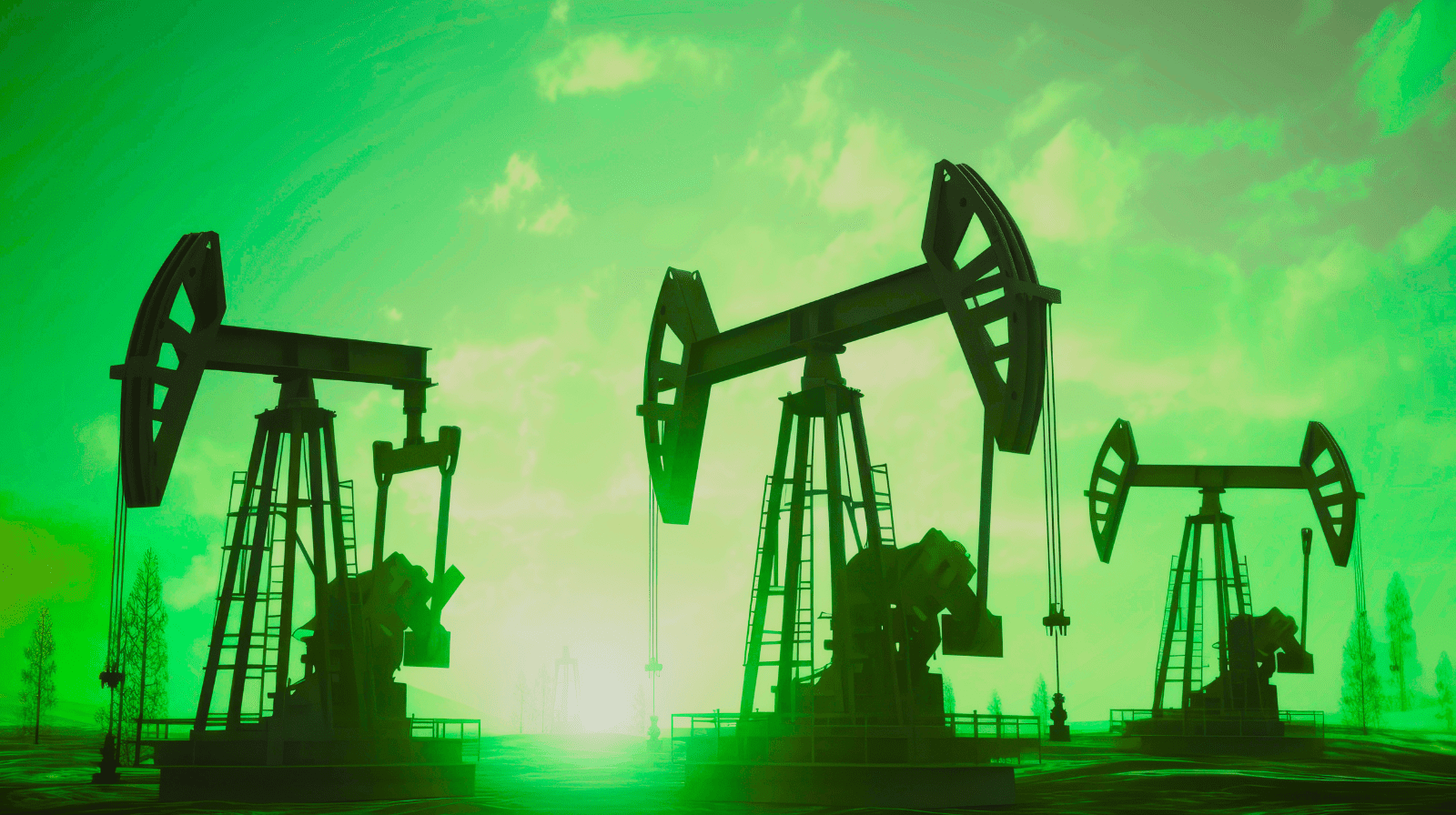
Trump’s energy policy rests on promotion of U.S. fossil fuel production and use. The instruments include orders forcing coal-fired generators to keep operating, relaxed air pollution standards for power plants, and repeal of as many energy efficiency standards as possible. Trump’s overall economic policy centers on mercantilism, the belief that countries get rich by exporting more than they import. That fits pieces of his energy policy but not others. There’s also some rhetoric about free choice by consumers, but Trump clearly is not a believer in free markets as a matter of principle.
CONTINUE READINGThe Rise and Fall of an Energy Emergency
Frantic federal efforts to keep uneconomical coal plants from closing met their doom in a new court decision.
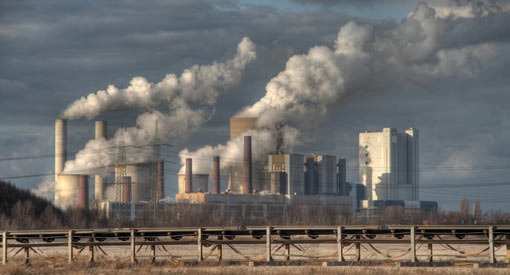
According to the Department of Energy, decrepit coal-fired power plants had to be kept open to avoid “unacceptable reliability risks within five years” unless something changed. You could be forgiven for thinking that calling this hypothetical situation an emergency was something of a stretch. The legality of the orders reached the D.C. Circuit in a Michigan case involving a coal plant that seemingly everyone except Trump wanted to close. The court found no basis for the order. The opinion avoids directly calling out the government’s abuse of power. Instead, it keeps focused on basic issues of statutory interpretation. The statute clearly didn’t give DOE anything like the authority to take over the power system that it was claiming.
CONTINUE READINGThe Dim Outlook for Trump Energy Dominance
About the best he can hope for in the long run is to maintain the status quo.
U.S. oil is seeing a future of declining U.S. and global demand for gasoline and diesel, with U.S. production also remaining stagnant. The future for natural gas production is looking rosier given increasing energy demand and possible growth in U.S. exports. From the perspective of the oil industry, this is probably an optimistic forecast. It assumes that there are no major advances in battery technology that would further accelerate adoption of EVs or sharp decreases in the price of solar. It also assumes that nuclear power doesn’t expand globally, and that other countries are willing to trust the U.S. as a source of a vital energy resources.
CONTINUE READINGStrictly Ballroom

How will the Supreme Court’s opinion impact environmental standing?
There’s a lot of concern about how the Supreme Court’s opinion in the ballroom case could impact environmental law. In the majority’s view, the problem was that the plaintiff lacked standing. The concern is that the Court may have cut back standing doctrine in a way that will block many environmental cases. You never know what the Court might do down the road, but I think the opinion itself is much more limited.
CONTINUE READINGThe Logical Next Step After Renaming Lake Ontario

How does the “National Oceanic and Manospheric Agency” sound?
Trump: The air resource is a tremendous asset to the United States and part of our Nation’s heritage The air has long been an integral asset to American exploration, settlement, commerce, and defense. American men pioneered air travel, starting with the Wright Brothers. Moreover, we have exploited the air’s ability to absorb carbon dioxide more than any other nation on earth. Under my Administration, the Secretary of Defense has taken steps to ensure the world’s highest testosterone levels for our great Air Force. I claim the manosphere for America.
CONTINUE READINGJoin Our Mailing List
Climate policy is changing rapidly. Stay in the loop with expert analysis via email Monday - Friday.

The Drain is a roundup of climate and environmental news from Legal Planet delivered to your Inbox once a week.