


























































Energy
Election 2026: Governor’s Races

Some key races are still too close to call.
When election night rolls around about a month from now, keep on eye on Governors’ races. They tend not to get national attention, but they’re critical in terms of state climate and energy policy. Although governorships were once considered relatively weak offices, they have generally accrued greater power, just as Presidents have done at the federal level. Who’s steering state government matters. States are key players in the energy transition. Some of these races will go down to the wire.
CONTINUE READINGI Skipped NY Climate Week and Read These Books Instead

The Drain is a roundup of environmental and climate news from Legal Planet.
Climate World descended on New York City this week for the annual mad dash of panel discussions, press briefings, newsmaker interviews, influencer gatherings, and sponsored parties that is NY Climate Week, but I stayed home and read books instead. To be more specific, I went to my local bookstore (Village Well in Culver City!) …
Continue reading “I Skipped NY Climate Week and Read These Books Instead”
CONTINUE READING“National Security” is Becoming a Punch Line

Whenever he wants to roll back environmental protections, Trump cooks up a new national security justification.
A recent NY Times article recounts how often President Trump has invoked national security. It earnestly dissects his latest and most absurd claim: that the Arc deTrump he wanted to build will be filled with snipers, ammunition, and drones. It turns out that the snipers would be in an excellent position to shoot out the crosses in Arlington National Cemetery but not to protect anything of strategic importance. The environment has been one of Trump’s most fertile grounds for pretextual national security claims.
CONTINUE READINGWhat Explains Trump’s Energy Policy?
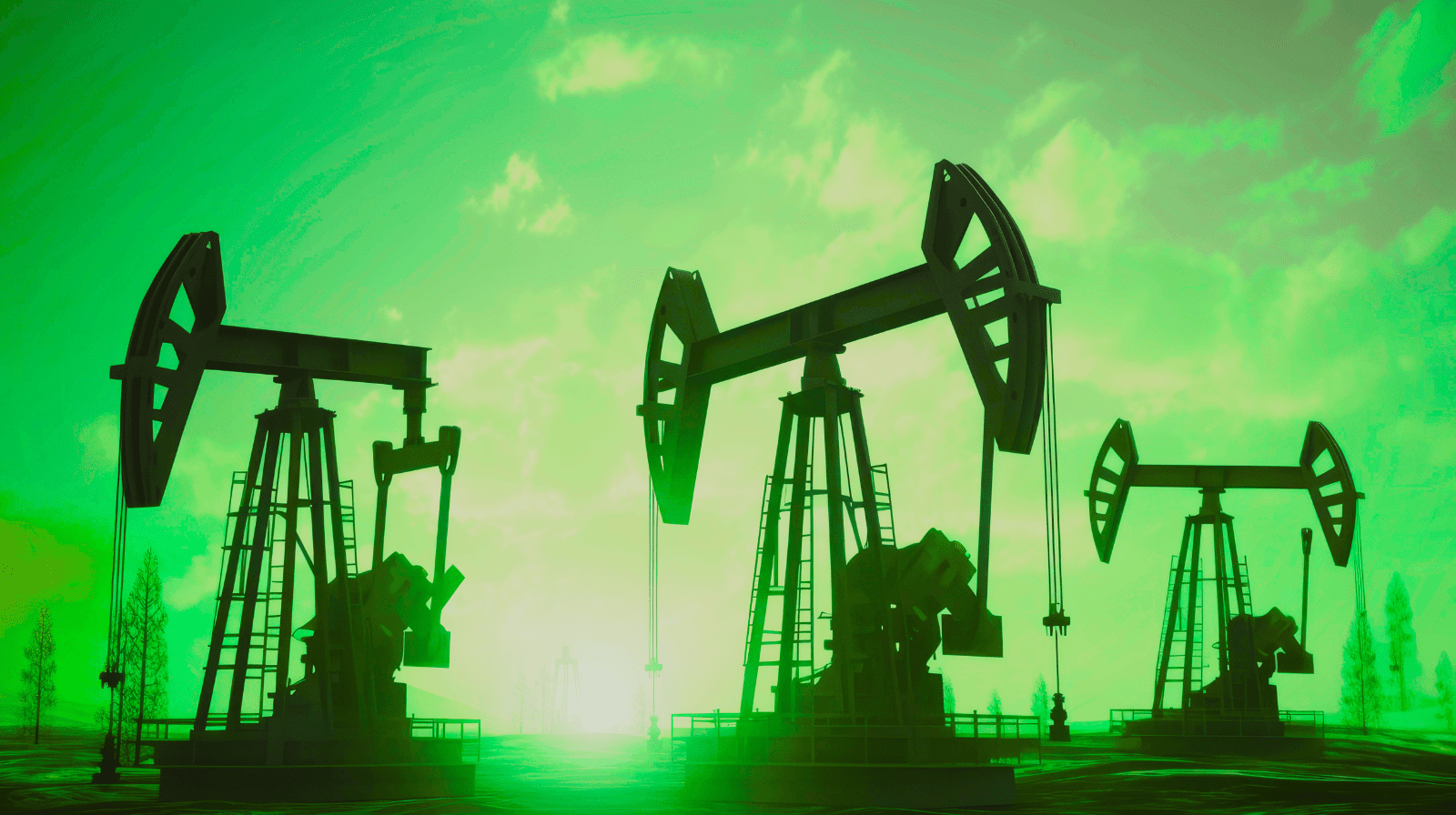
There’s no plausible economic explanation. It’s all about politics.
Trump’s energy policy rests on promotion of U.S. fossil fuel production and use. The instruments include orders forcing coal-fired generators to keep operating, relaxed air pollution standards for power plants, and repeal of as many energy efficiency standards as possible. Trump’s overall economic policy centers on mercantilism, the belief that countries get rich by exporting more than they import. That fits pieces of his energy policy but not others. There’s also some rhetoric about free choice by consumers, but Trump clearly is not a believer in free markets as a matter of principle.
CONTINUE READINGThe EPA Power Plant Rule Repeal Don’t Make No Sense

The Drain is a roundup of environmental and climate news from Legal Planet.
The hair-on-fire news this week was the Environmental Protection Agency announcing that it is repealing rules that limit planet-warming greenhouse gas emissions from power plants fueled by coal and fossil gas. I saw the headline (“EPA Poised to Repeal Carbon Rules for Coal, Gas Power Plants“) on Sunday evening, when Zahra Hirji, Jen Dlouhy, and …
Continue reading “The EPA Power Plant Rule Repeal Don’t Make No Sense “
CONTINUE READINGThe Rise and Fall of an Energy Emergency
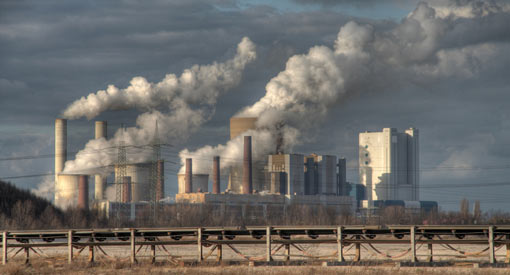
Frantic federal efforts to keep uneconomical coal plants from closing met their doom in a new court decision.
According to the Department of Energy, decrepit coal-fired power plants had to be kept open to avoid “unacceptable reliability risks within five years” unless something changed. You could be forgiven for thinking that calling this hypothetical situation an emergency was something of a stretch. The legality of the orders reached the D.C. Circuit in a Michigan case involving a coal plant that seemingly everyone except Trump wanted to close. The court found no basis for the order. The opinion avoids directly calling out the government’s abuse of power. Instead, it keeps focused on basic issues of statutory interpretation. The statute clearly didn’t give DOE anything like the authority to take over the power system that it was claiming.
CONTINUE READINGTwo Wins from this Legislative Session — Awaiting Newsom

As Gov. Gavin Newsom’s term ends, these two bills present an opportunity to promote ratepayer affordability.
It’s September, and that means another legislative session has come to an end here in California. With it came some welcome news for those of us who have been following California’s efforts to avoid wasteful spending on new natural gas infrastructure. Two important bills, AB 2313 (Berman) and SB 1359 (Stern), both passed the legislature …
Continue reading “Two Wins from this Legislative Session — Awaiting Newsom”
CONTINUE READINGCalifornia — The Resilient State. Really.

In the midst of a historic heat wave, the state’s power grid has so far passed with flying colors
Remember rolling blackouts in California? At least at this point, they appear to be a thing of the past. Earlier today, I noticed a tweet from Cody Hill, who refers to himself as a “batteries and clean energy infrastructure developer,” pointing to a rather stunning development. Despite a massive heat wave that has put more …
Continue reading “California — The Resilient State. Really.”
CONTINUE READINGGood News from Turkmenistan! Bad News from the UN

The Drain is a roundup of environmental and climate news from Legal Planet.
It was the best of times, it was the worst of times — this week, like most weeks. The UN Environment Programme’s new report, “Limiting Overshoot: Navigating exceedance of 1.5°C and pathways toward return” was simultaneously big news and yet met with stony silence in many quarters of the media. The report narrates what it …
Continue reading “Good News from Turkmenistan! Bad News from the UN”
CONTINUE READINGThe Dim Outlook for Trump Energy Dominance
About the best he can hope for in the long run is to maintain the status quo.
U.S. oil is seeing a future of declining U.S. and global demand for gasoline and diesel, with U.S. production also remaining stagnant. The future for natural gas production is looking rosier given increasing energy demand and possible growth in U.S. exports. From the perspective of the oil industry, this is probably an optimistic forecast. It assumes that there are no major advances in battery technology that would further accelerate adoption of EVs or sharp decreases in the price of solar. It also assumes that nuclear power doesn’t expand globally, and that other countries are willing to trust the U.S. as a source of a vital energy resources.
CONTINUE READINGJoin Our Mailing List
Climate policy is changing rapidly. Stay in the loop with expert analysis via email Monday - Friday.

The Drain is a roundup of climate and environmental news from Legal Planet delivered to your Inbox once a week.