


























































Legislation
House Natural Resources Committee Holds Hearing on Another Ill-Conceived Permitting Reform Bill
The SPEED Act takes aim at the scientific foundation of environmental review
The proposed iSPEED bill includes provisions that would fundamentally compromise the integrity of federal decision making processes by allowing—or even compelling—the government to ignore scientific and technical information critical to understanding the effects of a federal action and how those effects could be mitigated.
CONTINUE READINGTrump’s War on Wind is Dumb. It also Makes Sense.

The Drain is a weekly roundup of environmental and climate news from Legal Planet.
The Trump administration’s attack on wind energy feels dumber and dumber every day. Let’s see if we can make it make some sense. After that, the major headlines of the week. Last Friday, his Transportation Department withdrew $679 million for offshore wind projects at 12 ports. Last month, the administration sent a stop-work order to …
Continue reading “Trump’s War on Wind is Dumb. It also Makes Sense.”
CONTINUE READINGLeveraging Cap-And-Trade Proceeds for Long-Term Utility Bill Savings and Pollution Reduction

State leaders have an opportunity to expand the benefits with cap-and-trade reauthorization.
California’s decades-long role as a climate action pioneer is facing serious headwinds. While the Trump administration and its allies have launched a full-scale attack on clean technologies, state leaders are also wrestling with an electorate now more focused on lowering prices than environmental protection. Energy costs stand in the middle. This dynamic is playing out …
CONTINUE READINGStates Should Not Wait to “Make Polluters Pay”

Guest contributors Laura Fox and Doug Kysar write that now is the right time for more states to adopt climate accountability laws, despite ongoing legal challenges.
As states weigh whether to adopt climate accountability legislation like Vermont’s Climate Superfund Act, some are hesitating out of concern that the Second Circuit’s decision in City of New York v. Chevron Corp., 993 F.3d 81 (2d Cir. 2021), dooms such efforts. That concern is misplaced. In fact, now is precisely the time for states …
Continue reading “States Should Not Wait to “Make Polluters Pay””
CONTINUE READINGGas Utilities Can Do Better on Neighborhood Electrification
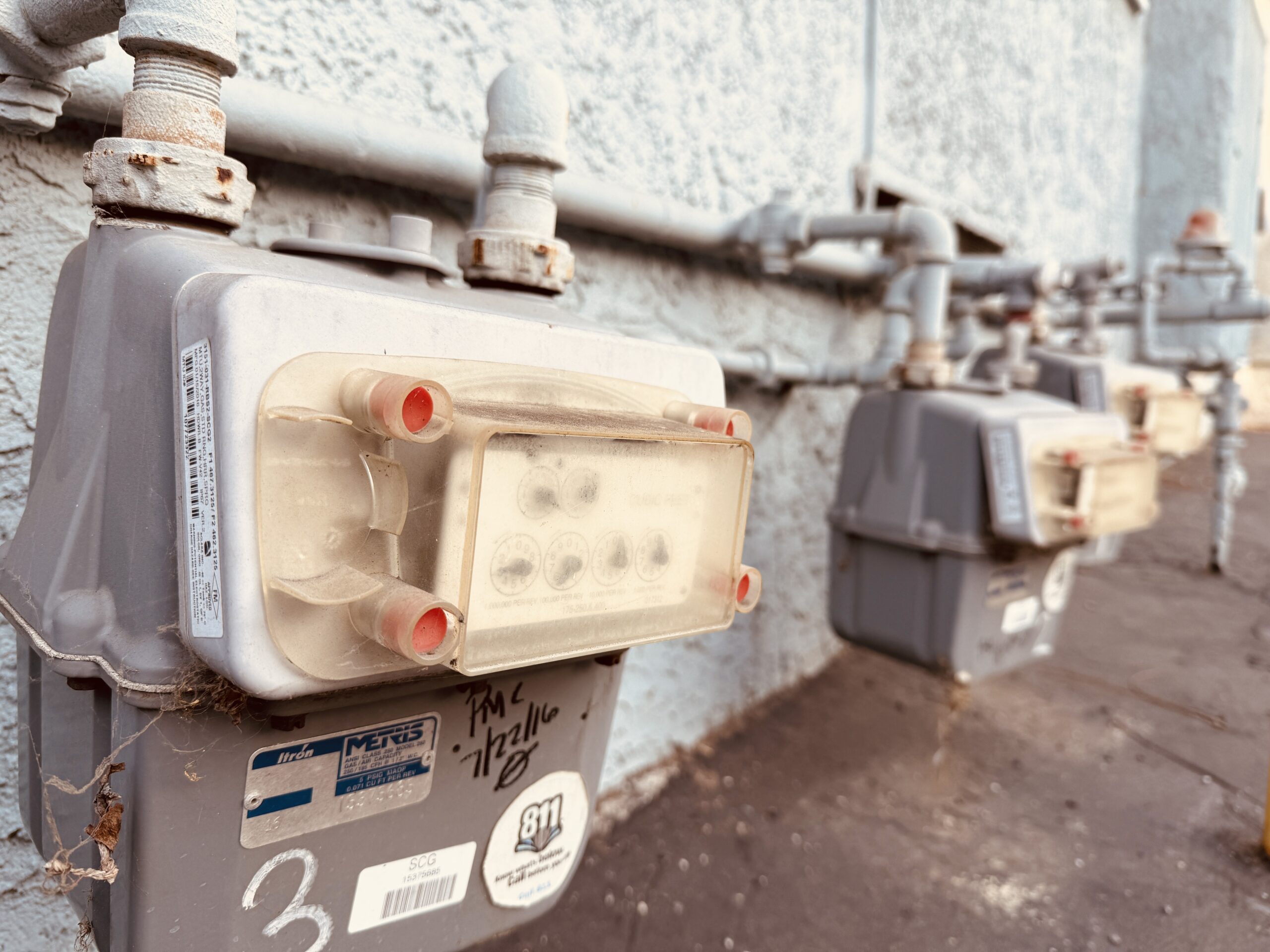
The state’s largest gas utilities are trying to delay priority zones for decarbonization and to block public access to important data. The CPUC should push them to do more.
Last fall, I wrote about the promise of SB 1221, a law that created a pathway for the California Public Utilities Commission (CPUC) to approve pilot projects that will support priority “neighborhood decarbonization zones” to transition away from building gas service toward zero-emissions alternatives, including electrification and thermal energy networks. Now, the gas utilities have …
Continue reading “Gas Utilities Can Do Better on Neighborhood Electrification”
CONTINUE READINGWe Built This City On Urban Form

California’s CEQA reforms will require rethinking how we code our cities
I am one of the relatively few observers who is not convinced that the California Legislature’s recent CEQA reforms are some sort of major transformation. They are a positive step toward building more housing in this state, but the idea that they will unleash housing construction and affordability is a classic case of overpromising – …
Continue reading “We Built This City On Urban Form”
CONTINUE READINGWhy is EPA at War with Its Own Employees?
The Drain is a weekly roundup of environmental and climate news from Legal Planet.
While many of us prepared to celebrate Independence Day last week, a group of employees from the Environmental Protection Agency were bravely speaking out about what they see as their boss “recklessly undermining the EPA mission” of protecting human health and the environment. In a now-infamous letter sent to EPA Administrator Lee Zeldin, hundreds of …
Continue reading “Why is EPA at War with Its Own Employees?”
CONTINUE READINGA Very Bad House Vehicle Pollution Bill
The Fuel Emissions Freedom Act may be a stunt, but it’s worth examining
It can be hard to keep track amid all the hair-raising developments in Congress and at the Supreme Court, but last week, a group of House Republicans led by Roger Williams of Texas introduced the Fuel Emissions Freedom Act, hot on the heels of the purported (illegal) termination of California’s vehicle emissions standard waiver. This freedom-to-pollute …
Continue reading “A Very Bad House Vehicle Pollution Bill”
CONTINUE READINGThe Emperor’s New Endangerment Theory (Part III)

How did EPA get to the absurd conclusion that 1.5 billion tons of carbon emissions aren’t significant? Well might you ask.
There is a very good chance that a court would strike down a EPA’s current finding that carbon emissions from the U.S. power sector are too insignificant to regulate. EPA’s effort to explain its ultimate conclusion rests on a hodgepodge of poorly analyzed considerations, which obviously have been reverse engineered to lead to EPA’s preferred conclusion.
CONTINUE READINGLast Year’s Climate Bond May Not Be What You Thought
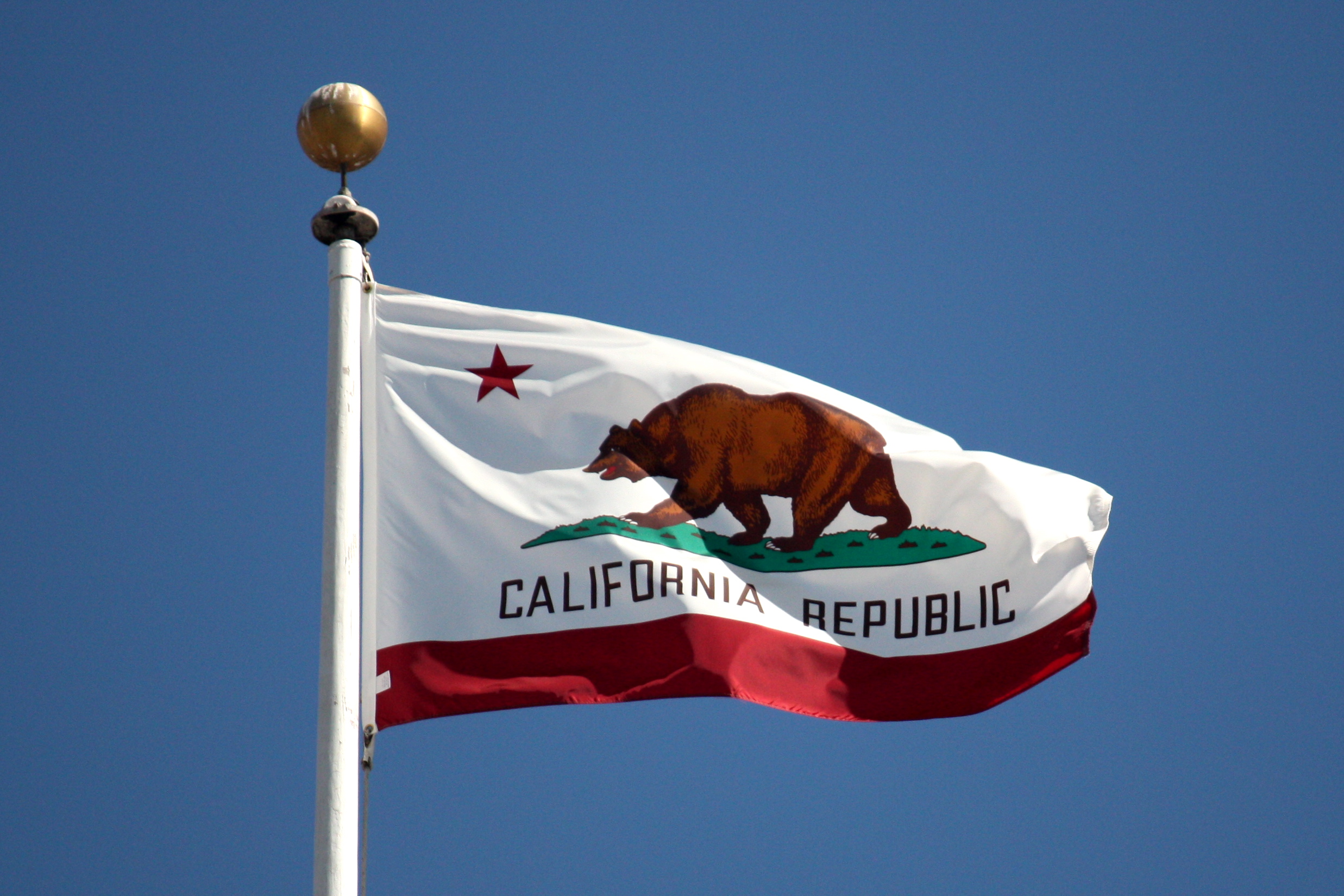
While investing in important adaptation and resilience measures, Proposition 4 does less to create new clean energy infrastructure investments
Last year, legislators passed, the governor signed, and California voters approved, a ten billion dollar climate bond (the Safe Drinking Water, Wildfire Prevention, Drought Preparedness, and Clean Air Bond Act of 2024, SB 867 (Allen), which appeared on the November ballot as Proposition 4). While the bond act’s full title largely tells the story of …
Continue reading “Last Year’s Climate Bond May Not Be What You Thought”
CONTINUE READINGJoin Our Mailing List
Climate policy is changing rapidly. Stay in the loop with expert analysis via email Monday - Friday.

The Drain is a roundup of climate and environmental news from Legal Planet delivered to your Inbox once a week.