

























































Public Lands
Strictly Ballroom

How will the Supreme Court’s opinion impact environmental standing?
There’s a lot of concern about how the Supreme Court’s opinion in the ballroom case could impact environmental law. In the majority’s view, the problem was that the plaintiff lacked standing. The concern is that the Court may have cut back standing doctrine in a way that will block many environmental cases. You never know what the Court might do down the road, but I think the opinion itself is much more limited.
CONTINUE READINGMoving Environment Assessment Outside the Permit Process

Streamlining is good but shouldn’t become an excuse for just ignoring the environment.
I’m very sympathetic to arguments that we’re unable to build important infrastructure, whether housing or transmission, because we have too much red tape. There’s a real temptation, however, to throw out the environment a baby with the procedural bathwater. It’s hard not to suspect that sometimes that’s the point and permit reform is just an effort to avoid considering environmental harms. Be that as it may, it’s easy to embrace restrictions on environmental reviews without giving enough thought to what we may be losing – and how we might be able to get the best of both worlds. As Eric Biber has discussed in many of his posts, many proposed permit reforms are not well-designed to achieve their ends. A more fundamental problem is that we’re not always sure we’re addressing the right part of the problem.
CONTINUE READINGA Better Approach to Wildfire on Public Lands
Why our proposal improves on Fix Our Forests.
This blog post was co-authored with Dave Owen, at UC Law SF. The draft article this blog post series is based is here. This is the seventh in a series of blog posts on our proposal to reform wildfire law in the United States. The first post is here. The second post is here. The …
Continue reading “A Better Approach to Wildfire on Public Lands”
CONTINUE READINGWildfire and National Forests
Reforming federal forest management to address wildfire
This blog post was co-authored with Dave Owen, at UC Law SF. The draft article this blog post series is based is here. This is the third in a series of blog posts on our proposal to reform wildfire law in the United States. The first post is here. The second post is here. Federally …
Continue reading “Wildfire and National Forests”
CONTINUE READINGThe Challenges of Wildfire
Why wildfire management is so difficult to reform
This blog post was co-authored with Dave Owen, at UC Law SF. The draft article this blog post series is based is here. This is the second in a series of blog posts on our proposal to reform wildfire law in the United States. The first post is here. Why is fire such a hard …
Continue reading “The Challenges of Wildfire”
CONTINUE READINGFixing Wildfire Law
The urgent challenge of reforming how we manage wildfire
This blog post was co-authored with Dave Owen, at UC Law SF. The draft article this blog post series is based is here. Every year brings another reminder of why fire is at the top of environmental and natural resource issues for the United States, and how our legal system struggles to adjust to fire. …
Continue reading “Fixing Wildfire Law”
CONTINUE READINGTrying to Create Permit Certainty
A new permitting reform bill does a good job of managing tradeoffs for a difficult problem
Last month two Senators proposed another permitting reform bill, the FREEDOM Act. This is a revised version of a bill that was introduced in the House earlier this year, which I wrote about before. (And yes, if you are having trouble keeping up with all the permitting reform bills floating around, you are not alone.) …
Continue reading “Trying to Create Permit Certainty”
CONTINUE READINGOff the Road Again?
Trump Administration revocations of ORV Executive Orders won’t have direct effects on the ground, yet.
Last month the Trump Administration revoked two executive orders over forty years old that directed federal agencies to restrict off-road vehicle use (ORV) on public lands in order to protect those lands’ environmental value. The revocation is, of course, controversial, and of a piece of a scorched earth approach to environmental regulation this Administration has …
Continue reading “Off the Road Again?”
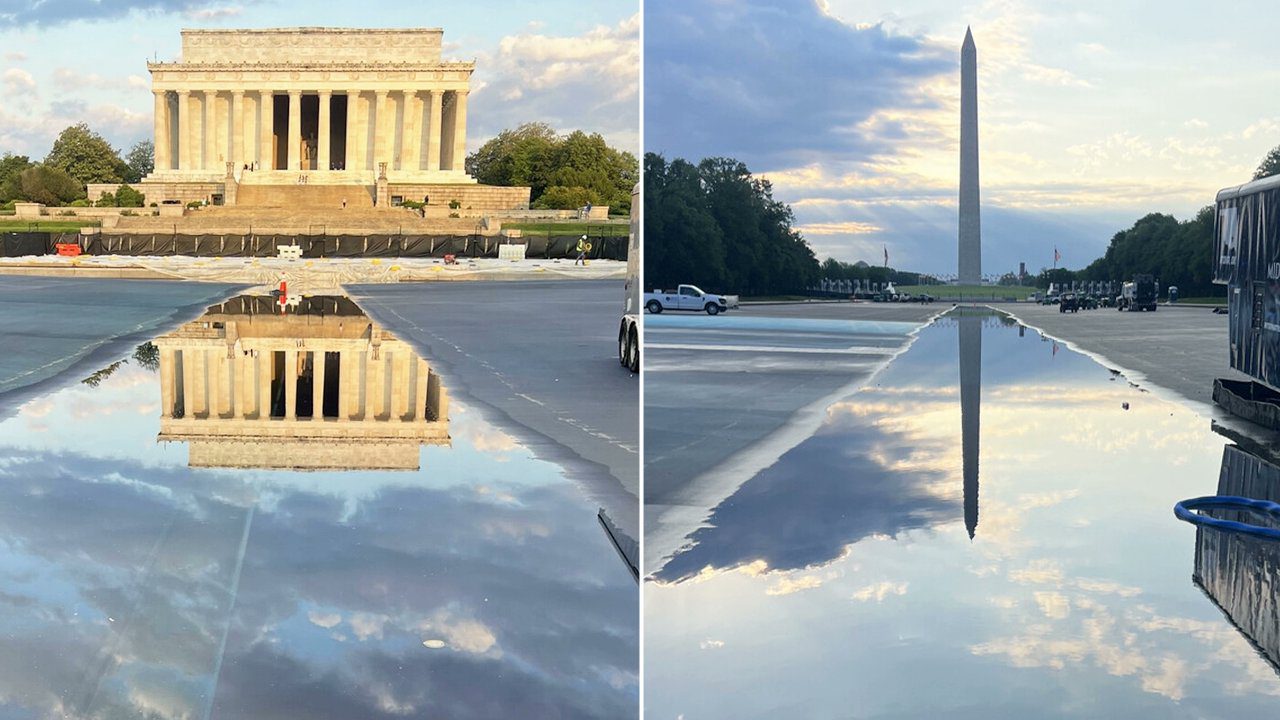
CONTINUE READINGAmerica the Beautiful — Not Beautification Projects
The Drain is a weekly roundup of environmental and climate news from Legal Planet.
If you braved one of America’s most iconic national parks this weekend, you may have a new appreciation for the meaning of Jean-Paul Sartre’s famous line that “hell is other people.” At Yosemite, visitors reported waiting up to two hours just to enter the park and once they made it through, they were greeted by …
Continue reading “America the Beautiful — Not Beautification Projects”
CONTINUE READINGThe Compelling Case for Clean Energy Subsidies

There’s a solid economic case for government support
Tax credits and direct subsidies sound like handouts. That’s not true in the case of renewable energy and electric vehicles. No should feel bashful in advocating for these subsidies. They provide very real benefits to society, not just to the shareholders in a few firms. Tax credits and subsidies. like those that were contained in the Inflation Reduction Act, will help us avoid many billions of dollars a year of harm to our environment and health. They will also make America competitive in what are clearly the industries of the future, rather than abandoning the field to China.
CONTINUE READINGJoin Our Mailing List
Climate policy is changing rapidly. Stay in the loop with expert analysis via email Monday - Friday.

The Drain is a roundup of climate and environmental news from Legal Planet delivered to your Inbox once a week.