
















































A quick overview of the Senate permitting reform bill
Senate bill has major changes for NEPA, some changes for Clean Water Act
The bipartisan permitting reform bill – at least the Senate version – is out. You can see it here. My initial take on the bill is below, and I hope to do some more detailed examination of specific provisions soon. My focus will be on the environmental law side, not the transmission side, since that is the part I know better. (For a very helpful overview of the entire bill, see this summary from Heatmap, though I think there are some errors, as I note below). ...
CONTINUE READINGFrom Desert to Oasis?

Xi Jinping's Tree-Planting Toast and the Future of U.S.-China Environmental Cooperation
Last week, China’s President Xi Jinping shocked retired American teacher Ron Sakolsky by mentioning him in a toast at a White House state dinner as a “shining example of friendly exchanges” between Chinese and American people. Sakolsky found himself in unexpected company: Xi’s brief history of U.S.-China friendship included George Washington’s purchase of Chinese porcelain; the U.S.’ World War II “Hump” airlift over the Himalayas, Ping-Pong diplomacy and ...
CONTINUE READINGGet Out the (Green) Vote
The Drain is a roundup of environmental and climate news from Legal Planet.
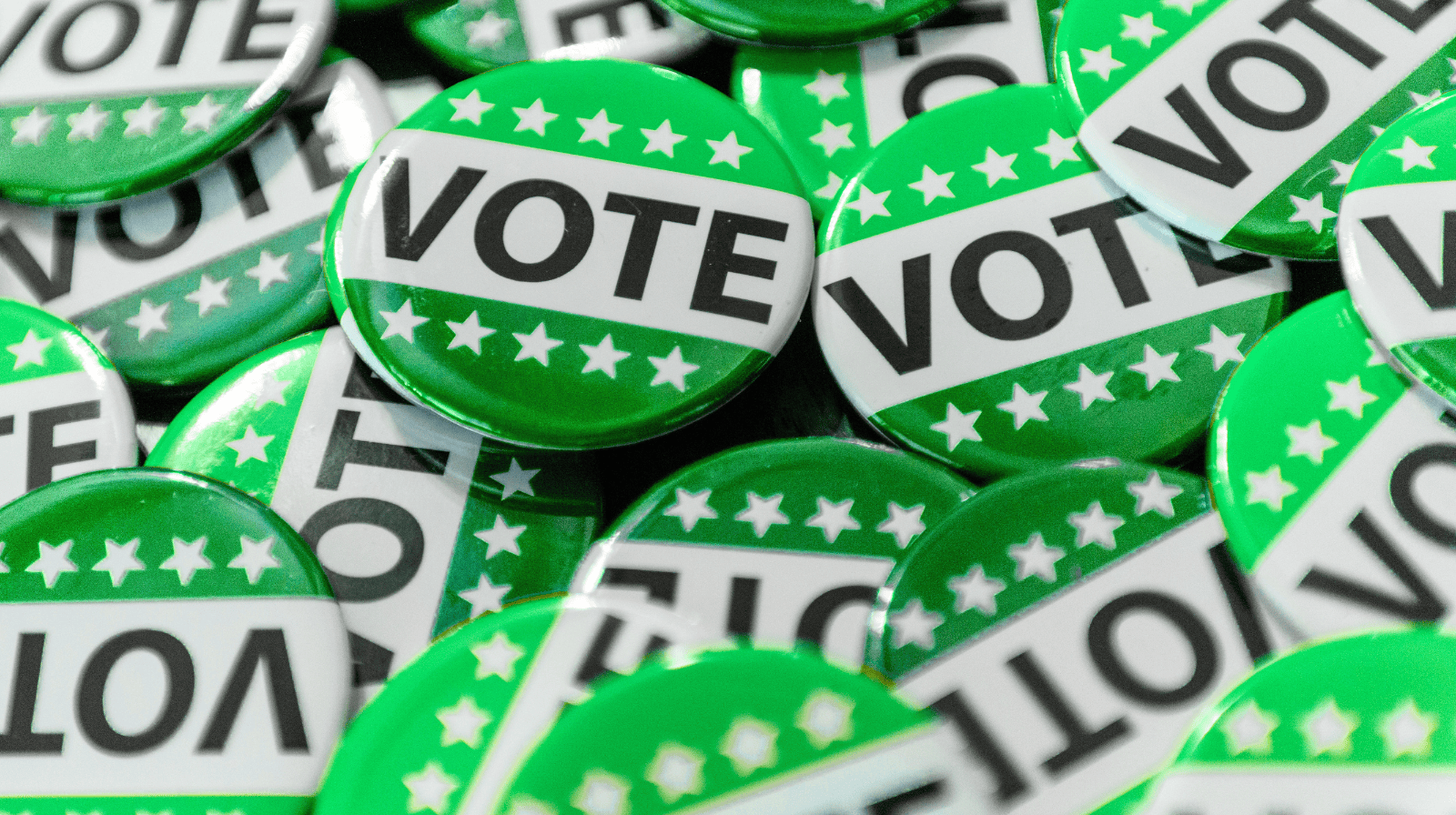
Paying people for their vote in the midterms was one of those bizarre ideas that Trump floated and even some Republicans dismissed. But there is actually an incentivized Get Out the Vote effort happening right now that makes more sense (and is legal). Patagonia, a longtime corporate supporter of environmental activism, is offering customers a financial incentive if they encourage friends and family to make a plan to vote in the midterm elections. Not to vote for a...
CONTINUE READINGWho Will Control the Next Congress?
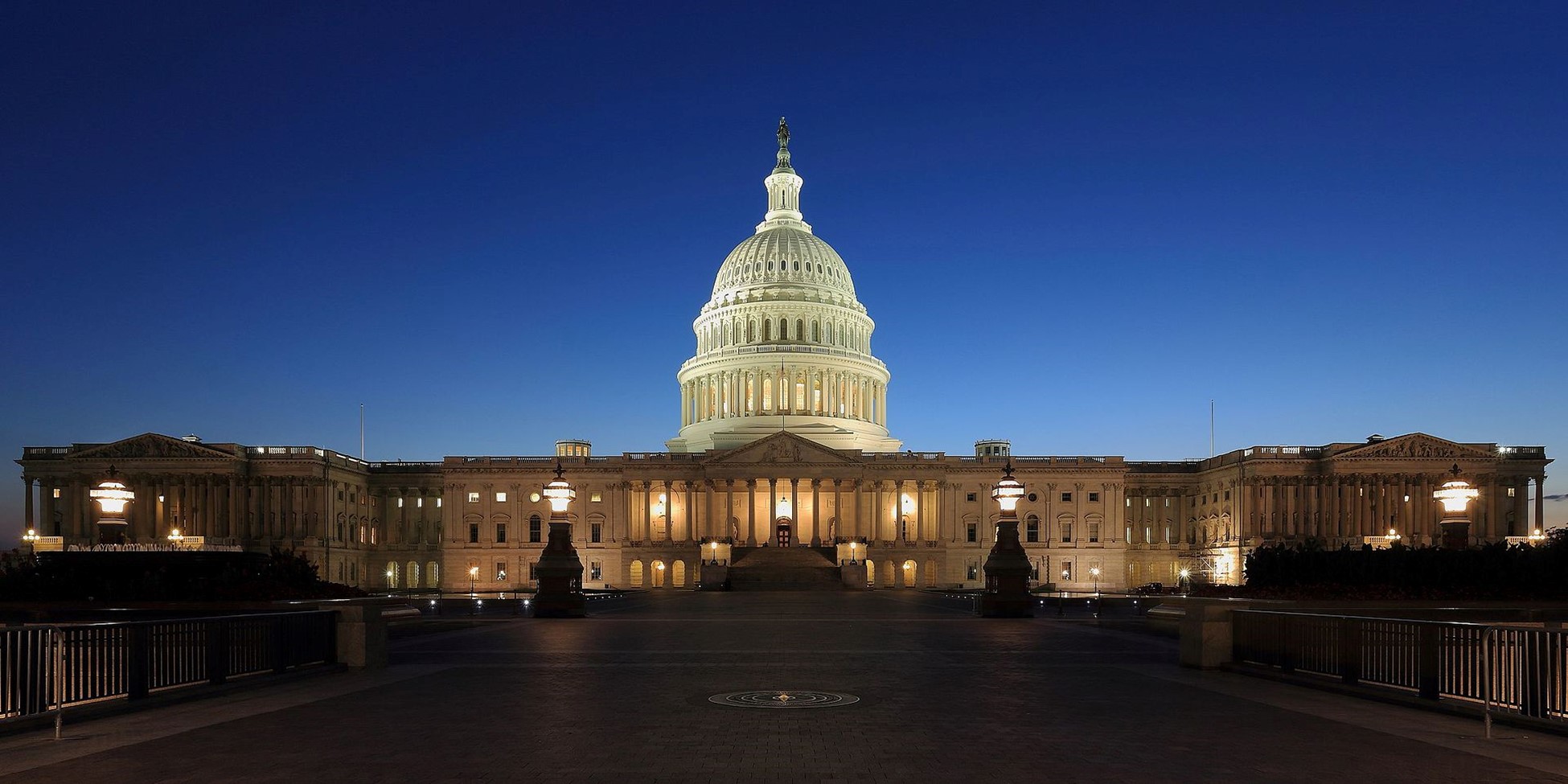
The election could be very close -- or things could break hard for one party.
As we get closer to the election, there are still undoubtedly surprises ahead. Still, we can get a sense of where things are heading based on current information. Who controls Congress will impact a lot of issues, including environment and energy. Even with a President as wilful as Trump, Congress has significant levers to pull. Where do things stand today? Since I’m not a political expert, I’ll rely on two political websites, Cook and Sabato, for guidance. Th...
CONTINUE READINGGorsuch is (Partly) Right
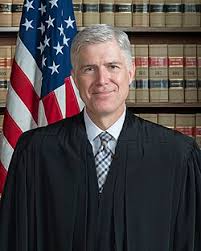
Justice Gorsuch is wrong about the cure, but delegation has gotten out of hand.
Justice Gorsuch has made it a personal crusade to revive the nondelegation doctrine, in part because of concerns about the rising tide of presidential power. As I'll explain below, the nondelegation doctrine tries to limit the ability of Congress to delegate authority to the executive branch. Strengthening the doctrine is an unworkable solution, but Gorsuch is right that Congress has put far too much trust in the good faith and sound judgment of the President and ...
CONTINUE READINGThe Emmett Institute Celebrates Our “Genius” Alumna, Holly Buck
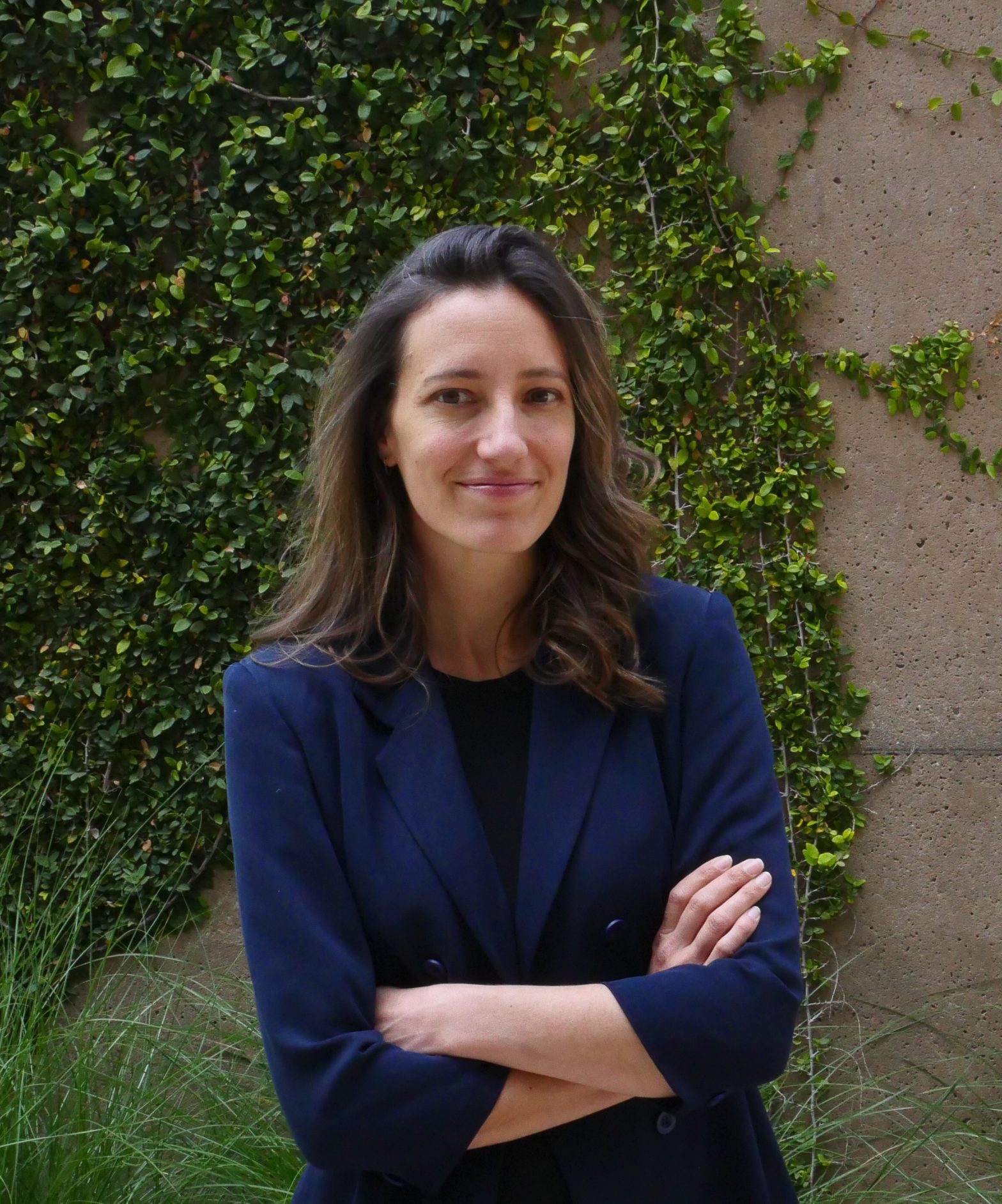
The latest MacArthur Fellows include Holly Jean Buck, a sociologist and energy policy researcher investigating the social, ethical, and political dimensions of emerging climate policies.
The Emmett Institute is bursting with pride today that our former fellow Holly Jean Buck, now Associate Professor of Environment and Sustainability at the University of Buffalo, has just been awarded a 2026 MacArthur Fellowship. The MacArthur Fellowships, informally known as the “genius awards,” recognize exceptionally creative people to enable them to pursue their work with no restrictions. I cannot imagine a more ideal candidate for this honor than Holly. Sh...
CONTINUE READINGSome (Very) Modest Progress on EV Charging Policy
Three new bills address challenges, but bigger opportunities await
Last week, Governor Newsom signed a batch of legislation intended to promote installation of electric vehicle (EV) chargers around the state. California is home to over 200,000 publicly accessible EV chargers, which is both an outstanding infrastructure achievement and a far cry from the million chargers that the California Energy Commission estimates we will need to serve EV drivers around the state by 2030. (This target, and the two million plus target for 2035, is pre...
CONTINUE READING‘Solar for All’ Victories and the Future of Grantee Litigation

Two courts vacated U.S. EPA’s termination of solar funds. Guest contributor Adam Earl King outlines what to watch for on appeal.
Guest contributor Adam Earl King is a student at The University of Texas School of Law (JD ’27) and a Summer ’26 Legal Research Assistant at UC Berkeley's CLEE. This time last year, local-government and non-profit grantees’ hearts dropped when EPA Administrator Lee Zeldin announced via X that he’s ending the “boondoggle.” The so-called “boondoggle” was Solar for All (SFA), a $7 bn program designed to subsidize residential solar in low-income commun...
CONTINUE READINGWho Cares About Affordability and Gas Prices? Not DOT
The Trump administration's new CAFE standards actually make cars LESS fuel efficient, defy Congressional intent, and increase air and climate pollution.
The Trump Administration today issued new fuel economy standards that require average fuel economy that will be LOWER by 2031 than what Congress mandated for 2020. While consumers are paying an average of $4.49 a gallon of gas, the Department of Transportation is setting standards that require only 34.9 miles per gallon (MPG) by 2031 even though Congress required standards of at least 35 MPG for vehicles manufactured six years ago. In other words, we are backsliding ...
CONTINUE READINGBy Our Powers Combined, We Are Captain Planet
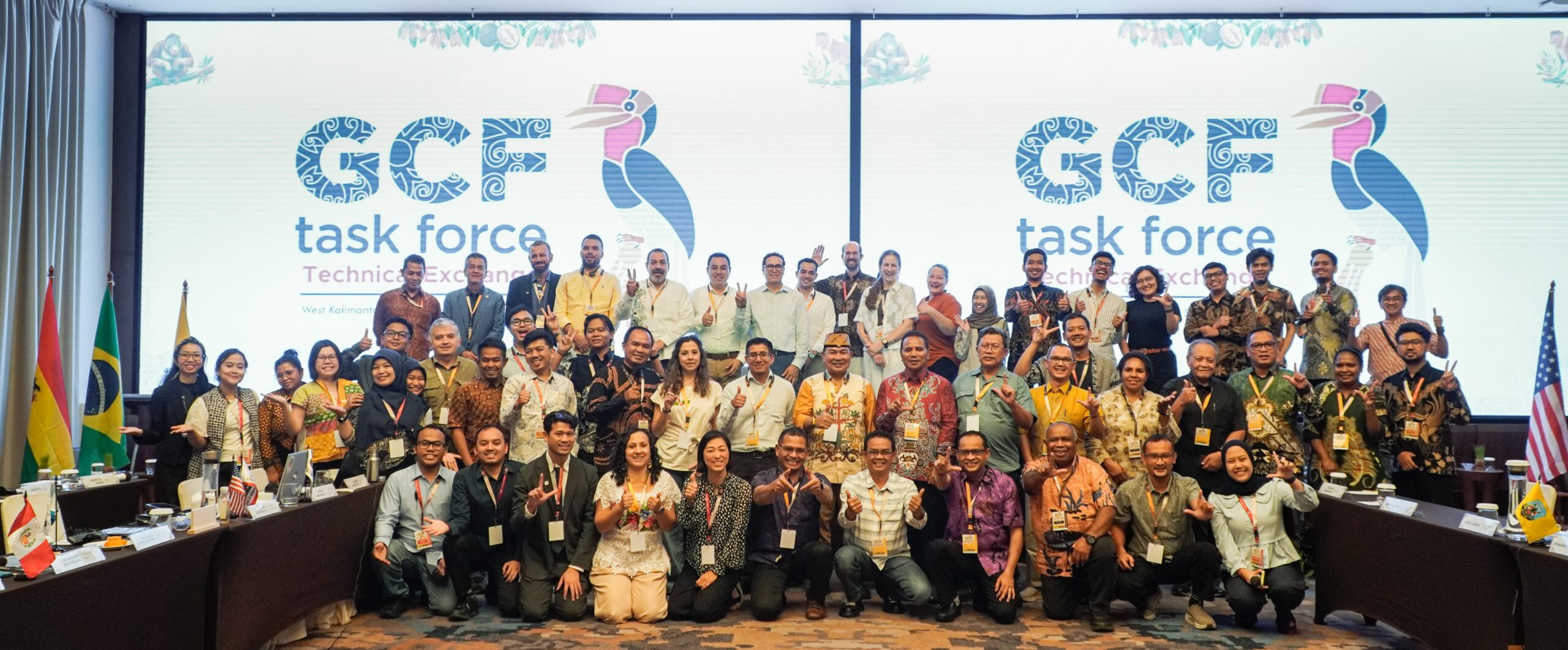
Facing climate disasters, the GCF Task Force is putting the network theory of governance into practice.
I don't need to tell you that the last several months have seen an increasing number of climate-related disasters, including severe heatwaves throughout Europe and droughts that are impacting water supply and reducing ship passages through the Panama Canal. This year’s super El Niño has exacerbated the ongoing fires across Indonesian Borneo. It is projected to result in significant impacts globally (drought, fire, floods, extreme storms and heat, impacted food systems...
CONTINUE READINGJoin Our Mailing List
Climate policy is changing rapidly. Stay in the loop with expert analysis via email Monday - Friday.

The Drain is a roundup of climate and environmental news from Legal Planet delivered to your Inbox once a week.