










































Academia
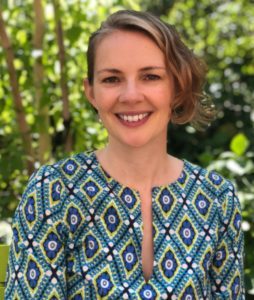
The Emmett Institute Celebrates Our “Genius” Alumna, Holly Buck
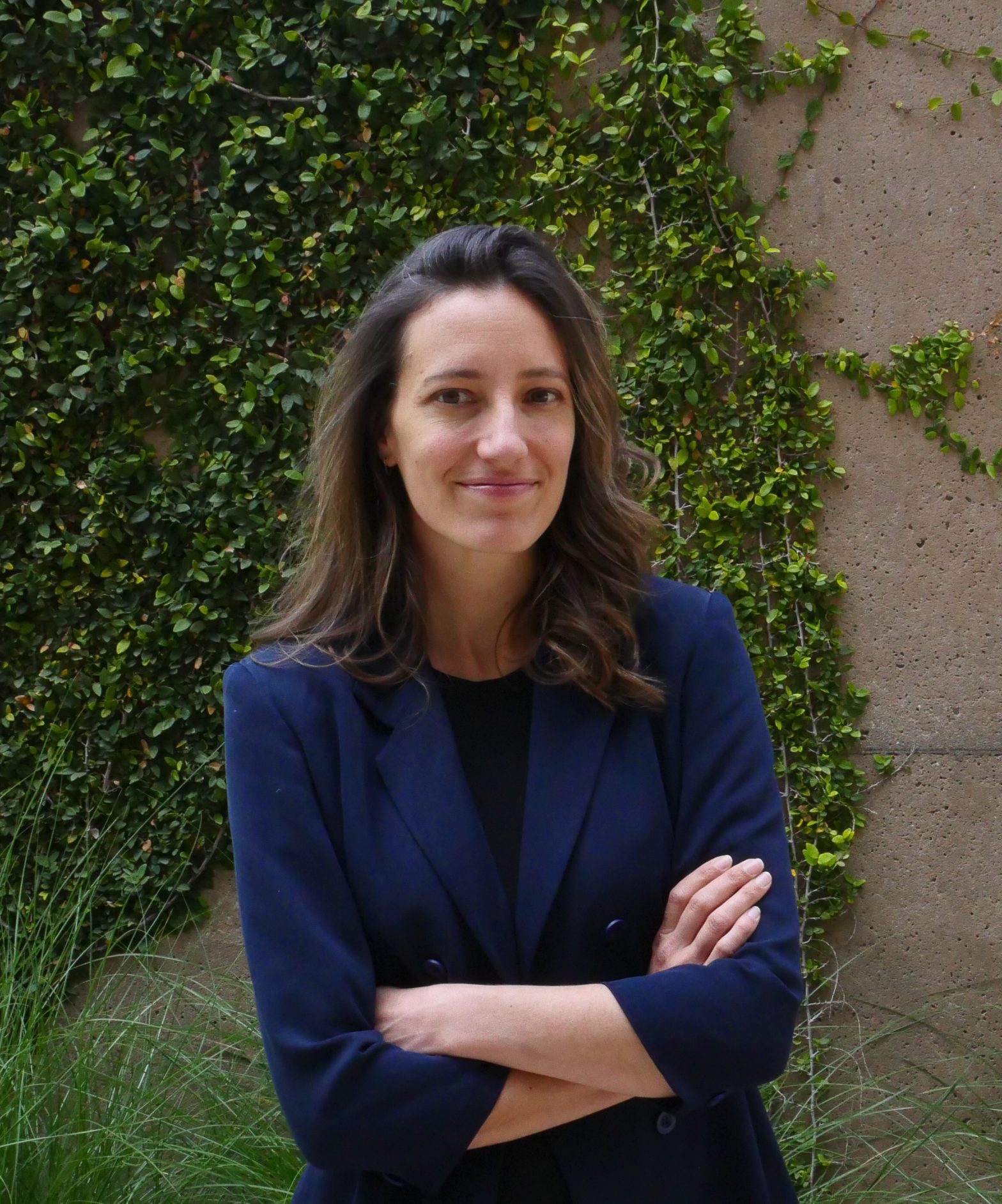
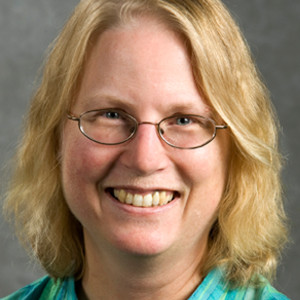
The latest MacArthur Fellows include Holly Jean Buck, a sociologist and energy policy researcher investigating the social, ethical, and political dimensions of emerging climate policies.
The Emmett Institute is bursting with pride today that our former fellow Holly Jean Buck, now Associate Professor of Environment and Sustainability at the University of Buffalo, has just been awarded a 2026 MacArthur Fellowship. The MacArthur Fellowships, informally known as the “genius awards,” recognize exceptionally creative people to enable them to pursue their work …
Continue reading “The Emmett Institute Celebrates Our “Genius” Alumna, Holly Buck”
CONTINUE READINGUCLA Law Clinics File Brief in the “Mecheros” Case

UCLA’s Human Rights Litigation Clinic and Environmental Law Clinic represent experts in a long-running case that seeks to stop harmful gas flaring in Ecuador.
Guest Contributors Incia Haider and Enrique Garcia are J.D. candidates of UCLA School of Law, ‘27. This month, the Human Rights Litigation Clinic and the Frank G. Wells Environmental Law Clinic at UCLA School of Law filed an amicus brief with the Constitutional Court of Ecuador on behalf of a group of law professors and international legal scholars: our own Kate Mackintosh of UCLA Law, …
Continue reading “UCLA Law Clinics File Brief in the “Mecheros” Case”
CONTINUE READINGYa Gotta Read The Syllabus!!
A new study reveals the pervasiveness of academic groupthink — with warnings for environmental scholars
One of the most frustrating aspects about the debate over the degree to which “Wokeness” (never defined) has taken over the Academy (or not) is that it relies almost exclusively on anecdotes. Someone says or writes something ridiculous; someone else is fired for saying or writing something ridiculous (or often not ridiculous). It is very …
Continue reading “Ya Gotta Read The Syllabus!!”
CONTINUE READINGThe Bottleneck in Forest Monitoring Isn’t in Orbit

Groups on the frontlines fighting deforestation are held back by institutional constraints – not just technological barriers – according to a new study from UCLA, NYU, World Resources Institute, and the Governors’ Climate and Forests Task Force.
There are 16,000 satellites circling the Earth right now, and a growing share of them capture images of our planet in unprecedented detail at every moment of the day. One of the many things they measure, monitor, and observe are forests. Being able to measure forests is the foundation for protecting them and for decades …
Continue reading “The Bottleneck in Forest Monitoring Isn’t in Orbit”
CONTINUE READINGWhat In The World Is Happening At Nature?
Its recent editorial about Jason Arday should make us wonder whether academia adds value to anything.
By now, the tragic story of Jason Arday is well-known. But it seems that many people are doing their best to not learn anything from it. In this case, “many people” seems to be the editorial board of Nature, perhaps the most prestigious scientific journal in the world (together with Science). Nature’s editorial discusses the …
Continue reading “What In The World Is Happening At Nature?”
CONTINUE READINGDear 2026 1L
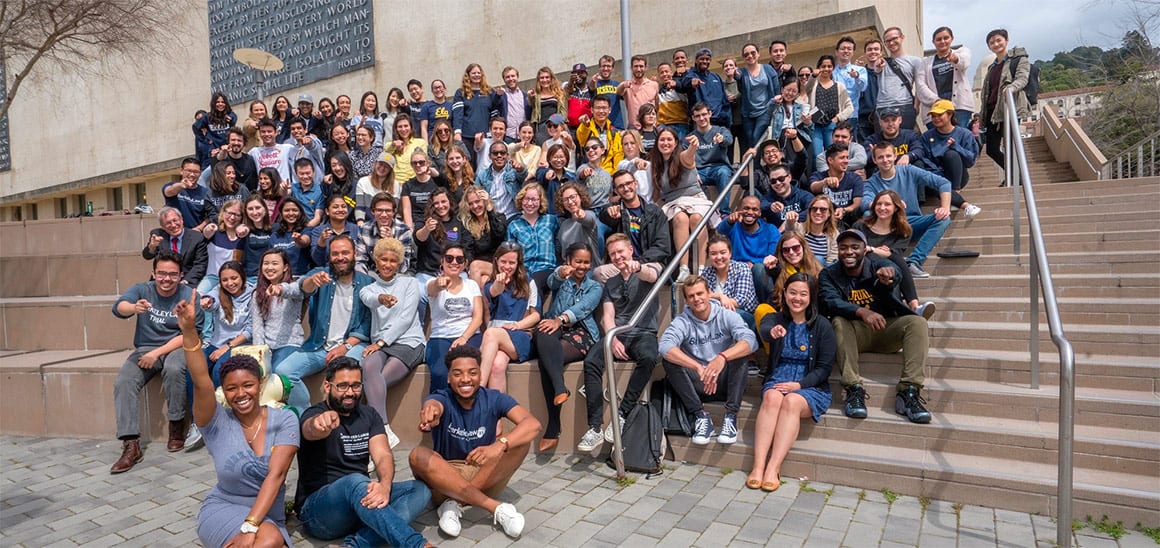
Today’s entering law students are preparing to start careers at a critical time for the environment.
Welcome to law school. You’re beginning your life in the law at a critical time. What we do together between now and 2035 will determine what your lives look like in 2050 and 2080, and what your children and grandchildren will see in the next century. So, grab your books, get yourselves ready, and be prepared to head for the legal trenches when you graduate. No time to waste!
UCLA Law Clinic Files Brief Supporting DC’s Clean Buildings Act in DC Circuit
Energy law experts explain local governments’ longstanding primary authority over local gas distribution and use.
Last Friday, UCLA’s Frank G. Wells Environmental Law Clinic filed a DC Circuit brief in support of the District of Columbia’s Clean Buildings Act on behalf of 11 leading energy and environmental law professors: UCLA’s own William Boyd, Lincoln Davies at the University of Utah, Dan Farber and Sharon Jacobs at UC Berkeley, Alexandra Klass …
Continue reading “UCLA Law Clinic Files Brief Supporting DC’s Clean Buildings Act in DC Circuit”
CONTINUE READINGEscalating the War on Science
Now the National Academies are in the cross-hairs.
The National Academics of Science, Engineering, and Medicine are at the pinnacle of American science. Recently, President Trump President Donald Trump ordered a so-called suspension and debarment investigation into the National Academies for what a supposedly “fraudulent, biased, and misleading” report on climate change. The Academies, he said, are “run by Radical Left Dumocrats,” which is apparently more than enough reason to ban them from government funding.
CONTINUE READINGScreaming in the Wilderness
More is screaming needed.
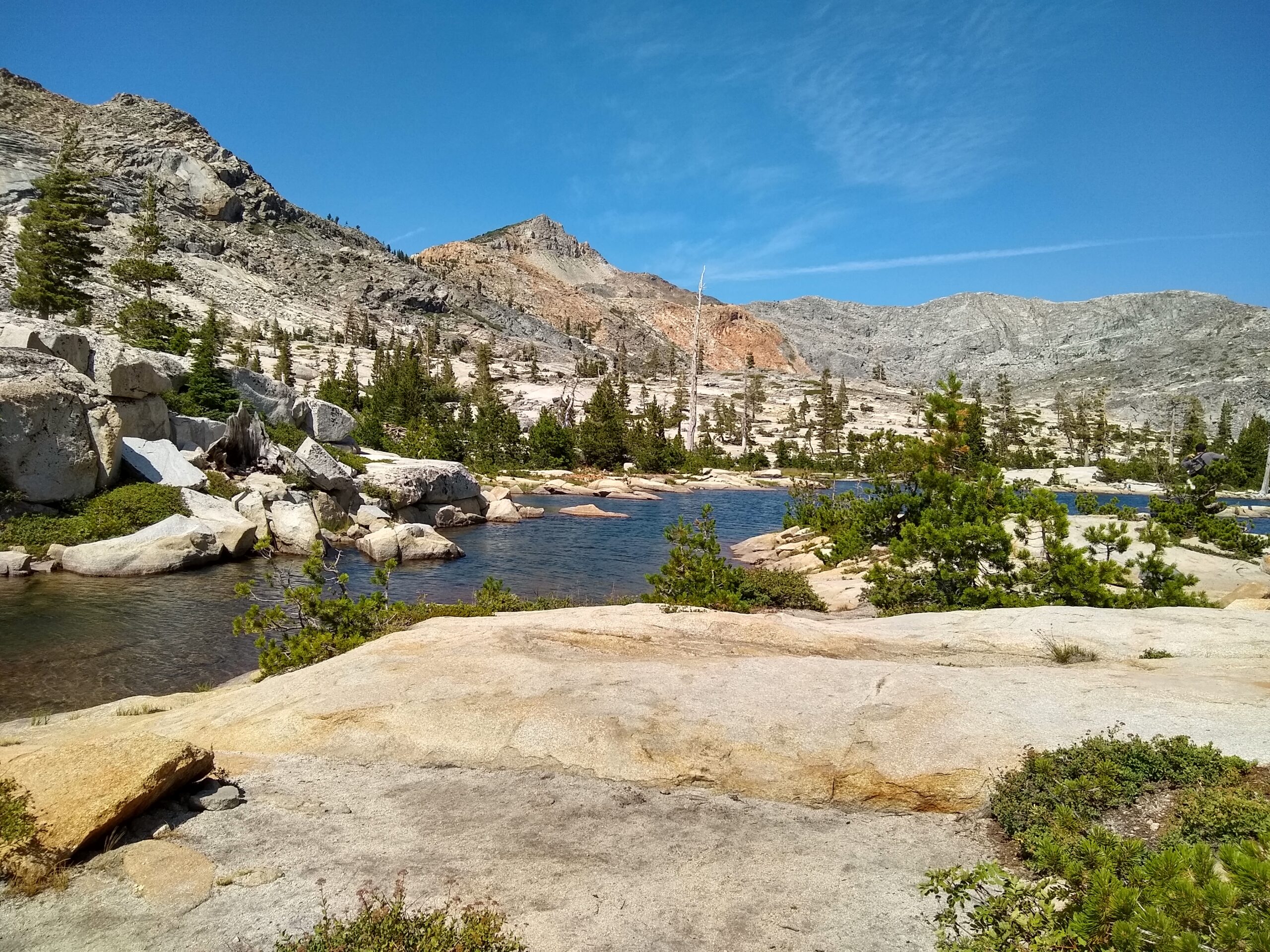
It is no surprise that, in the past couple of weeks, the Trump Administration has moved to gut habitat protection under the Endangered Species Act, opening wilderness areas to mining and oil drilling, and to eviscerate Monument designation for most of two wilderness areas in Utah. Trump and his allies made their intentions clear in …
Continue reading “Screaming in the Wilderness”
CONTINUE READINGInforming Housing Policy Debates With The Latest Research
New CLEE “working paper” housing literature review
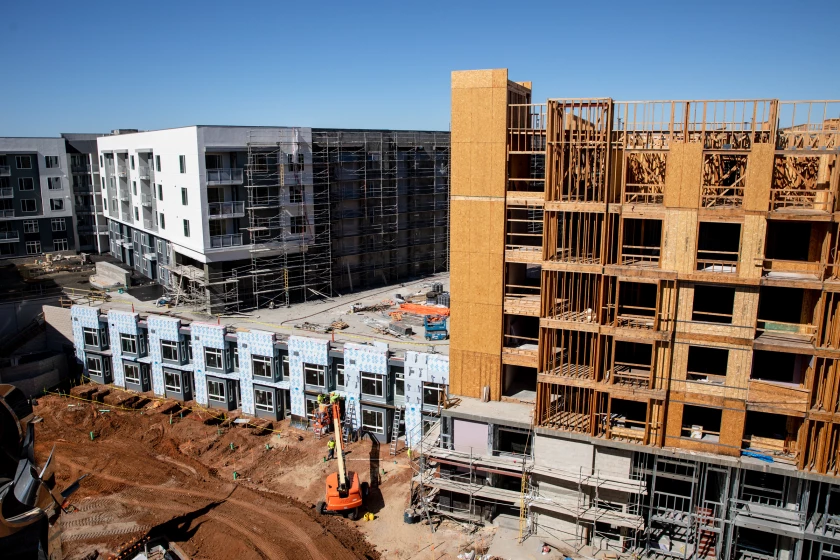
Housing is in short supply in states like California, leading to massive inequality, economic hardship, population loss, and climate impacts, as more residents live farther from job centers in climate-risky areas that require long commutes. Yet the debate around solutions to this problem, such as zoning and permitting reforms, are often colored by misinformation and …
Continue reading “Informing Housing Policy Debates With The Latest Research”
CONTINUE READINGJoin Our Mailing List
Climate policy is changing rapidly. Stay in the loop with expert analysis via email Monday - Friday.

The Drain is a roundup of climate and environmental news from Legal Planet delivered to your Inbox once a week.