



























































Region: National
Risky Business
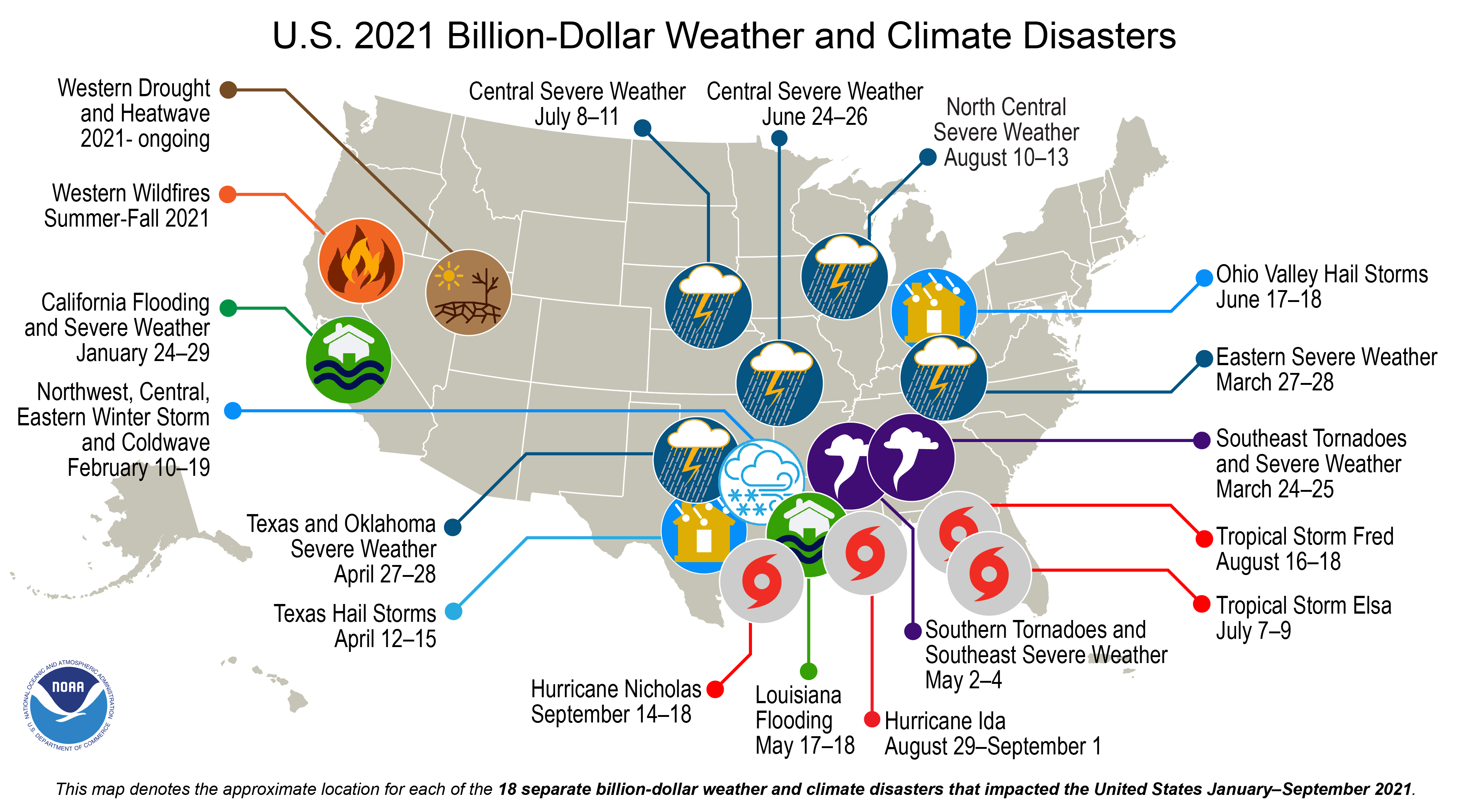
Climate Change and the Insurance Sector
Founded in 1871, the National Association of Insurance Commission represents insurance regulators in all fifty states. It’s not a particularly woke group – the current president is the Director of the Idaho Department of Insurance. However, the group has just issued a new “voluntary” survey for insurance companies about climate risks. “Voluntary” is in quotes …
Continue reading “Risky Business”
CONTINUE READINGWhy Energy Conservation Will Remain Crucial
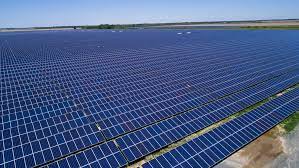
Even after switching to clean power, we’ll still need to limit energy use.
If we switch to renewables, we won’t need to worry about saving energy. Right? Wrong! One reason to save energy is to limit carbon emissions from the energy we use. That’s going to important until the energy system has been completely cleaned up. But energy conservation is important for reasons that go beyond the direct …
Continue reading “Why Energy Conservation Will Remain Crucial”
CONTINUE READINGWhy Are Big Utilities Planning to Cut Carbon?

The top ten utilities have set goals for emissions reduction. It’s less clear what’s driving them.
As my post on Monday indicated, the top ten utilities have all announced plans for cutting carbon in the next several decades. Some of these utilities, like PG&E or ConEd, operate in states that have ambitious climate policies. It’s easy to see why utilities in New York or California would be setting their own targets. …
Continue reading “Why Are Big Utilities Planning to Cut Carbon?”
CONTINUE READINGEmissions by the Big Utilities: Where They Are, What They’re Aiming For

Almost all the top ten utilities are big emitters today but looking to cut back.
There’s a lot of discussion of how the private sector is supporting renewable energy, but it’s almost all about power consumers like Apple and Walmart. But what about the companies who are selling the power? As a first step to getting a better sense of where the utility industry is going, we accumulated some basic …
Continue reading “Emissions by the Big Utilities: Where They Are, What They’re Aiming For”
CONTINUE READINGWashington State Steps Up

A new law is the latest sign that the future is electrical, not oil.
On the weekend weekend, Governor Jay Inslee signed a major transportation bill. The most dramatic feature of the bill is that it will mostly ban new gas cars in Washington as of 2030. That puts Washington ahead of California, Massachusetts and New York, as well as Canada and Japan. Washington’s deadline is tied with Israel, …
Continue reading “Washington State Steps Up”
CONTINUE READINGPollution Control as Climate Policy
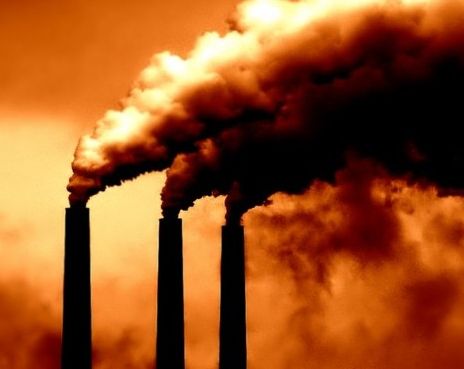
Tightening air quality standards will also reduce carbon emissions.
The Biden Administration is slowly grinding away at an important regulatory task: reconsidering the air quality standards for particulates and ozone. Setting those standards is an arduous and time-consuming process, requiring consideration of reams of technical data. For instance, a preliminary staff report on fine particulates (PM2.5) is over 600 pages long. When the process …
Continue reading “Pollution Control as Climate Policy”
CONTINUE READINGEnvironmental Justice, Truck Pollution, and the Biden EPA

How will EPA integrate EJ into its rule making? The answer remains murky.
EPA recently released a notice of proposed rulemaking for pollution from new heavy-duty vehicles. I was interested to see how environmental justice figured into the analysis, looking for clues about how the Biden Administration plans to make EJ part of decision making. What I found wasn’t very enlightening. Perhaps they’re still trying to come up …
Continue reading “Environmental Justice, Truck Pollution, and the Biden EPA”
CONTINUE READINGPipelines, Emissions and FERC
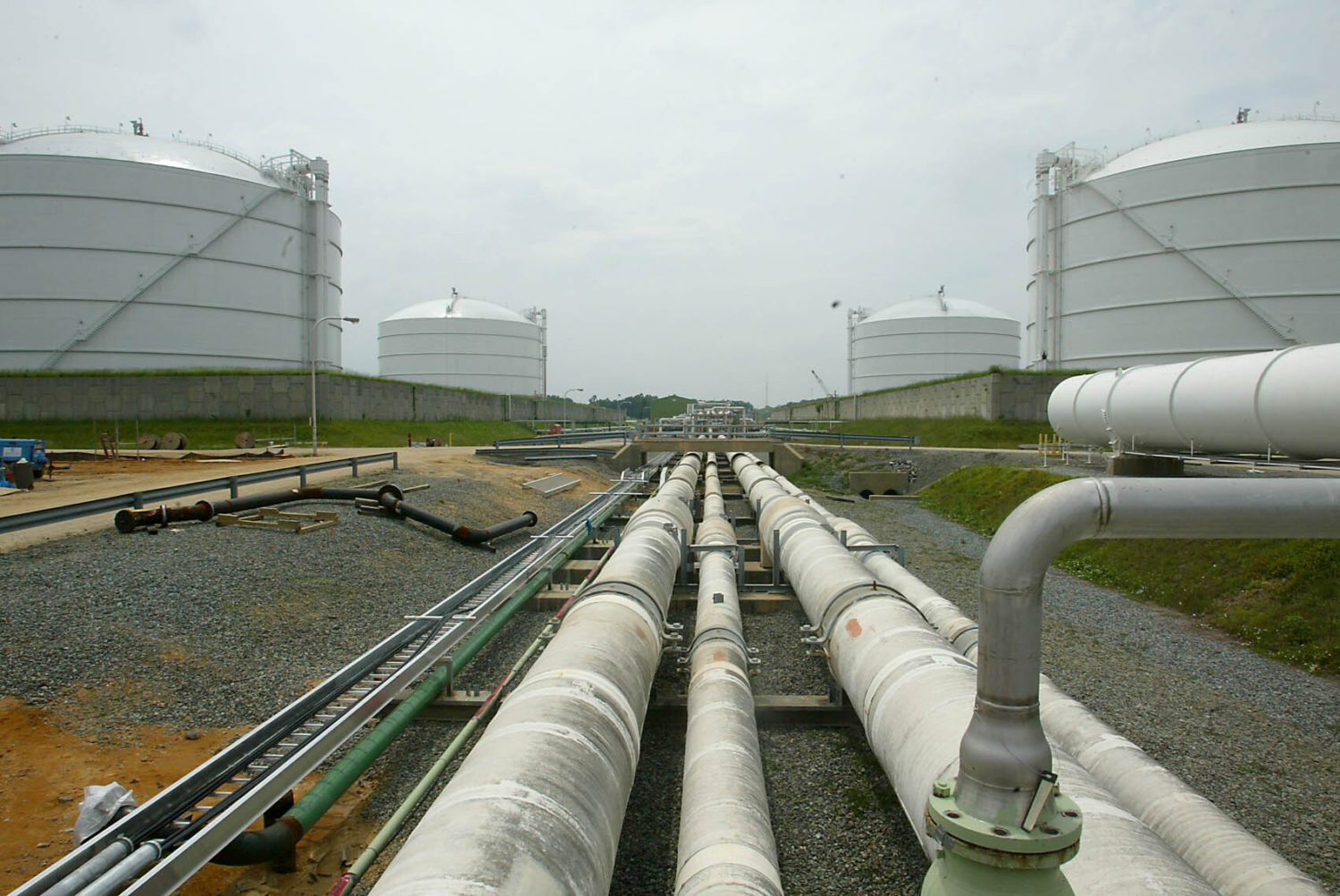
From now on, carbon emissions from new pipelines will be one of FERC’s key concerns.
On Friday there were two seismic shocks in the world of gas pipeline regulation. FERC has spent years resisting pressure to change the way it licenses new gas pipelines. A whole point of a natural gas pipeline is to deliver the gas to users who will burn it, thereby releasing CO2 into the atmosphere. FERC …
Continue reading “Pipelines, Emissions and FERC”
CONTINUE READINGFuture Shock
The latest IPCC report contains crucial new information about how soon and how bad climate impacts will be.
When the IPCC released its latest climate science report a few weeks ago, many commentators observed that the report should heighten our sense of urgency about climate action. Most of that discussion was at a very general level. It’s worth taking a closer look at some key findings and their policy implications. Here, I want …
Continue reading “Future Shock”
CONTINUE READINGSmoothing the Path for Transmission Lines
Fights over who should pay for power lines may become much easier to solve.
New high-power transmission lines have to run a regulatory gauntlet to get approved. One of the biggest barriers, however, isn’t about whether the line can be built but who will pay for it. That has turned out to be a much knottier problem than you might think. A decision by the D.C. Circuit on Friday, …
Continue reading “Smoothing the Path for Transmission Lines”
CONTINUE READINGJoin Our Mailing List
Climate policy is changing rapidly. Stay in the loop with expert analysis via email Monday - Friday.