
























































Disaster Law
Canada in Flames

What’s causing the fires? What harm do they do? What should we do?
One of the world’s great disasters is unfolding, as fires have covered millions of acres in Canada, destroying pristine ecosystems and poisoning the air for millions of people. Something like seven million acres have already burned. The U.S. government’s response is to threaten Canada with tariffs, apparently as punishment for allegedly having poorly managed its forests. Instead, we should be partnering with Canada on forest management, and we should cut the greenhouse gas emissions that are ramping up the fire risk.
CONTINUE READINGTrump’s FEMA Review
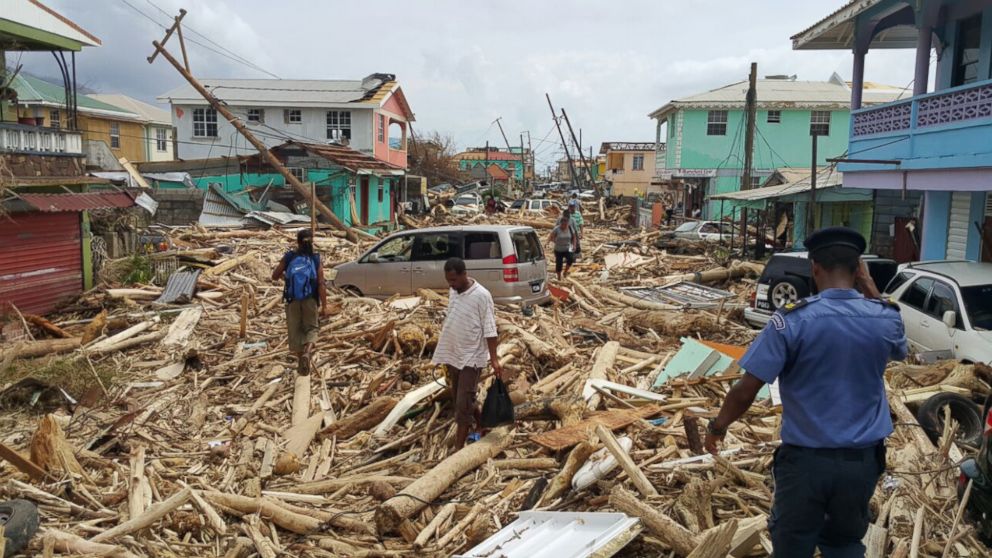
Trump’s FEMA Council has reported back. Its basic strategy is flawed.
After much delay, Trump’s FEMA Council has reported back. While the report has some good ideas, much of it resolves around the same strategy: move current problems from the federal government to the states rather than fixing them. Moving responsibilities around doesn’t make them go away. And the reality is that many states will be unable to manage these tasks efficiently. They also lack the federal government’s capacity and economies of scale. And while the federal government will do less itself, it will become more intrusive on state operations, so there’s no clear gain in terms of federalism.
CONTINUE READINGBending Under Pressure
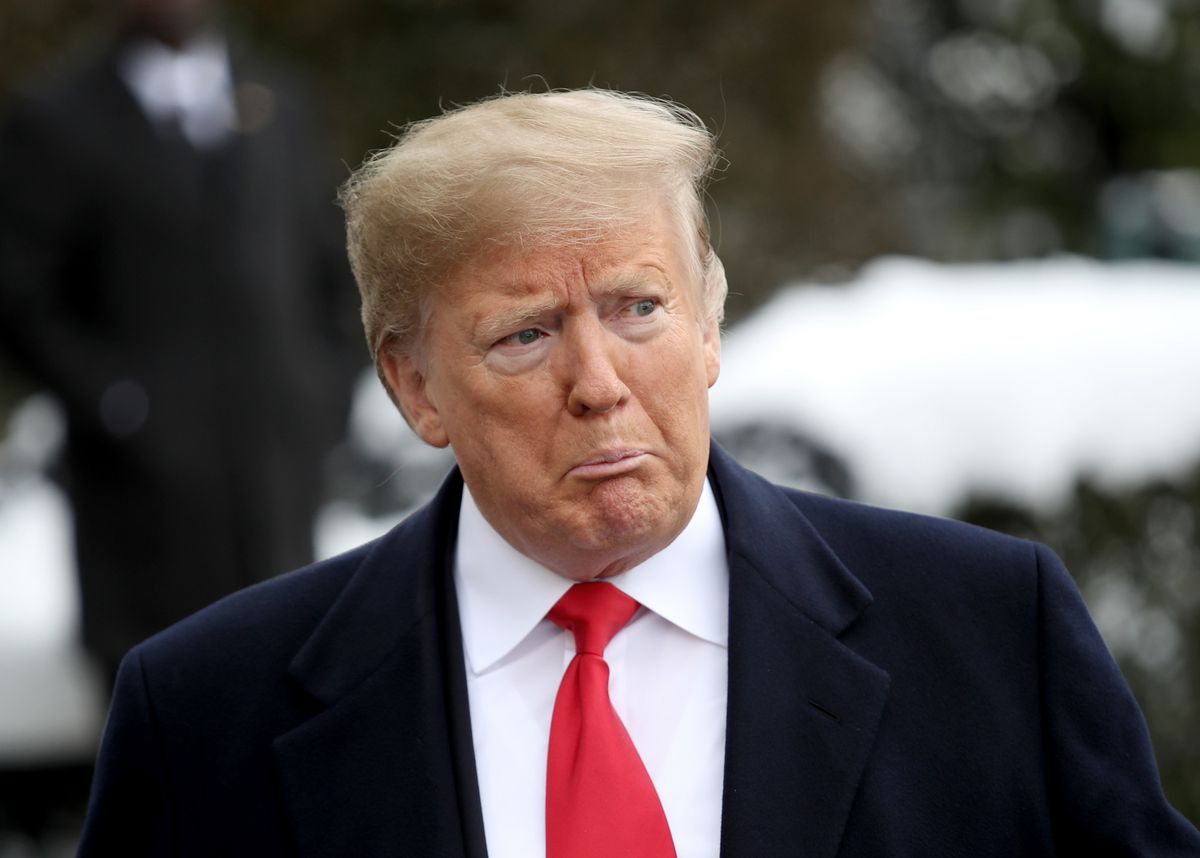
Every now and then, the Trump Administration shows signs of reluctantly giving in to reality.
The Trump Administration’s basic stance has been to pursue ideological purity all costs, beginning with the “shock and awe” campaign of the first year. Don’t expect miracles, but there are at least a few signs that the Administration is tempering that strategy. It’s a bit comforting to see indications that reality is slowly sinking in. It’s also evidence that resistance to Trump policies isn’t futile.
Any trend toward saner policies is likely to be very limited. For instance, Trump and his supporters are too invested in climate denial to ever admit that climate change is a serious problem. The best we might hope for is that they ease up just a little on their war against clean energy. There are at least some hints that this may be starting to happen.
CONTINUE READINGNoem’s Disastrous Reign at FEMA

The post-Noem agency is in desperate need of rebuilding.
It’s going to be very difficult for a new DHS head to shift course given the message coming from the White House. But without a change in the direction, a weaker FEMA will increase the country’s vulnerability to the disaster risks posed by an increasingly unruly climate. Noem has done great damage to FEMA, leaving the country more vulnerable to disasters. Trump’s desire to abolish the agency isn’t helping. Among her failings, her damage to the Federal Emergency Management Agency (FEMA) may not be the worst, but it’s far from the least. Restoring the FEMA will be a major undertaking and a heavy lift in an administration best known for agency destruction.
CONTINUE READINGAnother White House Assault on Federalism
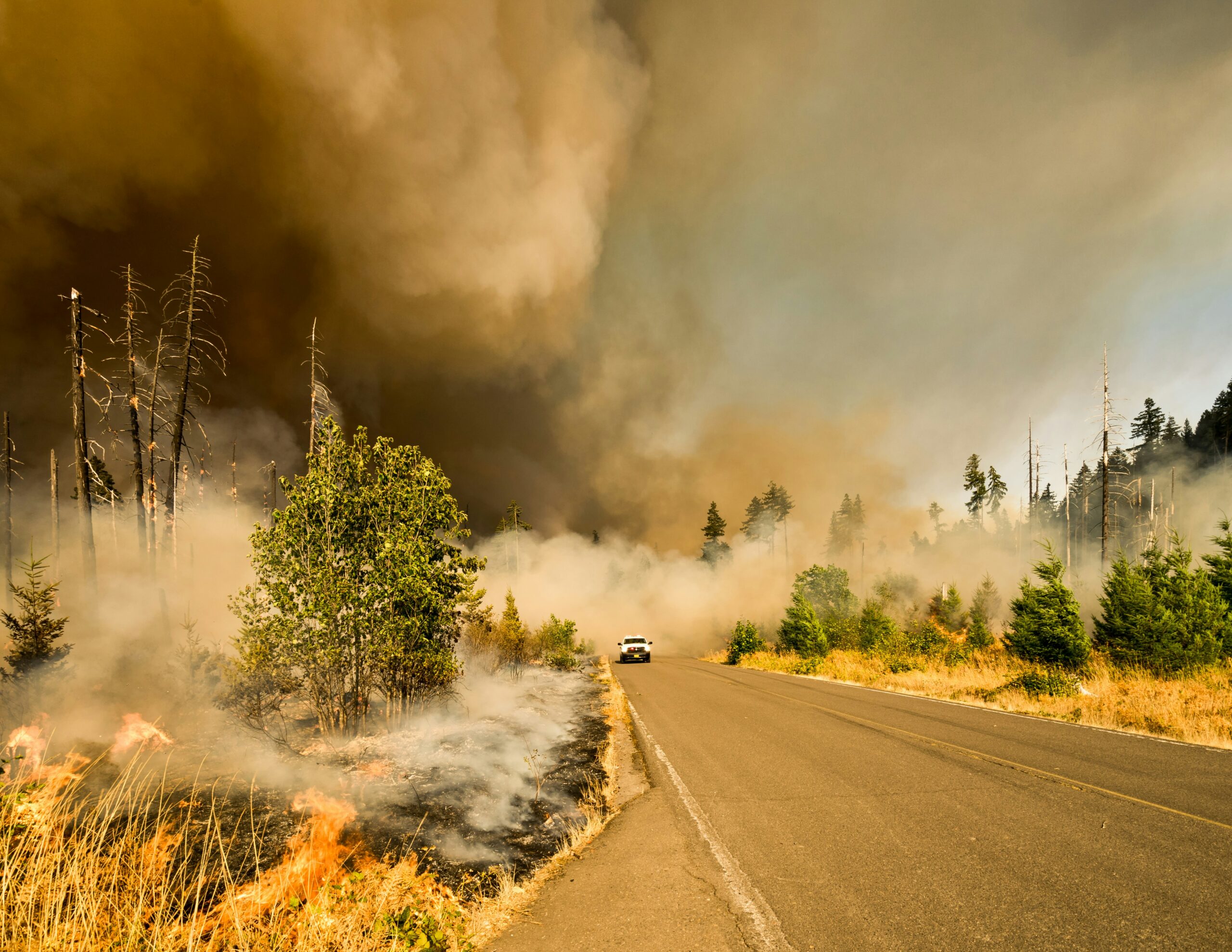
Trump’s Executive Order about rebuilding in LA is a huge federal power grab.
esterday, Trump issued an executive order that attempts to eliminate the need for building permits in the LA burn area. The argument is that the permitting process this slows down the rebuilding that FEMA grants are supposed to assist. he idea seems to be that whenever Congress choses to subsidize an activity, it authorizes agencies to eliminate all state regulations that might be barriers. Supreme Court opinions are full of admonitions against just this kind of assault on state authority, especially in fields like building permits that are a traditional domain of state and local government. And no, this isn’t an area where the President can rely on the Supreme Court’s conservatives. As much as they seem to like presidential authority, the conservative Justices have also shown a strong attachment to federalism.
Yes, Secretary Noem, We Really Do Need FEMA
An advisory committee suggests upgrading FEMA, but Noem still hopes to gut it.
The Washington Post reported yesterday that a special advisory council has recommended that FEMA be strengthened and taken out of DHS. Secretary Noem is unconvinced and seems to be trying to bury the recommendations. She’s wrong. FEMA really is needed, and the reasons tell us a lot about what kinds of reforms make sense. First responders are usually state and local – they’re already nearby – and much of the work of reconstruction is also overseen locally. So why do we need FEMA? Let me count the ways.
CONTINUE READINGRescuing FEMA (and ourselves)
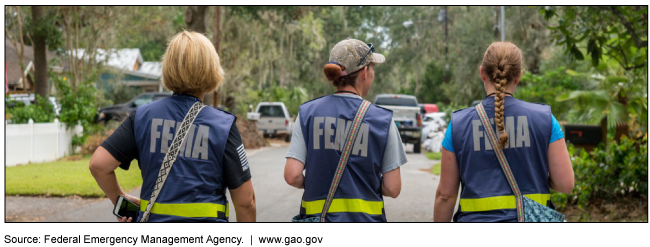
FEMA needs to grow in order to handle its work. The need for growth will only get greater as time goes on.
2021 was a year of disasters, with extraordinary heat waves, fires, a string of hurricanes, a cold snap that left Texas in the dark, winter tornados, and torrential rains. FEMA has been left badly overstretched. That’s an urgent problem, and it’s likely a foretaste of the future. This is not just a problem for the …
Continue reading “Rescuing FEMA (and ourselves)”
CONTINUE READINGDisaster Mismanagement
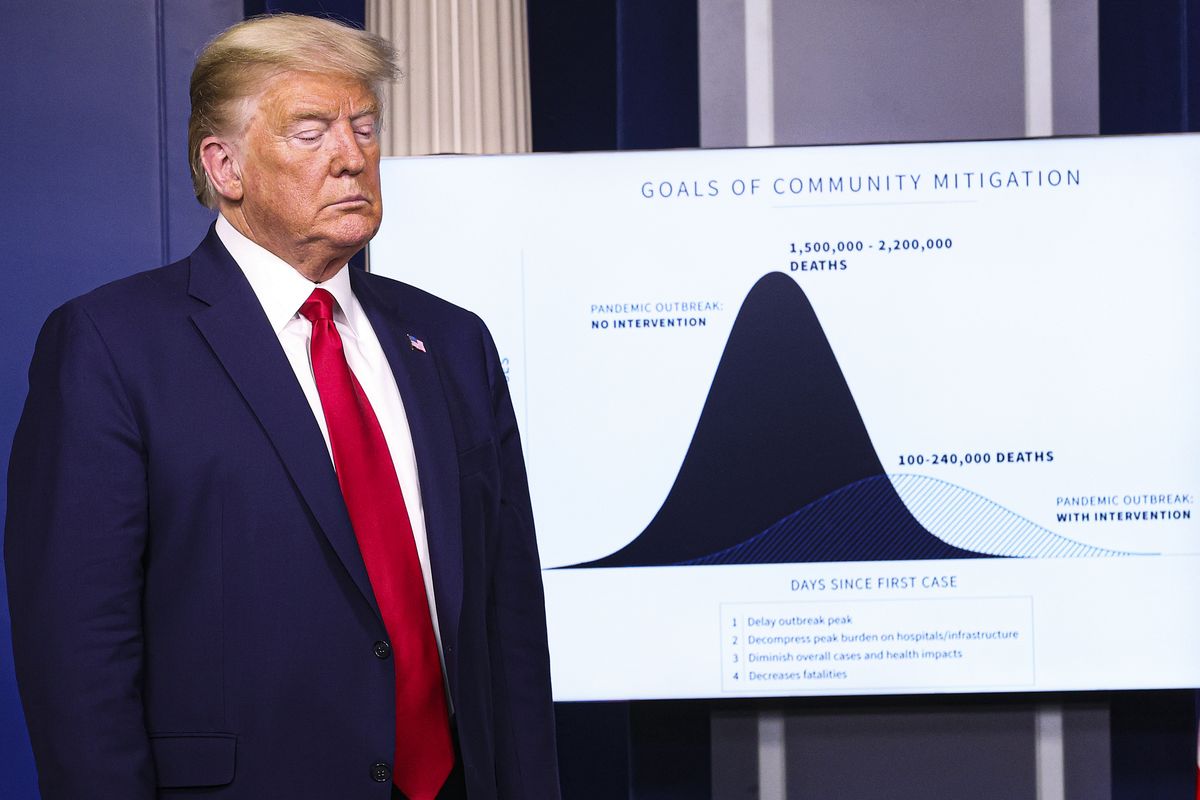
12 Lessons from the COVID response in how NOT to manage a crisis.
The Trump Administration’s bungling of the coronavirus pandemic surely should feature in management textbooks. Just about everything that could go wrong, did go wrong. Some of the problems derived from having a top manager who was fundamentally indifferent and seemingly incapable of grasping basic facts. But other problems were due to inability to manage the …
Continue reading “Disaster Mismanagement”
CONTINUE READINGHot off the Press: The New IPCC Report
The latest science confirms the need for urgent action.
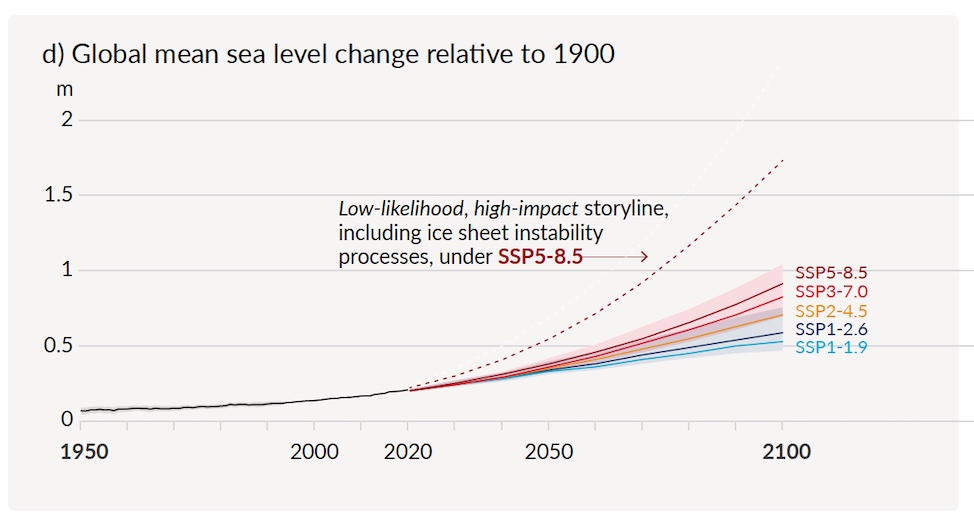
The IPCC issued the massive first volume of its new report on climate change on Monday. This volume focuses on climate science: how much will the world warm, and what will the impacts be? The bottom line is that the evidence is becoming ever firmer that (a) humans are causing an unprecedented rate of climate …
Continue reading “Hot off the Press: The New IPCC Report”
CONTINUE READINGWhat Have We Learned from Recent Disasters?
Disasters are getting bigger, badder, and less predictable. We need to adjust.
Hurricanes Harvey and Maria. California wildfires. Superstorm Sandy. The great Texas blackout. The list goes on. These mega-events dramatize the need to improve our disaster response system. The trends are striking: escalating disaster impacts, more disaster clustering, more disaster cascades, and less predictability. We need to up our game. Lisa Grow Sun and I discuss …
Continue reading “What Have We Learned from Recent Disasters?”
CONTINUE READINGJoin Our Mailing List
Climate policy is changing rapidly. Stay in the loop with expert analysis via email Monday - Friday.

The Drain is a roundup of climate and environmental news from Legal Planet delivered to your Inbox once a week.