
























































energy policy
What Explains Trump’s Energy Policy?

There’s no plausible economic explanation. It’s all about politics.
Trump’s energy policy rests on promotion of U.S. fossil fuel production and use. The instruments include orders forcing coal-fired generators to keep operating, relaxed air pollution standards for power plants, and repeal of as many energy efficiency standards as possible. Trump’s overall economic policy centers on mercantilism, the belief that countries get rich by exporting more than they import. That fits pieces of his energy policy but not others. There’s also some rhetoric about free choice by consumers, but Trump clearly is not a believer in free markets as a matter of principle.
CONTINUE READINGConsumer Clean-Energy Sovereignty
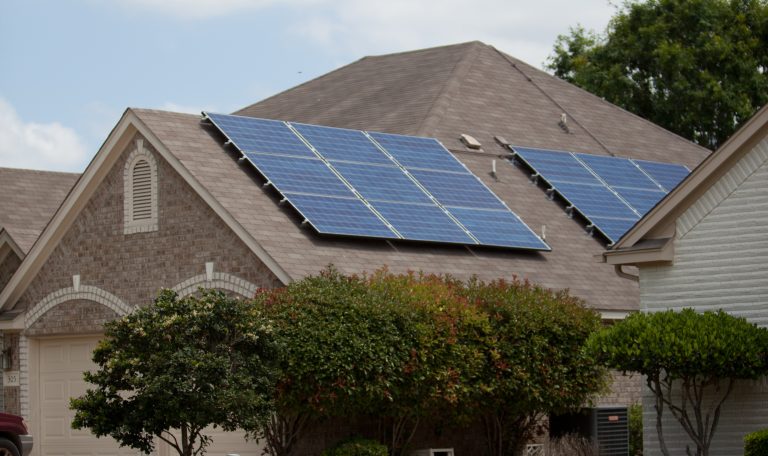
Consumers seem to be voting with their wallets for clean energy.
In the second quarter (Q2) of 2026, “clean energy and transportation investment in the United States totaled $75 billion, a 22% increase from Q1 2026 and a 4% jump from Q2 2025.” Considering Trump’s effort to summon all the power of the federal government to destroy clean energy, that’s not bad. One surprise: consumer spending accounted for more than half the total.
CONTINUE READINGToo Cheap to Meter?

Unlimited energy abundance is more of a pipe dream than a realistic policy goal.
A recent post by Matt Yglesias on on “the case for clean energy abundance” disturbingly off pitch. One reason is that the post seems unduly dismissive of environmental harms. It pooh-poohs objections to a proposed ultra-large solar that would destroy what Yglesias describes as a “bunch of forest.” Maybe this would be warranted, but it’s not wrong to consider the environmental cost. Yglesias also opposes efforts to restrict fossil fuel production. This is partly on political grounds, because it makes it hard for Democrats to win in places like Louisiana, and partly because he doesn’t think those efforts accomplish much anyway. Yglesias could be right about the benefits of this hands-off approach, to regulating fossil fuels but it would be nice to see some acknowledgement of the harm to public health and the environment. Instead, he describes the only problem with coal as being “smoggy,” which underplays coal’s serious public health and environmental harms.
CONTINUE READINGSurprise Support for Solar

Solar power is on the Trump Administration hit list, but it turns out to have support in unexpected places.
ere’s a social media post whose content won’t surprise you:
“Solar power is the energy of the future.
“Giant fusion reactor up there in the sky – we must rapidly expand solar to compete with China.”
And from a political ally, a poll that found three-quarters of Trump voters in five states agreed that solar should be used “to strengthen and increase” the U.S. energy supply.
Who were those solar supporters?
California Must Invest in Climate and Communities to Drive Climate Progress

The state has pioneered an approach—what’s worked, and what’s next?
As solar and other climate infrastructure construction accelerates, and with Californians concerned both about the cost of living and about seeing local opportunities result from climate projects, the conversation about community benefits (commitments to hiring and other local investments made by developers in connection with new projects) has grown increasingly animated in California and even …
Continue reading “California Must Invest in Climate and Communities to Drive Climate Progress”
CONTINUE READINGLast Year’s Climate Bond May Not Be What You Thought
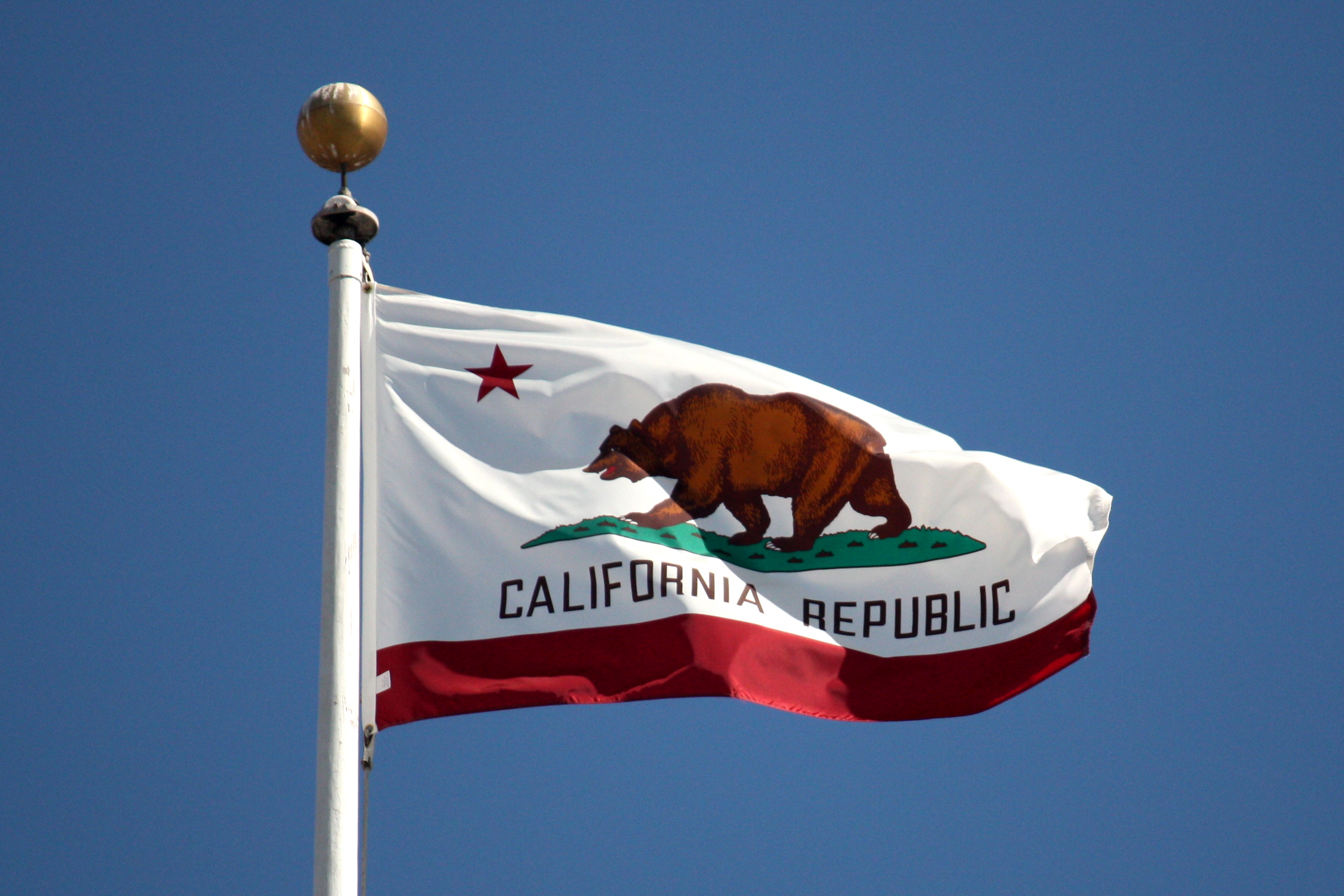
While investing in important adaptation and resilience measures, Proposition 4 does less to create new clean energy infrastructure investments
Last year, legislators passed, the governor signed, and California voters approved, a ten billion dollar climate bond (the Safe Drinking Water, Wildfire Prevention, Drought Preparedness, and Clean Air Bond Act of 2024, SB 867 (Allen), which appeared on the November ballot as Proposition 4). While the bond act’s full title largely tells the story of …
Continue reading “Last Year’s Climate Bond May Not Be What You Thought”
CONTINUE READINGDefunding the Energy Transition

The President Proposes Deep Cuts to Climate and Clean Energy Spending for FY 2026
On May 2nd, the White House released what is generally referred to as a “skinny” budget request outlining priorities for discretionary spending for fiscal year 2026. A full federal budget proposal is expected later this month. The “skinny” budget contains, by the White House’s calculations, $163 billion in non-defense discretionary spending cuts, which it argues …
Continue reading “Defunding the Energy Transition”
CONTINUE READINGNew Tools for Communities Seeking to Leverage Energy Infrastructure Projects for Community Priorities

Local action becomes even more important under a new federal regime
The Biden Administration placed substantial emphasis on community benefits mechanisms in federal climate infrastructure investments, building on years of legal and community advocacy work that laid the foundation for federal community engagement standards for project developers. With the Trump Administration taking a different approach at the federal level, the role of stakeholders at the local …
CONTINUE READINGThe Case that Wouldn’t Die

The Juliana plaintiffs make a final effort to resurrect their case.
The district judge contemplates a wide-ranging trial about broad climate and energy policies, after which she would opine on their legality. The Supreme Court will likely think that putting an immense swathe of government policy on trial also violates the separation of powers — especially in a case where they are deeply skeptical of the underlying constitutional claim.
CONTINUE READINGElectric Shared Mobility:

Program Design Elements Can Produce More Equitable, Durable, and Successful Projects
Shared mobility—an umbrella term for any transportation mode shared among multiple passengers—has the potential to accelerate transportation electrification, air quality, and greenhouse gas reduction goals, meet the needs of underserved communities that most lack mobility access, and advance broader mobility equity goals. CLEE’s report, Electric Shared Mobility: California Lessons Learned for Equity in Program Design, …
Continue reading “Electric Shared Mobility:”
CONTINUE READINGJoin Our Mailing List
Climate policy is changing rapidly. Stay in the loop with expert analysis via email Monday - Friday.

The Drain is a roundup of climate and environmental news from Legal Planet delivered to your Inbox once a week.