




























































international environmental law
The U.S. Has Now Become a Rogue Nation

By pulling out of the UNFCCC and dozens of international organizations, Trump has isolated the United States and ceded influence to China and the EU.
In the past few days, Trump has kidnapped the head of state of Venezuela, threatened to invade Greenland, and withdrawn from a 1992 climate treaty negotiated by George H.W. Bush. The treaty, the U.N. Framework Convention on Climate Change, has been the basis for international climate cooperation for the past thirty years, including the Paris Agreement. In addition, Trump is withdrawing from the Intergovernmental Panel on Climate Change (IPCC), which will make it harder for American scientists to contribute to the periodic reports on the state of climate science. Trump’s action is basically a big middle finger toward the rest of the world. If anyone wins from this, it’s China, which can now claim to be the responsible adult in the room.
CONTINUE READINGThat Was the Year That Was

2025 had a lot of bad environmental news, but also a few rays of hope.
2025 has been a dark time for Americanswho care about the environment. Rather than being a repeat of his first term, which had been bad enough environmentally, Trump’s second term has been a tsunami of bad news. Besides some outright rollbacks, Trump has done his best to purge the government of programs and people implementing environmental law. Much of that has been illegal but effective anyway. The demolition of the East Wing will be remembered as a defining moment, the perfect metaphor for an Administration that has religiously embraced the motto, “move fast and break things.”
CONTINUE READINGThoughts on COP30

What have we learned about the future of climate negotiations?
we can only expect incremental progress from the U.N. unless or until China takes a leadership role, particularly while the U.S. is also on the sideline. Incremental progress is better than no progress, obviously. But we’re going to have to look elsewhere for productive international action.
Basically, that’s going to have to rely on something less than the international consensus that drives COP. That means doubling down on some other options: bilateral climate agreements between countries, action by coalitions of interested countries, and subnational agreements including states, provinces, and cities around the world.
CONTINUE READINGExecutive Disorders
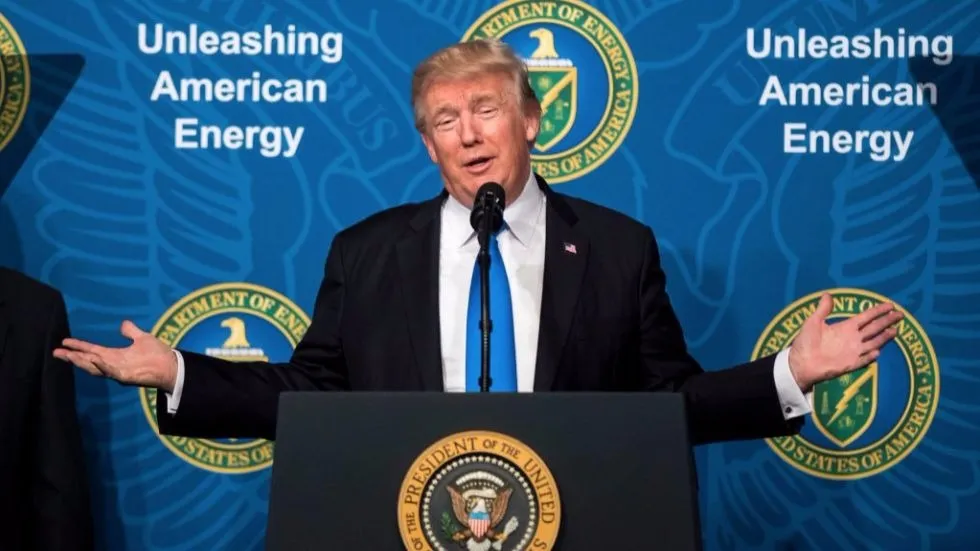
One after another, Trump has let loose destructive blasts at the environment to promote fossil fuels, mining, and logging.
We all know that Trump has issued a slew of executive orders since taking the oath of office. We also know that many of these are aimed to promoting fossil fuels, mining, and logging at the expense of the environment, while disfavoring renewable energy. Still, it’s impressive when you put the list together to see the full onslaught.
CONTINUE READINGBrazil Steps Ahead of the U.S. on Climate Policy

A new emissions trading system is a major step for Brazilian climate policy.
Hopefully, Brazil’s actions will encourage other countries, particularly in South America, to take similar actions. The EU and California have been leaders in this arena, but carbon trading systems are now beginning to get traction outside of the developed world in China and now Brazil. That’s an encouraging sign.
CONTINUE READINGTouched by the Keeling Curve

Teaching the Keeling Curve in International Environmental Law has me reflecting on the role of climate science then and now.
Teaching the climate change unit last week in my International Environmental Law and Policy class, I found myself so moved that I started crying at the board. My poor students thought I was in distress. I was simply telling the story of the Keeling Curve. That’s a daily record of global atmospheric carbon dioxide concentration devised by …
Continue reading “Touched by the Keeling Curve”
CONTINUE READINGGermany’s Role in Climate Policy

A short history of climate action in Europe’s economic powerhouse
We need to understand the history of climate action as we plan for the future. In terms of climate leadership, Americans tend to think of California. At the global level, however, Germany has its own claim to a leadership role, particularly in its early support for renewable energy. It has helped to shape EU climate …
Continue reading “Germany’s Role in Climate Policy”
CONTINUE READINGMexico y el Cambio Climático
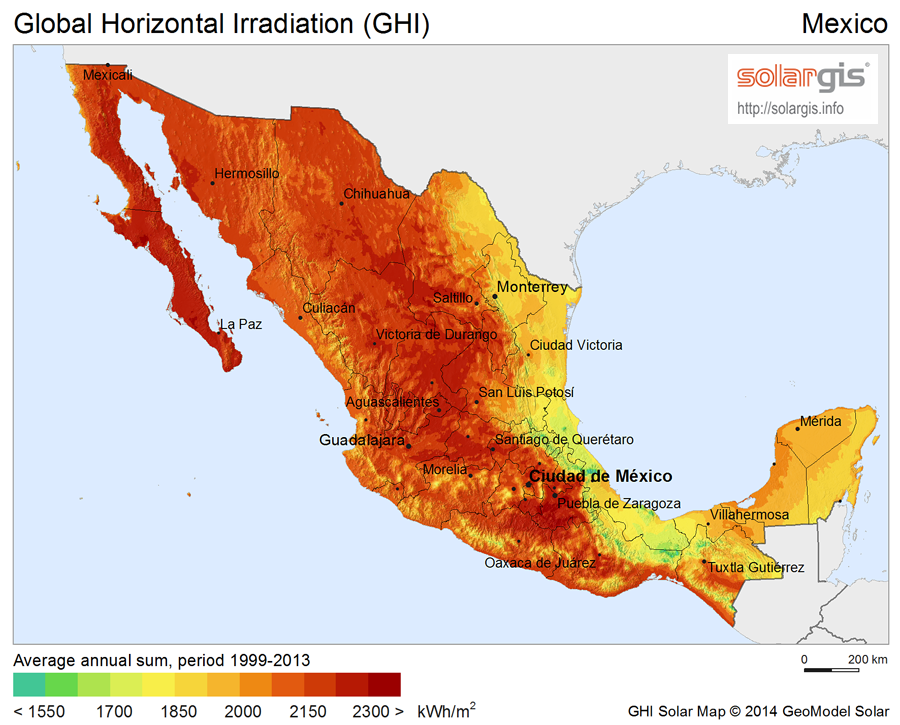
There is much to celebrate tomorrow on Cinco de Mayo. But probably not Mexican climate policy.
President Andrés Manuel López Obrador (generally known as AMLO) could be described as a left-leaning populist. Like other populist leaders, he has not been friendly to climate action. In November, Mexico ramped up its 2030 commitment under the Paris Agreement from 22% to 35%. That sounds like great news, but there may be less to …
Continue reading “Mexico y el Cambio Climático”
CONTINUE READINGClimate Policy at the Turn of the Century: The Death of “Plan A”
The original plan involved top-down global and US emission limits. They never happened.
When the campaign to cut carbon emissions began in the last decade of the 20th Century, there seemed to be a clear path forward. International negotiations would begin with a framework convention, followed by a later global agreement capping carbon emissions. Within the US, Congress would enact legislation cutting carbon emissions. By the end of …
Continue reading “Climate Policy at the Turn of the Century: The Death of “Plan A””
CONTINUE READINGClimate Rides the Omnibus
The year-end law gives a boost to climate-related spending
The omnibus spending bill is by no means a “climate law.” Because it spans the entire government, though, it has many provisions relating to climate change. They aren’t dramatic step forward. But the fact that they can pass as part of a bipartisan spending law is a sign of how climate change is slowly becoming …
Continue reading “Climate Rides the Omnibus”
CONTINUE READINGJoin Our Mailing List
Climate policy is changing rapidly. Stay in the loop with expert analysis via email Monday - Friday.