


























































preemption
An Encouraging Signal About Federal Preemption
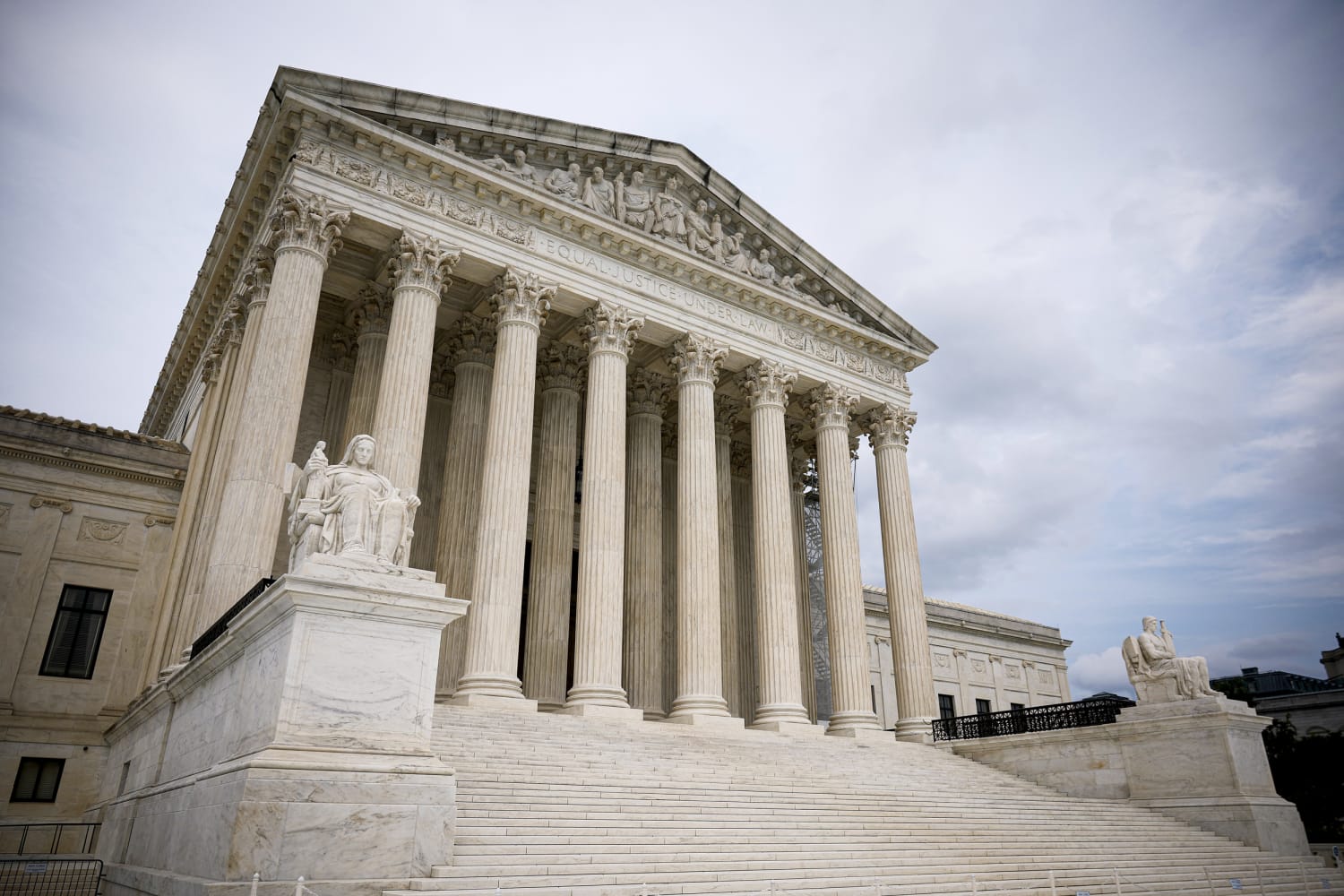
A new Supreme Court ruling should help states defend their climate laws.
The Trump Administration and its allies are attacking state climate laws with challenges based on preemption, arguing that federal law trumps state powers. A new Supreme Court ruling signals that the Court respects state prerogatives and isn’t willing to find preemption without a clear basis in a federal statute. Although the facts of the case are remote from environmental law, the Court’s attitude toward preemption has broader relevance.
CONTINUE READINGWhat Happens to State Regulation if the Endangerment Findings are Gone?

Answer: State authority wouldn’t suffer from the change and might expand in some ways.
If the Trump EPA successfully repeals the endangerment findings for vehicles and stationary sources, states will be the only resort for climate regulation. A key question is how the repeals would impact state power to regulate carbon emissions. The bottom line answers are: (1) the impact on state power regulate tailpipe emissions seems unclear but could be positive, (2) there would be no effect on state power to regulate stationary sources like power plants, and (3) plaintiffs suing oil companies would probably benefit. The detailed analysis is below.
CONTINUE READINGAnother White House Assault on Federalism

Trump’s Executive Order about rebuilding in LA is a huge federal power grab.
esterday, Trump issued an executive order that attempts to eliminate the need for building permits in the LA burn area. The argument is that the permitting process this slows down the rebuilding that FEMA grants are supposed to assist. he idea seems to be that whenever Congress choses to subsidize an activity, it authorizes agencies to eliminate all state regulations that might be barriers. Supreme Court opinions are full of admonitions against just this kind of assault on state authority, especially in fields like building permits that are a traditional domain of state and local government. And no, this isn’t an area where the President can rely on the Supreme Court’s conservatives. As much as they seem to like presidential authority, the conservative Justices have also shown a strong attachment to federalism.
NEPA Reform and Transmission
Reducing NEPA compliance alone won’t solve our transmission problems, and it might be a bad deal for the climate
The recent passage of the SPEED Act highlights one angle in current permitting reform debates: A focus on NEPA, which as a procedural statute might be more feasible to reform than other substantive statutes. Advocates for the SPEED Act have argued that it will help with a range of infrastructure projects, including transmission. But a …
Continue reading “NEPA Reform and Transmission”
CONTINUE READINGFederalism, AI, and the Environment
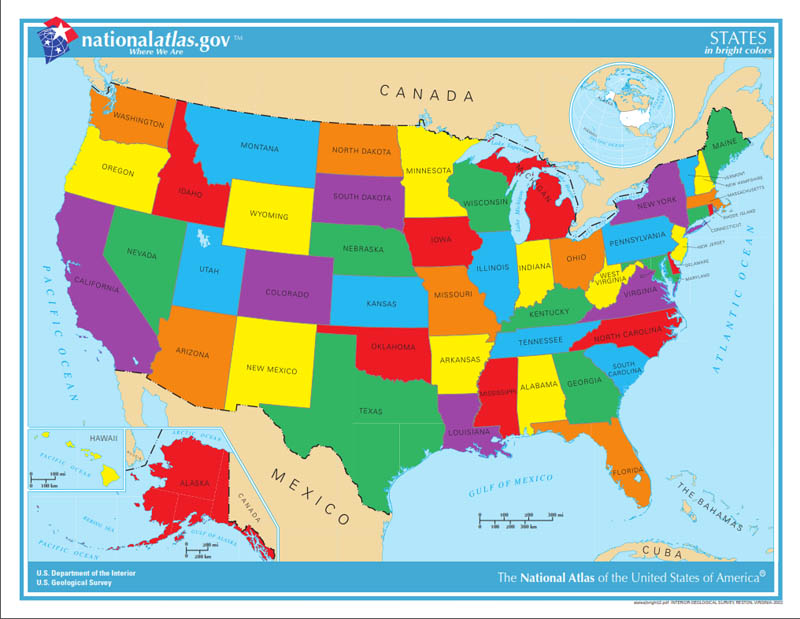
Trump’s efforts to overturn state laws are part of his effort to consolidate power and suppress opposition.
State authority isn’t unlimited, but current legal doctrines give it broad scope. So, apparently, does national politics, given that Congress recently rejected a proposal to preempt state AI laws and has never seriously considered preempting state climate laws.
As we all know, Congress has found it extraordinarily difficult to enact legislation on major issues. The executive branch, under the Supreme Court’s “major questions doctrine,” lacks the power to fill the gap. That leaves only the states to save us from paralysis when major new issues arise. That may not be ideal, but it’s better than nothing.
The Lingering Legal Issue of California’s Limits on Vehicle Emissions
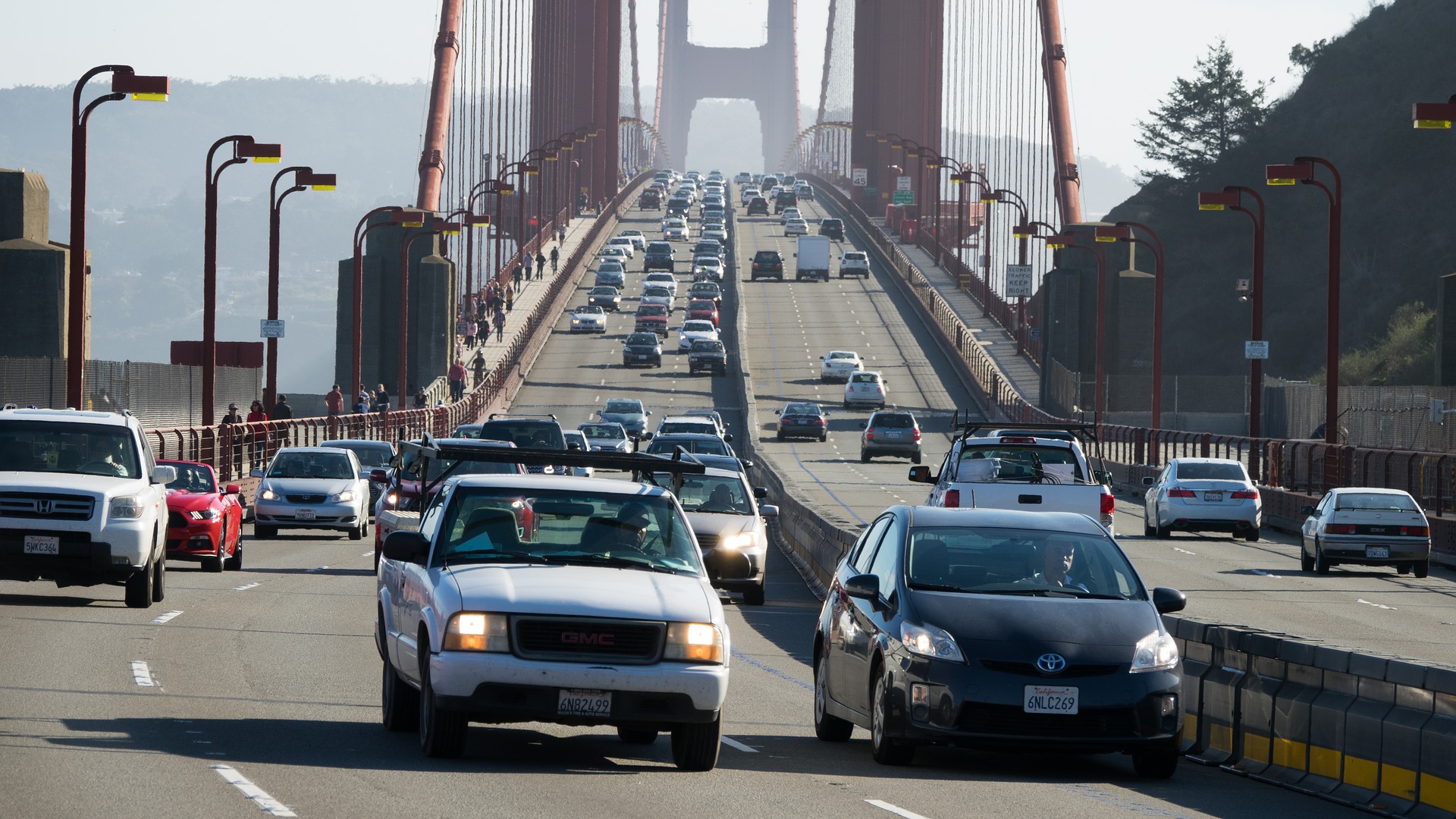
The issues are complex, but the state has some strong legal arguments on its side.
The odds are high that the Trump Administration will withdraw California’s power to regulate greenhouse gas emissions from cars and trucks – and along with it, California’s effort to become all-electric. This is a crucial issue for the state because transportation accounts for about 40% of the state’s emissions. It’s also crucial for the other states have exercised the option of adopting California standards. The issues are complex, involving an unusual statutory scheme. Here’s what you need to know, and why I think California should win this fight.
CONTINUE READINGThe Legal Barricades Protecting State Climate Policy
The general legal landscape favors state regulatory efforts.
The upshot is that it will be very challenging for the Feds to overturn state emissions regulations of power plants and other facilities. The statutory and doctrinal landscape are favorable for states playing defense, and the Supreme Court seems if anything more favorable to the states than the national government. Of course, these general observations leave plenty of room for litigation over the fine points, and the Feds could win some cases. But the states start the contest with an advantage.
CONTINUE READINGCan California Try Again with Vehicle Pollution Limits?
A new Sixth Circuit decision provides encouragement.
In May, Congress effectively killed the most recent efforts by California to clean up its vehicle fleet. Although many people seem to have assumed the contrary, this may not be the end of the road for California regulators. A new court of appeals decision is an encouraging signal that California may be able try again when the political forces in DC are less militantly anti-environmental.
CONTINUE READINGThe Chutzpah is Stunning

The Trump Administration is suing to block state climate lawsuits based on Clean Air Act Preemption.
If nothing else, you have to give credit to the Trump Administration for incredible gall. Yesterday, the Department of Justice filed suit against Michigan and Hawaii seeking to stop those states from filing lawsuits against fossil fuel companies for climate damages. The fact that DOJ is seeking to prevent even the filing of the lawsuits …
Continue reading “The Chutzpah is Stunning”
CONTINUE READINGCongress Lacks Authority to Review California’s Car Waiver
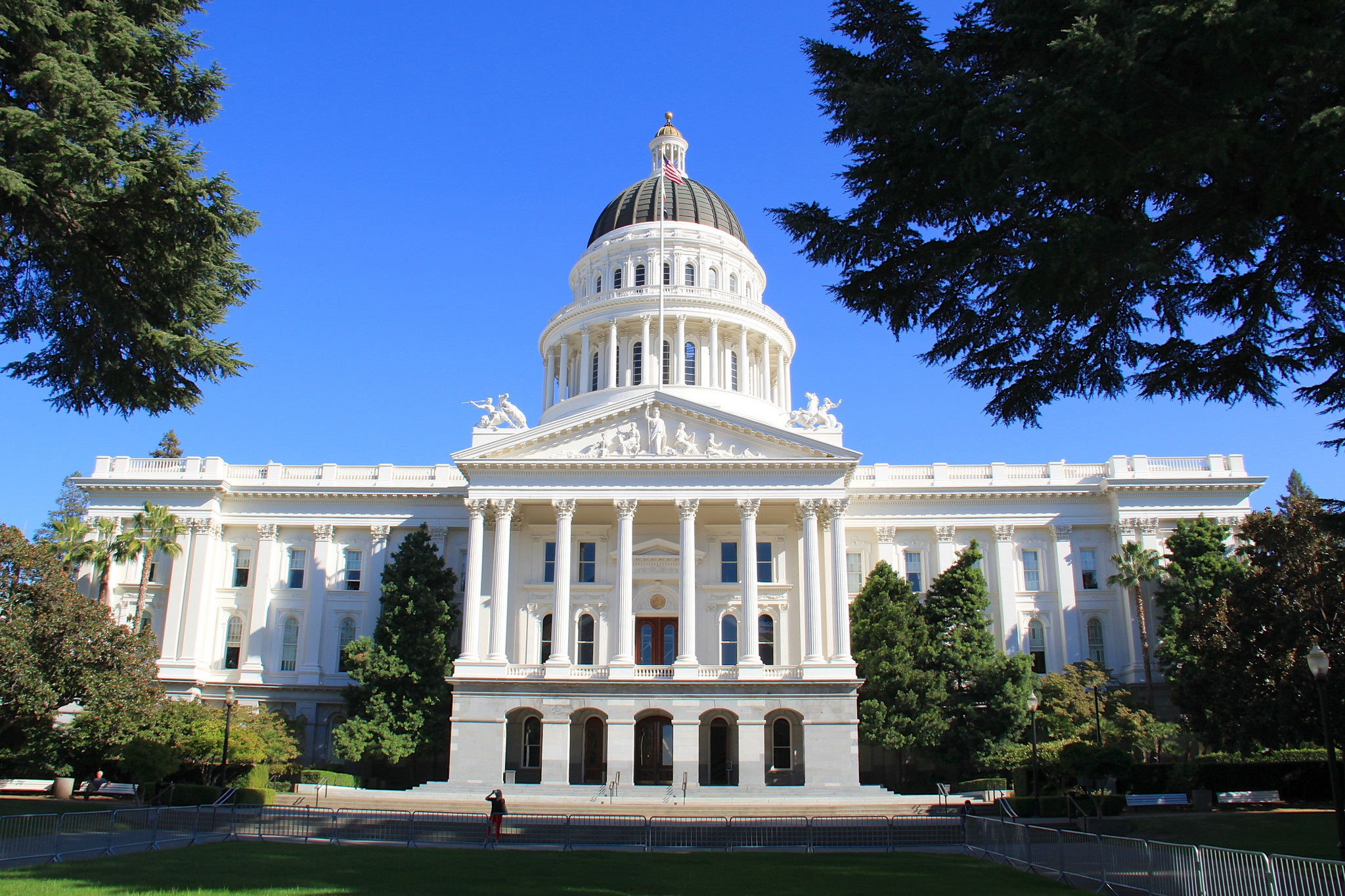
It’s a complicated issue but the answer is clear: the Congressional Review Act does not apply.
States get many kinds of waivers from the federal government. For example, many states (including quite a few Red states) have received waivers from some Medicaid requirements. Overturning the EPA vehicle waiver would expose all state waivers to the risk of being overturned under the Congressional Review Act, contrary to the plain language of that statute.
CONTINUE READINGJoin Our Mailing List
Climate policy is changing rapidly. Stay in the loop with expert analysis via email Monday - Friday.

The Drain is a roundup of climate and environmental news from Legal Planet delivered to your Inbox once a week.