

























































Energy
How Trump Is Boosting Clean Energy Everywhere Else

It’s partly the Iran war. But there’s also another reason.
One of the winners from Trump’s presidency has been the clean energy industry. He’s had some success in his U.S. campaign to slow clean tech, but the global picture is quite different. If anything, Trump is boosting the energy transition outside the United States. We are still the world’s largest economy, but we’re only 15% of global GDP (measured by purchasing power parity). The rest of the world no longer dances to our tune.
The Iran War has been Trump’s most notable contribution to the global energy transition. Chinese solar exports doubled in a single month, an incredible surge. The war has been a sobering lessen to many countries about the dangers of relying on fossil fuels.
The Other Half of Climate: Policy, Capital, and the Race to Scale Superpollutant Solutions

Learn how California is using satellite data to pull the emergency brake on global warming.
Methane and other short-lived climate pollutants (SLCPs) are responsible for nearly half of today’s net global warming. Because they exit the atmosphere quickly, reducing them can serve as an ‘emergency brake’ on rising temperatures. At the San Francisco Climate Week, UC Berkeley’s Center for Law, Energy and the Environment (CLEE) and the Institute for Governance …
CONTINUE READINGThe 2026 Election and the Environment

Trump will still be able to take a lot of anti-environmental actions. But not as many as today.
I published a post a week ago about prospects for the upcoming 2026 elections. I didn’t say much, however, about why the results will matter for the environment. No matter what happens electorally, Trump will still be in the White House and able to use executive powers to favor fossil fuels and bulldoze environmental protections. Nevertheless, the elections could still make a real difference in environmental terms. Even just taking the House would matter, but there are additional potential environmental gains if there are power shifts in the Senate or governorships.
The best way to understand the shifts is probably to look at what Trump has been able to do with the support of Congress and then consider how the situation would shift if Democrats take one or both Houses.
Building Bridges Over Troubled Waters

There are environmental issues that span the partisan divide, even today.
It turns out that the solar industry has two allies in unlikely places: Trump stalwarts Kellyanne Conway and Katie Miller (the wife of Stephen Miller). This is a reminder that, even in an era of hyper-partisanship, it is sometimes possible to create alliances across the ideological gulf.Despite polarization, there are some environmental issues that can bridge the partisan gap. T Some issues, like climate change, have become deeply polarizing. We shouldn’t give up on those, but we should also pay attention to issues that have greater potential for reaching out to Trump supporters.
How to Flip the Script for a Real Fossil Fuel Phaseout

The First International Conference on the Just Transition Away from Fossil Fuels should look to the Montreal Protocol for a model.
More than 50 governments are gathered in Colombia this week to design a roadmap to phase out oil, gas and coal. This aim, repeatedly proposed in UN climate conferences, has never seriously been pursued. Current fuel market shocks give it new urgency beyond climate change. The Santa Marta conference provides a promising platform to start …
Continue reading “How to Flip the Script for a Real Fossil Fuel Phaseout”
CONTINUE READINGAn Encouraging Signal About Federal Preemption
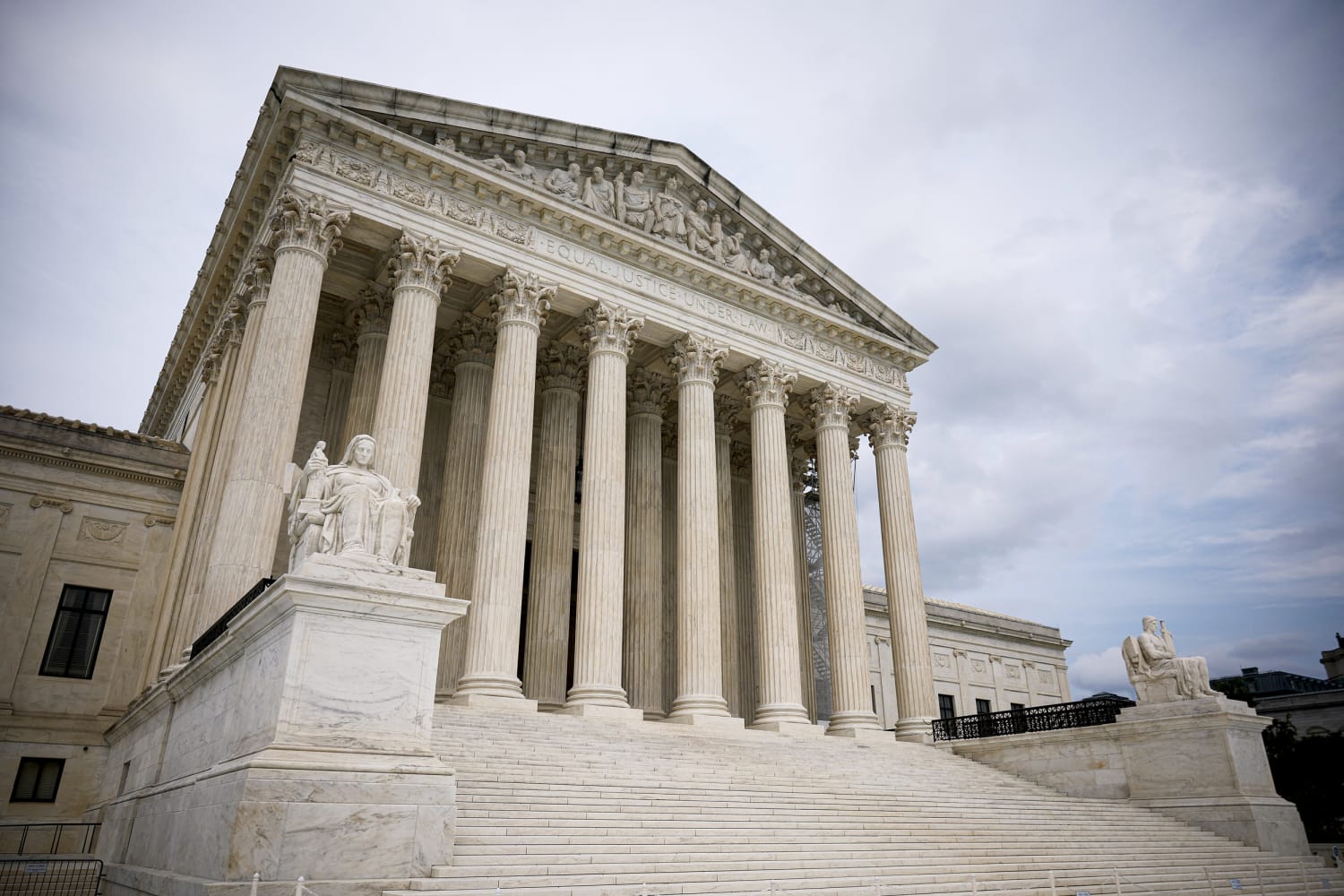
A new Supreme Court ruling should help states defend their climate laws.
The Trump Administration and its allies are attacking state climate laws with challenges based on preemption, arguing that federal law trumps state powers. A new Supreme Court ruling signals that the Court respects state prerogatives and isn’t willing to find preemption without a clear basis in a federal statute. Although the facts of the case are remote from environmental law, the Court’s attitude toward preemption has broader relevance.
CONTINUE READINGBending Under Pressure

Every now and then, the Trump Administration shows signs of reluctantly giving in to reality.
The Trump Administration’s basic stance has been to pursue ideological purity all costs, beginning with the “shock and awe” campaign of the first year. Don’t expect miracles, but there are at least a few signs that the Administration is tempering that strategy. It’s a bit comforting to see indications that reality is slowly sinking in. It’s also evidence that resistance to Trump policies isn’t futile.
Any trend toward saner policies is likely to be very limited. For instance, Trump and his supporters are too invested in climate denial to ever admit that climate change is a serious problem. The best we might hope for is that they ease up just a little on their war against clean energy. There are at least some hints that this may be starting to happen.
CONTINUE READINGUnderstanding the Energy Dominance Agenda
What does this key concept in Trump’s energy policy actually mean?
The term “energy dominance” is at the core of the Trump Administration’s energy and environmental policies. But hat does it mean? Trump fleshed out the concept of energy dominance when he proclaimed October to be “National Energy Dominance Month.” (He forgot to issue the proclamation until halfway through the month, meaning it got even less attention than it might have otherwise received. Still, it unpacks some of his thinking in a useful way. Below, I’ll try to tease out answers to some of the key questions.
CONTINUE READINGCalifornia’s Gas System Is Crumbling. SB 1359 Charts a Path to a Clean Energy Future.

SB 1359 (Stern, 2026) would adopt many of the proposed policies outlined in the 2025 UCLA Law report, “Go Big, Save Big: Approaches to Fund Building Electrification in California.”
A new bill introduced by Sen. Henry Stern, SB 1359 (2026), titled the “Gas Transition Responsibility and Electrification Act,” would establish a comprehensive framework to manage the transition away from natural gas and toward electrification in a way that protects ratepayers, reduces emissions, and ensures an orderly and equitable phase-down of gas infrastructure. Specifically, SB …
CONTINUE READINGTrump’s Slump

The Trump regime is losing ground, creating new policy opportunities.
Trump’s term began with brutal attacks on environment and clean energy policies, but he now longer looks unstoppable. Dems are likely to make major gains in the mid-terms, consumers are deeply unhappy, and his Iran War drags on. These setbacks create openings to push back against his “energy dominance” agenda. Outside the U.S., his effort to expand fossil fuel use is failing. Domestically, there are now openings to blunt his attacks on clean tech and prepare the ground for new policies when he leaves office.
CONTINUE READINGJoin Our Mailing List
Climate policy is changing rapidly. Stay in the loop with expert analysis via email Monday - Friday.

The Drain is a roundup of climate and environmental news from Legal Planet delivered to your Inbox once a week.