


























































Regulation
The Witching Auer
The Supreme Court rules on deference to agency interpretations.
The Court’s opinion in Kisor v. Wilkie was eagerly awaited by administrative law experts. It is one skirmish in the ongoing war over deference to agencies. In this case, the issue was whether to overrule the Auer doctrine, which requires courts to defer to an agency’s reasonable interpretation of its own regulations. This doctrine, like …
Continue reading “The Witching Auer”
CONTINUE READINGThe Census Case and the Delegation Issue
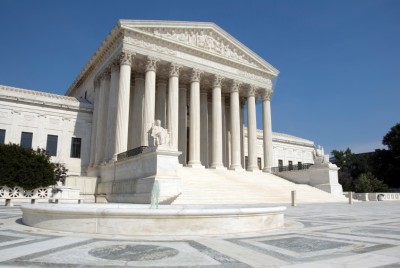
Conservative Justices endorse broad administrative discretion.
In a recent decision, four of the conservative Justices indicated a desire to limit the amount of discretion that Congress can give administrative agencies. If taken literally, some of the language they used would hobble the government by restricting agencies like EPA to “filling in the details” or making purely factual determinations. Some observers have …
Continue reading “The Census Case and the Delegation Issue”
CONTINUE READINGWho Is Anne Idsal?
Bill Wehrum steps down as Assistant Administrator of EPA’s Office of Air and Radiation.
This morning, EPA Administrator Andrew Wheeler announced that Assistant Administrator Bill Wehrum will be stepping down at the end of this month. The language of EPA’s press release seems intended to suggest that the departure was voluntary, but the resignation comes amid ongoing scrutiny about the Assistant Administrator’s connections to a number of industry clients …
Continue reading “Who Is Anne Idsal?”
CONTINUE READINGSupreme Court Takes a Knick Out of Regulatory Takings Law
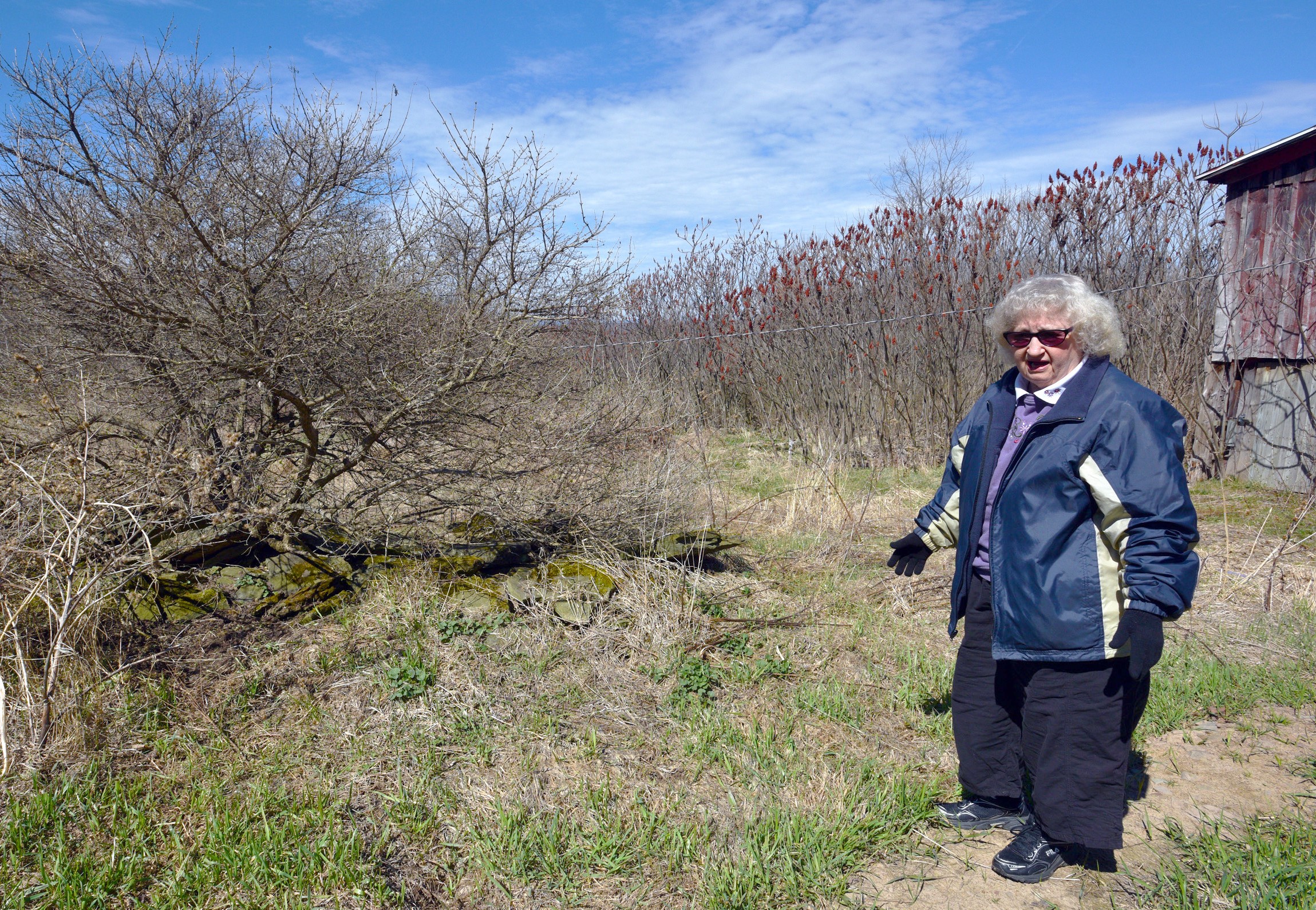
Justices Curb Ripeness Rule; Open Federal Courts to Takings Litigation
In the final, major environmental law decision of its current Term, the U.S. Supreme Court handed property rights advocates a major victory while repudiating an important regulatory takings precedent the Court had itself fashioned and announced 34 years ago. The case is Knick v. Township of Scott. By a narrow 5-4 vote that split …
Continue reading “Supreme Court Takes a Knick Out of Regulatory Takings Law”
CONTINUE READINGGuest Blogger Nick Bryner: Cooking the Books While Cooking the Planet: A First Look at the EPA’s ACE Rule
Final Rule Changes Baseline Assumptions & Approach to Cost-Benefit Analysis in Attempt to Justify Weak Standards
Yesterday, the Trump EPA released its long-awaited response to the Obama-era Clean Power Plan. At first glance, the final rule has been carefully crafted in an attempt to avoid several glaring legal vulnerabilities of the rule—and to obscure the obvious inadequacy of the Administration’s response to climate change. The EPA has found many contradictory ways …
CONTINUE READINGNew Report: Increasing Energy Efficiency at Low-Income Multifamily Properties
Join Berkeley/UCLA Law expert webinar Thursday at 10am to discuss top findings
CONTINUE READINGRegister For June 20th Webinar On Increasing Energy Retrofits For Low-income Multifamily Properties

Expert panel with Energy Commissioner Andrew McAllister will discuss forthcoming Berkeley Law/UCLA Law report
California will need to double the energy efficiency of existing buildings by 2030 in order to achieve the goal of reducing greenhouse gas emissions 40 percent below 1990 levels by that year. While state leaders have adopted aggressive standards for efficiency in appliances and new construction, convincing property owners to undertake retrofits to improve energy …
CONTINUE READINGGoverning New Biotechnologies for Biodiversity Conservation

The fourth in a series examines how international institutions have responded
The previous two posts in this series described how and why genetically modified organisms (GMOs) could be introduced into wild populations, either “typically” modified ones that would transmit their altered genes ineffectively or those with “gene drives” whose changes would quickly propagate through the entire population. In both cases, their potential applications include helping conserve …
Continue reading “Governing New Biotechnologies for Biodiversity Conservation”
CONTINUE READINGThe Governance of Solar Geoengineering: Managing Climate Change in the Anthropocene

My book is now available!
I interrupt my ongoing blog series on new biotechnologies and their governance (1, 2, 3) to announce that my book The Governance of Solar Geoengineering Managing: Climate Change in the Anthropocene is available today from Cambridge University Press. The brief description is: Climate change is among the world’s most important problems, and solutions based on …
CONTINUE READINGGenetically Modifying Wild Populations

The third in a series examines powerful new gene drive tools
In my previous two posts, I introduced what I call first, second, and third generation genetically modified organisms: (1) GM bacteria for diverse, mostly indoor purposes; (2) GM crops and agricultural animals; and (3) GMOs that would be intentionally placed into natural environments, where they would live, reproduce, and transmit their modified genes to offspring. …
Continue reading “Genetically Modifying Wild Populations”
CONTINUE READINGJoin Our Mailing List
Climate policy is changing rapidly. Stay in the loop with expert analysis via email Monday - Friday.

The Drain is a roundup of climate and environmental news from Legal Planet delivered to your Inbox once a week.