



























































Climate Change
Big Oil Could Pay for Climate-Fueled Insurance Hikes
The Drain is a weekly roundup of environmental and climate news from Legal Planet.
There are several ways to try to make polluters pay. California is considering a new one — empower the state Attorney General to sue oil and gas companies to recover costs on behalf of Californians specifically related to the housing insurance market. Survivors, taxpayers and policyholders — whose rates are skyrocketing as a result of …
Continue reading “Big Oil Could Pay for Climate-Fueled Insurance Hikes”
CONTINUE READINGClimate Issues in the 2026 Governor’s Race: Energy Transition

Seventh in a series of posts outlining key challenges and opportunities facing California’s next governor
California is pursuing some of the world’s most ambitious clean energy goals, including a legally mandated zero-emissions electricity sector and statewide GHG emissions neutrality by 2045. When it comes to the energy transition, the stakes for the incoming governor are high: a massive surge in electricity demand from electric vehicles, building electrification, and data centers …
Continue reading “Climate Issues in the 2026 Governor’s Race: Energy Transition”
CONTINUE READINGHow, Exactly, Has Trump Gone After EVs?
A close look at the Administration’s wreckage, in six steps
The second Trump Administration has brought a flood of obstacles to the national effort to transition away from petroleum-powered vehicles to electric vehicles (EVs). These challenges have come in many forms across multiple levels of government; they are in most cases completely unprecedented, and in many cases legally dubious (to put it mildly). The push …
Continue reading “How, Exactly, Has Trump Gone After EVs?”
CONTINUE READINGHarmful Activities, the Duty to Rescue, and Climate Change

A concept from tort law suggests another argument for international climate adaptation funding.
Do countries that caused past carbon emissions have a duty to help pay for adaptation and disaster response? Much of the argument about this is phrased in terms of damages for past actions, not unlike arguments that oil companies should pay damages for oil spills. Tort law suggests another way of looking at the issue, one that doesn’t depend on whether the past emissions themselves give rise to duty for reparations. Instead, it depends on the principle that people whose activities contribute to accident risks, even innocently, have a duty to assist victims.
CONTINUE READINGNever Give Up! Every Ton of Carbon We Can Cut Still Matters
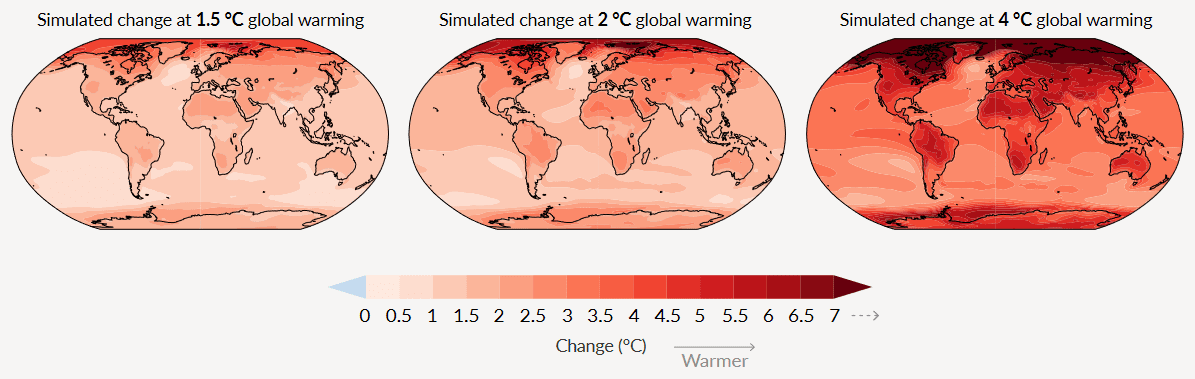
It’s easy to be disheartened when we miss climate targets. But climate change isn’t a yes/no thing. It’s a matter of degree.
It’s easy to lose heart about our prospects for limiting climate change. The US has pulled out of international climate negotiations. Most of the countries that joined the Paris Agreement have missed targets , targets that weren’t aggressive enough in the first place. The 1.5 °C target is already basically out of reach. Is time to give up on slowing climate change and focus on adapting to it? The answer is no. Here’s why.
Climate change is a matter of degrees. That sounds like a truism or a pun, but it’s true in a deeper sense. There is no point past which further warming becomes irrelevant. degree, and every fraction of a degree makes things that much worse.
Dear UNFCCC, Subnational Governments are Key to Protecting Forests

GCF Task Force and Regions4 Submit Comments to COP30 Roadmap on Halting and Reversing Deforestation and Forest Degradation by 2030
Two of the world’s largest subnational governmental networks – the Governors’ Climate and Forests Task Force (GCF Task Force, a project of the Emmett Institute on Climate Change and the Environment at UCLA School of Law), and Regions4 – submitted a comment letter today providing input to the Roadmap on Halting and Reversing Deforestation and …
Continue reading “Dear UNFCCC, Subnational Governments are Key to Protecting Forests”
CONTINUE READINGThe War and the Energy Transition
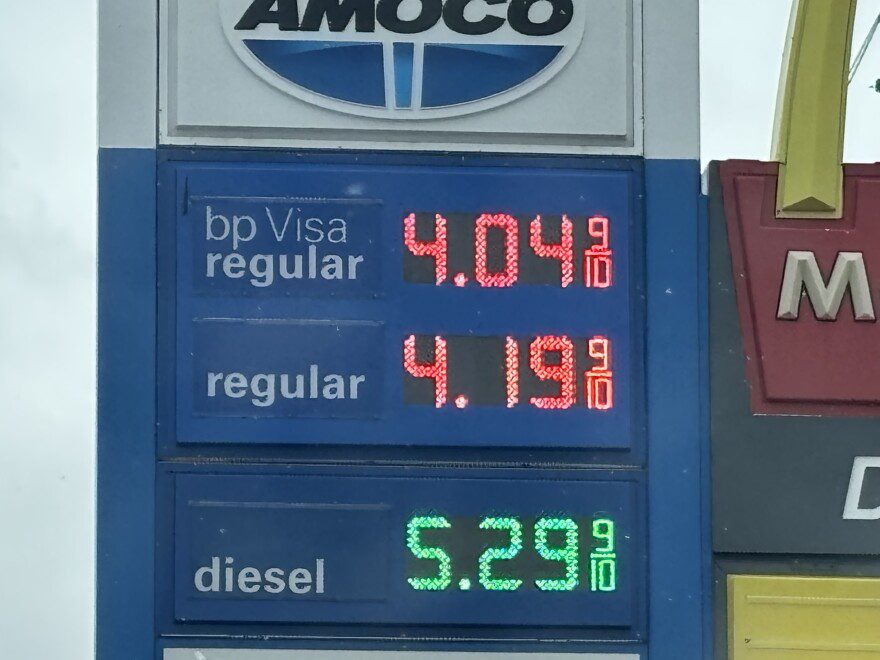
The Iran War it is hitting energy markets hard. Will that affect the energy transition?
The Iran War has been a big shock to the global energy system. It’s natural to wonder what the long terms will be. What it will lead to an orgy of oil and gas drilling, or will it speed up the energy transition? There are enormous uncertainties, and making confident predictions would be a clear mistake. In this post, I’ll try to unpack some of the issues and offer a semi-educated gas about the answers.
Climate Issues in the 2026 Governor’s Race: Housing and Climate
Fifth in a series of posts outlining key challenges and opportunities facing California’s next governor.
(This climate issue brief is authored by CLEE’s partners at the Terner Center for Housing Innovation.) California faces complex and integrated challenges of unaffordable housing and climate change. Failure to build adequate housing supply has resulted in high prices that have pushed home buyers and renters to locations that are further from jobs, schools, and …
Continue reading “Climate Issues in the 2026 Governor’s Race: Housing and Climate”
CONTINUE READINGPolicy Implications of Accelerating Warming
If warming is coming more quickly, we need to pick up the pace on policy responses.
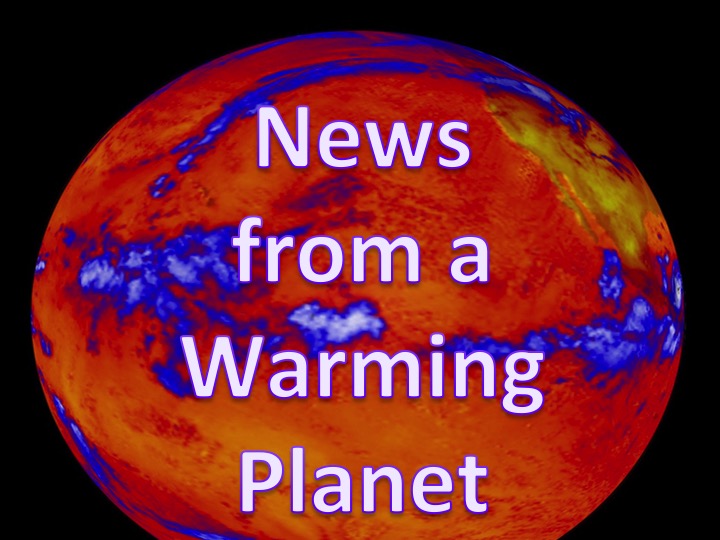
There seems to be an emerging scientific consensus that the rate of global warming is rising. After screening out the effects of natural factors like El Niño, scientists have concluded that the pace of warming has roughly doubled since the 1970s. What does this tell us about policy? Some of the implications are more obvious than others, and at least one implication may be unsettling for some climate advocates. Most obviously, we need to accelerate our efforts to carbon emissions. We will be closing in on possible tipping points faster than expected. Climate impacts that we might have expected twenty years from now could hit in half that time.
CONTINUE READINGThe Environment is a System, Not an Array.
In 1969, Barry Commoner summed up much of environmental science in six words. Today’s conservatives don’t get it.
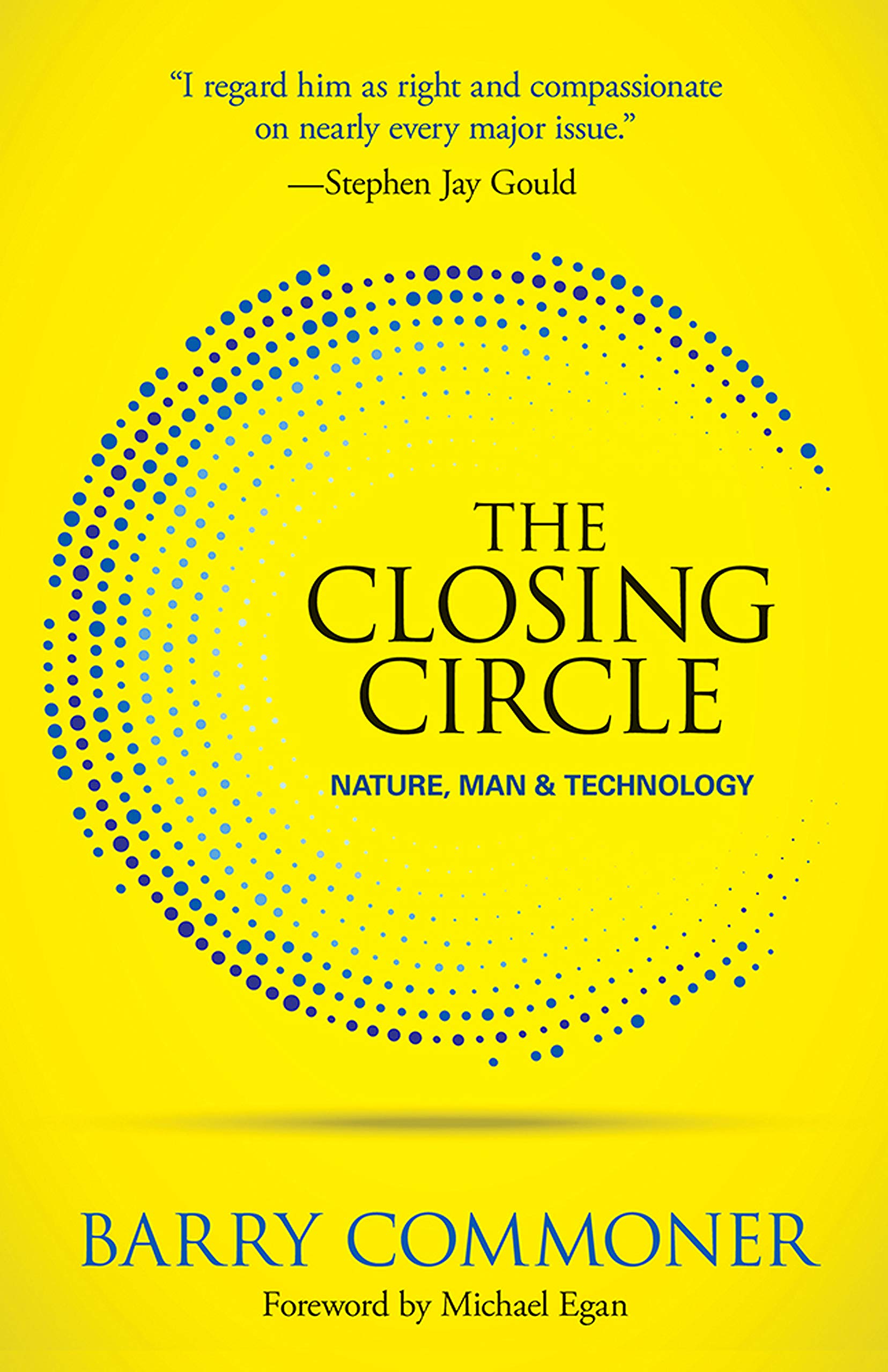
People have an intuitive tendency to focus on an action’s immediate direct effects. The same intuition leads us to downplay effects that are indirect, long-range, and cumulative. This can lead us astray, as it has the Supreme Court, when dealing with impacts on environmental systems. Writing at the outset of the modern environmental world, biologist Barry Commoner tried to crystalize what was known about the environment into four crisply phrased laws. The first law read simply: “Everything is connected to everything else.” What we have learned since Commoner published The Closing Circle in 1969 has only confirmed that insight.
This interconnected means that the environment is a system (really, a nested set of systems), where interactions are paramount. It’s not just an array of different things happening independently in different places or times. That’s true, as we’ve learned, not only of the environment but the global economy to which it is linked and of the geopolitical realm linked to that.
CONTINUE READINGJoin Our Mailing List
Climate policy is changing rapidly. Stay in the loop with expert analysis via email Monday - Friday.