



























































General
A Tariff on Data Centers Could Help Them Pay Their Fair Share

chaddavis.photography via flickr
The first in our new “Energy Corner” series, this post looks at how California could design a rate structure for large load customers to join the electric grid without burdening ratepayers.
A flurry of new comments was filed last month in Pacific Gas & Electric’s (PG&E) proposal to implement a new electric tariff bill, one specific to large-load customers (read: data centers). Such tariffs determine the electricity rates a utility can charge each class of customer, and the conditions under which it must provide service. PG&E’s …
Continue reading “A Tariff on Data Centers Could Help Them Pay Their Fair Share”
CONTINUE READINGThe GCF Task Force Expands at 16th Annual Meeting

Photo by Government of Caquetá, Colombia.
The Governors’ Climate and Forests Task Force has grown from 45 to 54 member jurisdictions to cover even more of the world’s tropical forests.
The world’s largest subnational network dedicated to protecting forests, reducing emissions, and enhancing livelihoods across the tropics just got a lot bigger. Following a vote at our 16th Annual Meeting in Caquetá, Colombia from May 18 – 22, 2026, the Governors’ Climate and Forests Task Force (GCF Task Force) grew from 45 to 54 member …
Continue reading “The GCF Task Force Expands at 16th Annual Meeting”
CONTINUE READINGKeeping the Energy Transition Affordable
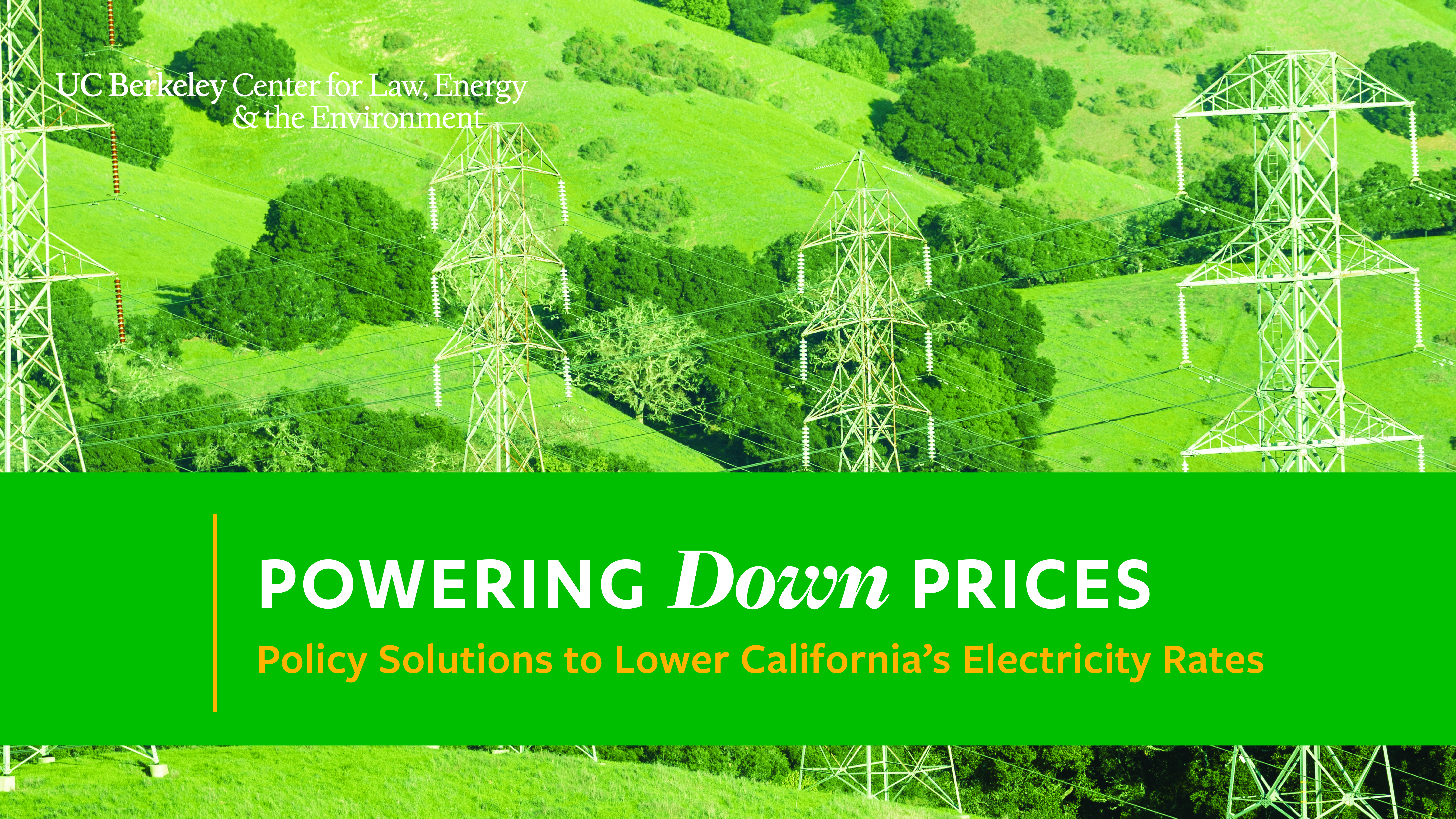
A new CLEE report identifies policy solutions to lower California’s electricity rates.
In recent years, California’s already-high electricity rates increased far beyond the rate of inflation. Unsustainably high electricity rates threaten California’s continued progress on climate change and pose painful affordability burdens on California residents and businesses. High electricity rates also threaten California’s leadership in decarbonization and the clean energy transition, which largely relies on the …
Continue reading “Keeping the Energy Transition Affordable”
CONTINUE READINGDoes More Energy Reporting = Less Climate Reporting?

The Drain is a weekly roundup of environmental and climate news from Legal Planet.
If you are one of the many loyal readers of E&E News, big change is coming to your daily routine. POLITICO announced it is shuttering E&E, the standalone, subscription-based reporting outfit that it bought in 2020. “Beginning in September, we are modernizing how we deliver our energy and environmental policy journalism and launching a …
Continue reading “Does More Energy Reporting = Less Climate Reporting?”
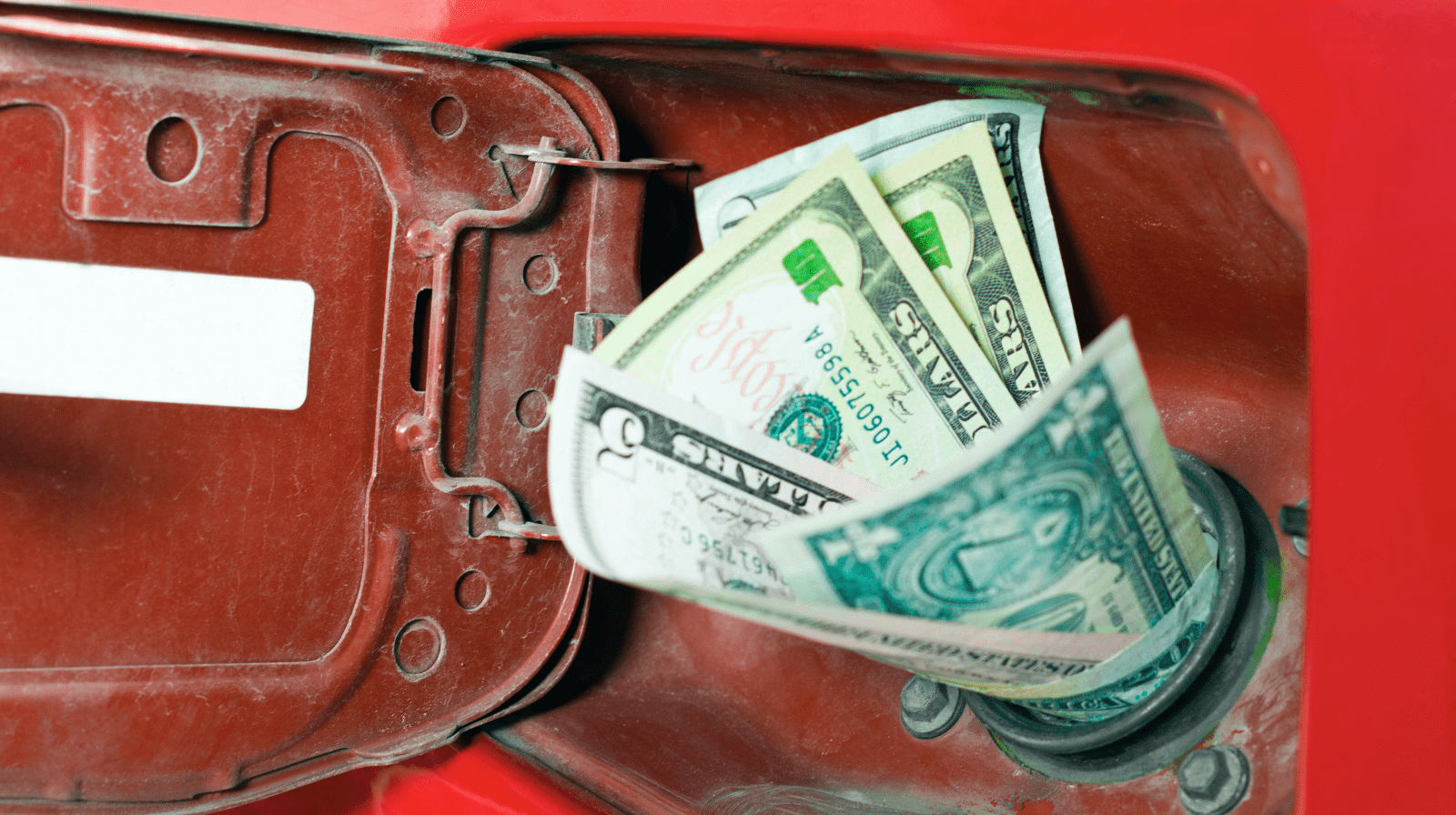
CONTINUE READINGHate the Gas Tax? Get to Know the Road Usage Charge
The Drain is a weekly roundup of environmental and climate news from Legal Planet.
We Californians glide on a network of more than 394,000 miles of roadway, which includes 51,000 miles of state highways, and 25,737 bridges. Our state highway system is one of the largest in the country and requires serious maintenance. Whether you usually travel by gas-powered car, EV, public transit, bicycle or on a sidewalk, you …
Continue reading “Hate the Gas Tax? Get to Know the Road Usage Charge”
CONTINUE READINGReducing Deforestation from California to Colombia and Beyond

There are bright spots and opportunities for more work to do on improving data, governance, and access to finance.
This week marks the 16th Annual Meeting of the Governors’ Climate and Forests Task Force (GCF Task Force), a unique network of states and provinces from 11 countries covering more than one-third of the world’s tropical forests. These subnational governments are convening to advance what we call the New Forest Economy – an economic transition …
Continue reading “Reducing Deforestation from California to Colombia and Beyond”
CONTINUE READINGTrump and Xi Meet in Beijing

As the U.S. and China meet, climate change is NOT on the agenda.
When Presidents Trump and Xi meet this week in Beijing, climate and environment will not be on the agenda. That absence is striking, because the U.S. and China are now moving in radically different directions on climate, energy, and environmental protection. The US is in an extraordinarily anti-environmental moment. It has exited both the Paris …
Continue reading “Trump and Xi Meet in Beijing”
CONTINUE READINGAn Inconvenient Truth Two Decades Later
Global X via flickr
The Drain is a weekly roundup of environmental and climate news from Legal Planet.
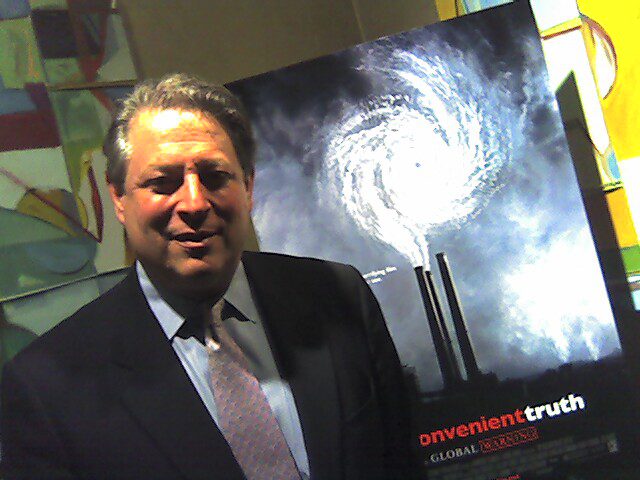
Twenty years ago this month, I walked out of a movie theater, dumfounded, after seeing “An Inconvenient Truth,” the Al Gore documentary that would go on to frame the conversation around climate change for years. I remember feeling riveted and freaked-out. I’d read enough Adbusters in college to have a decent critique of capitalism, …
Continue reading “An Inconvenient Truth Two Decades Later”
CONTINUE READINGScrap Yards, Scrapped Enforcement?

The City of Los Angeles’s regulatory tools exist to protect communities from metal recycling hazards—but they’re rarely invoked.
This post was co-written by UCLA Law student Kate Inman (J.D., 2026). Throughout California’s Senate District 20, roughly thirty scrap metal recycling facilities sit in the industrial corridors running alongside residential housing. For the working-class, majority-Latino communities living blocks away, the legal system has been slow to respond. Drive through Sun Valley or Pacoima on …
Continue reading “Scrap Yards, Scrapped Enforcement?”
CONTINUE READINGClimate Journalism is “Breaking but Not Broken”

The Drain is a weekly roundup of environmental and climate news from Legal Planet.
The 2026 Pulitzer Prize announcements happened this week and environmental reporting was in the mix though not central enough if you ask me. Here’s where it shined: The Breaking News Reporting category was dominated by journalism covering climate-fueled extreme weather. Finalists included staff of the Seattle Times for more than 100 stories covering catastrophic …
Continue reading “Climate Journalism is “Breaking but Not Broken” “
CONTINUE READINGJoin Our Mailing List
Climate policy is changing rapidly. Stay in the loop with expert analysis via email Monday - Friday.

The Drain is a roundup of climate and environmental news from Legal Planet delivered to your Inbox once a week.