

























































offshore wind
Bending Under Pressure
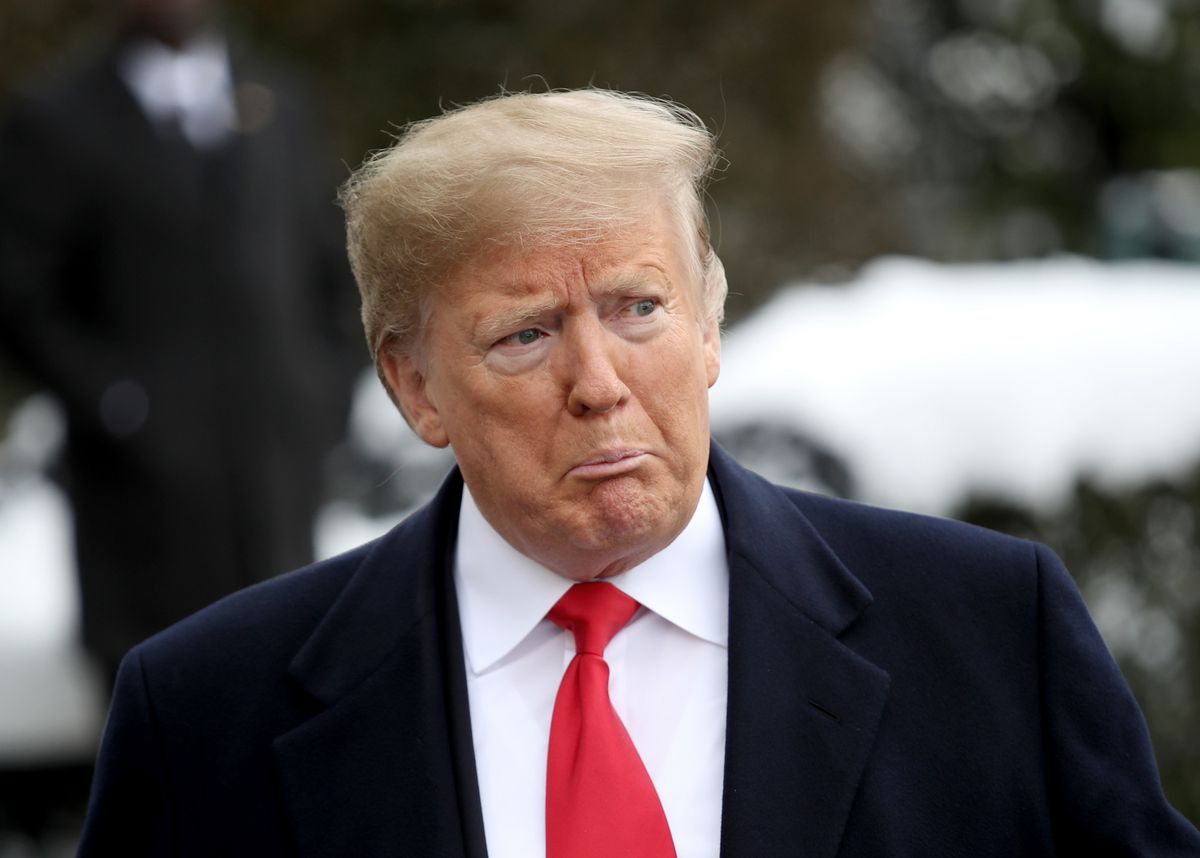
Every now and then, the Trump Administration shows signs of reluctantly giving in to reality.
The Trump Administration’s basic stance has been to pursue ideological purity all costs, beginning with the “shock and awe” campaign of the first year. Don’t expect miracles, but there are at least a few signs that the Administration is tempering that strategy. It’s a bit comforting to see indications that reality is slowly sinking in. It’s also evidence that resistance to Trump policies isn’t futile.
Any trend toward saner policies is likely to be very limited. For instance, Trump and his supporters are too invested in climate denial to ever admit that climate change is a serious problem. The best we might hope for is that they ease up just a little on their war against clean energy. There are at least some hints that this may be starting to happen.
CONTINUE READINGPoisoning the well
Trump Administration “pause” on offshore wind projects undermines prospect of permitting deal
Yesterday, the Trump Administration announced that it was “pausing” construction for the five major offshore wind projects on the East Coast, based on “national security” grounds – because of the possibility that wind turbines can interfere with radar operations. This announcement is, to say the least, not helpful for current permitting reform discussions. It emphasizes …
Continue reading “Poisoning the well”
CONTINUE READINGThe Answers are Blowing in the Wind
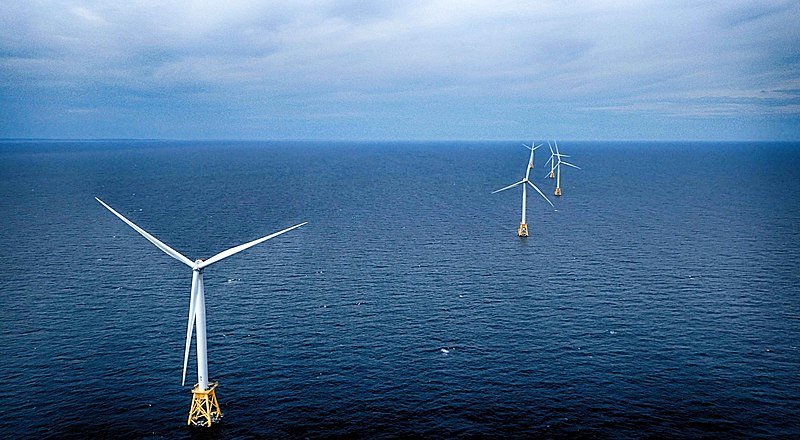
A district court overturns the moratorium on offshore wind, deciding two key legal issues along the way.
The Trump Administration advanced two far-reaching arguments in this case. One is that, when the President directs how an agency should exercise its statutory authority, normal limits on agency action don’t apply. The other is that, even if an agency action is illegal, it must remain in effect against everyone in the world except the plaintiffs who challenged it in a specific case. We can expect the government to keep pressing these points, up to and including Supreme Court review. But the district court in the offshore wind case, along with other lower courts, correctly rejected these arguments.
CONTINUE READINGTrump’s War on Wind is Dumb. It also Makes Sense.

The Drain is a weekly roundup of environmental and climate news from Legal Planet.
The Trump administration’s attack on wind energy feels dumber and dumber every day. Let’s see if we can make it make some sense. After that, the major headlines of the week. Last Friday, his Transportation Department withdrew $679 million for offshore wind projects at 12 ports. Last month, the administration sent a stop-work order to …
Continue reading “Trump’s War on Wind is Dumb. It also Makes Sense.”
CONTINUE READINGCould CA Local Agencies Replicate Past Federal Solicitation Approaches?

Innovative solicitation & contracting approaches may make offshore wind infrastructure projects work better for communities
Offshore wind is a nascent industry in California, and actions by the new federal administration are threatening to slow or halt the significant progress made in recent years. Despite these new federal policies, however, state and local leaders are planning infrastructure needed to launch the sector in California, including port facilities suitable for assembling and …
Continue reading “Could CA Local Agencies Replicate Past Federal Solicitation Approaches?”
CONTINUE READINGTrump’s Offshore Wind Ban vs. China’s Wind Juggernaut

Why is the Trump administration kneecapping the U.S. offshore wind industry while China becomes a global giant?
This January, when I was in Beijing for a workshop at Tsinghua University on offshore wind, presentation after presentation from Chinese experts revealed just how China has become an absolute juggernaut in offshore wind. Professors from the Chinese Academy of Social Sciences and Tsinghua walked us through the governance structure — state planning, targets, industrial …
Continue reading “Trump’s Offshore Wind Ban vs. China’s Wind Juggernaut”
CONTINUE READINGNot All Community Benefits Are Created Equal
Technical Assistance for Underserved, Environmental Justice, and Tribal Communities Will Be Key to Ensuring Meaningful California Offshore Wind CBAs
CLEE has just released a new report, Offshore Wind & Community Benefits Agreements in California: CBA Examples, detailing the CBA and other community provisions in California’s offshore wind leases, as well as examples of CBA precursors and models from other industries. Read it here. As California offshore wind moves forward, there are opportunities for underserved, …
Continue reading “Not All Community Benefits Are Created Equal”
CONTINUE READINGDelivering Workforce Benefits in an Emerging Industry
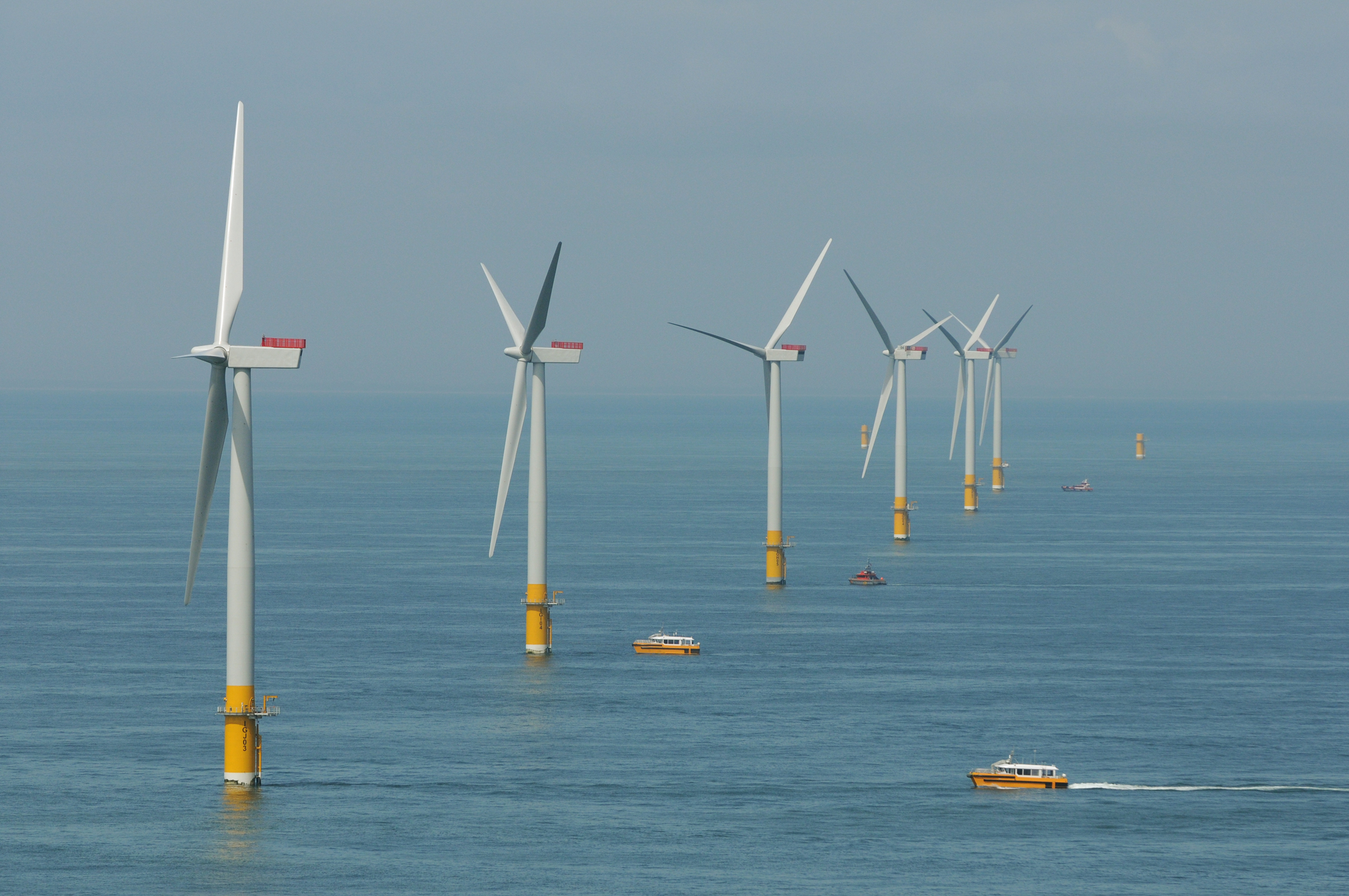
Observations on the workforce development provisions in the California Energy Commission (CEC) draft Offshore Wind Strategic Plan
California’s offshore wind (OSW) industry is transitioning from planning to implementation in a statewide effort to deliver 2-5 GW clean energy by 2030. In support of this goal, the California Energy Commission (CEC) released a draft of its Assembly Bill 525 Offshore Wind Strategic Plan (the Plan). In a nascent industry with complex community interests …
Continue reading “Delivering Workforce Benefits in an Emerging Industry”
CONTINUE READINGA New Strategic Plan for California Offshore Wind
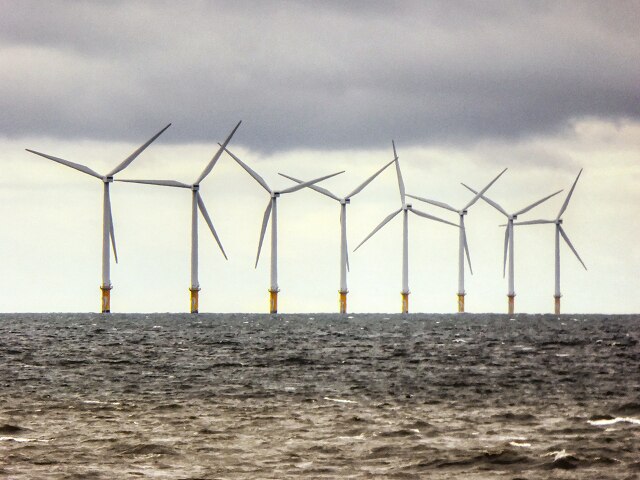
The California Energy Commission has published a draft including strategies for impacted communities, but CBAs deserve more emphasis.
For those following offshore wind development in California, January 19, 2024, marked an important moment—the release of the long-awaited Draft Assembly Bill 525 Offshore Wind Strategic Plan from the California Energy Commission (CEC). Some important foundations for offshore wind, a new but growing industry in California, had already been laid. Assembly Bill 525 (AB 525, …
Continue reading “A New Strategic Plan for California Offshore Wind”
CONTINUE READINGCommunity Benefits Agreements (CBAs) and Offshore Wind
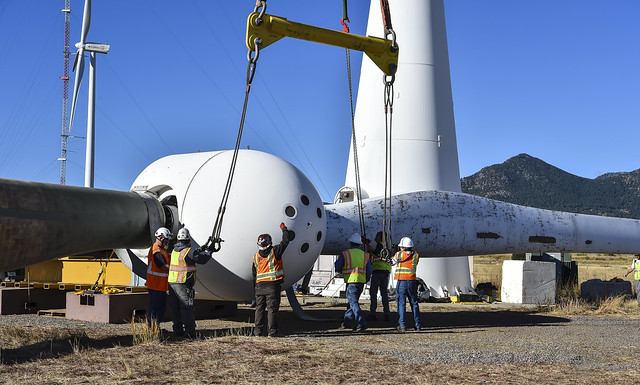
Community Benefit Agreements (CBAs) can provide tools for California communities negotiating offshore wind development impacts
Offshore wind is one of many renewable industries taking off in California as the state accelerates infrastructure investment and development to meet its climate targets. The California Energy Commission has adopted planning goals of 2-5 GW of offshore wind (OSW) by 2030 and 25 GW by 2045. Other state goals include reducing greenhouse gas emissions …
Continue reading “Community Benefits Agreements (CBAs) and Offshore Wind”
CONTINUE READINGJoin Our Mailing List
Climate policy is changing rapidly. Stay in the loop with expert analysis via email Monday - Friday.

The Drain is a roundup of climate and environmental news from Legal Planet delivered to your Inbox once a week.