


























































Administrative Law
Revamping Cost-Benefit Analysis

Proposed changes will make CBA more climate friendly.
Last week, the Biden White House released proposed changes in the way the government does cost-benefit analysis. CBA has been a key part of rule making for forty years. The proposal is very technical and low-key, but the upshot will be that efforts to reduce carbon emissions will get a leg up. In particular, the …
Continue reading “Revamping Cost-Benefit Analysis”
CONTINUE READINGFighting Back Against Lawless Judges: What Does The Case Law Actually Say?

Current standards for declaratory judgments could allow the Biden administration to pre-empt.
Three weeks ago, I argued that the Biden Administration should use the declaratory judgment as a way of pre-empting lawless judges like Matthew J. Kacsmaryk and Reed O’Connor, both of (of course) Texas. I fleshed out the idea in a recent piece for The American Prospect. Since then, the problem has only gotten worse, as …
Continue reading “Fighting Back Against Lawless Judges: What Does The Case Law Actually Say?”
CONTINUE READINGWhen Is It Legal to Consider Race in Regulating?
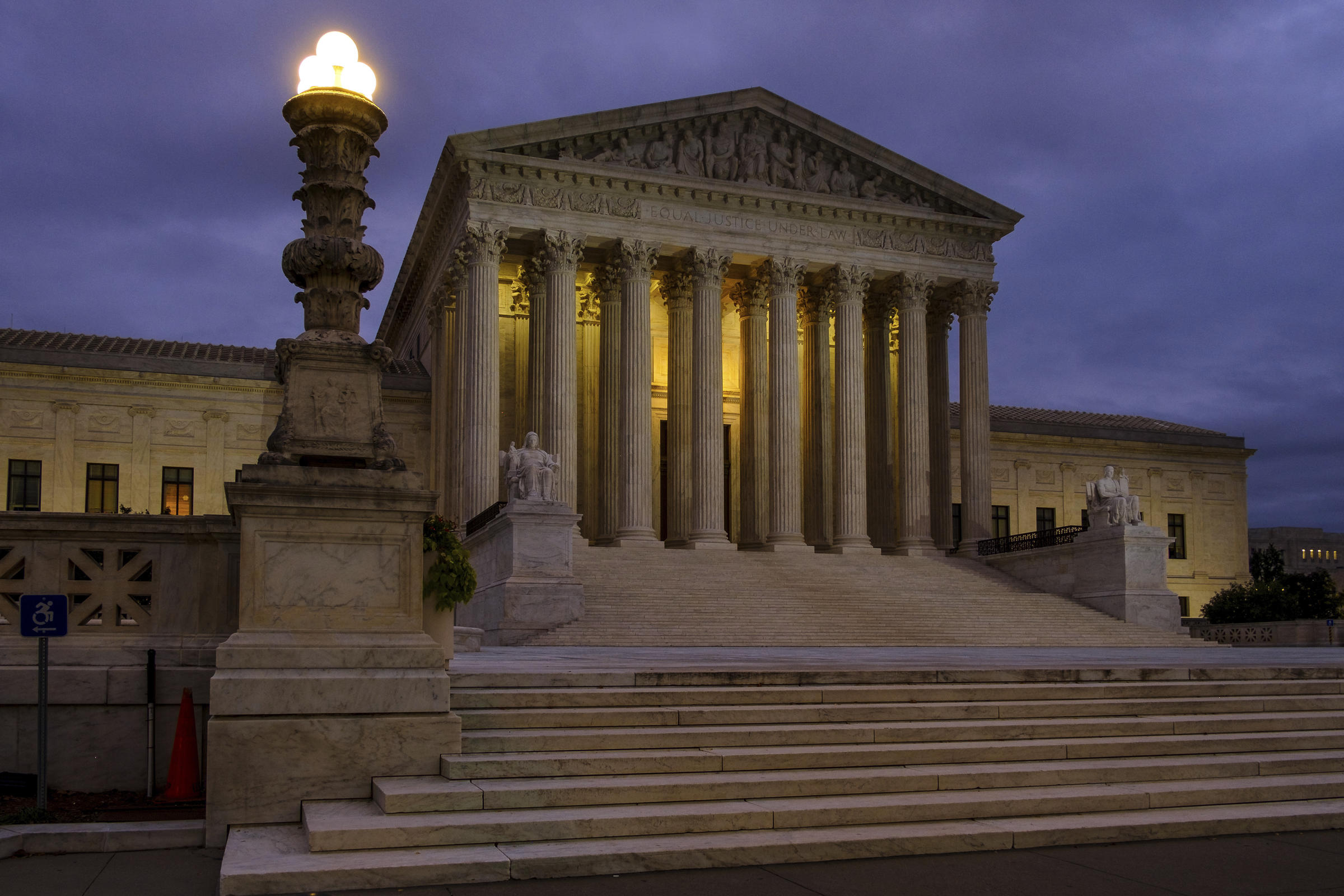
Two upcoming Supreme Court decisions will tell us a lot about the answer.
On Halloween, the Supreme Court heard oral argument in cases brought by Students for Fair Admissions (SFFA) against Harvard and UNC. These cases seem likely to move the Court closer to requiring colorblindness. How would that impact EPA’s ability to pursue environmental justice? Based on comments of the Justices during the arguments in the Harvard …
Continue reading “When Is It Legal to Consider Race in Regulating?”
CONTINUE READING“Major Questions” for Texas (and for the Environment)
Defending clean car regulations and tracking judicial decision-making
Last June, the Supreme Court formally unveiled the “major questions” doctrine in the landmark environmental case West Virginia v. EPA. In rejecting EPA’s plan to regulate greenhouse gas emissions from existing power plants under Section 111(d) of the Clean Air Act, the Court stated that “agency decisions of vast economic and political significance” (i.e., those …
Continue reading ““Major Questions” for Texas (and for the Environment)”
CONTINUE READINGWetlands Regulation in the Political Swamp
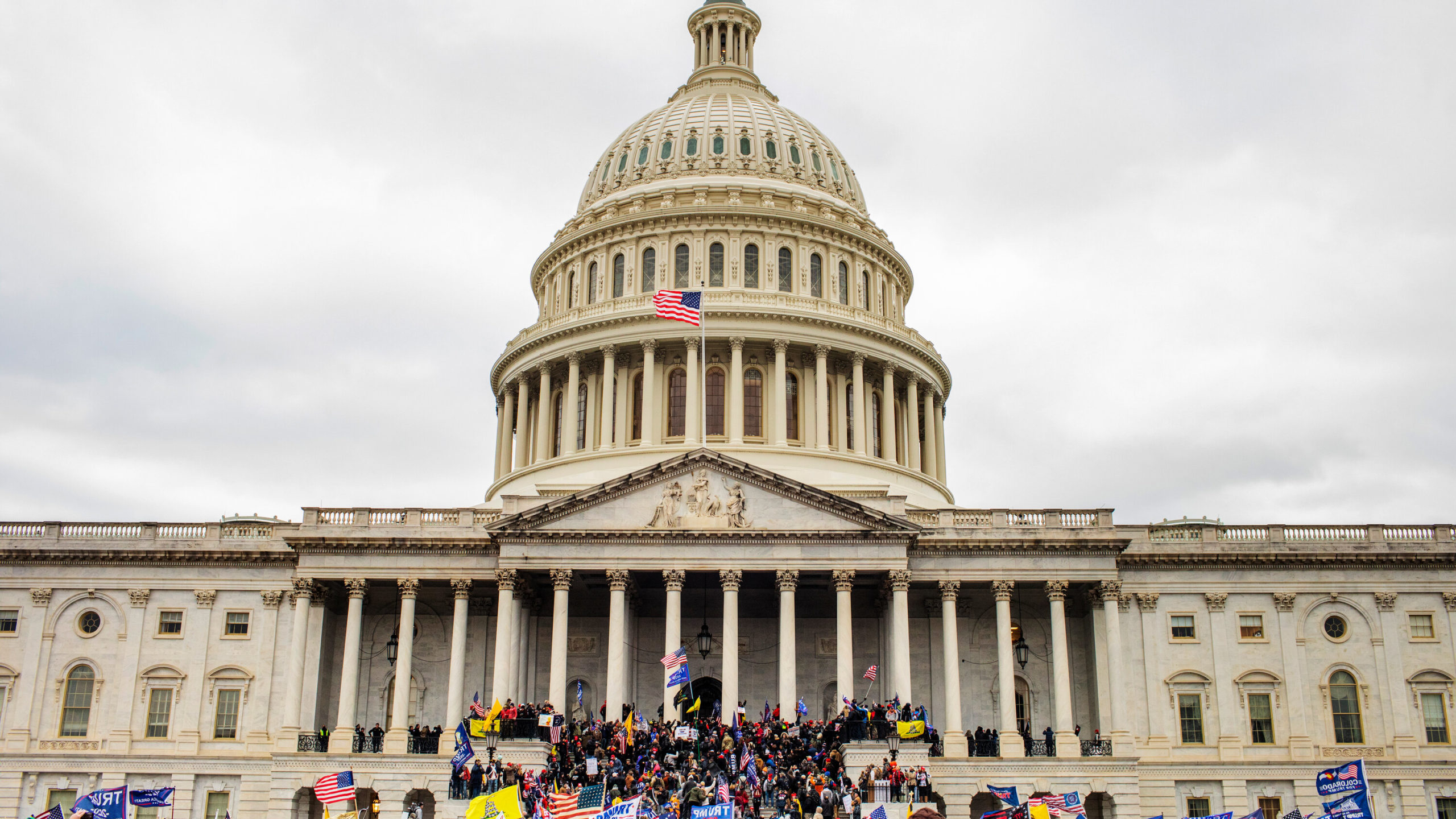
The Congressional Review Act remains bad for policy and worse for democratic deliberation.
Last December, the Biden administration issued a rule defining the scope of the federal government’s authority over streams and wetlands. Congressional Republicans vowed to overturn the rule, using a procedure created by the Congressional Review Act. If Congress is going to repeal something, it should be the Congressional Review Act rather than the Biden rule. …
Continue reading “Wetlands Regulation in the Political Swamp”
CONTINUE READINGThe Presidency Under Siege

The current Justices are no friends of presidential power.
As recent scholarship has shown, the Supreme Court has been increasingly aggressive in countering exercises of presidential power. From the environmental perspective, West Virginia v. EPA is the most relevant example of the Court’s efforts to cut the presidency down to size. True, the Court purported to be chastising EPA, part of the bureaucracy. Yet …
Continue reading “The Presidency Under Siege”
CONTINUE READINGCongressional Cancel Culture

Once again, the Congressional Review Act rears its ugly head.
The Congressional Review Act (CRA) provides a fast-track process for canceling regulations if they hit an ideological nerve or offend a powerful special interest. Congressional Republicans are busily trying use it to cancel environmental regulations. Earlier this month, the target was a regulation encouraging pension managers to consider the impact of climate risks on their …
Continue reading “Congressional Cancel Culture”
CONTINUE READING50 Years Ago: Environmental Law in 1973
Five decades back, the country was in the midst of unprecedented environmental ferment.
1973 was at the crest of the environmental surge that swept the United States half a century ago. In the previous three years, Congress had passed NEPA, the Clean Air Act, and the Clean Water Act. The first EPA Administrator took office in 1971. Continuing the legislative wave, 1973 saw the passage of the Endangered …
Continue reading “50 Years Ago: Environmental Law in 1973”
CONTINUE READINGWhose Major Questions Doctrine?

There are two versions of the doctrine. One of them is more dangerous.
When it struck down Obama’s signature climate regulation in West Virginia v. EPA, the Supreme Court formally adopted the major questions doctrine as a way to synthesize prior anti-regulatory rulings. The major questions doctrine (MQD to insiders) has gotten a lot of attention. One thing that’s been overlooked, however, is that there are two versions …
Continue reading “Whose Major Questions Doctrine?”
CONTINUE READINGLearning to Name Environmental Problems
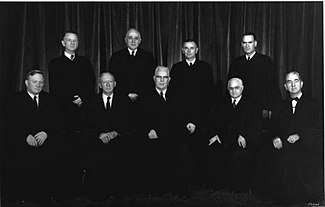
It was only in the 1960s that the Supreme Court learned to talk about “pollution” and “wilderness.”
There are Supreme Court cases going back a century or more dealing with what we would now consider environmental issues such as preserving nature or air pollution. But when did the Court start seeing filthy rivers and smokey cities as embodiments of the same problem, despite their striking physical differences? And when it did start …
Continue reading “Learning to Name Environmental Problems”
CONTINUE READINGJoin Our Mailing List
Climate policy is changing rapidly. Stay in the loop with expert analysis via email Monday - Friday.

The Drain is a roundup of climate and environmental news from Legal Planet delivered to your Inbox once a week.